Physical Therapy News, Treatments and Services – November 23, 2025

Physical therapy and rehabilitation services are proving instrumental in fostering better health outcomes and improving the quality of life for patients of all ages and abilities. Aided by advancements in medical technology and training, these services are now helping individuals regain mobility and function following serious illness, surgery, or injury.

The benefits of physical therapy extend far beyond recovering from physical challenges. For cancer patients, physical therapy services play an integral role in helping improve strength, function, and independence during and after cancer treatment. Professionally trained therapists can aid in addressing a range of concerns related to weakness, balance, scar tissue, lymphedema, range of motion, and appropriate use of rehabilitation equipment.

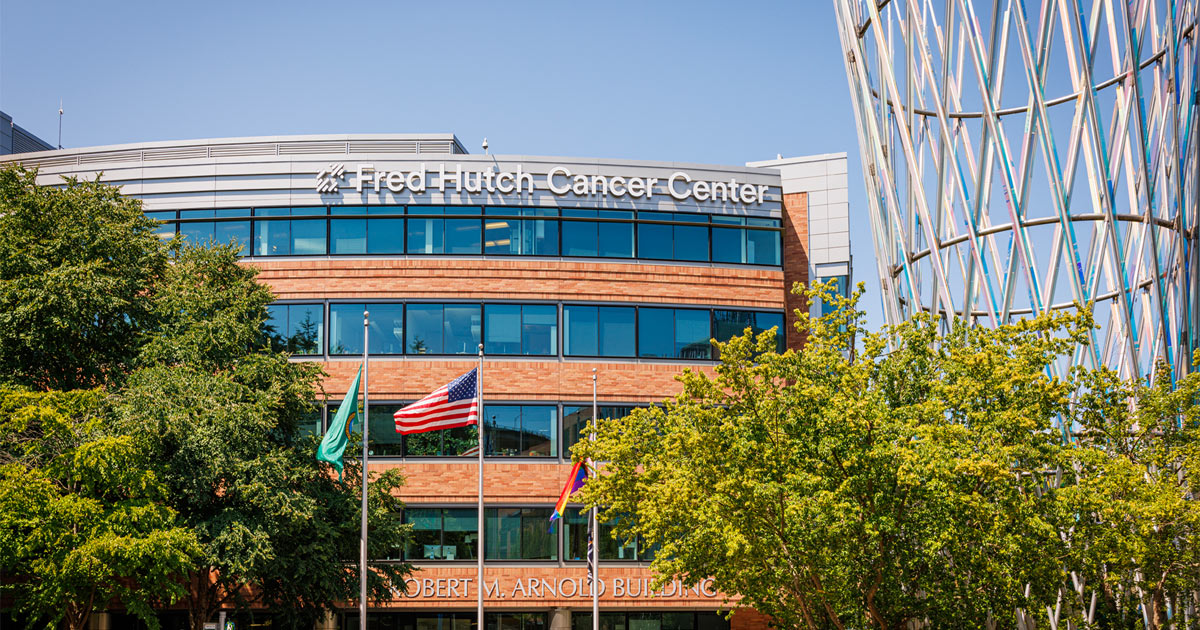
At the Fred Hutch clinic, patients can access physical therapy services based on a referral from a physician, physician assistant or nurse practitioner. Therapists at Fred Hutch specialize in oncology, with a capacity to deal with conditions like secondary lymphedema, providing tailor-made treatment plans to suit individual patient needs.

Meanwhile, the UT Health East Texas Rehabilitation Center offers patients comprehensive inpatient and outpatient rehabilitation programs with the goal of regaining mobility, function, and achieving optimal health. The facility comprises a 49-bed state-of-the-art rehab center, providing advanced therapy techniques and hospitalization services in a supportive environment.

The center’s inpatient services encompass a broad scope of treatments, from trauma care and diagnostic and laboratory services to limb loss rehabilitation, occupational therapy, and physical therapy. It also offers specialized services such as Pastoral care and Psychology services to cater to patients’ emotional and spiritual needs.

Additionally, the facility has a firm commitment to post-stroke recovery, with a dedicated program designed to help patients recover motor skills, speech, and cognitive functions affected by stroke. To ensure continuity in patient care, the center offers transitional living apartments that bridge the gap between hospital care and independent living. Furthermore, a specialized treatment known as VitalStim Therapy is available, which aids patients who suffer from dysphagia (swallowing disorders).

Outpatient services at UT Health East Texas Rehabilitation Center are equally comprehensive, covering a range of therapeutic interventions. These include aquatics therapy, balance and vestibular programs, cardiopulmonary rehabilitation as well as pioneering techniques like dry needling. The center specializes in limb loss rehabilitation, and offers innovative treatments such as lymphedema management and orthotic therapy.

The center’s Parkinson’s program emphasizes promoting functional mobility, minimizing potential secondary impairments and progression of the disease, supplemented with safety education. Custom splinting services are also available to aid in the management of a variety of conditions including post-surgical recovery, fractures, sprains, and repetitive strain injuries. Moreover, total joint replacement therapy, with custom protocols to suit individual needs, help patients improve motion, strength, and function post-op.

Uniquely, the center offers work conditioning, which is a structured program designed to assist injured workers to regain their work capacity and reintegrate into the workforce.

In conclusion, the recent advancements in physical therapy and rehabilitation services underscore the increasing value of these measures in modern medicine. Tailoring the treatments and therapies to suit individual needs is priming more patients to regain their normal functions, improve health outcomes, and redefine their quality of life. The range, effectiveness, and progressiveness of these services affirm the role of physical therapy and rehabilitation in overall health and wellness, regardless of the patient’s age or medical condition. The future of healthcare is promising, and the intersection of physical therapy and rehabilitation services is significantly contributing to the realization of this promise.

Physical Therapy Services and Treatments: A Market Poised for Significant Growth

The physical therapy services market has witnessed a meteoric rise in recent times, fueled by a gamut of factors. Studies show that the global physical therapy market’s size was valued at USD 26.04 billion in 2025 and is predicted to witness significant growth by hitting a staggering USD 49.18 billion by 2034, expanding at a CAGR of 7.32% from 2025 to 2034. This growth is attributed to heightened awareness of musculoskeletal health, increasing geriatric population, and rising demand for rehabilitation services following injuries or surgeries.

Artificial Intelligence (AI), a technological marvel, is redefining the landscape of the physical therapy market. From tracking patient progress in real-time to predicting recovery timelines and adjusting therapy plans with precision, AI is revolutionizing the way physical therapy services are provided. Also, AI usage in analyzing large datasets has enhanced diagnostic accuracy, which boosts treatment efficacy and brings about an expansion in access to quality care.

Key Market Trends

1. A shift towards digital health and telehealth platforms has made remote physical therapy services possible. These platforms permit remote consultations, assessments, and guided therapy sessions, making physical therapy more accessible than ever before.

2. Integration of AI and Machine Learning (ML) is another trend to watch in this space. AI-driven tools for motion analysis, predictive recovery modeling, and automated progress tracking are some of the notable strides in this direction.

3. Other trends include the usage of wearable technology and IoT in rehabilitation. Devices such as smart braces, fitness trackers, and muscle stimulators are being integrated into rehabilitation protocols, making therapy more effective.

Impediments and Opportunities

While lack of skilled professionals and high cost of therapy pose challenges to the physical therapy market, the emerging markets provide immense opportunities. Rising disposable incomes, and government initiatives that improve healthcare access, make the market ripe for penetration. Also, the growing awareness of fitness and wellness among urban populations presents physical therapy as a preventive and lifestyle-oriented service.

Orthopedic Physical Therapy Continues to be Favorably Received

Orthopedic physical therapy dominated the market with the largest share in 2024 because of the high prevalence of musculoskeletal disorders, sports injuries, and post-surgical rehabilitation needs. With the advent of advanced tools such as gait analysis, wearable sensors, and exoskeletons, orthopedic physical therapy has become more precise and effective.

Ageing Adults Evince Increased Interest in Physical Therapy

The adults segment held the largest market share in 2024 due to an increased prevalence of lifestyle-related musculoskeletal issues, occupational injuries, and increased participation in fitness and sports. Meanwhile, the elderly segment will grow at a robust rate, driven by rising life expectancy and the global increase in the number of cases of age-related conditions such as osteoporosis and arthritis.

Promising Geographies

North America dominated the market by holding the largest market share in 2024, primarily due to robust healthcare infrastructure, widespread awareness about physical rehabilitation, and high prevalence of chronic and lifestyle-related disorders like obesity, arthritis, and back pain. However, the fastest-growing region for physical therapy services is expected to be Asia Pacific, owing to modernizing healthcare infrastructure, growing disposable incomes, and increasing awareness of the benefits of rehab care.

Investing in the right trends to upscale the market size

Companies such as AmeriCare Physical Therapy (U.S.), Rehab Alternatives PLLC (U.S.), PIVOT Physical Therapy (U.S), ProHealth Limited (Hong Kong), BTL (India), DJO LLC (U.S.), Performance Health (U.S.), Athletico Physical Therapy (U.S.), Geisinger Health (U.S.), and Select Medical Corporation (U.S.), among others, continue to invest in expanding facilities and technologies to capitalize on the growing market.

Pediatric Physical Therapy: A Unique Approach

The HSS Pediatric Rehabilitation & Young Athlete Center in New York City represents a significant step in pediatric outpatient rehabilitation for children and young adults. With a multidisciplinary team of physical therapists, occupational therapists, and speech therapists,this brand-new facility is a welcome addition to the Upper East Side of Manhattan and symbolizes the advancements made in the sphere of physical therapy.

While the road ahead promises significant growth, the physical therapy market will continue to evolve. Ongoing research, integration of technology, and an increased preference for remote services will inevitably shape the future of this increasingly important facet of healthcare. As technology becomes more entwined with healthcare, physical therapy services will continue to reach more people, improving their quality of life and overall health outcomes.

Physical therapy services are now offered at Sanford Health West Fargo, marking an expansion of their healthcare services. This move aims to aid the rehabilitation process, helping patients return to their habitual routines and preventing future injuries. Sanford Physical Therapy specializes in various therapies, such as dizziness and imbalance treatment, dry needling, LSVT BIG treatment for Parkinson’s, lymphedema therapy, orthopedic care, pain management, postoperative services, stroke rehabilitation and women’s health care. The new location aims to provide comprehensive physical therapy services closer to home for the community, contributing to patients’ recovery and return to normal life.

The Mayo Clinic also offers notable contributions in the field of Physical Medicine and Rehabilitation (PM&R). Their specialty centers around diagnosing and treating medical conditions affecting the brain, spinal cord, nerves, and musculoskeletal system. The PM&R physicians and care teams focus on restoring function to patients, working towards improving the quality of life, and muscle functionality.

PM&R’s experts have vast experience in reviewing medical images, physical examinations of bones, joints, muscles and guiding patients in creating a health plan suitable for them. Their therapy areas include bone, muscle, and soft tissue therapies, specialist treatment for gaming and esports injuries, and adaptive athlete medicine. Pediatric Rehab offers comprehensive services for young patients with expert care.

The PM&R specialists span across campuses offering both short-term and long-term care programs. Patients receive cutting-edge treatment by a multidisciplinary team of physicians, therapists, advanced care providers, and nurses in a hospital or clinical setting. Each year, thousands of people are treated by Mayo Clinic’s PM&R physicians, therapists, and treatment providers.

In the sphere of improving restorative technology, Mayo Clinic’s PM&R dedicates significant efforts in research to advance rehabilitation science. The Assistive and Restorative Technology Laboratory (ART Lab) provides therapies and tests using advanced technology. Features include 3D computer technology and printing for hand/wrist braces, assistive technology for spinal cord injury, functional electrical stimulation, advanced prosthetics options for people with amputations, and more.

Moreover, clinical research forms a considerable portion of PM&R’s mission, striving to provide optimal care for all patients. Mayo clinic PM&R extends the potential participation in clinical trials to their patients.

Mayo Clinic’s PM&R care extends throughout their campuses in Arizona, Florida, and Rochester, Minnesota. Patients receive collaborative care from a multidisciplinary team of physical therapists, occupational therapists, and other rehabilitation professionals catering to individual needs. This advanced medical care is also available at Mayo Clinic Health System locations in Minnesota, Wisconsin, and Iowa.

In conclusion, an expansion in physically therapeutic services has been seen both at Sanford West Fargo and Mayo Clinic’s institutions. These expanding services will further address the growing demand, helping restore normalcy and functionality to patients’ lives. It exemplifies how healthcare providers are evolving and adopting advanced therapies for patient treatment and recovery.

Title: Boosting Health and Independence: Comprehensive Rehabilitation Services and Treatings

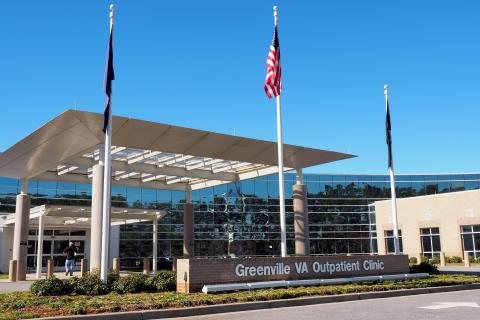
As part of the ongoing VA Columbia South Carolina Health system, the Lance Corporal Dana Cornell Darnell VA Clinic is teaming up with the Disabled American Veterans (DAV) and county Veterans Affairs directors, offering transportation to veterans and authorized caregivers to their scheduled medical appointments. This initiative is part of the clinic’s beneficiary travel benefits, which include round-trip transportation from a beneficiary’s home to the medical center, mileage reimbursement, or special mode transportation. Now, more than ever, access to quality healthcare remains a top priority.

Turning focus on the broader landscape of rehabilitation, UT Health Pittsburg leads the way with comprehensive services for various medical conditions including cardiopulmonary problems and neurological conditions. Taking an interdisciplinary approach, the dedicated rehabilitation team at UT Health Pittsburg offers specialized programs that aim to enhance the patient’s mobility, balance, strength, and endurance. In addition to this, they also provide assistance in managing orthopaic pain and aiding in post-joint replacement surgery recovery.

Furthermore, UT Health Pittsburg provides personalized treatments designed to diminish pain, restore function, and enhance the quality of life for patients dealing with a variety of medical conditions. Different medical conditions are tackled, ranging from balance disorders to joint pain, cardiopulmonary diseases, and neurological conditions, such as stroke. To meet these goals, the team employs the latest techniques in physical therapy, with strategies including controlling shortness of breath, educating patients to ensure symptoms don’t worsen, and improving balance to decrease fall risk. The teams’ objectives also include promoting cognitive stimulation for patients with neurological conditions.

A unique offering of UT Health Pittsburg is the Cardiac Rehabilitation program. As a medically supervised initiative, it is designed to strengthen patients’ hearts, improve cardiovascular health, and support recovery after a heart event.

Alongside outpatient services, the collaboration with Choice Health At Home extends rehabilitative care to patients in the comfort of their home. This program delivers various services, including physical therapy and rehabilitation, hospice care, and specialized rehabilitation in a familiar setting.

Moreover, through the Olympic Fitness Centers of UT Health East Texas, patients and public members have access to various fitness classes, personal training, and tailored fitness programs. The aim is to enhance individuals’ wellness and exercise regimen.

One distinct program operating at UT Health Pittsburg is the swing bed program. This service helps patients transition from an acute hospitalization back into the community at the same level of independence and function they had prior to entering the hospital. Patients under the swing bed program usually need to have had a minimum of three days as acute care patients, need ongoing monitoring and rehabilitative care, have Medicare as their primary insurance, and a physician’s referral.

The health care and rehabilitative services offered by VA health systems and UT Health Pittsburg go a long way in ensuring those in need get the requisite care and facilities. From transportation services to outpatient rehabilitation and at-home rehabilitation, these institutions make concerted efforts to improve patients’ quality of life. As we look forward to more developments in the sector, the focus remains on personalized, comprehensive, and accessible care for patients.


Sources:

Physical Therapy News, Treatments and Services – November 16, 2025

Physical therapy and rehabilitation services are gaining more recognition due to their profound benefits in improving health and overall quality of life. Fred Hutch and UT Health East Texas Rehabilitation Center have recently made strides in their physical therapy services, providing comprehensive, patient-centered rehab for various medical conditions.

Physical therapy has demonstrated a broad range of benefits. For cancer patients, these services can help improve strength, function, and independence during and after cancer treatment. Physical therapists address concerns related to weakness, balance, scar tissue, lymphedema, and difficulty with movement. At Fred Hutch, patients diagnosed with secondary lymphedema can get treatment from physical therapists who specialize in oncology.

The inpatient and outpatient rehabilitation programs at UT Health East Texas Rehabilitation Center aim to help patients regain mobility and function after serious illnesses, injuries, or surgeries. They provide acute care services to aid in reaching the goal of independence and optimal health. The center maintains state-of-the-art facilities, offering the latest therapy techniques and hospitalization services for a supportive recovery environment.

The inpatient rehabilitation program provides a broad array of services, including trauma care, diagnostic and laboratory services, hemodialysis services, limb loss rehabilitation, occupational therapy, pastoral care, physical therapy, psychology services, rehabilitation medicine and nursing, respiratory therapy, speech therapy, stroke rehabilitation, transitional living apartments, VitalStim therapy, and wound care services.

The outpatient rehabilitation services extend to cater to day-to-day medical needs and include treatments and programs such as aquatic therapy, a balance and vestibular program, cardiopulmonary rehabilitation, dry needling, limb loss rehabilitation, lymphedema management, occupational therapy, orthotic therapy, a Parkinson’s program, physical therapy, speech therapy, splinting, total joint replacement therapy, and work conditioning.

Notably, UT Health East Texas Rehabilitation Center now also offers a specialized Parkinson’s disease program. This program emphasizes functional mobility, mitigating potential secondary impairments and disease progression, and safety education. They also provide a community wellness program specifically designed for Parkinson’s patients.

A unique intervention, VitalStim therapy, specifically designed to treat dysphagia (swallowing disorders), has been introduced as part of the wide range of therapies available. It applies neuromuscular electrical stimulation (NMES) to improve swallowing functionality.

Physical therapy services also extend their treatments to limb loss rehabilitation. The aim is to help amputees regain function, mobility, and independence through personalized therapy plans, prosthetic training, pain management, and emotional support to cope with both the physical and psychological aspects of limb loss.

Treatment and rehabilitation services offered by these institutions underpin the importance of patient’s physical health and well-being, helping them recover from various health conditions and return to their normal life as quickly and safely as possible. Given the broad scope and individualized planning of these services, it is clear that physical therapy is a vital component in healthcare.

Physical Therapy Market Trends and Forecasts

The global physical therapy market is expected to expand from USD 27.95 billion in 2026 to USD 49.18 billion by 2034, growing at a Compound Annual Growth Rate (CAGR) of 7.32% between 2025 and 2034. This growth is driven by increasing awareness about musculoskeletal health, the growing geriatric population, and rising demand for post-operative rehabilitation services.

North America holds the largest market share at 40% due to robust healthcare infrastructure, widespread awareness of rehabilitation, and high prevalence of chronic and lifestyle-related disorders. However, the Asia-Pacific region is anticipated to register the highest CAGR over the forecast period, owing to rapidly modernizing healthcare infrastructure, growing disposable income, and increasing awareness about the benefits of rehabilitative care.

Among different applications of physical therapy, orthopedic therapy dominated the market in 2024 due to the high prevalence of musculoskeletal conditions, sports injuries, and post-operative rehabilitation needs. Neurological therapy is expected to grow at the highest CAGR between 2025 and 2034 due to an increasing incidence of conditions like stroke, Parkinson’s disease, and other brain and spinal cord injuries.

Integration of Artificial Intelligence (AI) in Physical Therapy

AI is transforming rehabilitation practices by bringing about smarter, data-driven, and personalized physical therapy strategies. AI-powered platforms can track patient progress in real-time, predict recovery timelines, and adjust therapy plans with precision. These systems use elements like motion sensors, computer vision, and machine learning algorithms to observe movements and give instantaneous feedback; this reduces the need for in-person supervision significantly.

AI can analyze large datasets to identify trends, detect early anomalies, and improve diagnostic accuracy, which helps optimize treatment efficacy and expands access to quality care. Integration of AI in physical therapy can help build a more proactive, personalized, and scalable rehabilitation model.

Physical Therapy Pilot Program at Windward Community Based Outpatient Clinic (CBOC)

A pilot program, currently being executed at the Windward CBOC, is integrating direct access to physical therapy into primary care appointments. The program aims to improve access to care, outcomes, and satisfaction for veterans. For veterans with acute injuries, access to physical therapy can increase the likelihood of successful healing and avoid re-injury.

The process bypasses the need for a referral from a primary care doctor, saving time and healthcare costs and improving the care experience for the veteran. Though some restrictions apply due to space considerations, the success of this program could pave the way for future expansion of integrated physical therapy services within primary care appointments.

European Physical Therapy Trends

Europe is a growing market for physical therapy, with growth driven by an aging population and an increasing focus on non-pharmaceutical approaches to pain and mobility management. Countries like Germany, France, the U.K., and the Nordic nations are leading in market expansion due to government health campaigns, increased funding for rehabilitation, and an emphasis on multidisciplinary care.

The introduction of telerehabilitation platforms and AI-enabled diagnostics are expected to offer new growth opportunities. Moreover, universal healthcare programs and physical therapy reimbursements under national health schemes, together with a strong focus on patient-centered wellness practices, are propelling the growth of the market in Europe.

Conclusion

The global physical therapy market is on an upward trajectory thanks to changing healthcare paradigms, technological advancements, and an increased understanding of the benefits of physical therapy. The integration of AI in physical therapy is a revolution in the sector, bringing about personalized and data-driven rehabilitation strategies. Meanwhile, pilot programs such as the one at the Windward CBOC aim to integrate physical therapy into primary care, improving patient outcomes and satisfaction. As patient-centered care becomes more prevalent, the demand for physical therapy is expected to continue its steady growth.

Title: Innovations and Expansion in Physical Therapy Services: A Close Look at HSS Pediatric Rehabilitation and Sanford West Fargo’s Offerings

Physiotherapy, a branch of rehabilitative health, has burgeoned in response to an increasing demand for services from an expanding demographic of patients. Two health entities that exemplify this growth are the HSS Pediatric Rehabilitation & Young Athlete Center (HSS) and Sanford Health West Fargo. This article will explore the services these two facilities offer, based on recent resources.

Located in New York, the HSS Pediatric Rehabilitation & Young Athlete Center stands as a leading provider of outpatient rehabilitation services for children and young adults. This state-of-the-art facility includes private and large, open spaces for individualized treatments and expansive movement practices.

The Center brings together a dynamic and multidisciplinary team of physical, occupational, and speech therapists. These practitioners boast advanced training in neurodevelopmental, orthopedic, and sports rehabilitation. For young athletes, tailor-made programs are available that merge clinical expertise with cutting-edge technology and equipment. These programs aim to ensure effective rehabilitation, boost sports performance, and reduce injury risks.

The HSS facility houses two gyms dedicated to physical therapy, designed to deliver specialized individual care. The space also includes an occupational therapy gym featuring a climbing wall and age-appropriate sensory equipment. For patients requiring speech therapy, private rooms equipped with SMART Board™ technology are available for communication and language therapy needs. Besides, specialized speech-language pathologists can address swallowing and feeding impairments.

Moreover, for children needing mobility devices or assistive communication tools, a dedicated Equipment and Assistive Technology Clinic lends support. The HSS pediatric rehabilitation programs are personalized, holistic, and present in the ambit of a youthful, engaging experience.

Moving to the Midwest, Sanford Health West Fargo is now offering physical therapy services for various needs. From aiding patients to get back on track with their everyday routines post-injury to preventing future harm, physical therapy plays a crucial role. At Sanford Health West Fargo, patients can individually engage with an experienced physical therapist, focusing on healing, prevention, and mobility restoration.

David Tompkins, Sanford Health lead physical therapist, expressed excitement at consolidating the community’s healthcare by offering another location for physical therapy services. He alluded to the significant role physical therapy plays in patients’ recovery and achieving normalcy.

Specialty services provided by Sanford’s physical therapists include treatment for dizziness and imbalance, dry needling, LSVT BIG treatment for Parkinson’s disease, lymphedema therapy, orthopedic care, pain management, postoperative services, stroke rehabilitation, and women’s healthcare.

While HSS Pediatric Rehabilitation & Young Athlete Center offers a holistic, child-friendly approach to physical therapy for the young population of New York, Sanford Health West Fargo extends its services to a wider demographic in the heart of the Midwest. These recent moves by both medical centers signify the changing landscape of physical therapy services, which continue to evolve and expand to cater for various needs. Their focus on individual patient care, use of advanced technology, and commitment to holistic healing represent the current state and future direction of physical therapy services in healthcare.

Physical Therapy and Rehabilitation: A Comprehensive Overview of Available Services and Treatments – Mayo Clinic and UT Health Pittsburg

Physical Medicine and Rehabilitation (PM&R) at Mayo Clinic

Mayo Clinic specialists in PM&R focus on the restoration of function and movement to persons limited by disease or injury, diagnosing and treating a broad range of conditions affecting the brain, spinal cord, nerves, and musculoskeletal system. They take a holistic and individualized approach to providing treatment and rehabilitation options.

In their care program, ‘Restore Function’ is the primary objective, aiding patients regain optimum life quality, muscle movement, mental pathway retraining, and overall best potential capacity. PM&R physicians are skilled in treating traumatic or nontraumatic injuries and involve patients in the decision-making process of their health plan.

Mayo Clinic’s key offerings include Bone, Muscle, and soft tissue therapies, Gaming and Esports medicine, Adaptive athlete medicine, and specialized Pediatric Rehabilitation. Their experienced team of physicians, therapists, nurses, and caregivers collaboratively work towards delivering meticulously tailored short-term or long-term care.

Mayo Clinic’s expertise spans not only medical treatments but also non-surgical options for diverse functional limitations. They offer treatments involving physical modalities like custom orthotics and ultrasound, along with therapeutic exercise, manual therapy, and patient education.

The PM & R also focuses on improving restorative and assistive technology through their state-of-the-art technology-assisted programs in the Assistive and Restorative Technology Laboratory (ART Lab). Key advancements include 3D computer technology for braces, assistive technology for spinal cord injury, functional electrical stimulation, and advanced prosthetic options for amputees.

Physical Therapy and Rehabilitation at UT Health Pittsburg

At UT Health Pittsburg, the team provides comprehensive rehabilitation services for varied medical conditions. The specialized programs are designed to enhance mobility, balance, strength, and endurance, along with managing orthopedic pain and recovery from joint replacement surgeries.

Their therapists offer personalized treatments focusing on controlling shortness of breath, ensuring symptoms don’t worsen, and working towards improving patient’s ability to perform activities of daily living, balance, posture, strength, endurance, and cognitive functions.

They also provide the Cardiac Rehabilitation – a medically monitored program aimed at fortifying the heart, improving cardiovascular health, and supporting recovery post a heart event.

In collaboration with Choice Health At Home, UT Health Pittsburg extends in-home medical care, comprising various services like physical therapy, rehabilitation, hospice care, and specialized rehabilitation.

Further, at the UT Health East Texas Olympic Centers, they offer varied fitness classes, personal training sessions, and customized fitness programs.

Apart from these, they also feature the Swing Bed program, transitioning patients from acute hospitalization to the community level, back to pre-hospital independence. This program delivers high-quality outpatient services, providing care to those who have completed a three-day acute care hospital stay, those who require continual monitoring and rehabilitative care, and those referred by their physician.

These institutions’ dedication to patient wellbeing, combined with cutting-edge technology, robust research, and a collaborative approach, offers a comprehensive suite of physical therapy services and treatments designed to improve patients’ quality of life. They stand as a testament to the growth and potential of physical therapy and rehabilitation as a holistic health sector.


Sources:

Physical Therapy News, Treatments and Services – November 09, 2025

Physical therapy plays a vital role in promoting strength, function, and independence amongst patients with varying health conditions. Among these illnesses, people diagnosed with cancer at any age can significantly benefit from physical therapy during and after their cancer treatment. Physical therapists address problems related to weakness, balance, scar tissue, lymphedema, range of motion, and the use of rehabilitation equipment.

Patients interested in scheduling a physical therapy appointment with the Fred Hutch clinic need to be referred by a Fred Hutch physician, physician assistant or nurse practitioner. The physical therapy clinic, located on the fourth floor of the Sloan Clinic, extends its expertise to patients who have secondary lymphedema, offering services from physical therapists specializing in oncology.

In another perspective, the UT Health East Texas Rehabilitation Center offers inpatient and outpatient rehabilitation programs aimed at helping individuals regain mobility and function after a serious illness, injury, or surgery. Among the wide range of services provided, the center offers hemodialysis treatment, occupational therapy, physical therapy, aquatics therapy, cardiopulmonary rehabilitation, and a specialized Parkinson’s disease program under both inpatient and outpatient rehabilitation services.

The inpatient rehabilitation program encompasses a variety of services including diagnostic and laboratory services, hemodialysis services, limb loss rehabilitation, occupational therapy, pastoral care, physical therapy, psychology services, rehabilitation medicine and nursing, respiratory therapy, speech therapy, stroke rehabilitation, transitional living apartments, VitalStim therapy, and wound care services. Located on the third and fourth floors of the UT Health East Texas Rehabilitation Center, this wing includes transitional living apartments, centralized workstations, therapy gyms, dining rooms, and state-of-the-art equipment for neurological and orthopedic patients.

Concurrently, the center’s outpatient rehab services include aquatic therapy, balance and vestibular programs, cardiopulmonary rehabilitation, dry needling, limb loss rehabilitation, lymphedema management, occupational therapy, orthotic therapy, a Parkinson’s disease program, physical therapy, speech therapy, splinting services, total joint replacement therapy, and work conditioning.

Aquatic therapy, for instance, is used for progressive strengthening, pain reduction, chronic pain management, and reduced gravity therapy. The balance and vestibular program offers assessments to assist patients experiencing dizziness, disequilibrium, vertigo, or related symptoms, with programs designed to manage and reduce these symptoms.

Furthermore, the limb loss rehabilitation program focuses on helping patients regain function, mobility, and independence after an amputation. This includes personalized therapy plans, prosthetic training, pain management, and emotional support. Lymphedema specialists, too, play a critical part in assisting patients to manage chronic and progressive conditions.

Orthotic therapy provides treatments for a wide array of health issues such as orthopedic disabilities, hand injuries, occupational injuries, neurological dysfunction, arthritic conditions, and cognitive deficits. The Parkinson’s program, on the other hand, aims to cultivate functional mobility, minimize potential impairments and the progression of the disease, and provide safety education.

Realizing the importance of recovery both physically and psychologically, individualized physical therapy is offered to restore strength, resilience, and endurance, while speech therapy assists in overcoming difficulties with communication, thought organization, and swallowing problems. Splinting and total joint replacement therapy services are also offered as part of the comprehensive rehabilitation plan.

In conclusion, whether a patient needs inpatient or outpatient rehabilitation services, a physical therapist plays a pivotal role. From helping cancer patients to regain strength, aiding limb amputation patients in their journey to independence, to aiding patients in recovering their motor skills, speech, and cognitive functions after a stroke, physical therapists provide an indispensable service in the healthcare sector. As such, an interdisciplinary approach involving communication and collaboration within the healthcare team leads to holistic and effective treatment plans for patients, enhancing their overall quality of life.

Physical therapy services and treatments have seen significant advancements in recent years, aiding in the recovery journey of people from all walks of life, from injured veterans to young athletes. They have become invaluable tools for managing pain, restoring mobility, and improving patients’ quality of life.

One pioneering program making waves in physical therapy services is the Physical Therapy Integration Pilot Program at Windward Community Based Outpatient Clinic (CBOC). Led by Grant Tong, a board-certified orthopedic clinical specialist in physical therapy, the program aims to integrate direct access to physical therapy into onsite primary care appointments.

Tong mentions how this integration will benefit veterans, who often struggle with musculoskeletal complaints, injuries, and mobility limitations. A direct access Physical Therapy accessible during primary care visits could mean skipping the usual referral process, potentially saving time, healthcare costs, and improving care experience.

The program, despite being limited due to space considerations, offers substantial onsite physical therapy support during primary care appointments. Plans for further reorganizations may allow program expansions. The goal is to eliminate barriers to care, reduce wait times, and enable veterans to have efficient access to physical therapy services.

This program also aligns with the Veterans Affairs’ push towards “Whole Health”, a holistic approach to healthcare that accounts for health coaching, spiritual and cultural considerations, complimentary treatments, and lifestyle alterations for overall wellbeing enhancement. Physical therapy services hence become vital tools to improve veterans’ ability to enjoy activities they love, from Pickleball to gardening.

Another groundbreaking innovation in physical therapy services is seen in the HSS Pediatric Rehabilitation & Young Athlete Center in New York City. The facility aims to cater to the specific rehabilitation needs of children and young adults.

The facility is staffed by a dynamic multidisciplinary team of physical therapists, occupational therapists, and speech therapists specializing in neurodevelopmental, orthopedic, and sports rehabilitation. Young athletes benefit from tailored programs that combine clinical expertise in rehabilitation with advanced technology and equipment aimed at enhancing sports performance and minimizing injury risks.

For infants and toddlers in need of developmental services, the center provides a dedicated space to work on motor skills, functional abilities, balance, and coordination. The facility hosts specialized physical therapy gyms and an occupational therapy gym with a climbing wall, age-specific sensory equipment, and a fine-motor hand therapy space. The center’s private speech therapy rooms offer SMART Board™ access for patients needing language and communication therapy. They also address feeding and swallowing impairments.

The HSS Pediatric Rehabilitation & Young Athlete Center adopts a kid-centric approach where a holistic and fun experience is key. Communication and consultation with every member of a child’s care team are a priority. The center offers a range of services, from consultation to intensive programs that are personalized based on a therapist’s assessment and treatment plan.

Given the promising developments in physical therapy services, it’s clear that they will continue to play a critical role in healthcare in the future by enriching patients’ lives and facilitating superior recovery journeys.

Sanford Health West Fargo has recently begun to offer physical therapy services, contributing to crucial patient rehabilitation processes. The health center provides the possibility of personalized treatment with a professional physical therapist. The physical therapists are skilled in the evaluation, treatment, and prevention of mobility injuries and disorders, assisting patients with safe recovery and mobility reinstatement.

David Tompkins, Sanford Health’s lead physical therapist, has expressed excitement over offering their services to the community, amplifying patient recovery, and facilitating a return to normal life. The Sanford Physical Therapy team specializes in numerous services and therapies such as dizziness and imbalance treatment, dry needling, LSVT BIG treatment for Parkinson’s, lymphedema therapy, orthopedic care, pain management, postoperative services, stroke rehabilitation, and women’s health care. These services provided by the Sanford West Fargo location are available Monday-Friday from 7 a.m. to 5 p.m.

In addition to Sanford Health’s services, Mayo Clinic’s Physical Medicine and Rehabilitation (PM&R) offers restoration of movement and functionality to people limited by disease or injury. PM&R physicians diagnose and treat a variety of conditions affecting the brain, spinal cord, nerves, and the musculoskeletal system, providing unique treatment reflective of each patient’s needs, abilities, and objectives.

The therapies provided by the PM&R teams are intended to help patients regain the best options for their quality of life, maintain as much muscle ability as possible, re-train mental pathways, and reach the best possible capability given their specific needs. The rehabilitation experts are experienced in reviewing medical images, performing physical examinations of bones, joints, and muscles, and aiding patients in creating a health plan.

Mayo Clinic PM&R has a competitive edge with its bone, muscle, and soft tissue therapies, gaming and Esports Medicine, adaptive athlete medicine, and Pediatric Rehabilitation. Located across Mayo Clinic’s campuses, PM&R specialists are set to heighten the recovery process through either short-term or long-term care programs. The multidisciplinary team of experts works with patients to help ensure a complete and timely recovery.

Mayo Clinic PM&R consists of expert physicians, therapists, and advanced practice providers who take part in research, teamwork, and continuing education. These professionals provide state-of-the-art medical treatments and nonsurgical options for a range of functional limitations. The treatments include physical modalities like custom orthotics and ultrasound and manual therapy to enhance movement and healing.

The clinic also focuses on improving assistance and restorative technology, with therapy and testing procedures using advanced technology available in the Assistive and Restorative Technology Laboratory (ART Lab) and other PM&R facilities. These include 3D computer technology and printing for hand/wrist braces in Minnesota and Florida, assistive technology for spinal cord injury, walking assessment in the Motion Analysis Laboratory, functional electrical stimulation, assistive technology consultations for different conditions, and advanced prosthetic options for people with amputations.

Clinical research forms a key part of PM&R’s goal of offering optimal patient care with potential clinical trials for qualified patients. Mayo Clinic’s locations in Arizona, Florida, and Rochester, Minnesota coordinate closely with a multidisciplinary team of physical therapists, occupational therapists, and other rehabilitation professionals. By doing so, they deliver patient-centered care efficiently.

These services extend across Mayo Clinic Health System locations in Minnesota, Wisconsin, and Iowa, attesting to the expansive reach of their physical therapy services and treatments.

North America

Europe

Asia-Pacific

Latin America

Middle East & Africa

According to recent data, the global physical therapy market is expected to grow significantly over the next decade. It’s projected to increase from USD 27.95 billion in 2026 to USD 49.18 billion by 2034, growing at a CAGR of 7.32% within that period. Factors influencing this growth trend include a heightened awareness of musculoskeletal health, a growing elderly population, and the increasing need for rehabilitation services following injury or surgery.

Furthermore, artificial intelligence (AI) is becoming integral to the evolution of physical rehabilitation services. AI-powered platforms can monitor patient progress in real-time, anticipate recovery timelines, and adapt therapy programs accordingly. These technologies could greatly reduce the need for constant in-person supervision and promote more personalized, efficient rehabilitation strategies.

There are also several key trends emerging within the market. Telehealth technologies are facilitating remote consultations, assessments, and therapy sessions, improving accessibility and adherence to programs. Additionally, wearable technologies and smart devices are integrating into rehabilitation protocols, providing therapists with continuous data on patients’ biomechanical and physiological responses.

The global physical therapy market’s growth is driven by several factors. Increasing incidences of chronic conditions like arthritis and stroke due to an aging population, coupled with a rise in health consciousness after the pandemic, are leading to a greater demand for these services. Moreover, technology continues to advance within the field, with developments such as AI integration, virtual reality environments, and robotic systems improving therapy effectiveness and patient engagement.

There are some challenges to this market, including the shortage of skilled practitioners and the high costs for advanced equipment and therapy. However, emerging markets, particularly in developing economies where healthcare infrastructure is rapidly advancing, present opportunities for growth.

Market segments have seen various patterns; for example, within age groups, the adult segment has driven market growth due to the prevalence of musculoskeletal issues and occupational injuries. By contrast, the elderly segment is also growing quickly due to an aging global population and associated healthcare concerns.

In terms of regions, North America has the largest market share due to its established healthcare infrastructure and awareness about physical rehabilitation. However, the Asia-Pacific region is projected to expand at the highest CAGR in future years.

Prominent players in the market include companies like AmeriCare Physical Therapy, Rehab Alternatives PLLC, PIVOT Physical Therapy, ProHealth Limited, and DJO LLC.

Physical Therapy and Rehabilitation Services

The rehabilitation team at UT Health Pittsburg is committed to providing comprehensive rehabilitation services for optimal patient recovery from various medical conditions. Their services are particularly beneficial for those with cardiopulmonary problems and neurological conditions. As a leading provider of rehabilitative care, their specialized programs aim to improve mobility and balance while increasing strength and endurance.

Their expertise extends to management of orthopedic pain and recovery from joint replacement surgeries. With effective outpatient rehabilitation services, UT Health Pittsburg strives to enhance patient independence, quality of life, and overall health status.

Outpatient Rehab Services

The therapists at UT Health Pittsburg personalize treatments to minimize pain, restore function, and enhance quality of life for patients with a wide range of medical conditions. These include balance disorders, joint pain, cardiopulmonary diseases, and neurological conditions such as stroke.

The latest techniques in physical therapy are used to achieve diverse objectives, from controlling shortness of breath to preventing, decreasing, or eliminating pain. Additionally, patient education is emphasized to prevent the worsening of symptoms. UT Health likewise offers Cardiac Rehabilitation—a medically supervised program designed to strengthen the heart, enhance cardiovascular health, and support recovery after a heart event.

At-Home Rehabilitation

UT Health Pittsburg collaborates with Choice Health At Home to provide exceptional in-home medical care. They offer various services, from physical therapy and rehabilitation to hospice care. Given the familiarity and comfort of one’s home, the in-home services aim to provide a broad spectrum of high-quality care.

Olympic Fitness Centers

The UT Health East Texas Olympic Centers offer a variety of fitness classes, personal training, and customized fitness programs. With expert guidance and first-rate facilities, they aim to enhance public wellness, exercise regimens, and overall health status. The fitness centers, open to the public, are staffed by trained professionals offering a medically integrated approach to fitness.

Swing Bed Program

The Swing Bed Program at UT Health Pittsburg is a unique initiative allowing patients to stay in the hospital while transitioning from an acute hospitalization back to the community. Designed to short-term rehabilitative services and/or less intensive medical care. The program provides high quality inpatient and outpatient services, with a healthcare complex designed to meet patient and family needs.

Various services under this program include a 24-hour physician-staffed emergency department, equipped laboratory and radiology departments, gastroenterology, general and gynecology surgery, IV antibiotic therapy, nutrition therapy, pain management, palliative care, and physical, occupational, and respiratory therapy.

UT Health East Texas Physicians host clinics situated in Pittsburg, accommodating specialists in a wide array of disciplines like cardiology, neurology, pulmonology, podiatry, pain management, orthopedics, and ear, nose, and throat care.

Eligibility for the Swing Bed Program extends to patients who have completed at least a three-day stay as an acute care patient, those in need of ongoing monitoring and rehabilitative care, and patients with Medicare as their primary insurance.

The length of stay in the program varies depending on patient needs, but typically ranges from one to two weeks, rarely exceeding three weeks. Upon the end of a patient’s swing bed stay, post-hospital living situation plans are laid out, with services such as home healthcare and outpatient therapy made available if needed.

Effective rehabilitation through diverse service offerings ensure that patients receive comprehensive, quality care at UT Health Pittsburg. Whether it’s via outpatient therapy, at-home care, personalized exercise programs, or their innovative Swing Bed program, the medical team proves dedicated to enhancing patient well-being and improving the quality of life. Contact UT Health Pittsburg to learn more about their offerings.


Sources:

Physical Therapy News, Treatments and Services – November 02, 2025

The value of physical therapy and rehabilitation has been closely examined and highlighted over the last month. Therapy services offer various treatments that aim at restoring, maintaining, or enhancing a patients’ physical capabilities after an illness, injury, or surgery. To meet patients’ needs, healthcare facilities are rolling out comprehensive rehabilitation programs that focus on offering quality physical therapy and other related services.

Some notable facilities include the UT Health East Texas Rehabilitation Center and HSS Pediatric Rehabilitation and Young Athlete Center. At the UT Health East Texas Rehabilitation Center, rehab programs are developed to help restore mobility and improve the function of patients. The Center offers several inpatient and outpatient rehabilitation services, including acute care services, to help patients regain their independence and optimal health.

Hemodialysis treatment, physical therapy, occupational therapy, and specialized programs for conditions like Parkinson’s disease are among the inpatient treatments available. These treatments are designed to aid the recovery process of patients and ensure they get back to their normal lives as soon as possible.

Remarkably, there are medical programs to cater to patients who have lost limbs, focusing on their physical and emotional wellbeing to help them regain their mobility. In addition, the UT Health East Texas Rehabilitation Center provides pastoral care services, with a licensed chaplain available to counsel and support patients spiritually. Furthermore, the Center’s rehabilitation and nursing services assist patients suffering from disabilities and chronic illnesses to adapt to new lifestyles and maintain optimal health.

Outpatient rehabilitation services at the UT Health East Texas Rehabilitation Center range from aqua therapy, where patients’ mobility is restored through water-based exercises, to lymphedema management services. Patients diagnosed with Parkinson’s disease aren’t forgotten either, as the Center also runs program designed to promote functional mobility and manage the disease’s progression. To more comprehensively address mobility and physical functionality issues, orthotic therapy and total joint replacement therapy services are also offered.

On the other hand, the HSS Pediatric Rehabilitation & Young Athlete Center specializes in pediatric outpatient rehabilitation for young people in New York City. The Center houses therapists who specialize in neurodevelopmental, orthopedic, and sports rehabilitation. An equipment and assistive technology clinic supports children who need mobility equipment, while young athletes get tailored therapy programs combining clinical expertise and the latest technology to rehabilitate, enhance sports performance, and reduce injury.

The HSS Center practices a kid-centric and holistic approach to rehabilitation, with personalized programs ranging from consultations to intensive rehabilitation. Consultation with healthcare professionals like pediatricians, physiatrists, orthopedic surgeons, and neurologists forms a critical part of the overall program to achieve the best possible outcomes for every child under their care.

In conclusion, rehab and physical therapy services continue to transform lives and present a holistic approach to the recovery journey. These services demonstrate undoubted benefits by returning patients to their normal lives. They have proven to be efficient and effective strategies in facilitating post-illness or post-injury recovery. By being tailor-made to suit each patient’s unique needs, these programs continue to foster hope, courage, and resilience among patients and their families.

Physical therapy services and treatments are developing and expanding in order to address a broad range of health conditions and to better serve patients and communities. This burgeoning field involves applying innovative therapeutic and rehabilitative exercises, and advanced technology to enhance patients’ recovery process and quality of life, putting them back on their path to wellness.

The Mayo Clinic’s Physical Medicine and Rehabilitation department (PM&R) offers tailored treatment and rehabilitation options for various medical conditions impacting the brain, spinal cord, nerves, and musculoskeletal system. As the cornerstone of their program, PM&R physicians and care teams aim to restore function, essentially aiding patients to regain the highest possible level of independence and quality of life.

The expert rehabilitation teams at Mayo Clinic treat both traumatic and nontraumatic injuries, providing physical examinations of bones, joints, and muscles, as well as offering patient-customized health plans. They utilize gaming and esports medicine, adaptive athlete medicine and offer pediatric rehabilitation services. Physical therapy in Mayo Clinic includes the use of physical modalities like advanced therapeutic exercises, manual therapy, custom orthotics, ultrasound, and patient education opportunities.

Mayo Clinic PM&R also strives to improve assistive and restorative technology within its rehabilitation sphere. Their Assistive and Restorative Technology Laboratory (ART Lab) and other PM&R facilities contribute to extensive research directed at advancing rehabilitation science with advanced technological solutions. They employ a range of modern technologies including 3D computer technology and printing for braces, assistive technology for spinal cord injuries, walking assessments, functional electrical stimulation, and consultations approaching multiple conditions, among other things.

This commitment to research and innovation extends into their clinical trials. Patients are encouraged to inquire about potential opportunities to participate in trials, which form a significant part of PM&R’s mission to deliver the best care.

This patient-focused approach is also evident in the ease of accessibility to Mayo Clinic services. Patients can either directly request a consultation with a Mayo Clinic physician or obtain a referral from their primary care doctor. Mayo Clinic provides both short-term and long-term outpatient care programs. Such services are available at Mayo Clinic Health System locations in Minnesota, Wisconsin, and Iowa.

In similar strides, Sanford Health West Fargo is now providing physical therapy services, expanding its offerings for community members. Physical therapy forms a critical part of the rehabilitation process because it helps steer patients back to their regular routines, aids injury prevention, and promotes the steady recovery of mobility.

The Therapists at Sanford Health provide patients with personalized services, including dry needling, LSVT BIG treatment for Parkinson’s, lymphedema therapy, orthopedic care, pain management, stroke rehabilitation, and women’s health care, among others. Sanford West Fargo offers physical therapy appointments Monday through Friday.

Overall, these developments, notably from Mayo Clinic and Sanford Health, highlight the crucial role physical therapy plays in the healthcare sector. By adopting a patient-centered, technologically advanced, and a comprehensive approach, physical physicians and teams help improve patients’ lives and enhance the quality of rehabilitation services.

Title: Expanding Physical Therapy Services: Veterans Affairs and JAG Physical Therapy Forge Ahead

As access to high-quality healthcare continues to be a top priority, physical therapy services across the United States are advancing and expanding. Among them, the Lance Corporal Dana Cornell Darnell VA Clinic and JAG Physical Therapy have reached new milestones in a bid to enhance patient care.

Serving the Brave: An Overview of Veterans Affairs Services

With strong commitment to providing care for veterans, Disabled American Veterans (DAV) and county Veterans Affairs directors collaborate to ensure transportation for veterans and authorized caregivers heading to scheduled medical appointments. This service, known as the DAV van services, though having varying schedules, has been instrumental in providing care accessibility for veterans.

In addition to DAV services, other non-DAV van services are made available by different localities in the region, providing an extra convenience for veterans seeking care. Soon to be incorporated into the existing transportation ecosystem is a shuttle service. Its introduction promises to stretch the reach of transportation services, eliminating barriers to medical care for veterans.

Another exciting feature the Veterans Affairs is looking to unveil is the Beneficiary travel benefits. These travel benefits, hinged on eligibility, include round trip transportation from beneficiaries’ homes to the medical centre, mileage reimbursement, or special mode transport. With these services, the Veterans Affairs underlines its commitment to ensuring unhindered access to care for veterans.

JAG Physical Therapy: A Monumental Milestone in Staten Island

Orthopedic physical and occupational therapy services provider, JAG Physical Therapy, has marked a pivotal moment with the opening of its 10th Staten Island facility. The outpatient rehabilitation care provider, which has a track record of over 20 years serving patients and sports teams across the Northeast, is determined to extend its professional touch to the Arden Heights neighbourhood.

The new facility, located at 758 Arthur Kill Rd. in Arden Heights, signals a tremendous stride in the expansion of JAG Physical Therapy’s services. “JAG Physical Therapy is excited to expand our service reach in Staten Island. We look forward to serving the Arden Heights community with compassion and consideration at the forefront,” Stephanie Maisano, the Clinical Director overseeing the location, remarked.

The Arden Heights community and its environs will be able to access an array of high-quality care tailored to a wide range of health concerns. This new facility, according to Maisano, will give patients the right treatment plan to help them reclaim the life they love. With an increased access to unrivalled care, the facility adds value to Staten Island, as it offers solutions that help patients find their pathway to recovery.

On both fronts, the Lance Corporal Dana Cornell Darnell VA Clinic and JAG Physical Therapy represent a steadfast commitment to the continuous adaptation and advancement of physical therapy services. With a combination of innovative technology, holistic treatment approaches, and a patient-centric philosophy, these establishments ensure they meet the needs of their patients, while also addressing larger societal health care demands.

Increasing awareness about musculoskeletal health, a surging geriatric population, and a growing demand for rehabilitation services post injuries or surgeries have led to a growth in the global physical therapy market. From 2025 to 2034, the market is expected to grow at a CAGR of 7.32%, reaching around USD 49.18 billion by 2034 from USD 26.04 billion in 2025. Basic year considered for the market size is 2024.

Artificial Intelligence (AI) is revolutionizing the physical therapy market with data-driven, personalized rehabilitation strategies. It can track patients’ progress in real-time, predict recovery timelines, and precisely adjust therapy plans. It uses motion sensors, computer vision, and machine learning algorithms to monitor movements and provide immediate feedback, substantially reducing the requirement for consistent in-person supervision. AI is helping improve treatment efficacy and expand quality care accessibility, especially in remote or underserved locations.

North America dominated the market due to prominent awareness about physical rehabilitation, a well-developed healthcare infrastructure, and a high prevalence of chronic and lifestyle-related conditions. Insurance coverage for physiotherapy services, high adoption of advanced rehabilitation technologies like AI-powered assessment tools, wearable devices, and robotic therapy systems, and a large pool of licensed physiotherapists also contribute to North America’s largest market share.

Asia Pacific is expected to grow the fastest during the forecast period owing to the modernizing of healthcare infrastructure, increased disposable incomes, rising awareness about the advantages of rehabilitative care, and increased incidences of chronic diseases due to lifestyle changes and urbanization. The rapid growth of physiotherapy clinics, digital health platforms, and outpatient centers offering high-quality, affordable physical therapies boosts the market growth in this region.

Aging population is a key factor driving the global physical therapy market growth. The rise in chronic conditions, such as stroke and arthritis, is leading to higher demand for physical therapy services. There has also been an increase in health consciousness post the pandemic, driving more people towards preventive and therapeutic care.

Post-operative rehabilitation is particularly required, especially for patients recovering from orthopedic and neurological surgeries, resulting in tailored therapeutic interventions. The rising demand for outpatient and home-based care models is driving the need for mobile physical therapy services, supported by advanced technologies like AI integration, virtual reality environments, and robotic rehabilitation systems. Increased insurance coverage for physiotherapy services and growing public awareness of preventive healthcare solidify the role of physical therapy in modern wellness strategies.

Despite promising growth, the physical therapy market still faces some challenges. The shortage of skilled physiotherapists, especially in rural and low-income regions, and high costs related to advanced rehabilitation equipment and therapies, can hinder market growth.

Physical therapy’s scopes are high in emerging economies due to rising disposable incomes, increased health awareness, and government initiatives to improve healthcare access. Promising opportunities lie in home-based care and telerehabilitation. The increasing awareness about fitness and wellness, particularly among urban populations, also present opportunities for physical therapy to evolve from a curative to a preventive decision and lifestyle-oriented service.

Orthopedic physical therapy dominated the market due to the high prevalence of musculoskeletal disorders, sports injuries, and post-surgical rehabilitation needs. However, the neurological physical therapy segment is expected to grow the fastest due to increasing stroke, Parkinson’s disease, spinal cord injuries, multiple sclerosis, and traumatic brain injuries.
Meanwhile, the adults segment dominated the market with the increased prevalence of lifestyle-related musculoskeletal issues and occupational injuries. The elderly segment is expected to grow the fastest due to rising life expectancy global and increased cases of age-related conditions.

The hospitals section, with comprehensive rehab infrastructure, skilled professionals, and access to multidisciplinary care, dominated the physical therapy market. Though, outpatient clinics are set to grow fastest in the future. On the other hand, the therapies segment maximized the market share due to their proven effectiveness in managing many conditions while the equipment segment would grow rapidly because of demand for technologically advanced tools.

The increasing prevalence of chronic and age-related conditions, such as osteoarthritis, cardiovascular diseases, and Parkinson’s disease, is driving the growth of the physical therapy market. As life expectancy increases globally, the demand for non-invasive, long-term rehabilitation solutions will also grow exponentially. Finally, a rise in sports-related injuries and road accidents considerably boosts the need for physiotherapy services.

Sources: BusinessWire, IANS.


Sources:

Physical Therapy News, Treatments and Services – October 26, 2025

Article:

Physical therapy is an essential aspect of healthcare, aiding patients in their journey of recovery and regaining functionality after various health issues. New advancements and strategies in physical therapy are continuously evolving, increasing the effectiveness of the treatments and resulting in improved patient care. This article delves into recent trends in the field of physical therapy, bringing attention to changes in both outpatient and in-home rehabilitation services and innovative programs.

At UT Health Pittsburg, renowned for its exceptional rehabilitative care, the team is committed to providing exhaustive rehabilitation services for various medical conditions, including cardiopulmonary problems, joint pain, balance disorders, and neurological disorders like stroke. Using the latest techniques in physical therapy, they employ a patient-centric approach to stimulate cognitive function, improve posture, balance, pain management, and increase strength and endurance.

Transitioning to a new era of healthcare, UT Health Pittsburg, in collaboration with Choice Health At Home, now provides at-home rehabilitation services. The intent is to deliver quality healthcare right at the patient’s doorsteps, ensuring they receive the best possible care in a familiar, comfortable environment. The services provided by Choice At Home range from physical therapy to specialized rehabilitation and hospice care.

Another remarkable initiative by UT Health East Texas is their Olympic Fitness Centers. The center focuses on promoting fitness and overall well-being by offering a wide range of fitness classes, personalized training, and custom fitness programs. The fitness centres, linked to the region’s premier healthcare network, are staffed by experts trained to integrate a medical approach with fitness management. The initiative caters not just to patients but is open to the wider public as well.

A standout program that warrants special mention is the “Swing Bed” program by UT Health Pittsburg. This program is envisioned to facilitate patients to transition from hospitalization back into the community at their previous level of independence. They stay in the same hospital room with a familiar medical team while they continue to heal. The Swing Bed program is intended for short-term rehabilitative services and focuses on delivering supreme quality inpatient and outpatient care.

The criteria to qualify for the Swing Bed program include a minimum three-day stay as an acute care patient, requiring ongoing monitoring and rehabilitative care, having Medicare as primary insurance, and doctor referral. The average length of stay is usually between one and two weeks, seldom exceeding three weeks. Once patients are ready to depart the program, a case manager ensures a smooth transition, connecting them with home healthcare and outpatient therapy options.

UT Health Pittsburg and UT Health East Texas are examples of institutions that strive to revolutionize physical therapy services, making the process more efficient, conducive, and less stressful for patients. From comprehensive in-center therapy to in-home care and fitness initiatives, these institutions seem to have a grasp on the changing dynamics of physical health and rehabilitation services. They are moving steadily towards a future that promises improved health and better quality of life for patients, highlighting the potential of contemporary physical therapy services in modern healthcare.

In summary, the landscape of physical therapy is continually expanding. The integration of home-based healthcare services, personalized fitness programs, and innovative solutions like the Swing Bed program are game-changing trends that may alter the future of physical therapy, casting a hopeful light on the future of patient care.

Physical therapy services and rehabilitation treatments continue to improve and advance, offering a wide range of options for patients affected by a variety of medical conditions. Organizations such as Mayo Clinic and the Hospital for Special Surgery (HSS) are leading the way in comprehensive and personalized treatments, using advanced technology, multidisciplinary teams, and customizable care plans.

Mayo Clinic’s Physical Medicine and Rehabilitation (PM&R) department is renowned for its unique approach to restoring function in patients suffering from diseases or injuries that limit their mobility or physical functionality. Integrating various specialties, PM&R professionals focus on devising individualized care plans catered towards the unique needs, abilities, and goals of each patient.

Specialists in PM&R tackle a broad array of medical conditions affecting the brain, spinal cord, nerves and the musculoskeletal system. Treatment options can range from physical modalities such as custom orthotics and ultrasound, to therapeutic exercise and manual therapy. Educating patients about their conditions and rehabilitative care forms an important part of the treatment process.

The Mayo Clinic boasts several key areas of expertise; from bone, muscle and soft tissue therapies, gaming and eSports medicine, to Adaptive Athlete medicine and pediatric rehabilitation. An emphasis is also placed on advancements in assistive and restorative technology. The Assistive and Restorative Technology Laboratory (ART Lab) utilizes cutting-edge technology in therapy and testing procedures. Innovations include 3D computer technology and printing for hand/wrist braces, assistive technology for spinal cord injury, functional electrical stimulation, and advanced prosthetic options for patients with amputations.

HSS’s Pediatric Rehabilitation and Young Athlete Center in New York City is another leading figure in pediatric rehabilitation and outpatient services. The facility houses physical, occupational, and speech therapists who are specifically trained in neurodevelopmental, orthopedic and sports rehabilitation.

For young athletes, tailored programs are designed integrating clinical expertise, state-of-the-art technology, and equipment. This is aimed at addressing rehabilitation needs, enhancing sports performance while minimizing injury risk. Infants and toddlers can access dedicated spaces to improve motor skills, functional abilities, balance, and coordination.

The facility includes two physical therapy gyms designed for specialized and individual care. Other features include an occupational therapy gym with a climbing wall, age-specific sensory equipment, a fine motor hand therapy space, and private speech therapy rooms with SMART Board™ access for patients with language and communication therapy needs. A dedicated Equipment and Assistive Technology Clinic provides support for kids in need of mobility equipment, assistive devices, or augmentative communication tools.

HSS’s Pediatric Rehabilitation offers care that is consultative, personalized, holistic, and fun. Their services range from consultations to intensive programs based on therapist examination and plan of care. Above all, collaboration between healthcare professionals is fundamental to the delivery of effective care. Communication between pediatricians, physiatrists, orthopedic surgeons, and neurologists is essential to achieve the best treatment outcomes for patients.

In a nutshell, both Mayo Clinic and HSS are excelling in their provision of physical therapy services and rehabilitation treatments. Grounded in exceptional expertise, advanced technology, and evidence-based care, both institutions are making impressive strides in restoring function, aiding recovery, and enhancing the quality of life for patients with debilitating illnesses or injuries.

Title: Elevating Healthcare Access: Physical Therapy Services Now At Sanford West Fargo and Lance Corporal Dana Cornell Darnell VA Clinic

In the swiftly evolving landscape of healthcare, physical therapy is being recognized as a crucial service. Not only does it assist in the rehabilitation progress, it helps patients resume their normal life while preventing future injuries. Recently, two healthcare facilities have announced expansions in their physical therapy offerings that cater to veterans and the general public.

At Sanford Health West Fargo, North Dakota, efforts have been made to increase the availability of physical therapy services. Sanford believes that every patient’s recovery journey is crucial to their goal of returning to normal life, and to this end, they have expanded their services to a new location.

Each patient gets to work individually with an experienced physical therapist who helps their body naturally heal itself. The physical therapists at Sanford are trained to evaluate, treat, and prevent mobility disorders, thus assisting their patients to recover safely and regain mobility.

In a statement released recently, David Tompkins, Sanford Health lead physical therapist said, “We are thrilled to provide our community with an additional venue for physical therapy services.” Their commitment towards the well-being of the community is fortified by this expansion which brings care closer to the patients’ homes.

Sanford’s physical therapy spectrum includes a variety of services and therapies ranging from managing dizziness and imbalance, dry needling, LSVT BIG treatment for Parkinson’s, lymphedema therapy, orthopedic care, pain management, postoperative services, stroke rehabilitation, to women’s health care.

With a flexible schedule from Monday to Friday, 7 a.m. to 5 p.m., patients can reach out to Sanford West Fargo to book their appointment for physical therapy sessions.

Meanwhile, in South Carolina, the Lance Corporal Dana Cornell Darnell VA Clinic is offering van services for veterans. These services are provided in conjunction with Disabled American Veterans (DAV) and county Veterans Affairs directors. Their shared goal is to aid veterans and authorized caregivers logistics to access medical appointments and other healthcare services.

While individual van schedules may vary depending on the locality, veterans have assistance from various services including DAV and non-DAV van services, with more information on offer about these services within their respective counties.

Looking to the future, the VA Clinic aims to enhance physical healthcare access by considering implementing a shuttle service and local transportation services. These offerings are in line with their existing beneficiary travel benefits, which encompass round-trip transportation from home to medical center, mileage reimbursement, and special mode transport for eligible veterans.

These new offerings from both Sanford Health West Fargo and Lance Corporal Dana Cornell Darnell VA Clinic exemplify the efforts being made across the healthcare industry to prioritize patient recovery and wellbeing. Whether it’s additional locations to provide care closer to home or transportation services to ensure veterans can access their medical appointments, these steps are moving healthcare in the right direction – towards greater accessibility and patient-centered care.

North America

Europe

Asia-Pacific

Latin America

Middle East & Africa

Physical and Occupational Therapy News

Access changes to Yawkey, Menino, and Moakley buildings due to re-paving of the main driveway have been scheduled for October 17-19 and October 24-26. During this period, patients and visitors are asked to use the entrance on East Concord Street. Vehicular traffic should use the designated drop-off and pick-up zone on East Concord Street or the 710 Albany Street Garage. The construction-tolerant redesign of the campus can be further explored online.

Physical Therapy Market Growth

According to recent forecasts, the physical therapy market size is predicted to rise steeply from USD $24.27 billion in 2024 to approximately USD 49.18 billion by 2034, marking an expansion at a CAGR of 7.32% from 2025 to 2034. This growth is driven by increasing awareness of musculoskeletal health, a growing geriatric population, and rising demand for post-operative rehabilitation services. The integration of Artificial Intelligence (AI) technologies is revolutionizing physical therapy by introducing smart, data-driven, personalized therapeutic strategies.

In 2024, North America accounted for 40% of the market share. The region’s well-established healthcare infrastructure, high prevalence of chronic conditions, and comprehensive insurance coverage for physiotherapy services led to this dominance in the physical therapy market.

However, Asia-Pacific is expected to expand at the highest CAGR in the coming years due to modernizing healthcare infrastructure, growing disposable income, and greater awareness about rehabilitative care.

AI and Physical Therapy

AI is ushering in a new era in the physical therapy industry, making traditional rehabilitation practices more effective. AI-powered platforms can track patient progress in real-time, predict recovery timelines, and adjust therapy plans accurately. The use of motion sensors, computer vision, and machine learning algorithms in monitoring patient movements and providing instant feedback reduces the need for consistent patient supervision.

AI also aids practitioners by analyzing vast datasets, spotting early trends, detecting anomalies, and improving diagnostic accuracy, thus increasing the efficacy of the treatment. AI-driven technological advances such as robotic-assisted therapy and intelligent wearables that assess muscle activity are helping the physical therapy industry scale up while maintaining a customized approach.

Physical Therapy Market in Various Regions

In 2024, the U.S. physical therapy market size was valued at USD $7.38 billion and is projected to reach USD $15.24 billion by 2034, marking a CAGR of 7.52% from 2025 to 2034.

The Asia Pacific physical therapy market is set to grow at the fastest CAGR during the forecast period, driven by the modernization of healthcare infrastructure, rising disposable incomes, and increasing awareness about the benefits of rehabilitative care. Government health initiatives in countries like India and China are further supporting the growth.

The physical therapy market in Europe is significantly expanding, driven by an aging population and increasing focus on non-pharmacological approaches to pain and mobility management. Support from government bodies towards universal healthcare and physical therapy reimbursements under national health schemes is further driving market growth.

Conclusion

The global physical therapy market is witnessing significant growth due to several factors such as the aging population, rise in health consciousness following the pandemic, increased prevalence of sedentary habits and poor posture, and increasing need for post-operative rehabilitative measures. Technological advances such as AI integration, virtual reality, and other digital health strategies are making the services of physical therapists more accessible, effective, and patient-centric. The increased insurance coverage for physiotherapy services is solidifying its role in modern wellness strategies. Affordable AI tools, mobile rehab apps, wearable technologies, telerehabilitation, and home-based care are some of the innovations that physiotherapists, sports clinics, orthopedic centers, and tech innovators use to deliver personalized therapy experiences to patients in their own homes.


Sources:

Physical Therapy News, Treatments and Services – October 19, 2025

The UT Health East Texas Rehabilitation Center offers comprehensive physical therapy services and treatments to enhance patient recovery after a substantial illness, injury, or surgery. With acute care services and a state-of-the-art 49-bed rehab center, the facility provides a seamless continuum of inpatient and outpatient recovery care.

Inpatient services include diagnostic and laboratory functionality, hemodialysis treatment, limb loss rehabilitation, occupational and physical therapy, and an array of specialized treatments for various health conditions. A unique combination of medical expertise, spiritual therapy, psychology services are also provided to assist in achieving the goal of independence and optimal health. In addition, the center offers a transitional living apartment aimed at bridging hospital care and independent living.

Outpatient rehabilitation services include a balance and vestibular program, dry needling therapy, aquatics therapy, and a Parkinson’s management program. Additional services include occupational therapy, orthotic therapy, and lymphedema management.

Physical therapy here aims to restore strength, mobility, and endurance while relieving pain. Specialized therapists offer treatment for chronic pain, muscle tightness, and sports injuries, among others. The center also runs a cardiopulmonary rehabilitation program that helps patients manage heart and lung conditions with exercises, breathing techniques, and medication.

Alongside the above, the rehabilitation center also offers comprehensive treatments for orthopedic disabilities, hand injuries, and neurological disorders. Specialists help patients manage chronic and progressive conditions, with proper compression treatment and long-term self-maintenance education being of utmost importance. Other treatments include a variety of splinting services, joint replacement therapy, and work conditioning for an injured worker aiming to rejoin the workforce.

Notably, the UT Health East Texas Rehabilitation Center will soon embark on a main driveway repaving outside the main buildings. The project, scheduled for certain weekends in October, will alter access routes to the premises – with signposts in place to guide patients and visitors to designated entry points.

The modification project underscores the center’s commitment to providing a comfortable and efficient environment to support the healing process. Their adaptive strategies, innovative therapies, and high-quality staff are equipped to facilitate the unique healing journey of each patient, regardless of their illness or injury type.

This commitment is underpinned by resources such as their state-of-the-art therapy gyms, and advanced equipment for neurological and orthopedic patients. Additionally, the center offers extensive post-recovery support that includes family education programs and support groups, essentially positioning it as a lynchpin in UT Health East Texas’s dedication to comprehensive wellbeing.

In summary, The UT Health East Texas Rehabilitation Center provides an integrated approach to rehabilitation, focusing on offering both physical and psychological support to its patients. The wide array of services is designed to help individuals regain mobility, independence, and optimal health, ensuring a valid and trustworthy path to recovery. Above all, the center prioritizes the needs of its patients, framing every treatment plan to be as personalized and as effective as possible. For more information about their services or the upcoming driveway modifications, individuals are encouraged to get in touch with the center.

Physical Therapy Services and Treatments: A Comprehensive Overview

The world of physical therapy services and treatments offer lifelines for individuals struggling with disease, injury, or limitations, offering them an opportunity to reclaim their quality of life. Institutions such as Mayo Clinic and the Hospital for Special Surgery (HSS) are at the forefront of these services, providing top-class resources to aid in recovering optimum functionality and movement.

Physical Medicine and Rehabilitation (PM&R) at Mayo Clinic harnesses the skills of specialists to restore movement and function as affected by diseases and injuries. Distinct medical conditions involving the brain, spinal cord, nerves and the musculoskeletal system come under the purview of their expertise. Conclusively, the treatments and rehabilitation options offered are centred on restoring function, improving movement, and enhancing the quality of life post-injury or illness.

By centering their therapies around the concept of restoring function, the PM&R team at Mayo Clinic provides personalized treatment plans aimed at restoring maximum muscle ability, retraining mental pathways, and achieving optimal capability under individual specific needs.

Treatment of traumatic and nontraumatic injuries is another key area of Mayo Clinic’s rehabilitation services. Their highly experienced care teams review medical images, conduct physical examinations, and involve patients in the planning of their health recovery processes, ensuring the plan aligns with the patient’s comfort zone.

The PM&R specialists at Mayo Clinic handle a spectrum of conditions across their various campuses, offering both short-term and long-term care programs. These programs encompass advanced therapeutic expertise across a range of functional limitations. Treatment options include physical modalities like custom orthotics and ultrasound, as well as therapeutic exercise, manual therapy, patient education, and assistive and restorative technology.

Mayo Clinic’s PM&R also invests heavily in advancing rehabilitation science. Their Assistive and Restorative Technology Laboratory (ART lab) and other PM&R facilities utilize state-of-the-art technology in therapy and testing, including 3D computer technology and printing for hand/wrist braces, walking assessments in their Motion Analysis Laboratory, assistive technology consultations, functional electrical stimulation, and advanced prosthetics for amputees among others.

Mayo Clinic’s dedication to patient care extends to their participation in clinical research, aimed at providing the best possible care for all their patients.

Moving on to New York City, the HSS Pediatric Rehabilitation & Young Athlete Center stands out as an exceptional outpatient rehabilitation resource for children and young adults. The facilities at this center cater to the needs of young athletes, incorporating the latest developments in technology and equipment to aid recovery, enhance sports performance and minimize injury risk.

The HSS Pediatric Rehabilitation & Young Athlete Center boasts private treatment areas and expansive spaces for open movement. The center fields a dynamic, multidisciplinary team comprising physical therapists, occupational therapists, and speech therapists, all skilled in neurodevelopmental, orthopedic and sports rehabilitation.

The center offers highly tailored programs that incorporate consultation to intensive plans based on an examination by the therapist, catering to a broad spectrum of individual therapeutic needs. Their dedicated Equipment and Assistive Technology Clinic provides necessary equipment, assistive devices or augmentative communication tools.

As at Mayo Clinic, patient wellbeing stands central in HSS Pediatric Rehabilitation & Young Athlete Center’s philosophy. Their Kid-Centric Approach recognizes the importance of effective cooperation and communication with the full range of your child’s care team, seeking the best possible outcomes through personalized, holistic and enjoyable programs.

Therefore, physical therapy services and treatments have come a long way and now epitomize state-of-the-art rehabilitation. Institutions like Mayo Clinic and HSS embody this progress, providing a gamut of tailored services and making significant strides in research, all to restore and improve the quality of life of their patients. As we move forward, these services continue to redefine how we approach physical health and wellness, making them an indispensable component of modern healthcare.

Physical Therapy Services Now Available at Sanford West Fargo
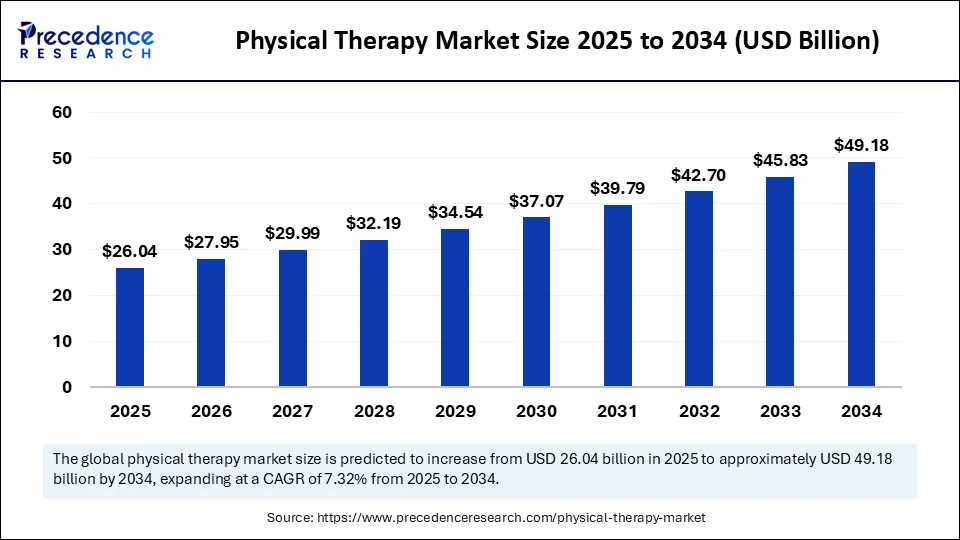
Sanford Health West Fargo is expanding their services to include physical therapy. This addition is crucial in aiding patients through their recovery process, helping them get back to their everyday lives and preventing future injuries.

Physical therapists use a combination of techniques based on the specific needs of each patient, focusing on pain management, improved mobility, strength recovery, and overall wellness. This goes beyond simple treatment, as they also provide education and guidance for patients to prevent future injuries and stay well.

The Sanford West Fargo facility will offer treatments including dizziness and imbalance treatment, dry needling, orthopedic care, pain management, postoperative services, stroke rehabilitation, and women’s healthcare services. Lymphedema therapy and LSVT BIG treatment for Parkinson’s disease will also be available.

Emerging as a response to the COVID-19 Crisis: Physical Rehab Services

The devastating impact of COVID-19 has disrupted physiotherapy and other rehabilitation services worldwide. A study conducted by the 2022 World Physiotherapy annual membership census aimed to understand the mitigation strategies developed to face such disruptions and the level of integration of physical therapy services into existing health emergency preparedness planning.

The data showed that 24% of physiotherapy member organizations did not adopt any listed mitigation strategies during the pandemic. Meanwhile, 64% of the respondents said that their physiotherapy services were not included in any health emergency preparedness plans.

Rehabilitation plays a significant role during health emergencies, such as the current COVID-19 crisis. It’s an essential health service that has a pivotal part in determining patient outcomes. However, these services are usually among the most disrupted during emergencies and often overlooked in response planning.

Even without the integration into emergency preparedness plans, various mitigation strategies were implemented during the COVID-19 pandemic. The most frequently employed strategy was tele-rehabilitation, replacing or supplementing in-person services. Other strategies included providing home-based care, promoting self-care interventions, redistributing roles among physiotherapists (task shifting), and extending facility hours.

The Need for Further Research, Awareness & Advocacy

Raising awareness and advocating for the inclusion of physiotherapy services in health emergency preparedness plans is necessary. It’s essential to increase the countries where physical therapy and other rehabilitation services are integrated into such planning.

Future research should also focus on mitigation strategies and preparedness measures in various contexts, not only in pandemics but in other emergencies as well. This would provide valuable insights into effective strategies and measures to be instituted in emergency preparedness plans.

Lastly, technical support from international organizations and national governments is crucial in advancing the integration of physiotherapy services into health emergency preparedness. This would ensure rehabilitation responses, preparedness measures, and mitigation strategies are comprehensive, well-coordinated, and accessible for everyone.

Article:

Physical Therapy Services Renewing Lives: An Insight into The Dana Cornell Darnell VA Clinic

Quality healthcare access is integral to the well-being of every individual, more so for veterans who have given their lives in service to the nation. Based in Columbia, South Carolina, Lance Corporal Dana Cornell Darnell VA Clinic addresses this need, offering state-of-the-art healthcare services, including physical and occupational therapy for veterans.

In addition to conventional services, the clinic partners with the Disabled American Veterans and county Veterans Affairs directors to provide veterans and their authorized caregivers accessible transportation. Veterans can make use of the DAV vans for their scheduled medical appointments. Schedule of these services varies individually, but the goal remains consistent, that of connecting veterans to an essential healthcare facility in the most convenient manner possible.

Beyond the DAV van service, various other transport modes are available to veterans in many localities across the region, ensuring a seamless journey for veterans towards their healthcare service destination. To add to the convenience, the VA Clinic is contemplating launching a shuttle service and local transportation services for easier accessibility.

The journey that starts from home and culminates in a successful medical center visit is a key aspect of their service. Beneficiary travel benefits include round-trip transportation from the veteran’s home to the medical center. These benefits also include mileage reimbursement or special mode transport, depending on the qualification criteria.

Physical and Occupational Therapy

At the Dana Cornell Darnell VA Clinic, physical and occupational therapy form a part of the critical therapeutic interventions. These therapeutic services are designed to help veterans regain their strength, mobility, and independent functionality lost due to injuries or health conditions.

Upcoming Infrastructure Changes

In a bid to enhance its operations and accommodate more patients, the clinic has some infrastructure changes planned for the near future. The main driveway outside the Yawkey, Menino, and Moakley buildings will undergo repaving soon. Weather permitting, driveway closures are scheduled for the weekends on Oct. 17-19 and Oct. 24-26.

During the reconstruction phase, patients and visitors will have pedestrian access to Moakley through an entrance on East Concord Street. As for vehicle access, traffic should leverage the designated drop-off and pick-up area on East Concord Street or the 710 Albany Street Garage.

Signage will be put into place to guide vehicles towards areas where metered parking has been blocked off in order to create a drop-off and pick-up zone. This phase of construction involves temporary changes to ease access for patients, visitors, and staff.

Amid these transformations, the VA clinic is committed to maintaining the continuity of its services. The upcoming enhancements will therefore not affect the level and quality of physical and occupational therapy offered to veterans.

An essential part of rehabilitation after injury, surgery or debilitating health conditions, physical and occupational therapy are designed to hasten recovery, improve autonomy and enhance the quality of life of the patients. With dedicated professionals at the helm, these services at the Dana Cornell Darnell VA Clinic ensure that the therapeutic interventions match the specific needs of the individuals.

The clinic is thus committed to providing care through its Veterans Affairs-directed therapy services, constantly aiming to enhance the mobility and daily life skills of its patients. It operates on the philosophy that each and every patient is entitled to personalized, comprehensive, and quality healthcare, which is the focus of their physical and occupational therapy services.

The VA Columbia South Carolina health care hub and its team of professionals strive to provide comprehensive, individualized care that enables veterans to lead healthier, more fulfilling lives.


Sources:

Physical Therapy News, Treatments and Services – October 12, 2025

Physical therapy services are integral to patients struggling with chronic diseases, serious injuries, or post-surgery care. One facility that is known for offering cutting-edge physical therapy treatments and rehabilitation programs is UT Health East Texas Rehabilitation Center.

This facility aims to help patients regain their mobility and function optimally through an array of acute care services. The 49-bed facility comprises of a team that utilizes advanced therapy techniques and hospitalization services for optimal recovery.

The center offers both inpatient and outpatient rehabilitation services. The inpatient program offers trauma care, diagnostic and laboratory services, hemodialysis services, limb loss rehabilitation, and wound care services. A large team of specialists from different fields like occupational therapy, pastrol care, physical therapy, and psychology is available to assist patients on their recovery journey.

For patients who have suffered a stroke, a specialized stroke rehabilitation program is available to help them recover their motor skills, speech, and cognitive functions. Additionally, their transitional living apartments bridge the gap between hospital care and independent living, providing a supportive environment for recovery.

The center also offers a variety of outpatient rehabilitative care options. These include aquatic therapy, balance and vestibular programs, lymphedema management, cardiopulmonary rehabilitation, and dry needling. Specialized therapy plans are available for patients with Parkinson’s disease, including a community wellness program tailored to their needs.

Patients with orthopedic disabilities, hand injuries, occupational injuries, neurological dysfunction, and arthritic conditions are offered orthotic therapy. Moreover, programs exist with the aim of helping patients regain function, mobility, and independence after limb loss, including personalized therapy plans, prosthetic training, pain management, and emotional support services.

The Physical Therapy wing of UT Health East Texas Rehabilitation Center utilizes durable medical equipment, home evaluations, and post-discharge support in their customized therapy plans. Their professional speech therapists also work with patients overcoming difficulties with communication, organization of thought, and swallowing issues.

The center is constantly upgrading its facilities for the convenience and comfort of its patients. Recently, there was a driveway repaving exercise that temporarily changed vehicular and pedestrian access. However, patients and visitors are well-informed and guided about the changes.

UT Health East Texas Rehabilitation Center’s constant push for improvements and advancements in their physical therapy services and treatments reflects their core mission to provide excellent medical care to their patients. Their carefully designed programs and treatments are designed to ensure that every patient receives personalized, effective, and quality healthcare services.

Physical therapy can make a significant difference in a patient’s life, improving their quality of life, independence, and overall health. Rehabilitation centers like UT Health East Texas are key in providing these services, and their vast range of therapies and treatments ensure that patients get the specialized care they need to recover and regain their independence. This holistic approach to patient care is crucial in ensuring an effective recovery process for each patient.

Their efforts not only aid in the physical recovery of patients but also in building emotional resilience to cope with the impacts of severe illnesses, injuries, or post-surgery conditions.

In conclusion, UT Health East Texas Rehabilitation Center demonstrates a deep commitment to helping their patients recover wholesomely through their extensive range of physical therapy services and treatments.

Whether a patient is in need of inpatient or outpatient services, this center has a robust system that can cater to their unique needs. By integrating modern rehabilitation techniques with compassionate care, they are truly spearheading advancements in physical therapy treatments.

Physical therapy services and treatments are rapidly evolving with advancements in technology and research, bringing forth innovative approaches to restoring function and enhancing mobility after injuries and illnesses. Today, these services are not only limited to adults but also extend to pediatrics, providing targeted and personalized care to young patients. Two prominent institutions leading the charge in this sphere are Mayo Clinic and the Hospital for Special Surgery (HSS), both offering a broad spectrum of therapeutic interventions and advanced rehabilitation programs.

At Mayo Clinic, the Physical Medicine and Rehabilitation (PM&R) program focuses on restoring function to individuals hampered by various medical conditions impacting the brain, spinal cord, nerves, and musculoskeletal system. The overall aim is to maximize the potential of each patient, allowing them to regain optimal functionality and quality of life in accordance with their specific needs.

In this vein, Mayo Clinic’s PM&R delivers a multidisciplinary approach to rehabilitation, bridging expertise across various specialties. Teams comprising physicians, therapists, and advanced care providers coordinate efforts to offer integrated solutions, whether in a hospital or clinical setting. Their services are encompassing, addressing all forms of traumatic or nontraumatic injuries and leveraging extensive experience in interpreting medical images and carrying out physical examinations of bones, joints, and muscles.

A strong point in Mayo Clinic’s PM&R program is the focus on advanced therapeutic expertise demonstrated in their comprehensive treatment options. These range from utilizing physical modalities such as custom orthotics and ultrasound to offering therapeutic exercise and manual therapy engineered to improve movement and expedite healing. This, complemented by patient education initiatives, ensures a holistic approach.

Another noteworthy area of expertise that the Mayo Clinic offers is Assistive and Restorative Technology services. They use state-of-the-art technology through their Assistive and Restorative Technology Laboratory (ART Lab) that offers advanced prosthetic options, functional electrical stimulation, and 3D computer technology and printing for braces. This lab is spearheading clinical research to continuously improve patient care, showcasing the crucial role of technology in physical rehabilitation.

Meanwhile, the HSS Pediatric Rehabilitation & Young Athlete Center is earning recognition as a leading pediatric outpatient rehabilitation resource in New York City. Offering specialized programs to address rehabilitation needs, enhance sports performance, and minimize injury risk in young patients, this center underlines the crucial role of tailored therapy interventions for children and adolescents.

The multidisciplinary team at HSS includes physical, occupational, and speech therapists who provide advanced training in neurodevelopmental, orthopedic and sports rehabilitation. The center is comprehensively equipped with two physical therapy gyms, an occupational therapy gym with a climbing wall and specific sensory equipment, and private speech therapy rooms.

Notably, HSS takes a kid-centric approach, crafting personalized, holistic, and engaging programs. Therapy services can be accessed through referrals from doctors, physician’s assistants, or nurse practitioners, ensuring all-inclusive care. They even boast a dedicated Equipment and Assistive Technology Clinic to support children requiring mobility equipment and augmentative communication tools.

In summary, Mayo Clinic and HSS offer inspiring models of contemporary physical therapy services and treatments. Their comprehensive, patient-centered, and multidisciplinary approach, coupled with the incorporation of cutting-edge technology, showcases the promising trajectory of physical rehabilitation. These institutions reassure patients of all ages that overcoming physical limitations and regaining functionality can be achieved through advanced therapy and unwavering dedication to patient care. Their model of care delivery sets a high standard for other institutions aspiring to provide exceptional physical therapy services. In this view, the future of physical rehabilitation is indeed bright, innovative, and enriched by technology.

North America

Europe

Asia-Pacific

Latin America

Middle East & Africa

Forecast Period 2025 to 2034

By market size and estimated growth, the global physical therapy market is set to experience significant growth. The current fascinating times offer excellent opportunities for the physical therapy markets to reach USD 49.18 billion by 2034, expanding at a 7.32% Compound Annual Growth Rate (CAGR) between 2025 and 2034, from an estimated USD 26.04 billion in 2025.

The market is currently propelled by various factors, such as an increasing aging population which ultimately leads to increased prevalence of chronic conditions like arthritis and stroke requiring physical therapy. In conjunction, an observable increase in health consciousness following Covid-19 has pushed individuals to seek preventive and therapeutic care.

Technological advances in the field of physical therapy such as the integration of artificial intelligence, virtual reality, and robotic systems have played a major role in growing the market size, by making treatment more dynamic, productive and engaging for patients. Additionally, there has been an increase in insurance coverage for physical therapy which has solidified the therapy’s position as an integral part of modern wellness strategies.

Looking at specific geographies, North America currently holds the dominant position in physical therapy market share with 40% in 2024. This attribute is due to establishments of healthcare infrastructure, heightened awareness regarding physical rehabilitation, and a high prevalence of chronic and lifestyle-related disorders. Asia-Pacific, however, is anticipated to expand at the highest CAGR in the coming years due to a surge in modern healthcare, increased disposable incomes, and growing awareness of rehabilitative care.

AI has successfully reshaping the landscape of physical therapy market by providing smarter, personalized rehabilitation strategies. With the help of AI-powered platforms, therapists can track patient progress in real-time, forecast recovery timelines and adjust therapy plans accurately. AI support an analytical approach by identifying trends, detect unusual early symptoms and enhance diagnostic accuracy.

On the segmental front, orthopedic physical therapy held the largest share in the market in 2024. This was due to high prevalence of musculoskeletal disorders, sports injuries and post-surgical rehabilitation needs. Neurological physical therapy segment, on the other hand, is expected to grow at the highest CAGR between 2025 and 2034. This could be attributed to a growing number of patients with stroke, Parkinson’s disease, spinal cord injuries, multiple sclerosis and traumatic brain injuries; these conditions require long-term continuous rehabilitation, making neurological physiotherapy increasingly important.

In the age group sector, adults held the leading position in the largest market share in 2024 due to increased prevalence of lifestyle-related musculoskeletal issues and increased participation in fitness and sports whereas, elderly segment is expected to grow at a fast pace in the coming years due to rising life expectancy and an increase in age-related conditions such as osteoporosis, arthritis, and neurodegenerative disorders.

Lastly, hospital segment dominated the market with the highest share in 2024 due to their comprehensive rehab infrastructure, skilled professionals, and access to multi-disciplinary care. However, outpatient clinics segment is expected to see a substantial rise due to cost-effective, flexible and accessible services for patients who prefer home-based or part-time care.

Leading companies in the market include AmeriCare Physical Therapy, Rehab Alternatives PLLC, PIVOT Physical Therapy, ProHealth Limited, BTL, DJO LLC, Performance Health, Athletico Physical Therapy, Geisinger Health, Select Medical Corporation, Knight Health Holdings, Concentra, Inc., EMS Physio Ltd., with U.S. Physical Therapy, Inc. and Isokinetics leading the US market.

In conclusion, with an increasing demand for rehabilitative services and rising integration of technologically advanced tools, the physical therapy market has a promising foreseeable future. However, despite these advances, there still exists barriers to affordable and accessible therapy in rural and low-income regions which will need to be addressed.

Physical Therapy’s response to the COVID-19 pandemic has revived discussions around the integration of physiotherapy services into national and subnational health emergency preparedness planning. According to a recent global survey conducted by World Physiotherapy in cooperation with the World Health Organization (WHO), rehabilitation services are often acknowledged as integral parts of robust health systems during emergencies, yet they frequently get disrupted and overlooked at such times.

Survey Results & Discussion

The World Physiotherapy annual membership census was taken by 116 out of 125 member organisations. The report revealed that 24% of the surveyed organisations did not adopt any of the listed mitigation strategies during the pandemic. Additionally, it surfaced that 64% of the member organisations reported a lack of inclusion of physiotherapy services in health emergency preparedness planning in their respective countries/territories.

The COVID-19 pandemic served as a global reminder of the significant role rehabilitative services can play in acute clinical care, post-acute follow up, and long-term rehabilitation for conditions such as Long COVID. The pandemic, however, led to severe disruptions to rehabilitation services, necessitating a greater focus on integrating rehabilitation into health emergency preparedness.

Methodology

The questions for the survey were developed in line with WHO recommendations and classified based on World Physiotherapy regions and country/territory income level classifications. The AMC questions were written in English and translated into French and Spanish, and responses were collected from different MOs across regions.

Results showed that measures for emergency preparedness varied among different regions and income levels. For instance, telerehabilitation was the most frequently reported mitigation strategy in high-income regions, while in Africa, home-based care was the primary mitigation strategy due to the region’s high percentage of low-income countries.

Further Advocacy and Recommendations

The study suggests an urgent need for escalated advocacy and awareness efforts on integrating rehabilitation services into national and subnational planning. The WHO initiated policy brief on Strengthening Rehabilitation in Health Emergency Preparedness, Readiness, Response and Resilience can serve as a robust advocacy tool for the same.

In addition, future annual membership censuses (AMC) should continue to include questions on mitigation strategies and preparedness measures for a more in-depth understanding of global physiotherapy practices.

Veterans transport service, such as the DAV vans in coordination with Disabled American Veterans and county Veterans Affairs directors, is a unique service aimed at providing transportation to veterans and authorized caregivers for their medical appointments.

Clinics like the Lance Corporal Dana Cornell Darnell VA Clinic in Columbia, South Carolina, also offer beneficiary travel benefits which include round-trip transportation from home to the medical center, and mileage reimbursement.

Conclusion

Physical therapy services have shown their crucial role in warding off the impacts of global health crises like the COVID-19 pandemic. While the global response to physiotherapy disruptions has highlighted innovative mitigation strategies, a significant gap remains in integrating these services into health emergency preparedness planning. International organizations, national governments, and relevant stakeholders need to amplify their support to address this gap effectively.


Sources:

Physical Therapy News, Treatments and Services – October 05, 2025

Physical Therapy and Rehabilitation Services Offered at UT Health East Texas Rehabilitation Center

The UT Health East Texas Rehabilitation Center is renowned for providing a broad range of rehabilitation services to patients seeking to regain mobility and function following serious illness, injury or surgery. With a state-of-the-art 49-bed rehabilitation facility, the center offers advanced therapy techniques and hospitalization services to assist patient recovery in a supportive environment.

Comprising a diverse suite of services such as occupational therapy, physical therapy, and hemodialysis treatment, the center also provides specialized programs like aquatics therapy, cardiopulmonary rehabilitation, and a Parkinson’s disease program, tailored to meet varying patient needs.

Inpatient Rehabilitation Treatments and Services

The center’s inpatient rehabilitation program features a broad spectrum of treatments and services:

The inpatient unit, conveniently located on the third and fourth floors of the UT Health East Texas Rehabilitation Center, provides a smooth transition from hospital care and independent living. The rehabilitation experts supervise the recovery process, ensuring patients continuously develop essential daily living skills.

Outpatient Rehabilitation Services

Outpatient rehabilitation services are designed to cater to patients in need of ongoing, but less intensive, treatment. From the unique balance and vestibular program helping manage vertigo symptoms to pain-reducing aquatic therapy, the outpatient facilities are comprehensive and effective.

Impressive Benefits of Physical Therapy

Physical therapy is known to bestow far-reaching benefits on patients across all ages and health situations. Even those diagnosed with cancer can significantly improve their strength, function, and independence with the help of physical therapy. Physical therapists can help address patients’ concerns related to weaknesses, balance issues, scar tissue, lymphedema, and range of motion difficulties.

Physical therapy services can be availed by patients of Fred Hutch if referred by a Fred Hutch physician, physician assistant, or nurse practitioner. Specialized physical therapists at the Fred Hutch clinic can attend to patients suffering secondary lymphedema.

Physical therapy is crucial for successful rehabilitation of patients. It not only enhances patients’ strength and ability but also aids in boosting their confidence and offering emotional support. The physical therapists at the UT Health East Texas Rehabilitation Center are acutely aware of their pivotal role in patients’ recovery journeys and are committed to offering compassionate, comprehensive care, setting the standard for excellence in physical therapy and rehabilitation services.

Be it warding off the debilitating symptoms of Parkinson’s disease, managing pain stemming from chronic conditions, or regaining mobility post-amputation, the UT Health East Texas Rehabilitation Center provides an all-encompassing, well-rounded suite of physical therapy services. Designed to cater to a range of different patient needs and health conditions, their services are holistically focused on patient recovery and reempowerment.

The overall goal is to transition patients from hospital care to independent living, ensuring patients never feel alienated and always understood. Whether through inpatient programs or outpatient services, the team at the UT Health East Texas Rehabilitation Center guides patients every step of the way towards regaining health and independence.

Physical Therapy Services and Treatments: A Focus on Restorative and Rehabilitative Care

1. Physical Therapy and Access Changes Amidst Construction
Construction activities around Yawkey, Menino, and Moakley buildings will result in significant driveway closures over certain weekends in September and October. Despite this inconvenience, patients and visitors can gain access through the East Concord Street entrance to Moakley. For those arriving by car, a designated drop-off and pick-up area is available on East Concord Street or at the 710 Albany Street Garage. Despite these temporary alterations, the institution’s mission to provide top-tier physical therapy services remains unchanged.

2. An Overview of Physical Medicine and Rehabilitation
At the core of physical therapy services is the overarching goal of restoring movement and function to individuals with limitations caused by disease or injury. Physicians focused in Physical Medicine and Rehabilitation (PM&R) specialize in diagnosing and managing medical conditions that impact the brain, spinal cord, nerves, and the musculoskeletal system. Emphasizing an individualized approach, these specialists design treatment and rehabilitation strategies that are tailored to meet each patient’s unique needs, abilities, and goals.

For the PM&R physicians and care teams, achieving restored functionality is the centerpiece of their therapeutic offerings. This may involve helping patients recover their optimal quality of life, retain muscle capabilities, retrain mental pathways, and generally maximize their overall potential.

3. Improving Movement and Aiding Recovery
Mayo Clinic PM&R providers treat patients suffering from both traumatic and nontraumatic injuries. The teams have considerable experience in scrutinizing medical images and conducting physical examinations of bones, joints, and muscles. They work closely with patients, involving them in the decision-making process for their health and helping them to devise an action plan.

4. The Mayo Clinic Approach
Several areas of Rehabilitation Services at Mayo Clinic are highly specialized. These encompass bone, muscle, and soft tissue therapies, gaming and esports medicine, adaptive athlete medicine, and pediatric rehabilitation, emphasizing an expertise that caters to patients of all ages.

Mayo Clinic PM&R specialists are ideally positioned to enhance a patient’s recovery process through their comprehensive short-term or long-term care programs. A team of physicians, therapists, advanced care providers, and nurses collaborate to ensure a complete and timely recovery for each patient.

5. Treatment Options and Restorative Technology
Mayo Clinic’s PM&R team might deploy physical modalities for the treatment, including custom orthotics and ultrasound, therapeutic exercise, manual therapy, and patient education to improve movement, facilitate healing, and increase patient understanding.

Mayo Clinic is dedicated to advancing the science of rehabilitation, evidenced by its cutting-edge Assistive and Restorative Technology Laboratory (ART Lab). Here, 3D computer technology and printing are used for creating hand/wrist braces in Minnesota and Florida, assisting patients with spinal cord injuries, and facilitating walking assessments. The lab also offers consultations for assistive technologies.

6. Comprehensive Care at Mayo Clinic
The PM&R team at Mayo Clinic provides both short-term and long-term outpatient care programs. Patients can access services on a walk-in basis or with a referral. The multidisciplinary teams at Mayo’s campuses in Arizona, Florida, and Rochester, Minnesota develop a collaborative approach to offer individualized care. Some of these services are also available at Mayo Clinic Health System locations in Minnesota, Wisconsin and Iowa.

PM&R at Mayo Clinic marry world-renowned expertise, advanced technology, and quality care together to ensure patients receive exceptional restorative and rehabilitative care. Clinical research and ongoing learning are at the heart of their approach, offering patients state-of-the-art treatments and the chance to participate in clinical trials that could further improve their treatment options.

Title: Expanding Access to Rehabilitation: Physical Therapy Treatments and Services

In the realm of rehabilitation and patient care, leading institutions across the country continue to expand their offerings of physical therapy services and treatments. Prominent among these institutions are the HSS Pediatric Rehabilitation & Young Athlete Center in New York City, and Sanford Health in West Fargo, now providing a myriad of treatment options and specialized services to an even wider scope of patients.

New York City’s HSS Pediatric Rehabilitation & Young Athlete Center stands at the forefront of outpatient pediatric rehabilitation. Its brand-new facility at Manhattan’s Upper East Side presents a dynamic and multidisciplinary team, specializing in neurodevelopmental, orthopedic, and sports rehabilitation, assembled to serve children and young adults. The center, uniquely designed to maximize patient comfort, features specialized areas for individual treatment and open movement spaces for comprehensive motor skill development.

To cater to different rehabilitation requirements, the center houses two physical therapy gyms designed for specialized and individual care. A sensory gym with age-specific equipment, a climbing wall, and a fine-motor hand therapy space serves the occupational therapy needs, alongside private speech therapy rooms equipped with SMART Board™ access to support language and communication therapy needs. Here, specialty trained speech-language pathologists address swallowing and feeding impairments.

Moreover, the center hosts a dedicated Equipment and Assistive Technology Clinic to provide necessary mobility equipment, assistive devices, and augmentative communication tools to children in need. This kid-centric approach considers collaboration with the child’s entire care team paramount, ensuring the best possible results.

Sanford Health, another key player in the field, has recently expanded its physical therapy services to West Fargo. Integral to Sanford’s rehabilitation process, physical therapy assists patients in swiftly returning to their daily activities by avoiding future injuries and promoting rapid recovery.

Patients benefit from one-on-one interaction with an experienced physical therapist to facilitate healing at their pace. The role of physical therapists extends beyond mere rehabilitation, encompassing the evaluation, treatment, and prevention of mobility issues and disorders. David Tompkins, the lead physical therapist at Sanford Health, reaffirmed their commitment to patients by expressing their enthusiasm about offering physical therapy services at the new location.

Sanford Health specializes in a large array of services and treatments, including dizziness and imbalance treatment, dry needling, LSVT BIG treatment for Parkinson’s, lymphedema therapy, orthopedic care, pain management, postoperative services, stroke rehabilitation, and women’s health care. Sanford West Fargo offers these essential services Monday through Friday, providing patients with access to quality healthcare on a schedule that suits their lifestyles.

In summary, the expansion of services by esteemed institutions like HSS Pediatric Rehabilitation & Young Athlete Center and Sanford Health underscores the growing role of physical therapy in health and wellness. These advancements not only highlight the critical role of physical therapists but also demonstrate how health facilities are investing resources into equipping these professionals with the latest technologies and methodologies for enhanced patient care. By diversifying their service offerings, these institutions are making strides in creating broader access to critical rehabilitation services, leading to greater patient outcomes.

Recent trends suggest the global physical therapy market is growing significantly. According to a recent study, the market is predicted to increase from approximately USD 26.04 billion in 2025 to an estimated USD 49.18 billion by 2034. This growth is largely ascribed to an advancing geriatric population, a rising awareness about musculoskeletal health, and an escalating demand for rehabilitation services post injuries or surgeries.

Technological innovations are redefining traditional rehabilitation methods. For instance, Artificial Intelligence (AI)-powered platforms are ensuring patient progress in real-time, predicting recovery timelines, and adjusting therapy plans accordingly. They use algorithms, motion sensors, and computer vision to monitor movements and provide instant feedback. Moreover, AI assists practitioners in analyzing wide sets of data to identify trends, provide early detection of anomalies, and improve diagnosis accuracy. As a result, treatment efficacy is optimized, the patient’s care access is expanded, and the rehabilitation model becomes more personalized and proactive.

Starting in 2025, the U.S. physical therapy market is predicted to grow at a CAGR of 7.52%, reaching around USD 15.24 billion by 2034. This projected growth is primarily attributed to a widespread awareness about physical rehabilitation, a well-established healthcare infrastructure, and notably, a high prevalence of chronic, lifestyle-related disorders. Furthermore, the market also benefited from a robust insurance coverage under Medicaid, Medicare, and private insurers, alongside high adoption of advanced rehabilitation technologies.

Meanwhile, the physical therapy market in Asia Pacific is projected to expand rapidly. The rising modernization of healthcare infrastructure, growing disposable incomes, and increasing awareness towards rehabilitative care are driving the market growth in the region. The rapid rise in chronic diseases necessitates post-operative care. The expansion of physiotherapy clinics and outpatient centers offering affordable therapies contributes further to the market’s growth.

In Europe, the market is experiencing significant growth due to the rise of an aging population and an increasing focus on alternative, non-pharmacological approaches to mobility management and pain. Countries like France, Germany, the UK, and the Nordic nations have been expanding public health campaigns and increasing funding for rehabilitative services, contributing to the market’s growth.

The physical therapy market is also supplemented by key market trends such as the integration of AI and machine learning, the rise of telehealth platforms, and the use of wearable technology in rehabilitation. These have transformed patient care, allowing for remote consultations, data-based recovery modeling, and continuous biomechanical and physiological data collection.

Despite the promising growth, there are challenges that the physical therapy market faces such as a shortage of skilled professionals, high cost of therapy, limited insurance coverage or reimbursement for physiotherapy services, and resistance to adopting digital health technologies. However, emerging markets, particularly in developing economies, offer new growth opportunities. The increase in disposable incomes, rising health awareness, and government initiatives to improve healthcare access are paving the way for varied, interactive, and personalized therapy experiences.

Leading companies in the physical therapy market include AmeriCare Physical Therapy, Rehab Alternatives PLLC, PIVOT Physical Therapy, ProHealth Limited, BTL, DJO LLC, Performance Health, Athletico Physical Therapy, Geisinger Health, Select Medical Corporation, Knight Health Holdings, LLC, Concentra, Inc., EMS Physio Ltd., U.S. Physical Therapy, Inc., and Isokinetics.

In related news, the repaving of the main driveway outside the Yawkey, Menino, and Moakley buildings is scheduled in the coming weeks. During the affected period, patients and visitors are guided to use the designated drop-off and pick-up area on East Concord Street or the 710 Albany Street Garage. More information about the campus redesign is available on the institution’s website.


Sources:

Physical Therapy News, Treatments and Services – September 28, 2025

Title: Enhancing Health with Physical Therapy Services and Treatments

Physical therapy has emerged as a key player in healthcare services, greatly benefiting patients across all ages and medical conditions. One field where physical therapy has been particularly significant is in cancer treatment and rehabilitation. A range of professional services are provided by physical therapists, prioritizing concerns related to weakness, balance, range of motion, scar tissue, lymphedema, and requiring rehabilitation equipment.

1. Importance of Physical Therapy in Cancer Treatment

Physical therapy enhances the quality of life for cancer patients, supporting their strength, function, and independence during and after their medical treatment. Many cancer patients struggle with issues related to fatigue, muscle atrophy, and loss of balance, which can significantly impede their daily life and recovery journey. Physical therapists offer targeted, individual interventions, addressing unique needs of each patient, eventually improving their overall physical well-being.

Physical therapists at regions such as Fred Hutch specialize in oncological rehabilitation, providing services to patients who are referred by a Fred Hutch physician, physician assistant or nurse practitioner. In particular, they assist patients with secondary lymphedema, a common postoperative condition in cancer patients where excess fluid accumulates in tissues, causing swelling, discomfort, and mobility related issues.

The physical therapy department at Fred Hutch is strategically located on the fourth floor of the South Lake Union clinic, providing easy access for patients to avail their rehabilitation services. These services thus become a vital part of a comprehensive healthcare regimen, augmenting the efficacy of frontline treatment procedures.

2. Access to Physical Therapy During Construction Activities

With constant developments in healthcare infrastructure, it is indispensable to ensure patient access to physical therapy facilities remains unhindered. This equates to having strategic plans during phases of construction and redevelopment.

One such instance can be seen at the Yawkey, Menino, and Moakley buildings where repaving the primary driveway is soon to commence. The reconstruction phase lasts from Friday at 8 p.m. through Sunday at 8 p.m. on the following set dates: Sept. 19-21, Sept. 26-28, Oct. 17-19, and Oct. 24-26.

During these times, a detailed plan ensures that patients and visitors retain their access to the vital therapy services. Patients and visitors can enter the Moakley building via the entrance on East Concord Street. Furthermore, vehicular traffic has been strategically redirected to use the specified drop-off and pick-up area on East Concord Street or the 710 Albany Street Garage. Signposts mark areas where metered parking has been temporarily blocked to create a drop-off or pick-up zone, ensuring smooth transitions for patients in need of physical therapy services.

Significantly, these preventive steps have been taken to ensure that patients’ schedules for physical therapy are not interrupted. It emphasizes the importance placed on allied healthcare services such as physical therapy, which are often integral to a patient’s recovery journey. Despite network enhancements and architectural renovations, the core focus remains to provide uninterrupted, high-quality healthcare to all patients.

In conclusion, physical therapy services and treatments play a pivotal role in today’s healthcare landscape. It not only contributes to a patient’s recovery but also actively enhances their quality of life during their treatment. It’s a testament to how comprehensive and patient-centered modern healthcare has become, acknowledging the value of specialized health services in shaping patient experiences and health outcomes. Through constant innovation and dedication, physical therapy continues to redefine recovery journeys, fostering a culture of health beyond illness.

Physical therapy revolves around the diagnosis, treatment, and prevention of a variety of medical conditions affecting the brain, spinal cord, nerves, musculoskeletal system, and much more. Therapists assist in restoring the movement and function of individuals impacted by disease or injury. This article explores the in-depth services and treatments offered by physical therapists across numerous clinics.

Mayo Clinic specialists in Physical Medicine and Rehabilitation (PM&R) are committed to aiding patients in regaining their optimum quality of life through specially formulated rehabilitation plans. These experts strive to assist patients in retaining muscle ability and re-learning mental pathways, leading to optimized capability within their individual needs.

The rehabilitation teams are experienced in managing medical images, providing physical examinations, and designing comprehensive health plans that patients feel comfortable with. They handle all causes of traumatic and non-traumatic injuries. The Mayo Clinic offers gaming and Esports Medicine and Adaptive athlete medicine, among other innovative treatment methods.

Treatment options extend to physical therapeutic modalities like custom orthotics and ultrasound therapy, therapeutic exercises, and manual therapy. To help patients make informed decisions about their health care, staff members offer educational opportunities for a better understanding of medical conditions and the rehabilitation processes.

The Mayo Clinic’s PM&R department is committed to advancing the science of rehabilitation. Their research includes the development of therapeutic and testing procedures using cutting-edge technology. Services offered include 3D computer technology for hand/wrist braces manufacture and provision of assistive technology for spinal cord injuries. There are advanced prosthetic options for amputee patients and assistive technology consultations addressing a variety of conditions.

Clinical trials form a substantial part of PM&R’s goal to offer excellent care to patients. Patients are encouraged to inquire about these trials they might qualify for. Mayo Clinic prides itself on providing world-renowned expertise, pioneering technology, and superior care.

In New York City’s Upper East Side, the HSS Pediatric Rehabilitation & Young Athlete Center is a leading pediatric outpatient rehabilitation facility for children and young adults. The Center boasts a dynamic team of physical therapists, occupational therapists, and speech therapists. HSS tailors programs for young athletes, integrating state-of-the-art technology and equipment to meet rehabilitation needs, boost sports performance, and lower injury risk.

The HSS has two physical therapy gyms built to deliver specialized individual care. The facilities include occupational therapy gyms with climbing walls and age-tailored sensory equipment, and speech therapy rooms equipped with SMART Board™ technology for patients with language and communication therapy needs. They also manage swallowing and feeding impairments. Additionally, they offer a dedicated Technology Clinic for kids needing mobility equipment, assistive devices, or augmentative communication tools.

HSS prioritizes a kid-centric approach – working closely with other specialists to ensure the best possible outcomes for their young patients. Their rehabilitation programs are personalized, holistic, and fun, ranging from consultation to intensive programs.

In conclusion, physical therapy services are pivotal to those grappling with varying physical conditions. It provides the stepping stone to rebuilding their lives and continually influencing research and innovations that drive this sector. Whether you’re an adult or a child, clinics such as Mayo Clinic and HSS Pediatric Rehabilitation & Young Athlete Center offer their expansive range of services to help you regain control of your life, restore function, and continually improve your overall quality of life.

The importance and demand for high-quality physical and occupational therapy services continue to rise as populations age, and various health issues become more prevalent. These services, along with geriatric physiotherapy, play a crucial role in enhancing mobility, function, and overall quality of life, particularly for the elderly. However, the availability and effectiveness of these services, particularly in some regions, require significant expansion.

The Yawkey, Menino, and Moakley buildings, known for their physical and occupational therapy services, have announced their driveway repaving schedule. This construction, while causing minor access change, reinforces the ongoing drive towards optimal convenience and accessibility for patients. This renewal of infrastructure will in no way hinder the quality of treatment and services being provided. Pedestrian access will remain open through the Moakley entrance on East Concord Street, while vehicular access will be diverted to the designated drop-off and pick-up area.

Meanwhile, in Tiruchi, India, the call for expanded and more effective geriatric physiotherapy services is becoming increasingly apparent. Geriatric physiotherapy, which supports elderly patients with age-related health concerns, is crucial for addressing India’s growing population of individuals over 60.

The Forum for Physiotherapy, Tiruchi chapter, highlighted the lack of specialized geriatric physiotherapy facilities in the city compared to larger cities like Chennai. The need for comprehensive care facilities providing tailored physiotherapy, dietary advice, and prevention of age-related disabilities is largely unmet.

With approximately 350 physiotherapists in Tiruchi Corporation and around 500 in the Tiruchi district, the potential for expanding these services is immense. However, concerns about untrained individuals masquerading as physiotherapists have been raised, with recommendations for patients to verify qualifications before enlisting services.

The role of geriatric physiotherapy goes beyond mere physical care. It extends to assessing medical history, addressing co-morbidities, and providing encouragement and motivation, particularly among patients suffering severe illnesses such as cancer.

Efforts to improve geriatric physiotherapy are already underway. HAMSA Rehab, a Chennai-based rehabilitation center, launched in Tiruchi in partnership with Kauvery Hospital, has initiated a free screening program for individuals over 60. The program, conducted by geriatric specialists, nurses, and physiotherapists, provides education on exercises and fall prevention, thereby expanding the scope of geriatric care.

In conclusion, the growing need for physical, occupational, and geriatric physiotherapies underscores the significance of these services in supporting an aging population. They are a vital lifeline that can improve the quality of life, rehabilitate from injuries or illnesses, and maintain the overall health and well-being of elderly individuals. While access to and quality of such services need enhancement, steps are being taken towards reaching more people and bringing necessary services to those who need them most.

Title: Physical Therapy Services and Treatments: A Comprehensive Overview

In today’s health-conscious society, the role of physical therapy in promoting wellbeing and improving physical functionality cannot be overstated. The West Haven VA Medical Centre, an entity under the VA Connecticut Health Care and the Veterans Affairs, provides a holistic approach to physical therapy, offering a myriad of services and treatment protocols. Armed with a team of expert professionals, the medical center is ever-adapting to deliver cutting-edge treatment procedures to serve veterans.

At the West Haven VA Medical Center, the primary focus lies in offering rehabilitation services to veterans and local communities. They employ non-DAV van services which are supported by several areas within the region. These services aim to facilitate easy transportation for veterans for a seamless treatment experience. Weekdays offer on-campus parking shuttles, excluding federal holidays, during regular business hours. A robust shuttle service between the Newington and West Haven campuses provides transportation during specific hours, ensuring patients can access services at either campus without hassle. Notably, the shuttle timings are devised considering peak treatment hours and thus enable the veteran community’s convenient access to medical services.

The DAV Vans (Disabled American Veterans) service plays an integral part in the center, providing special transportation facilities for veterans and their authorized caregivers. Available at variable individual van schedules and coordinated by dedicated individuals at both VA West Haven and VA Newington, ensuring veterans can reach their scheduled medical appointments is a priority. The transportation services consider factors such as weather and traffic conditions to keep their services prompt and efficient.

Their comprehensive shuttle services connect distant localities like Leeds, Springfield, Newington, and West Haven. This intricate transport system primarily serves the veterans intending to access physical therapy services across multiple campuses. The center’s travel department recommends veterans reserve their seats at least 48 hours in advance of their appointments, ensuring them seamless travel to their respective treatment locations.

The West Haven VA Medical Centre understands the various challenges veterans may undergo in accessing medical facilities. Hence, it offers a specialized beneficiary travel program that includes round-trip transportation from home to the medical center, mileage reimbursements, and exclusive mode transport systems. Beneficiaries requiring more information about the details can directly dovetail with their local Beneficiary Travel Department.

For veterans not eligible for the Beneficiary Travel program, the center provides other alternative arrangements. Their local Van Service or shuttles come in handy in such situations, ensuring continued access to medical appointments. The ultimate aim is to ensure that all veterans require physical therapy services, can seamlessly avail themselves regardless of their transport constraints.

In summary, the West Haven VA Medical Center, along with the VA Connecticut Health Care and Veterans Affairs, provides a comprehensive set of physical therapy services that meet veterans’ therapeutic needs. Beyond their remedial focus, they also ensure seamless access to these services through a far-reaching transport system, integrating van services, shuttles, and even specialized travel opportunities for beneficiaries. Such extensive support infrastructure greatly enhances the experience of availing physical therapy services, making it convenient and hassle-free for veterans. By doing so, they not only address the physical wellbeing of veterans but also contribute positively to their overall quality of life.


Sources:

Physical Therapy News, Treatments and Services – September 21, 2025

Title: Enhancing Rehabilitation Through Physical Therapy Services And Treatments

Introduction

Physical therapy plays a significant role in the healthcare sector, offering a non-invasive and drug-free approach to manage a range of conditions. Its benefits span across various age groups and health conditions, including cancer patients. Moreover, physical therapy promotes patients’ self-reliance and independence, creating an efficient recovery pathway.

The Benefits of Physical Therapy

Physical therapists work closely with patients to improve mobility, restore function, alleviate pain, and prevent or limit permanent physical disabilities. Specifically, for cancer patients, physical therapy is immensely beneficial. Strength, function, and independence can be improved during and after cancer treatment through tailored physical therapy programs.

Physical therapists first address concerns related to weakness and balance. By using specific therapeutic exercises, they help improve muscle strength and control, enhancing patients’ overall stability and coordination. Furthermore, they also tackle scar tissue formed after surgeries or injuries related to cancer. Scar tissue can cause discomfort and restrict movement, but targeted physical therapy can assist in its management and lead to greater flexibility and range of motion.

Another vital aspect that physical therapists work on is lymphedema or swelling caused by a blockage in the lymphatic system – an essential part of the immune and circulatory systems. Typically, lymphedema often occurs in cancer patients who have undergone radiation treatments or removal of some lymph nodes. Specialized physical therapists in oncology at institutions like Fred Hutch provide lymphedema management to these patients, which can significantly improvise their comfort level and quality of life.

To access these benefits at Fred Hutch, patients need a referral from a Fred Hutch affiliated physician, physician assistant, or nurse practitioner. Post-referral, patients can attend physical therapy appointments at the clinic, conveniently located at the South Lake Union clinic.

Physical Therapy Amidst External Factors

The efficiency of physical therapy services is maintained even amidst external changes that may affect patient accessibility. Upcoming repaving activities at the main driveway of the Yawkey, Menino, and Moakley buildings can serve as an example.

Despite the disturbance caused by construction during specific weekends in late September and October, key changes have been planned to ensure minimal interruption to therapeutic services.

Patients and visitors will retain access to Moakley through the entrance on East Concord Street. For vehicular access, a designated pick-up and drop-off zone has been set up on East Concord Street between Harrison and the Moakley side entrance. In addition, the 710 Albany Street Garage will be available for use. These modifications will help keep the flow of traffic smooth, ensuring patients can attend their physical therapy sessions without impediment.

Moreover, signages will be put in place to guide patients and visitors about the changes. This further proves the commitment of these institutions to making physical therapy services uninterruptedly available to those who need them.

Conclusion

Physical therapy plays a pivotal role in enhancing overall health, offering various benefits from improving strength to aiding in the management of secondary lymphedema in cancer patients. High-quality physical therapy services have the power to significantly enhance the quality of life. Hence, hospitals and clinics are committed to ensuring continuous patient access to these services, despite any external changes. The dedicated measures taken by institutions like Fred Hutch and the Moakley building showcase their resolve to prioritize patient health and recovery above all else.

Physical Medicine and Rehabilitation (PM&R) services offered by Mayo Clinic specialists aim to restore movement and function in individuals limited by disease or injury. PM&R physicians diagnose and treat an array of medical conditions affecting the brain, spinal cord, nerves, and the musculoskeletal system, providing treatments that reflect the patient’s unique needs and objectives.

Restoring function is at the forefront of their program. By retraining mental pathways and focusing on retaining as much muscle ability as possible, they aim to enhance patients’ quality of life.

Mayo Clinic’s rehabilitation teams treat traumatic or nontraumatic injuries. By working directly with a PM&R provider, patients are actively involved in their treatment plan, tailored to their specific health needs. The clinic’s experts are experienced in analyzing medical images, conducting physical examinations of bones, joints, and muscles, and providing the necessary help to develop a plan the patient is comfortable with.

Key strengths of the Mayo Clinic include therapies dedicated to bone, muscle, and soft tissue health, Gaming and Esports Medicine, Adaptive athlete medicine, and specialized Pediatric Rehabilitation. The aim is to enhance the quality of life after injury and illness, and this is pursued through specialist-equipped recovery programs – both short-term and long-term across the Mayo Clinic campuses.

The clinic’s team consists of expert physicians, therapists, advanced care providers, and nurses who deliver advanced therapeutic expertise. Ongoing advancements through continuous research, teamwork, and continuing education support a daily routine that helps to provide state-of-the-art treatments and non-surgical options for a wide range of functional limitations.

Treatments options may include physical modalities such as custom orthotics, ultrasound, therapeutic exercise, manual therapy, as well as patient education opportunities.

Mayo Clinic PM&R is dedicated to advancing the science of rehabilitation through research. The use of state-of-the-art technology in the Assistive and Restorative Technology Laboratory (ART Lab) enables advancements in rehab treatments, which includes 3D computer technology and printing for hand or wrist braces, assistive technology for spinal cord injuries, walking assessments in Motion Analysis Laboratory, assistive technology consultations for a variety of conditions, and advanced prosthetic options for amputated patients.

On the other end of the spectrum, the Hospital for Special Surgery (HSS) Pediatric Rehabilitation and Young Athlete Center in New York City offers pediatric outpatient rehabilitation services for children and young adults. They host a dynamic, multidisciplinary team of physical therapists, occupational therapists, and speech therapists with advanced training in neurodevelopmental, orthopedic, and sports rehabilitation.

For youths engaged in sports, tailored programs that bring together clinical expertise and innovative technology are offered to meet rehabilitation needs, enhance sports performance, and minimize injury risk. For infants and toddlers requiring developmental services, dedicated areas are available for improving motor skills, functional abilities, balance, and coordination.

The center is designed with the patients’ and families’ comfort in mind, featuring private areas for individual treatment as well as expansive spaces for open movement. The facilities include two physical therapy gyms, an occupational therapy gym featuring a climbing wall, age-specific sensory equipment, and a fine-motor hand therapy space, along with private speech therapy rooms with SMART Board™ access to cater to language and communication therapy needs.

Further, the kid-centric approach ensures that programs are personalized, holistic, and engaging which enhances better outcomes. The rehabilitation program involves consultation and communication with all members of the child’s care team, from pediatricians, physiatrists, orthopedic surgeons to neurologists.

In conclusion, the Mayo Clinic and HSS Pediatric Rehabilitation and Young Athlete Center offer a wide variety of physical therapy services and treatments. They cover a wide patient demographic and ensure every individual has a personalized, well-rounded treatment and rehabilitation plan. Even with one of the world’s most efficient medical systems, the facilities ensure their commitment to patient health by continually improving and expanding their technologies and treatment programs.

Title: “Updating Physical Therapy Services and Treatments with Added Transport Amenities”

The physical and occupational therapy sector has entered a new chapter, rising to meet the needs of the times. In recent weeks, several establishments have taken significant steps to improve their facilities and services in an effort to enhance patient experience and offer accessible treatment. These include upgrades to infrastructure, the introduction of new transportation services, and an expansion of beneficiary offerings, ensuring patients can conveniently access critical therapy sessions.

One of the leading therapy facilities, Yawkey, Menino, and Moakley buildings, are investing in infrastructure upgrades. The main driveway serving these establishments will witness repaving operations to enhance the convenience of accessing the premises. The renovation program began in September and is scheduled for specific weekends, intending minimal disruption to regular activities. While this redevelopment is underway, patients and visitors can access Moakley through the East Concord Street entrance. Meanwhile, designated drop-off and pick-up zones are now available on East Concord Street and the 710 Albany Street Garage to facilitate vehicular traffic.

The West Haven VA Medical Center, part of the VA Connecticut Healthcare and Veterans Affairs, is also making significant progress in patient services. The Center has broadened the availability of van services for Veterans, offering them more travel options. These shuttles operate on weekdays during business hours and can transport patients from the Newington campus to the West Haven campus and vice versa. Collaborating with Disabled American Veterans and other providers, the center develops individual van schedules to meet patients’ needs.

Additionally, the West Haven VA Medical Center coordinates a shuttle service running from Leeds to West Haven via Springfield and Newington. The service, designed to accommodate patients living further away from the center, is slated to provide increased patient access to West Haven’s critical medical facilities. Veterans and other service users are advised to make reservation calls at least 48 hours before their appointments to secure transportation to the therapy centers.

Notably, the VA Medical Center also offers the Beneficiary Travel program, specifically for round-trip transportation from home to the medical center. This bonus program also entails mileage reimbursement or special mode transportation. To ensure that no one is left out, those ineligible for Beneficiary Travel can still access shuttle services or the local van service.

In addition to upgrading infrastructure and expanding transport amenities, these therapy establishments are improving their broader service offerings. They are employing the latest technology and techniques in their rehabilitative treatment services. The holistic treatment approaches aim to provide long-term solutions to patients’ physical and occupational ailments by accurately identifying problem areas and structuring individualized treatment plans.

In conclusion, physical and occupational therapy services are rapidly adapting to meet patient needs with absolute convenience and effectiveness. By enhancing their facilities and establishing reliable transportation services, they are ensuring medically necessary therapy treatments are available to everyone who needs them, irrespective of their location. Such innovative strides are a testament to the dedication of therapy service providers to offer the best and most convenient care possible. These services are invaluable resources for patients and a vital part of the healthcare sector’s evolution to superior patient-centric care.


Sources:

Call Now Button