
the complete resource for free on APTA’s official website.
Physical therapy can significantly improve the wellbeing of athletes and the general populace alike by preventing injuries, enhancing performance, and optimizing the quality of life. Direct Access allows patients to contact a physical therapist directly without the need for a medical referral which makes services more convenient and cost-effective.
3. Physical Therapy and Assistive Technology come together for treating patients with Disabilities
Physical therapists and Assistive Technology (AT) experts are joining hands to provide breakthrough treatments for patients with disabilities, as reported by the American Physical Therapy Association. AT—devices or systems created to support individuals with disabilities perform tasks that might otherwise be challenging or impossible—has been increasingly utilized in conjunction with physical therapy techniques to improve the mobility, autonomy, and quality of life of patients.
Devices like wheelchairs, orthotic devices, communication aids, customized seating systems, etc., are frequently used to overcome a range of movement limitations. AT is not just hardware. Software solutions like voice-recognition and screen-reading technologies, tablet apps for communication, caregiving, and schedule management, form the broad sweep of AT solutions.
Physical therapists play a crucial role in the selection, customization, and implementation of AT strategies. They assess the physical capabilities and needs of the patient, advise on suitable technologies, and customize the device or system to suit the patient. PTs also provide training in the use of the chosen AT method to patients, as well as to families and caregivers.
The integration of physical therapy and AT is a transformative approach that could lead to enhanced mobility and independence for millions of people with disabilities. It is a pathway that recognizes the potential of technology to overcome limitations and open up new opportunities for patients.
4. The Impact of Technology on the Future of Physical Therapy
The increasing uptake of technology in physical therapy, ranging from telehealth to virtual reality (VR) and artificial intelligence, is transforming the way care is being provided.
Telehealth has emerged as a critical service providing remote patient evaluation, intervention, and consultation. It has proven effective for patients who live in remote areas or who are unable to leave their homes because of health or mobility issues. Telehealth allows physical therapists to provide services in real-time using video conferencing, augmenting the flexibility and reach of care.
The use of wearable technology, such as fitness trackers, smartwatches, and heart rate monitors, is not only beneficial in the physical therapy field but the healthcare field as a whole. The real-time data provided by these devices can help physical therapists to track and monitor the patient’s progress, enabling personalized treatment.
Virtual Reality (VR) is another promising technology demand in physical therapy. Whether it’s chronic pain management or post-stroke rehabilitation, the immersive experience of VR can facilitate and motivate patients to engage in their therapeutic exercises, making it more engaging and effective.
The sector is seeing a significant increase in AI-powered rehabilitation devices and machines. Robotics and AI allow for precision and repetition that can complement physical therapists’ expertise in manual physical therapy while allowing therapists to focus on other aspects of treatment and assessments.
The ongoing developments in technology are expanding the potentials of physical therapy. The adoption of these technologies enhances the therapy process’s convenience and effectiveness while also providing patients with more sophisticated treatments to improve their health and quality of life.
The future of physical therapy looks promising with early and constant engagement in technology innovations and advancements happening in the field. The goal remains to provide the best care possible for patients by using innovative technologies, specializing training, and staying ahead in the field of physical therapy.
Physical therapy services and treatments play a substantial role in ensuring patient recovery and rehabilitation after injuries or diseases, improving their quality of life. A recent legal case and a health center’s expansion highlights the complexities and evolving landscape of this essential health sector. The field is grappling with legal challenges related to Medicare’s policy to private-pay physical therapy and is simultaneously expanding in locations in response to the need for its services.
Dr. Sean Wells, a physical doctor in Northern Florida, along with the United Physical Therapy Association (UPTA), initiated a federal lawsuit challenging the arbitrary exclusion of physical therapists from Medicare’s private-pay policies. Despite the essential services physical therapists provide, they are noticeably absent from Medicare Act’s opt-out permission list. This unjust exclusion results in harm to patients, especially older people who rely on out-of-pocket payments rather than going through the red bureaucratic tape of private insurance.
Dr. Wells’ cash-based practice runs in contradiction to Medicare’s stipulations and thus inhibits his ability to offer services to those on Medicare. The lawsuit comments on the absurdity of allowing physical therapists to provide services deemed unnecessary by Medicare but abruptly halting services urgently needed following situations like a stroke.
The controversy lies in the Medicare Act’s definition of “physician” or “practitioner,” which physical therapists apparently do not fulfill. This technicality has led to an unfortunate fallout, especially among elderly patients ageing into Medicare who are directed to crowded practices.
In response to this system that apparently devalues physical therapy, Dr. Scott Gardner established UPTA in 2024. Represented by Pacific Legal Foundation, UPTA and Dr. Wells are waging a legal battle against Medicare’s unjust prohibition of private-pay physical therapy. They intend to protect their rights to function within their chosen profession and promote access to services based on the patients’ needs rather than the systems’ rigid constraints.
While the legal system grapples with these restrictions, other health centers are expanding their physical therapy services. Sanford Health in West Fargo, a clear testament to the increasing demand and recognition of physical therapy services, now offers a range of specialized physical therapy services. Services span from treatment for dizziness and imbalance, dry needling, LSVT BIG treatment for Parkinson’s, lymphedema therapy, orthopedic care, pain management, postoperative services, stroke rehabilitation, and women’s health care.
Sanford West Fargo’s decision to invest in expansive physical therapy services offers community members accessible and specialized services, acknowledging the crucial role of physical therapy in patient recovery. Therefore, while the battle against policy constraints continues, efforts to increase access to physical therapy services mark a step towards an inclusive and accessible healthcare sector.
In conclusion, acknowledging and addressing the barriers faced by physical therapists and patients due to arbitrary rules is essential to make healthcare more patient-centric. The expansion of physical therapy services across various locations reiterates the necessity of these services in enhancing patient recovery. It unearths the urgent need to address the legal challenges these services face in certain scenarios to ensure a better healthcare environment for all stakeholders involved.
Physical therapy services have seen recent developments and are gaining recognition in the US healthcare system. Utah State University (USU) and the Veterans Health Administration are among the forefront institutions promoting the benefits and advancements in physical therapy.
The Sorenson Legacy Foundation Center for Clinical Excellence at USU has introduced a specialized physical therapy clinic which includes a Hydroworx pool for aquatic therapy. The new clinic has been open to the public since April. The physical therapy services offered include manual therapy, therapeutic exercise, and aquatic therapy.
Manual therapy involves the McKenzie method of mechanical diagnosis along with muscle energy techniques, soft tissue, and joint mobilizations. Additionally, patients have the opportunity to receive training to improve balance and strength and become more knowledgeable about their condition.
The Hydroworx pool is a particularly unique feature of the center, allowing patients who have limited ability to support themselves to experience the benefits of aquatic therapy in a safe environment. Physical therapist, Megan Bressel, explained that the pool utilizes buoyancy, hydrostatic pressure, and drag forces to enhance the healing process. The pool is equipped with a raising floor, jets for resistance training, and a variable-speed underwater treadmill.
In the context of National Physical Therapy Month, a separate report discusses the role of physical therapy within the Veterans Health Administration, the largest integrated health care network in the United States. It employs 3650 Physical Therapists and Physical Therapist Assistants nationwide, servicing 9 million enrolled Veterans each year.
Physical therapy practitioners help manage a wide range of health issues, including amputations, arthritis, back pain, Fractures, joint replacement, pelvic floor disorders, spinal cord injury, sports injuries, and stroke. Therapists conduct a thorough evaluation of the patient’s pain levels and abilities, develop a personalized treatment plan, and document the progress over time.
Research by the American Physical Therapy Association (APTA) reveals that inadequate physical activity leads to an additional $117 billion in health care costs in the U.S. They further published an analysis of eight conditions demonstrating the net benefit of PT services per episode of care.
Veteran therapist, Kaitlin Ezinga, highlights that physical therapy is not merely exercise training. It is a comprehensive service aimed at recovery over a customizable timeline based on the specific goals of the individual. The Veterans Health Administration currently has a team of 25 professional therapists who work in conjunction with the physical therapy assistants. They provide services in primary care PT, amputee care, exercise for older adults, aquatic therapy, and women’s health, among other areas.
As physical therapy services continue to revolutionize with integrative ideas and innovative tools, therapists hope to make a significant difference in patients’ quality of life through improved health and physical functionality. These services have shown promising results in treating a variety of health conditions, highlighting the important role they play in the healthcare industry.
Physical Therapy Services and Treatments: The Value of Virtual Therapies and Mission-Critical Roles
Joint disorders and lower back pain are among the most common reasons for doctor visits in the United States. With the demand for physical therapists exceeding supply, telehealth is emerging as an effective solution to bridge this gap. In fact, the advent of various remote rehabilitation or telerehab options is transforming the physical therapy landscape.
Telerehab options range from high-tech, interactive systems and video-chat sessions with physical therapists to app-based programs. Carmen Cooper-Oguz, who serves on the American Physical Therapy Association’s board of directors, underscores that telerehab, in combination with improved direct access (sans any provider referral), would significantly lower barriers to care in rural regions.
Virtual Physical Therapy: A Game-Changer
Among the most notable applications of virtual physical therapy is VERA, the Virtual Exercise Rehabilitation Assistant, an interactive in-home device guiding patients through exercises and recording them in 3-D video as they proceed. Hospitals, medical practices, or clinics own or lease VERA and temporarily place it in patients’ homes, which allows a lower monthly expense as opposed to a per-visit charge.
Research led by Janet Prvu Bettger, an associate professor of orthopedic surgery at Duke University, shows that VERA was equally effective as in-person therapy in reducing pain and enabling patients to perform basic tasks post-surgery. The study also suggested an average cost savings of $2,745 per patient receiving virtual therapy.
Another notable telerehab solution is Kaia, a back-pain recovery app that combines guided exercise videos, patient education, and mindfulness. Studies led by Thomas Tölle at the Technical University of Munich show the app’s promising role in reducing pain and preventing acute back pain’s transition to a chronic condition.
Physical Therapists’ Role in Military Environment
Within military settings, maintaining the physical fitness and fighting capability of service members is vital. The two-man physical therapy element at the 386th Air Expeditionary Wing helps injury-affected personnel return to duty as quickly as possible.
Their contributions extend beyond quick injury recovery, adding that physical therapy can also significantly decrease the severity of injuries and prevent minor injuries from becoming major health issues. In the absence of physical therapy, injuries left unresolved could snowball into significant health problems over time.
The physical therapy clinic at the 386th AEW, established in January 2016, offers a range of services, including musculoskeletal evaluation and treatment, postural awareness, pain management, and rehabilitative exercises. The services also extend to preventative care classes and information on accurate exercise execution techniques.
Final Thoughts
The deployment of telerehabilitation for pain management and the critical services provided by physical therapists for military members reaffirm the value of physical therapy services and treatments. With innovative solutions like VERA and Kaia, the cost-effectiveness and accessibility of virtual physical therapy bode well for addressing gaps in care. As pain management continues to evolve, the role of physical therapy is set to grow, throwing light on preventive measures to maintain optimal health among various patient categories.
Title: Rising in Physical Therapy Services and Treatments
Physical therapy treatments and services are evolving in significant ways to provide necessary assistance to patients engaged in various injury or disease-caused recovery. Recent events have highlighted two critical aspects of the field: the expansion of physical therapy practices in towns across the country and the integration of such services into patients’ treatment regimes to alleviate their symptoms, conditions, or deficits.
Cranford, a town located in Union County, has recently welcomed the eighth physical therapy location of JAG Physical Therapy, a practice with more than 165 physical and occupational therapy arenas spread across the country. JAG specializes in treating general orthopedic, sports, and soft tissue injuries, creating personalized treatment plans for each patient. The new facility offers comprehensive physical therapy treatment, concussion rehabilitation, sports medicine, and an at-home program. Patients do not require initial doctor referral for treatment initiation and can engage with a therapist for up to 30 days before needing a referral to continue services. JAG PT Clinical Services executive director, Matt Cirelli, noted that the essence of small businesses, such as JAG, lies in community service and support.
The transformative journey of physical therapy services offers a different perspective when looking at active cancer therapy. Recent literature revealed an increase in the incidence rate of childhood cancers over the last decade, and while improvement in treatment resulted in more survival rates, it has also shed light on the survivors’ limitations – decreased strength, flexibility, and cardiorespiratory endurance. An integrated mobility program, aptly titled “Let’s Get Moving!”, has been developed by the Cleveland Clinic to remedy these limitations. The program, established in 2021, was designed to identify, intervene, educate, and prevent deconditioning in cancer patients early on in their cancer journey.
Childhood cancer patients can face numerous physical setbacks, including increased fatigue, pain, emotional stress, and lack of motivation. Cancer therapies can also lead to bone, nerve, and muscle damage. The mobility program aims to mitigate these effects by integrating physical therapy sessions into the patients’ usual medical care appointments. Physical therapists perform periodic assessments, regular rehabilitative exercises, and necessary modifications to patients’ exercise and recovery regimes, both at home and in rehabilitation centers. Since its launch, the “Let’s Get Moving!” program demonstrated improved activity levels and increased participation in physical therapy sessions among patients, emphasizing the efficacy and feasibility of such an integrated approach.
Through these developments in the field of physical therapy, significant progress is being made. JAG Physical Therapy’s expansion into Cranford indicates the rising demand and importance of accessible physical therapy services in an increasingly active and health-conscious society. On the other hand, the integration of and emphasis on rehabilitation and mobility programs in treatment regimes, as evidenced by the Cleveland Clinic’s “Let’s Get Moving!” initiative, highlight the importance of physical therapy in improving patient outcomes during and after aggressive medical treatments. These happenings in the field underscore an expanding and bright future for physical therapy services and treatments.
Sources: MyCentralJersey.com; Cleveland Clinic.
Sources:
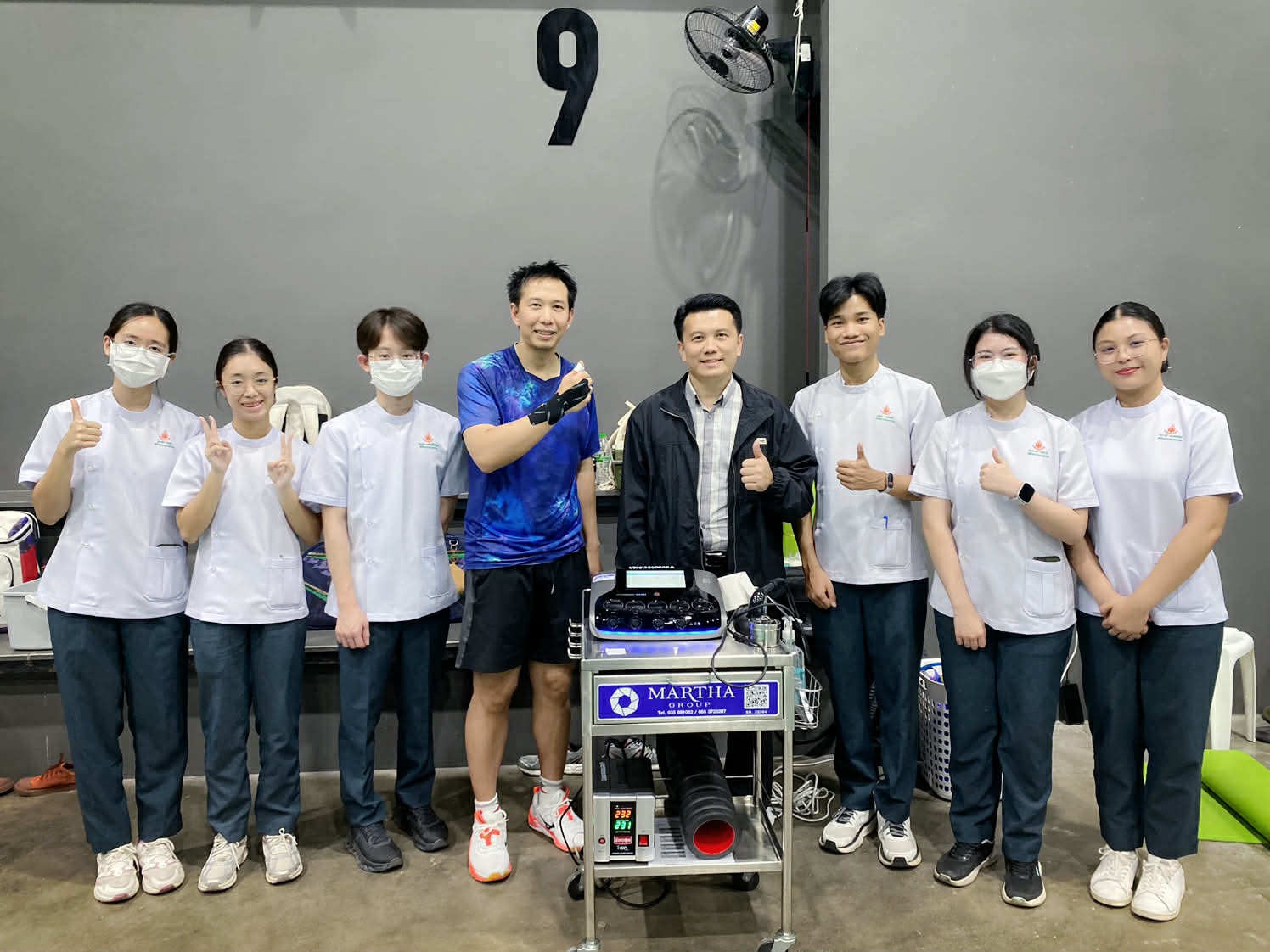 KKU Physical Therapy Elevates Sports Services, Launches Sport PT Mobile Clinic
 State of Direct Access to Physical Therapist Services: A Report from the American Physical Therapy Association
 Physical Therapy Services Now Available at Sanford West Fargo
 National Physical Therapy Month: A Quality of Life Healthcare Service | VA Battle Creek health care | Veterans Affairs
 Virtual Physical Therapy Could Help Fill Gaps in Treating All Too Real Pain
 New physical therapy practice opens in Cranford
- Integrating Rehabilitation Mobility Therapy Services During Active Cancer Therapy