Physical Therapy News, Treatments and Services – April 19, 2026

the full report and state summaries from the APTA website today.

3. How Physical Therapy Can Help After a Workplace Injury

Workplace injuries are a common issue that can range from minor mishaps to severe accidents that could potentially lead to disability. In such cases, Physical Therapy, often abbreviated as PT, can play a significant role in the recovery after a workplace injury.

PT not only helps with recovery post-injury but also assists in preventing the recurrence of an injury. It is also targeted at reducing the pain associated with the injury, restoring mobility and improving overall functional abilities to return to work.

Physical therapists evaluate the injury and create a customized treatment plan. Therapies can include various methods like massage, joint mobilization, manual therapy, electrotherapy, and some strengthening and flexibility exercises to deal with the specific injury and pain.

4. Physical Therapy for Breast Cancer Patients

Breast cancer treatments such as surgeries, chemotherapies, and radiation can cause side effects like fatigue, pain, lymphedema (swelling of the arms or legs), difficulty in movement, or other physical discomfort. In such cases, a Physical Therapist can help alleviate the symptoms.

Physical therapists are skilled at providing a tailored therapy plan not only to deal with the immediate side effects of treatment but also help prevent long-term physical problems through exercises, soft tissue mobilization, and lymphatic draining techniques after breast cancer surgery.

5. Physical Therapy Services During a Pandemic

The COVID-19 pandemic has affected every aspect of society, and Physical Therapy services are no exception. However, as the demand for care continues, providers are implementing innovative ways to ensure patients still have access to these important services.

One significant shift has been the implementation and broader acceptance of Telehealth – offering remote PT services over the internet. Telehealth can, in no way, replace in-person care but offers a feasible option for regular follow-up sessions or maintenance therapy, especially during a pandemic when people are required to stay home.

Furthermore, Physical Therapy providers have implemented stringent safety protocols during in-person sessions, maintaining social distancing, ensuring rigorous cleaning, and sanitation practices, and requiring masks to be worn at all times.

In conclusion, Physical Therapy services are playing an essential role in helping injured service members return to duty, providing relief after workplace injuries, assisting in recovery and dealing with the side-effects in cancer patients, and ensuring continued care in a pandemic-affected world. The high level of customization, direct patient access, and targeted therapies are seeing a greater acceptance and demand for these services. As we move further into the 21st century, improved access, and new modes of delivering care, like Telehealth, will continue to shape the physical therapy landscape.

Dr. Sean Wells has dedicated over ten years of his life to providing mobile, at-home physical therapy services for elderly and disabled patients in Northern Florida. Despite his valuable contribution, he is legally forbidden from treating some of his most vulnerable patients due to their Medicare coverage. This conflict forms the core of a federal lawsuit that Wells and the United Physical Therapy Association (UPTA) are undertaking, challenging Medicare’s arbitrary exclusion in private-pay rules.

Wells set up his practice in 2011 as a cash-based physical therapy business, bypassing the complications of private insurance and Medicare. This direct-to-patient model allows for more flexibility in terms of treatment types and benefits for patients desiring more control over their care expenditures. However, Wells encounters a roadblock with Medicare enrollees, who are excluded from receiving privately paid physical therapy, despite these services being available from many other licensed health service providers.

This exclusion is not founded on any concerns regarding safety or qualifications; rather, it seems to be a bureaucratic technicality. The consequences include potentially devastating fines and professional bans for therapists treating Medicare patients out-of-pocket. This regulation threatens patients’ access to essential care, especially when it is most urgently needed, such as following a stroke.

Medicare’s stringent rules result in physical therapists either fitting into its restrictive system or exiting the field entirely. Consequently, many patients are left in a lurch, losing access to their trusted providers as they age into Medicare coverage. The situation is notably dire in the rural regions where alternatives are limited or non-existent.

Attempting to address this irrational and damaging policy, Dr. Scott Gardner founded UPTA in 2024. The organization’s goal is to cultivate a healthier environment for physical therapy providers and their patients, including expanding access to cash-based services for Medicare beneficiaries.

Presently, Wells and UPTA, backed by pro-bono representation from the Pacific Legal Foundation, are challenging Medicare’s discriminatory embargo on private-pay physical therapy in a federal lawsuit.

Shifting focus to Utah, Utah State University (USU) has introduced physical therapy services at the Sorenson Legacy Foundation Center for Clinical Excellence. This facility, located on the Logan campus, operates in the Emma Eccles Jones College of Education and Human Services. Northern Utah residents requiring physical therapy are encouraged to avail themselves of these new services.

The services offered include manual therapy, therapeutic exercise, and aquatic therapy, integrated with the McKenzie method of mechanical diagnosis and treatment and muscle energy techniques. One notable highlight of the clinic is its specialized Hydroworx pool, previously used only for research, which now provides aquatic physical therapy.

The pool offers unique benefits, such as allowing patients with balance issues to exercise without fear of falling and injury. Furthermore, the water’s buoyancy can reduce weight loading on the body, promoting easier movement and faster recovery. The pool also features resistance training jets and a variable-speed underwater treadmill.

With thirty years of experience, the appointed physical therapist, Megan Bressel, feels that the pool facilitates enhanced rehab methodologies using buoyancy, hydrostatic pressure, and drag forces. An eligible patient may schedule physical therapy appointments at the Sorenson Center by visiting their webpage. The center accepts most insurances for physical therapy services and offers other services on a modest sliding scale fee or gaming insurance, depending on the service line.

Both these narratives reflect the dynamic landscape of physical therapy services in America, shining a light on the challenges faced by healthcare providers and their determination to expand access to quality care. The stories underline the importance of evolution and resilience within the healthcare industry, particularly in a field as essential as physical therapy.

Shaping the Landscape of Physical Therapy: Exemplary Services and Treatments

Providing quality and comprehensive physical therapy services is critically important in addressing various mobility disorders and helping individuals return to normal life. In recent news, two health facilities, Sanford Health West Fargo and JAG Physical Therapy, have taken notable steps in offering physical therapy services, making significant contributions to their respective communities.

Sanford Health West Fargo recently expanded its services to include physical therapy, now available to its patients. Physical therapy, an integral part of rehabilitation, aims to support patients’ journey towards normal routines and prevent future injuries. Through one-on-one sessions, a skilled physical therapist at Sanford assists patients to heal at their own pace, evaluate, treat, and prevent mobility disorders, and guide them to safely regain mobility.

David Tompkins, Sanford Health’s lead physical therapist, recognizes the role of physical therapy in patient recovery. By opening the new location, he believes they are extending their services and providing care closer to home.

Sanford’s physical therapists specialize in various services and treatments. These include managing dizziness and imbalance, dry needling, LSVT BIG treatment for Parkinson’s, lymphedema therapy, orthopedic care, pain management, postoperative services, stroke rehabilitation, and women’s health care. Sanford West Fargo offers physical therapy from Monday to Friday, between 7 a.m. to 5 p.m.

Meanwhile, the city of Cranford has gained a new health facility, JAG Physical Therapy. Operating in more than 165 locations, JAG Physical Therapy recently opened its eighth location in Union County. The company specializes in addressing general orthopedic, sports, and soft tissue injuries, offering a personalized treatment plan for every patient. Their influence is quite significant, being the official physical therapy provider for sports teams such as the New Jersey Devils, Columbia University Athletics, and Princeton University Athletics.

Cranford’s mayor, Terry Curan, welcomes JAG Physical Therapy, expressing appreciation for the valuable work physical therapists carry out in treating people and positively impacting their lives. He also noted the resonance of the company slogan, “get back the life you love,” with his experience as a trauma surgeon.

Among the services offered by JAG Physical Therapy in Cranford include comprehensive physical therapy treatment, concussion rehabilitation, sports medicine, and an at-home program. Conveniently, patients can begin treatment without a doctor’s referral and can work with a therapist for up to 30 days before needing a referral to continue services.

Matt Cirelli, the executive director of JAG PT Clinical Services, recognizes the specialness of Cranford as a community. He notes that while JAG is perceived as a large business, each office caters to the community, retaining a small business’s essence.

Sanford Health West Fargo and JAG Physical Therapy’s recent announcements highlight the varied options for patient care in physical therapy, from specialty treatments to general orthopedic care. These services play a significant role in enhancing patients’ well-being and overall quality of life. They also underscore the value of local small businesses and community-focused services in delivering personalized and accessible healthcare.

As the landscape of physical therapy continues to evolve, healthcare providers must continue to strive to offer versatile, high-quality, and convenient services that meet the unique needs of their local communities. The dedication and commitment of these organizations to their local communities serve as a model for others to follow.

Article:

The Rising Demand for Global Physical Therapy Services and Treatments

During the lockdown periods caused by the COVID pandemic, a significant proportion of the global population found themselves confined to their homes. This steered an increase in remote work, subsequently increasing the number of people suffering from musculoskeletal issues such as neck, back, and shoulder pain. It’s estimated by the World Health Organization that 1.71 billion people worldwide suffer from such ailments.

Fortunately, the online physiotherapy space has been gearing up to address these concerns. Companies like Vyana Care have levelled up their services to provide digital physiotherapy services to patients globally, bridging the healthcare gap caused by geographical distance.

Online Physiotherapy – A Respite for Chronic Pain Sufferers

Patients worldwide, irrespective of urban or rural locales, are witnessing a rising need for straightforward access to physiotherapy. The predicament is especially true for those dealing with chronic pain using self-medication or struggling with the absence of trained physiotherapists. Transitioning physiotherapy online seems to be a promising solution to this problem.

Online physiotherapy goes beyond merely watching workout videos on the net. It is a clinically led service that simulates the procedures of an in-person clinic. Patients can book an online appointment, get a thorough examination through secure video consultations, and receive a customised rehabilitation programme, all without stepping foot outside their home.

Physiotherapy Treatments Now Available Virtually

Thanks to technological advancements, a wide array of physiotherapy treatments can now be delivered via virtual consultations efficiently. These include rehabilitation for chronic neck and back issues, shoulder problems, knee pain, mobility issues, postural corrections for office workers, neurological rehabilitation, and sports injury rehabilitation.

Vyana Care is at the forefront of these changes, offering certified physiotherapists who conduct comprehensive assessments, create personalised programmes, and stay engaged throughout the recovery process, helping each patient get the best from physiotherapy services.

Technology that Powers Remote Rehabilitation

Modern online physiotherapy operates on technology that makes remote assessment more accurate and treatment more uniform. AI-assisted motion analysis, digital tracking tools, and structured recovery paths enhance the ability of the therapist to provide high-quality, consistent treatment to more patients. Vyana Care has effectively leveraged these tools to extend their services globally, ensuring the same quality of treatment for all their patients, irrespective of their location.

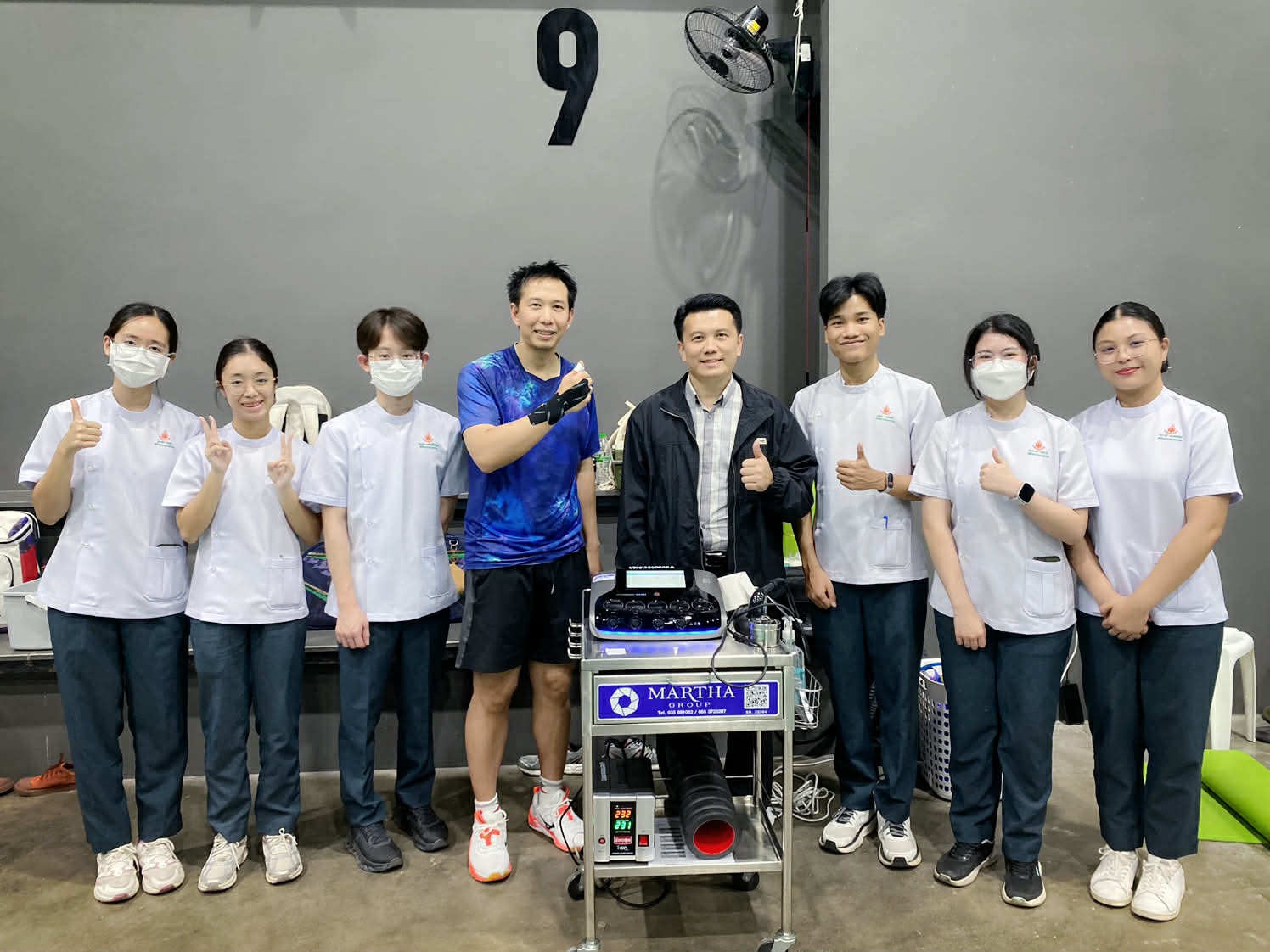
Another laudable initiative in the virtual physical therapy space is the Sport PT Mobile Clinic, launched by Khon Kaen University’s Physical Therapy Program. The project aims at providing on-site physical therapy services for athletes facing training and competition-related injuries. Over 100 professional and amateur athletes have already benefited from the scheme, highlighting the increasing scope of physical therapy on a global platform.

Conditions that Respond Best to Online Physiotherapy

While online physiotherapy has a broad scope, certain conditions respond particularly well to virtual-first treatment. Chronic lower back pain, postural dysfunction, and neck pain common amongst remote workers and students, post-surgical knee rehabilitation, recovery from rotator cuff injuries and frozen shoulders, and neurological conditions like Parkinson’s disease recovery and stroke treatment are highly responsive to remote therapies.

Final Thoughts

The rising acceptance of online physiotherapy indicates a paradigm shift in global healthcare. Digital platforms are now promising each patient the same high-quality assessment, personalisation, and care, irrespective of their financial status or location. As we witness a surge in the number of people grappling with musculoskeletal issues, the emergence of such online health tech platforms would indeed bring a much-needed relief.

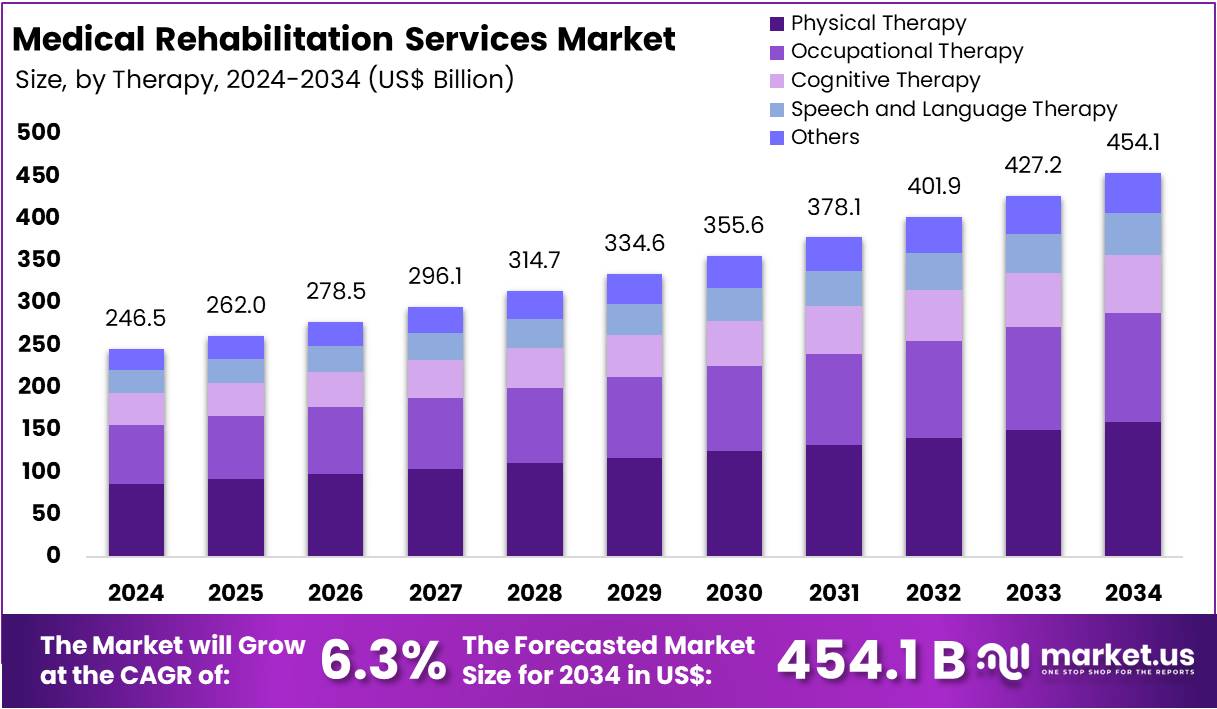
The Global Medical Rehabilitation Services Market is projected to reach approximately US$ 454.1 Billion by 2034, expanding at a 6.3% Compound Annual Growth Rate (CAGR) from 2025 to 2034. Factors contributing to this robust growth include demographic shifts towards an aging global population, rising prevalence of chronic diseases like diabetes and heart disease, and global policy initiatives designed to integrate rehabilitation into all levels of healthcare.

The World Health Organization (WHO) estimates that 2.41 billion individuals worldwide required rehabilitation in 2019. The medical rehabilitation services sector is crucial to modern healthcare systems due to the high prevalence of noncommunicable diseases (NCDs) and injuries requiring long-term rehabilitation.

However, access to rehabilitation services remains a challenge, particularly in low- and middle-income countries due to shortages of trained professionals, inadequate infrastructure, and limited funding. WHO data shows that in some areas, there are fewer than 10 skilled rehabilitation practitioners per 1 million people. One solution to this problem is advancements in tele-rehabilitation, making it possible to deliver therapy remotely to underserved regions.

Another significant factor impacting the sector is the imposition of U.S. tariffs on medical supplies, resulting in increased equipment costs and supply chain disruptions. These obstacles are affecting patient access to rehabilitation services, leading to a shift toward domestic manufacturing of medical supplies.

In terms of therapy analysis, physical therapy held a leading market position in 2024, with more than 36.2% share due to high demand for musculoskeletal rehabilitation and post-surgical recovery programs. In setting analysis, outpatient rehabilitation services dominated in capturing over 57.9% of the market due to rising preference for flexible treatment schedules and cost-effective care options.

Throughout the various segments of rehabilitation services, technology integrations such as artificial intelligence (AI), robotics, and wearable tech are emerging as transformative trends. Advancements in AI and robotics are optimizing rehabilitation therapy outcomes through data-driven analysis and precise, repetitive exercises. Meanwhile, digital health and tele-rehabilitation platforms are expanding access to underserved areas, improving patient outcomes, and reducing hospital readmissions.

Regionally, North America captures the dominant market position, holding more than 45.9% of the global market in 2024. Factors contributing to North America’s strong position include well-developed healthcare infrastructure, a growing population of chronic disease patients, and increased public awareness about early rehabilitation intervention.

Key players in the medical rehabilitation industry include Shirley Ryan AbilityLab, Prism Medical, Icahn School of Medicine at Mount Sinai, Paradigm Healthcare, and the University of Chicago Medical Center among others.


Sources:

Physical Therapy News, Treatments and Services – April 12, 2026

Physical Therapy Services are now becoming more available and advanced in many areas of the United States for a variety of patients, including those aiming to restore balance and strength, as well as fight disability and pain. This new approach to target mobility issues blends water therapies with land training and is now available at the Sorenson Legacy Foundation Center for Clinical Excellence by Utah State University (USU).

The recently added Sorenson Center clinic located on USU’s Logan campus presents a medium for residents of northern Utah to access physical therapy services, with a specialized pool for aquatic therapy. The pool, which served solely as a research apparatus until its opening to the public in April, now offers aquatic physical therapy services under the headship of Megan Bressel, an experienced physical therapist.

Aquatic therapy employs buoyancy, hydrostatic pressure and drag forces as resources to enhance healing processes. With these tools, physical therapy can improve, speed up, and amplify the recovery process. Physical therapy services in the new clinic range from manual therapy and therapeutic exercise to aquatic therapy. These services incorporate muscle energy techniques, the McKenzie method of mechanical diagnosis and treatment, soft tissue and joint mobilizations, balance, and strength training, as well as patient education.

However, nontraditional and efficient treatment solutions, like cash-based physical therapy, are being threatened due to the current Medicare Act that doesn’t permit therapists to opt-out and fully cater to their patients with Medicare. This federal law unfairly restricts physical therapists, unlike most licensed healthcare providers, from contracting privately with Medicare patients.

Dr. Sean Wells of Florida, for example, runs his mobile physical therapy practice that focuses on patients who need his services most like seniors in rural areas and patients recovering from injury. Despite effectively running his services without relying on Medicare or private insurance, his ability to extend his services to other prospective patients who need them is hampered by Medicare’s rigid regulations.

Medicare treats physical therapists differently than other healthcare providers, allowing physical therapists to treat beneficiaries only for non-medically necessary services, such as general strength training, but not for essential care like clinical rehabilitation after a stroke, creating an absurd system.

This dilemma has pushed other physical therapists like Dr. Scott Gardner, to form the United Physical Therapy Association (UPTA) in 2024. UPTA pushes for policies that improve the healthcare environment for providers and their patients, including the choice for therapists to provide the same cash-based services freely to Medicare patients like other healthcare professionals.

With unconstitutional constraints and limitations from the federal government, the rights for patients to choose their preferred providers and the rights for therapists to provide their services freely are at risk. To challenge such injustice, Dr. Wells and UPTA have partnered with Pacific Legal Foundation to fight the discriminatory ban from Medicare on private-pay physical therapy. Their federal lawsuit aims to safeguard their livelihoods while broadening American’s access to providers that best address their needs. This fight presents the much-needed dialogue on how physical therapists can contribute more to healthcare as a profession and the need for the government’s laws to reflect the same.

Physical therapy is a critical component of the rehabilitation process, helping patients revive their regular routine while preventing future injuries. Facilities are increasingly understanding the significance of this treatment and integrating it into their care offerings.

One such facility, Sanford Health West Fargo, is now providing physical therapy services in another location. “We are excited to provide our community with another location for physical therapy services,” said David Tompkins, Sanford Health’s lead physical therapist. This new addition will enable patients to recover safely and regain their mobility, working with experienced therapists devised for a multitude of treatments, including dizziness and imbalance treatment, dry needling, LSVT BIG treatment for Parkinson’s, lymphedema therapy, orthopedic care, pain management, postoperative services, stroke rehabilitation, and women’s health care.

In a similar vein, JAG Physical Therapy, a physical and occupational therapy practice with over 165 locations, recently inaugurated their eighth Union County location in Cranford. JAG Physical Therapy specializes in treating general orthopedic, sports, and soft-tissue injuries with personalized treatment plans for each patient.

It’s notable that JAG is also the official therapy provider for sports teams like the New Jersey Devils and Princeton University Athletics, among others. The Cranford facility provides comprehensive physical therapy, concussion rehabilitation, sports medicine services, and an at-home program.

Patients can receive treatment without a doctor’s referral. “Cranford is a special town, not just for the downtown, the parades and events, but for the people. At JAG, we pride ourselves on the offices catering to the community, and we are so proud to be here,” said JAG PT Clinical Services executive director Matt Cirelli.

Facilities like these are part of a positive trend among health care providers towards expanding their reach and offerings to include physical therapy, thereby providing patients with a holistic treatment approach. This will not only help people regain their mobility but will also make these treatments more mainstream, reducing the stigma associated with seeking physical therapy.

In the face of growing recognition of the power of physical therapy in aiding holistic recovery, it’s positive to see organizations like Sanford Health and JAG Physical Therapy stepping up to meet the demand. With the expansion of services, both within their existing footprint and into new locations, these providers are reiterating the role of physical therapy, particularly in an increasingly health-conscious society.

As the healthcare sector continues to evolve, the continued emergence of facilities offering dedicated physical therapy services marks an important milestone in the journey towards comprehensive patient care. By integrating these services into their offerings, healthcare providers not only expand the scope of care available to patients but also contribute to breaking down any lingering misconceptions related to physical therapy. Combined with a community-first approach, this aids in boosting acceptance and utilization of these services, critically contributing to the overall health and well-being of individuals and communities.

As global challenges with access to quality physical therapy increase, advances in technology and innovative practices are beginning to provide new solutions. Indian-based healthcare provider Vyana Care is spearheading this paradigm shift, having recently expanded its online physiotherapy services to patients worldwide.

Global Demand for Physiotherapy Services

The need for physiotherapy services is increasing worldwide, with a recent World Health Organization report estimating that 1.71 billion people suffer from musculoskeletal issues. High-income countries are struggling to meet demand with long waiting lists and costly treatments, while middle and low-income nations grapple with shortages of qualified physiotherapists. However, the advent of online physiotherapy promises to bridge these gaps in access and care.

What is Online Physiotherapy?

Online physiotherapy goes beyond basic exercise videos. It’s a structured, clinically-led process that replicates the procedures followed at traditional clinics. The advent of secure video consultations allows qualified physiotherapists to conduct thorough examinations, determine the root cause of the issue, and develop customized rehabilitation programs. Follow-up sessions monitor progress and adjust plans as needed. The effectiveness of this model banks on the quality of assessment, personalization, and reliable follow-ups, ensuring patients receive the treatment they need.

Scope of Online Physiotherapy

Online physiotherapy isn’t limited to simple stretching exercises or back pain treatment. It provides a plethora of solutions for chronic neck and back pain, shoulder injuries, knee osteoarthritis, cervical spine issues, postural corrections, post-surgical rehabilitation, sports injuries management, and neurological rehabilitation—offering crucial support for conditions such as stroke recovery and Parkinson’s disease management.

How Technology Aids Online Physiotherapy

AI-assisted movement analysis and digital tracking tools are key features of modern online physiotherapy, allowing for detailed remote assessments and consistent treatment. These tools don’t replace clinical judgment but enhance its efficiency, allowing healthcare providers to serve more patients over a wider geographic range.

Global Accessibility Transforms Healthcare

Online healthcare providers like Vyana Care are democratizing access to healthcare services, ensuring patients from any corner of the world connect with licensed physiotherapists for necessary treatment. The standard of care does not fluctuate depending on the patient’s location, ensuring everyone has the potential to receive high-quality assessment, personalized treatment, and diligent follow-up care.

Online physical therapy, however, is particularly suited for treating some conditions. Chronic lower back pain, neck pain, and postural dysfunction common in remote workers, osteoarthritis knee management, shoulder recovery plans, and home-based exercises for neurological conditions respond exceptionally well to online physiotherapy.

Sports-Specific Physical Therapy

In another innovative approach to physiotherapy, Khon Kaen University’s Physical Therapy Program launched a Sport PT Mobile Clinic in January 2025. The clinic provided on-site physical therapy services for professional and amateur athletes suffering from training or competition related injuries. The therapists offered a range of services, including electrical muscle stimulation for pain relief, heat and cold therapy combined with ultrasound, elastic and sports taping for muscle activation, strength and balance training, and instruction on injury prevention and self-care.

A hands-on workshop was also conducted by Mr. Anurak Tatha, Head Coach of Northeast Academy Club, on sports science principles, athlete body structure assessment, and training planning integrated with physical therapy treatment.

Such initiatives are essential for broadening the reach of quality physiotherapy services, offering sports-specific treatment to athletes. They also provide vital learning experiences for physiotherapy students, laying a solid foundation for future academic and professional collaborations.

Across the globe, the landscape of physiotherapy is transforming. Online providers like Vyana Care and initiatives like Khon Kaen University’s Mobile Sports Clinic are testament to the innovation and adaptability at the heart of this crucial healthcare sector. As these and other similar services continue to innovate and evolve, they offer hope for improved access and quality of physiotherapy treatment for patients worldwide.

Physical therapy is a continually evolving field marked by changes in technology, innovation, and policy; today, healthcare leaders are equipped with strategic resources for direct patient access to physical therapist services in all 50 states, and the District of Columbia. The American Physical Therapy Association (APTA) produced a report, “State of Direct Access to Physical Therapist Services,” detailing the status of direct access and other insights that can influence patient care. It’s an endeavor that appears not only beneficial to patients but also to the wider U.S. healthcare system and insurance providers.
The Global Medical Rehabilitation Services Market is expected to rise substantially. Its size is estimated to reach around US$ 454.1 Billion by 2034, growing at a CAGR of 6.3% during the forecast period from 2025 to 2034. The medical rehabilitation services sector has enjoyed robust growth, driven by demographic changes, the rise of chronic illnesses, and initiated global policy. A whopping estimate of 2.41 billion individuals worldwide require rehabilitation, marking a 63% upsurge since 1990, underscoring its critical importance in contemporary healthcare systems.

Demographics play a significant role in this demand for rehabilitation services. The number of people aged over 60 is anticipated to double by 2050, a population more prone to health issues impairing physical function and quality of life. This demographic shift, coupled with trends in noncommunicable diseases (NCDs), has intensified the necessity for comprehensive rehabilitation services globally.

Noncommunicable diseases and injuries contribute significantly to rehabilitation needs. While NCDs such as heart disease and diabetes are major drivers of disability, injuries from road accidents and falls also play a critical role. With every person who dies due to injury, many survive and require long-term rehabilitation. This dynamic emphasizes the need for expanded rehabilitation services across both low- and high-income regions.

Despite the increasing demand, access to rehabilitation services is a challenge, particularly in low-to-middle-income countries. A variety of factors, such as a shortage of skilled professionals, inadequate infrastructure, and limited funding, contribute to this gap. Efforts to overcome these barriers include advancements in tele-rehabilitation services that offer therapy remotely, especially in underserved regions.

Notably, the medical rehabilitation services market is expected to expand considering the global demographic trends and increasing recognition of its significance within healthcare systems. They play a crucial role in bridging the divide between patients and their functional outcomes, thereby enhancing the quality of life of individuals worldwide. As such, addressing access barriers and workforce shortages is essential for meeting the growing demand.

The integration of artificial intelligence (AI), robotics, and wearable technology in rehabilitation therapies is a trend transforming the medical rehabilitation services market. Wearable devices, for example, allow patients to continue therapy outside traditional clinical settings, providing real-time monitoring and feedback.

The U.S. tariffs have impacted the medical rehabilitation services sector by increasing equipment costs and disrupting supply chains. However, the effects have also stimulated domestic manufacturing of medical supplies to shield against inflated costs and supply shortages. Physical therapists and other healthcare professionals are anxiously anticipating the integration of AI in their practices, while the expansion of tele- and digital health platforms offers significant opportunities for the medical rehabilitation services market.

Rehabilitation providers worldwide are continually exploring new ways to expand and improve their services. Key market leaders, such as Shirley Ryan AbilityLab, Prism Medical, and the Icahn School of Medicine at Mount Sinai, are offering more comprehensive and versatile treatment plans. Substantial funding from organizations like the National Institutes of Health is further accelerating advances in prosthetic limb functionality for amputees.

While the future of the medical rehabilitation services market looks promising, financial barriers and insurance limitations pose significant restraints. Despite rising demand, insurance coverage remains limited in many regions. However, initiatives are underway globally to bridge the healthcare gap by introducing universal health coverage and promoting domestic manufacturing of medical supplies. The medical rehabilitation services sector is therefore poised for continued growth and innovation.


Sources:

Physical Therapy News, Treatments and Services – April 05, 2026

The availability of physical therapy services continues to expand, with new treatment centers catering to diverse patient needs. Two recent cases reflect this evolution in the industry.

The Utah State University (USU) recently introduced a clinic offering physical therapy services. Located within the Sorenson Legacy Foundation Center for Clinical Excellence on the Logan campus, the facility aims to support the northern Utah residents. The clinic includes a special Hydroworx pool for aquatic therapy, previously exclusive for research.

Community access to such modern facilities signifies an evolution in physical therapy services. According to Gretchen Peacock, Director of the Sorenson Center, the addition of physical therapist Megan Bressel enables the center to offer new services like manual therapy, therapeutic exercise, and aquatic therapy.

These services incorporate different sophisticated techniques, from muscle energy techniques to movement diagnoses and joint manipulations. One of the highlights of the services in the new clinic is the Hydroworx pool. According to Bressel, this pool, equipped with resistance jets and a variable-speed underwater treadmill, enables various therapeutic water-based exercises.

The pool is beneficial to individuals with balance disorders or recent fractures as the buoyancy, drag forces, and hydrostatic pressure in the water facilitate the healing process. Bressel emphasizes the use of the pool’s unique features to administer targeted treatments for various conditions. Further, the availability of pool-based and land-based treatments during each physical therapy visit optimizes patient outcomes.

The Sorenson Center is currently welcoming new patients to experience these modern facilities and receive custom-tailored treatments. Most insurances are accepted, and appointments can be scheduled online.

In another part of the physical therapy world, Dr. Sean Wells, a mobile physical therapist in Northern Florida, is fighting against federal laws that prohibit physical therapists from opting out of Medicare. Dr. Wells established his practice in 2011 as a cash-based physical therapy clinic, offering out-of-pocket pay options free from insurance complications.

Although the Medicare Act allows most licensed providers to opt-out, PTs are excluded from the list. Dr. Wells and the United Physical Therapy Association (UPTA), founded by Dr. Scott Gardner, are contesting this rule in a federal lawsuit. They argue that this exclusion leads to unintended and negative patient outcomes, especially for those who require specialized treatment exceeding Medicare’s coverage limits.

Dr. Wells’s patients, many of whom are seniors or individuals with serious illness or physical limitations, strongly rely on his at-home services to maintain their strength and independence. Yet upon crossing the age threshold for Medicare, these patients are forced out of his care, resulting in additional burdens.

Calling these regulations irrational and harmful, Dr. Wells and UPTA, with the help of the Pacific Legal Foundation, are challenging the Medicare ban on private-pay physical therapy. They aim to maintain the right to serve willing patients and protect their livelihoods, believing that patients should be able to pick their provider.

In conclusion, physical therapy is increasingly being recognized as a critical component of comprehensive healthcare. As exemplified by USU’s modernized clinic and Dr. Wells’s legal pursuit, the field continuously adapts to patient needs and works towards developing integrated and optimal models of care. As physical therapy services expand and evolve, these examples remind us about the importance of accessibility and patient autonomy in healthcare.

Title: Expanding Physical Therapy Services: Sanford Health West Fargo & JAG Physical Therapy Incorporates More Complex Treatments

Sanford Health West Fargo in North Dakota has recently announced the expansion of its services to include physical therapy facilities. This expansion aims to assist patients in their rehabilitation process, promoting the return to their usual routines and helping to prevent future injuries. Physical therapists at Sanford will offer a personalized touch, working one-on-one with patients to create a program tailored to their recovery needs.

David Tompkins, the lead physical therapist at Sanford Health, expressed excitement at the opportunity to reach out to the local community. “Physical therapy plays such a big role in our patient’s recovery and goal of returning to normal life. This new location helps us expand our services and also invests in providing care close to home,” he said.

This development highlights a growing recognition of the crucial role that physical therapy plays in health care provision. Sanford Health’s professional therapists specialize in a variety of services and therapies, aiming to cater to a wide range of patient needs. Treatments available will include dizziness and imbalance treatment, dry needling, LSVT BIG treatment for Parkinson’s, lymphedema therapy, orthopedic care, pain management, postoperative services, stroke rehabilitation, and women’s health care.

On the East Coast, a similar drive towards expansion and diversification of physical therapy services is taking place. JAG Physical Therapy opened its eighth Union County location in June 2025. Located in Cranford, New Jersey, the new facility specializes in general orthopedic, sports, and soft tissue injuries. With over 165 practices, JAG Physical Therapy is an established provider and already works with prominent sports teams, including the New Jersey Devils, Columbia University Athletics, and Princeton University Athletics.

Cranford mayor Terry Curan praised the company’s impact on the community in a recent statement. “Your slogan, ‘get back the life you love,’ hits home for me as a trauma surgeon,” he said. “The job of physical therapists makes a big impact in the lives of those you treat. We are so excited to have you here.”

The Cranford facility offers a comprehensive range of treatments, including physical therapy, concussion rehabilitation, sports medicine, and an innovative at-home program. Patients can self-refer and begin to work with a therapist for up to 30 days before needing a referral for continued services.

Matt Cirelli, JAG PT Clinical Services Executive Director, noted the importance of physical therapy within local communities. “Cranford is a special town, not just for the downtown, the parades and events, but for the people. The people rally around each other here, and the fabric of the community is based on small businesses,” said Cirelli.

The enhancement of physical therapy facilities is crucial considering the increasing need for such services in contemporary society. It is a cornerstone of modern medicine, aiding in recovery from injuries, managing chronic conditions such as arthritis, and assisting in the rehabilitation of stroke victims. These recent expansions by Sanford Health West Fargo and JAG Physical Therapy demonstrate an important commitment to delivering comprehensive physical therapy services to meet the growing needs of their local communities.

Physical therapy is continuously evolving to offer more complex treatments and contribute to the well-being of patients. With every new facility opened, physical therapy continues to assert its position as an essential component of comprehensive health care services. The recent moves by Sanford Health West Fargo and JAG Physical Therapy provide clear examples of the way in which providers are innovating their therapeutic services to offer personalized, patient-focused care.

The global physical therapy and rehabilitation services market has been projected to reach a staggering US$ 454.1 billion by 2034, experiencing significant growth with a Compound Annual Growth Rate (CAGR) of 6.3% between 2025 to 2034. Such growth has been driven by factors such as the increasing prevalence of chronic diseases, demographic shifts, global policy initiatives, and greater access to therapy. This has resulted in increasing demand and accessibility for patients, with all U.S states, including the District of Columbia and the U.S. Virgin Islands, offering direct access to physical therapists for evaluation and treatment without referral.

The APTA’s report on the state of direct access to physical therapist services offers a strategic resource designed to equip healthcare leaders with the scientific evidence they need to address opposition to direct access. Examples of barriers that limit access to PT services include state-level advocacy, payer policies and contract negotiations, facility policies, and consumer awareness.

The medical rehabilitation services sector has experienced robust growth due to the rising prevalence of chronic diseases, demographic changes such as an aging population, and global policy initiatives. According to the World Health Organization (WHO), approximately 2.41 billion individuals worldwide were living with health conditions requiring rehabilitation in 2019. However, access to rehabilitation remains a challenge, particularly in low- and middle-income countries. In some areas, there are fewer than 10 skilled rehabilitation practitioners per 1 million people. To address this, advancements like telerehabilitation are being promoted to overcome these barriers by delivering therapy remotely, especially in underserved regions.

Physiotherapy, in particular, has secured a leading position in the Therapy Segment, accounting for more than 36.2% of the overall market share in 2024. This is due to the high demand for musculoskeletal rehabilitation and post-surgical recovery programs – further influenced by an increase in orthopedic surgeries and sports injuries and a growing awareness of the benefits of physical rehabilitation among patients.

Innovative trends include the integration of artificial intelligence (AI), robotics, and wearable technologies in rehabilitation therapies. These techniques are dramatically improving personalized recovery programs and patient outcomes, optimizing therapy outcomes through machine learning and natural language processing. Robotic technologies support the precise and repetitive movement exercises essential for neuromuscular re-education. Simultaneously, wearable technologies enhance real-time monitoring and feedback pathways.

Despite the promising growth and advancements in the global physical therapy and rehabilitation market, there remain potential barriers. Financial restrictions and insurance limitations inhibit access to needed care for many, with out-of-pocket expenses deterring essential treatment continuance. In the United States, co-payments for therapy services can reach up to $75 per visit, making continuous rehabilitation financially burdensome. Similarly, tariffs on imported medical supplies have caused disruptions in delivery networks, impacting patient outcomes and placing added strain on healthcare providers.

Numerous key players contribute to the drive in growth for the medical rehabilitation services market. These include Shirley Ryan AbilityLab, Prism Medical, Icahn School of Medicine at Mount Sinai, and the University of Chicago Medical Center. These and other institutions are developing advanced techniques, personalized programs, and evidence-based approaches to optimize the recovery and patient care. Many have adopted technological solutions such as remote patient monitoring, virtual therapies, and AI-integrated therapies to improve service quality.

October marks National Physical Therapy Month, a moment to acknowledge the critical role of physical therapy (PT) in healthcare. PT, a valid treatment technique, aids people in recuperating from injuries, disabilities, and health predicaments. The celebration of this healthcare service started as solid support from the American Physical Therapy Association (APTA) in the early 1980s to enhance public awareness on the broad spectrum of conditions physical therapists are equipped to treat, which now includes approximately 140 symptoms and conditions.

The Veterans Health Administration, the largest integrated health care network in the United States, currently employs 3650 Physical Therapists and Physical Therapist Assistants to deliver one-on-one care to the 9 million enrolled Veterans it serves every year. Physical therapists provide personalized treatment plans, addressing individual needs and specific goals related to a patient’s recovery and functional progress. This process also encompasses tracking progress and administering exercises for patients to perform at home.

A recent APTA publication reveals that inadequate physical activity incurs added health care costs of $117 billion in the United States, affecting the quality of life for millions of Americans. The profession now spans through diverse specializations, including Pain, Primary care PT, Amputee, Gerofit (exercise for older adults), Aquatics, and Pelvic/Women’s health.

One significant progression in this field comes from Vyana Care, expanding its online physiotherapy services globally to bridge geographical gaps and facilitate access to quality physiotherapy treatment. The World Health Organization estimates the burden ratio of musculoskeletal disorders to be at 1.71 billion people worldwide, causing disability. The prevalence of back pain, specifically, affects 619 million people globally, a figure projected to rise to 843 million by 2050.

Addressing geographical barriers and income disparities, Vyana Care provides structured, personalized rehabilitation for patients worldwide. The platform employs online physiotherapy, a meticulously crafted approach mimicking the in-person clinic procedures through secure video consultations. The digitized solution encompasses thorough examinations, assessment of movements, and comprehensive, personalized rehabilitation programs.

A common misconception about online physiotherapy is its perceived limitation to minor stretching or back pain treatments. Contrarily, services can span over various fields, including assessment and rehabilitation for chronic neck and back discomfort, shoulder problems like rotator cuff injuries and frozen shoulder, osteoarthritis or post-surgical knee pain, mobility and stability issues, cervical spine problems, postural corrections for office workers, and rehabilitation assistance for stroke recovery and Parkinson’s Disease management.

Vyana Care’s global access can alter treatment courses entirely, offering detailed, personalized programs monitored on a week-by-week basis. Many conditions, including chronic lower back pain, neck pain, post-surgery knee rehabilitation, shoulder recovery, and neurological conditions like Parkinson’s disease, respond remarkably well to remote physiotherapy treatments.

Modern online physiotherapy is also increasingly reliant on technology, enhancing remote assessment accuracy and treatment uniformity. AI-assisted movement analysis allows practitioners to gauge mobility and posture via videos, while digital tracking tools enable symptom recording, exercise completion documentation, and feedback exchange between sessions. Despite the technological advancements, the effectiveness relies heavily on clinical thought processes, assessment quality, personalization degree, and follow-up consistency.

Vyana Care foretells a significant shift in global healthcare systems, breaking away from the conventional ties of high-quality medical care to physical locations. With their cutting-edge platform, they promise quality assessment, personalized treatment, and equal care for patients worldwide, regardless of their financial capabilities or geographical positioning. This innovative approach is poised to change the healthcare landscape for the better, catering to people suffering from muscle and joint problems with limited rehabilitation options. This change is expected to cause a ripple effect in global healthcare, increasing the accessibility and efficiency of physical therapy world over.

Title: Bridging the Gap: A New Era of Physical Therapy

In the United States, the prevalence of joint disorders and low back pain has made these conditions among the most common reasons why adults seek medical attention. Physical therapy, a crucial aspect of treatment for these issues, remains inaccessible to many due to a shortage of physical therapists, geographical limitations, and insurance coverage constraints. However, technological advancements allowing for remote rehabilitation could potentially bridge this healthcare access gap.

As per official statistics, the demand for physical therapists has been consistently outpacing supply and will continue to do so. This concern is particularly pressing in rural areas. Additionally, insurance coverage for physical therapy services is both inconsistent and often unaffordable for many. A growing number of therapists do not accept insurance, further complicating access to necessary treatments.

Telehealth has emerged as a potential game-changer in this context. It enables technology-driven remote care through a range of options from interactive systems, video sessions with individual therapists, or app-oriented programs.

Experienced physical therapists, like Carmen Cooper-Oguz, view telehealth with optimism. Cooper-Oguz, based in rural Mississippi, commenced her career visiting multiple locations to care for her patients, often sacrificing her wellbeing and efficiency in the process. Telehealth, she believes, would allow her to treat more patients without compromising the quality of care. She sees potential for lower barriers to rural care, particularly if Medicare were to cover telehealth and facilitate direct access to physical therapy without requiring other provider referrals.

Telehealth options such as therapy via Skype have already caught on with therapists like Lara Heimann. The majority of Heimann’s online clientele reside in rural locations, further highlighting the potential of this platform for therapists and patients in remote regions. Furthermore, telehealth offers a solution to issues of higher out-of-pocket costs and provides an affordable middle ground for care, balancing both quality and efficiency.

A shining example of the digital shift in physical therapy services is a high-tech product called VERA (Virtual Exercise Rehabilitation Assistant). It is an at-home device that guides patients through exercises, offering real-time 3-D feedback. The system allows for virtual visits, ensuring an affordable, low monthly expense compared to traditional per-visit charges.

A recent clinical trial conducted by Duke University showed that VERA users showed equal progress to traditional therapy recipients following knee-replacement surgery, with added advantages of fewer rehospitalizations and cheaper costs (averaging savings of $2745 per patient).

Similarly, another app called “Kaia” has illustrated the potential benefits of digital therapy for low back pain. The app uses a comprehensive approach combining guided exercises, patient education, and mindfulness techniques, and has been shown to be effective in reducing pain. This has triggered interest among insurance companies, who see potential cost savings in digital rehabilitation.

Physical therapists clarify that while telehealth is a promising tool to improve the accessibility of services, it cannot entirely replace in-person therapy. However, its potential to function as an extension of traditional therapy, amplifying the effectiveness of at-home programs and making treatments more cost-effective, is significant.

Despite the promising developments, experts like Thomas Tölle, leader of an interdisciplinary pain-research group at the Technical University of Munich, maintain that patients should see a clinician in person whenever possible before choosing remote therapy. However, for many patients – including the 30 percent of acute back pain cases that develop into chronic pain – the use of digital tools in the treatment process presents an opportunity for better healthcare access and potentially significant cost savings. With annual chronic pain treatment in the US amounting to an estimated $560 billion, digital solutions like telehealth could represent a transformative shift in the landscape of healthcare services in these fields.

In conclusion, while physical therapy’s pivot to remote, tech-enabled services is still in its infancy, its potential is tremendous in bridging the healthcare access gap. It could save billions of dollars annually and, most importantly, ensure that patients receive quality care, regardless of their geographical location or financial constraints.


Sources:

Call Now Button