Physical Therapy News, Treatments and Services – May 02, 2025

Price Chiropractic and Rehabilitation has expanded its services by incorporating physical therapy programs into their patient care offering. These new programs aim to better serve patients recovering from a variety of conditions like injuries, post-surgical complications, chronic pain, and mobility limitations. The therapy follows a customized treatment plan developed by a team of licensed professionals, and the progressive methods applied include manual therapy, therapeutic exercise, neuromuscular re-education, and postural correction. The expansion targets a wide demographic, including athletes, older adults, office workers, and post-operative rehabilitation patients.

In other news, U.S. Physical Therapy, Inc. has announced its acquisition of an outpatient home care practice that offers physical, occupational, and speech therapy through its 50%-owned subsidiary, MSO Metro, LLC. This acquisition will extend the outpatient services into patients’ homes on a broader scale. Generated revenue from the newly-acquired practice is about $2.1m annually.

Meanwhile, Mayo Clinic’s Physical Medicine and Rehabilitation helps restore movement and function to people limited by disease or injury. The providers diagnose and treat various medical conditions affecting the brain, spinal cord, nerves, and the musculoskeletal system. They aim to increase patients’ quality of life and retain as much muscle ability as possible through their therapies. Mayo Clinic’s PM&R utilizes advanced therapeutic expertise and assistive technology in its innovative care.

In conclusion, these news updates seem to indicate a growing trend towards integrating expanded services into the physical therapy sector, with a focus on personalized, home-based, and technologically advanced care.

The global medical rehabilitation services market is set to grow substantially, with a projection to reach $463.79 billion by 2033. The increase in the aging population, rise in chronic illnesses, digitization in healthcare through telehealth platforms, and the rising demand for these services in developing countries are significant contributors to this growth. The rehabilitation sector, especially in India, is set to post a compound annual growth rate (CAGR) of 15% by 2028 due to the increase in rehab technologies. On a regional basis, North America dominates the market due to factors such as readily available rehabilitation services, a rapidly aging population, and advanced healthcare infrastructure. The Asia Pacific is forecasted to be the fastest-growing market, driven by China and India’s rising economies as they increase their investments in innovative healthcare technologies.

Meanwhile, the new billing policy by Blue Cross Blue Shield of Michigan, which implies a 17% reimbursement cut for physical therapy (PT) clinics, could have implications on patient access to physical therapy services. PT providers argue that the cuts will cause difficulties in keeping therapists on staff and could lead to the closure or consolidation of more clinic locations.

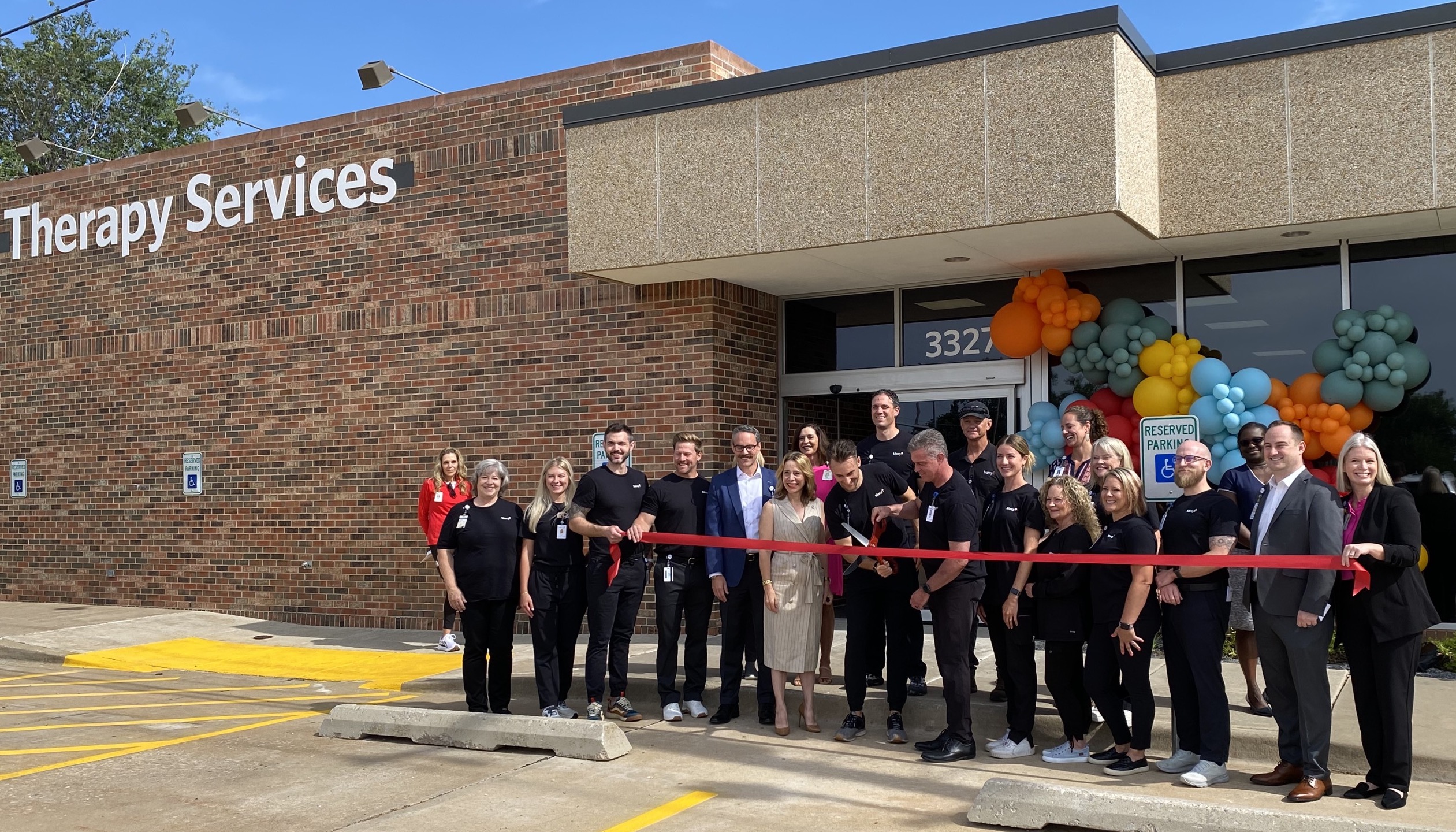
In Oklahoma City, Mercy Therapy Services has opened a new location to better serve the northwest part of the city. The clinic features occupational and physical therapists and has the capacity to serve up to 150 patients per day. With the goal of expanding to 17 therapists, the clinic mainly focuses on orthopedic or sports medicine injuries, along with elderly patients, and offers therapy to help patients strengthen their hands, wrists, arms, or shoulders for independent living.

Medicare Physician Fee Schedule (MPFS) highlights several significant updates for 2025 that physical therapists should be aware of. Firstly, the Medicare Physician Fee Schedule rates will drop by 2.93% compared to 2024 due to the expiration of the previous year’s temporary increase. This demands therapists to manage service delivery and coding effectively to handle reimbursement reductions. Secondly, CMS is introducing new coding and payment for caregiver training services, enabling therapists to get reimbursed for their caregiver-centric services. CMS also extends certain telehealth provisions, including the addition of new telehealth services like caregiver training. Furthermore, the MPFS rule allows general supervision for physical therapist assistants in private practice, offering service flexibility. Lastly, CMS has eased certification requirements for therapy plans of care to reduce administrative load on therapists.

An independent review by Peterson Health Technology Institute validates that virtual health technologies led by a physical therapist offer clinical benefits to patients equivalent to in-person therapy. They found that for musculoskeletal conditions, virtual Physical Therapy-guided solutions are as effective as physical interventions. The report estimates that shifting a quarter of physical therapy users for low back pain to digital care could save $4.4 million per 1 million commercially insured individuals.

The Department of Veterans Affairs (VA) and the Department of Defense (DOD) have released an updated guideline on the Rehabilitation of Individuals with Lower Limb Amputation. Notably, it introduces recommendations on surgical procedures previously not included in the last guideline, expands on behavioral health, includes ideas for pain relief away from reliance on pharmaceuticals, and touches on peer support. The intent is to drive further research on the topics the guideline touches upon.


Sources:

Physical Therapy News, Treatments and Services – April 30, 2025

The specialists at Mayo Clinic’s Physical Medicine and Rehabilitation (PM&R) provide treatment and rehabilitation options aimed at restoring function and improving movement for patients affected by a range of medical conditions, including brain, spinal cord, nerve, and musculoskeletal system disorders. Mayo Clinic offers various treatment options such as custom orthotics and ultrasound, therapeutic exercise, and manual therapy. The clinic also conducts research in rehabilitation science and offers state-of-the-art assistive and restorative technology in the Assistive and Restorative Technology Laboratory (ART Lab).

ATI Physical Therapy achieved an ‘Exceptional’ rating for the fifth consecutive year from the Center for Medicare and Medicaid Services’ (CMS) Merit-Based Incentive Payment System (MIPS) for quality patient care. This rating is crucial for the provider’s eligibility for a CMS reimbursement rate bonus. ATI Physical Therapy provides preventative and treatment care services for musculoskeletal disorders across 24 states in the U.S., with 900 locations and an online physical therapy offering.

In Maine, the Soaring Eagles Healthcare Clinic at Husson University reopened for the spring semester, offering free physical therapy services as well as hand therapy. Catering to uninsured and underinsured patients, the clinic is run by Husson students and professors, providing them valuable hands-on experience while addressing the needs of patients that might not be able to afford continuous therapy.

PT Solutions Physical Therapy has acquired OrthoCarolina’s physical therapy branch, which includes 24 therapy clinics in the Southeast region. PT Solutions will collaborate with Novant Health to provide premier physical therapy services to patients in the area. The partnership aims to prioritize patients, employees, and community welfare while further expanding the reach of PT Solutions.

A report from the Peterson Health Technology Institute indicates that virtual health technologies, under the guidance of a physical therapist, improve health outcomes for patients with musculoskeletal conditions. The shift to digital care could potentially save $4.4 million per 1 million insured individuals suffering from low back pain.

According to Transparency Market Research, the global Medical Rehabilitation Services Market is projected to reach $292.6 billion by 2034, representing a 6.5% CAGR. The market growth reflects a commitment to improving patient recovery and quality of life through innovative therapies. Technological advancements like robot-assisted rehabilitation, virtual reality therapy, AI-driven treatment planning, and tele-rehabilitation solutions are driving the growth.

Major players in the medical rehabilitation services market, such as Prism Medical, Icahn School of Medicine at Mount Sinai, and UChicago Medicine, are launching new products and forming strategic alliances, ushering an era of personalized care. A growing aging population, rise in chronic diseases, and advancements in technologies such as AI and robotic rehabilitation are influencing the demand for rehabilitation services worldwide.

UnitedHealthcare, the insurance wing of UnitedHealth Group, has instituted new prior authoritarian rules for clients on a UnitedHealthcare Medicare Advantage plan who require physical therapy (PT). From September 1st, those needing physical, occupational, or speech therapy in a physician’s office or an outpatient hospital clinic will need approval from UnitedHealthcare. Notably, UnitedHealthcare owns multiple companies that offer home PT services, which are not subject to prior authorization requirements.

Meanwhile, a federal Florida judge appointed by Trump has for the first time ruled that whistleblower provisions of the False Claims Act are unconstitutional. The False Claims Act is a key tool for identifying fraud in public health care programs. The ruling could pave the way for future challenges to the law.

Additionally, following a series of government methodological changes, Medicare Advantage plan insurers are finding it increasingly difficult to reach a rating of at least four out of five stars, the score necessary for a 5% bonus payment. From 2025, only 62% of Medicare Advantage enrollees are expected to be in a plan with at least four stars, down from 90% in 2022.

The Department of Veterans Affairs and Department of Defense have released the 2025 update to their Clinical Practice Guideline on the rehabilitation of patients with lower limb amputations. The advice, which spans all the stages of treatment, is based on data from over 1,700 treatment cases since 2001. Updates to the guideline from its 2017 edition include surgical procedures only recently supported by evidence, behavioral health, and pain management. The guidelines will help to prepare the defense health system for wars in the event of hundreds of servicemen and women suffering limb loss injuries.


Sources:

Physical Therapy News, Treatments and Services – April 28, 2025

Intermountain Connect Care is revolutionizing patient access to physical therapy by offering telehealth services from 8 am to 5 pm on weekdays. The program aims to provide swift, effective care, reducing overall healthcare costs. The service enables patients to discuss their symptoms and receive diagnosis and treatment advice from a licensed therapist at home, removing the traditional barriers of distance and schedule.

Mayo Clinic’s Physical Medicine and Rehabilitation (PM&R) bridging the gap for individuals hampered by disease or injury. This unit is committed to restoring function to patients, focusing on improving quality of life, muscular ability, and brain function. Mayo Clinic’s treatment strategies are reflected in the unique needs, abilities, and goals of each patient. In addition to providing expert medical consultations, PM&R also offers patient education opportunities, and uses cutting-edge technology, including 3D printing and functional electrical stimulation.

ATI Physical Therapy has received its fifth consecutive “Exceptional” rating from the Center for Medicare and Medicaid Services’ (CMS) Merit-Based Incentive Payment System (MIPS) for quality patient care. The recognition, earned every year since the program’s inception for physical therapy providers, underlines ATI’s commitment to health outcomes improvement and healthcare cost reduction. The MIPS recognition is used to determine CMS reimbursement rates, impacting the range of services available to patients.

Husson University’s Soaring Eagles Healthcare Clinic has expanded its physical therapy services for the spring semester, now offering free physical therapy and occupational therapy services. These services, run by university students and professors, provide free therapy to uninsured and underinsured patients. Moreover, the clinic has launched a new hand therapy program within its expanded services. This program gives students hands-on experience while offering assistance to patients who need continued therapy.

In other news, PT Solutions Physical Therapy has acquired the physical therapy branch of OrthoCarolina. This acquisition includes 24 therapy clinics offering physical, occupational, and sports therapy and rehabilitation services in various locations. PT Solutions will collaborate with Novant Health to provide exceptional physical therapy care to patients throughout the Southeast region. This marks PT Solutions’ commitment to expand access to high-quality physical therapy services. Current patients can continue visiting their present therapy providers.

A independent report released by the nonprofit Peterson Health Technology Institute (PHTI) confirms that guided virtual health technologies deliver “clinically meaningful improvements in pain and function” for patients with musculoskeletal conditions. The report, Virtual Musculoskeletal Solutions Health Technology Assessment, revealed that many virtual MSK solutions offer clinical benefits to patients, which are comparable to in-person physical therapy. APTA welcomed the report, stating its importance in advancing cost-effective solutions in healthcare. Furthermore, the report suggests that a move towards more digital health could save an estimated $4.4 million per 1 million commercially insured individuals if one-quarter of physical therapy users with low back pain used digital care. The report also confirms the superiority of digital health solutions guided by a physical therapist over those that lack professional guidance.

The Department of Veterans Affairs and the Department of Defense (DOD) have released an updated clinical practice guideline (CPG) on the Rehabilitation of Individuals with lower limb amputation (LLA). This updated guide aims to provide top-notch treatment to service members and veterans who have lost lower limbs and is driven by data collected from the treatment of over 1,700 deployment-related amputations since 2001. This guideline focuses on the entire process, from planning the procedure to the surgery itself right out to lifelong care, and aims to lead future research by highlighting areas where more robust evidence is required.

Moreover, the updated CPG includes new evidence-based recommendations on surgical procedures that were not part of the previous guide, along with emphasis on behavioral health, pain management, and peer support. Researchers anticipate the guidelines to enable patients to return to their pre-amputation activities and work, thus improving overall patient outcomes.

On another note, Emory Healthcare has incorporated Luna’s at-home physical therapy (PT) services into its outpatient care offerings to address the issue of referral leakage. In this new model, Emory credentials Luna’s therapists and provides its treatment protocols, which allow the healthcare provider to maintain quality and continuity of care. Luna’s PT program has increased Emory’s range of services, promoted better patient health outcomes, and controlled costs by maintaining continuity of care.

Emory also utilizes Luna’s app to connect its therapists with patients requiring PT in their homes. This innovative approach caters to patients who find frequent clinic visits impractical due to distance or discomfort. These advancements by DOD, VA, and Emory Healthcare echo a broader shift in the healthcare field, exploring innovative solutions and guidelines to improve patient care, especially for physically challenged patients and veterans.


Sources:

Physical Therapy News, Treatments and Services – April 27, 2025

Wisp, a large online women’s health service, has announced a partnership with Origin, a national provider of women’s health and pelvic floor physical therapy. The collaboration will bring Origin’s services to Wisp’s 1.4 million patients through exclusive discounts, including therapies for postpartum healing, pre-pregnancy strengthening, and vaginal infections like UTIs. Additionally, the Soaring Eagles Healthcare Clinic at Husson University in Bangor is now offering free physical and occupational therapy for uninsured and underinsured patients, expanding its services with a new hand therapy program.

A recent study predicts the global medical rehabilitation services market will grow to USD 463.79 billion by 2033, driven by an aging population, rise in digital therapies, and boosted demand from developing countries. Organizations are increasingly investing in artificial intelligence and big data analytics for personalized treatment plans, while integrating telemedicine and remote rehabilitation tools.

The North American market, which dominates the sector, is fueled by increasing disposable income, healthcare spending, and strong government health cover. However, the Asia Pacific market – particularly India and China – could see the fastest growth due to investment in telehealth and robotic-assisted therapy, the rising incidence of age-related diseases, and the vast potential of their large populations.

By therapy, physical therapy led the medical rehabilitation services market in 2024 due to the high demand from patients recovering from injuries, health issues, or surgery. By setting, outpatient care dominated as it is cheaper than inpatient care and allows patients to recover in their own homes. However, the homecare segment is expected to grow at the fastest rate during 2025-2034, driven by the preference for personal and convenient services and advancements in technology that enable home-based treatments.

In conclusion, the future of physical therapy and rehabilitation services looks promising, with a surge in digital health therapies, an increase in strategic partnerships and collaborations, and substantial market growth predictions. This is largely driven by the need to cater to a global aging population, an increase in chronic diseases, and the growing demand from developing countries.

Digital musculoskeletal care platform, Hinge Health, is partnering with Amazon Health Services to offer MSK care services. The partnership will enable individuals to check their coverage eligibility and access MSK care through the Hinge Health platform via Amazon Health’s website. Hinge Health offers its FDA-cleared Enso wearable device for electrical nerve stimulation to aid pain relief. The San Francisco-based company, valued at $6.2 billion, has previously secured substantial funding and is potentially preparing to go public in 2025.

A new report by the nonprofit Peterson Health Technology Institute suggests that digital physical therapy services guided by a licensed physical therapist significantly improve patient health outcomes. The report, which reviewed more than 2,000 pieces of literature, revealed that virtual MSK solutions provide patients with clinical benefits akin to in-person physical therapy, providing an alternative to costly procedures for conditions that can be managed conservatively. It projected that digital care for a quarter of physical therapy users with low back pain could save an estimated $4.4 million per 1 million commercially insured individuals.

The Department of Defense (DOD) and the Department of Veterans Affairs have updated the Clinical Practice Guideline for Rehabilitation of Individuals with Lower Limb Amputation (LLA) to improve the quality of care for service members and veterans. The update, which is based on data from over 1,700 deployment-related amputations since 2001, includes new recommendations on surgical procedures, behavioral health, and pain management, in addition to emphasizing the need for peer support. The move exemplifies a step towards comprehensive guidance in limb loss treatment, reflecting the learning curve and clinical advancements over the last five years.

The owner of Oahu Spine and Rehab, Stephen Timothy Wells, has pleaded guilty in a healthcare fraud scheme. Wells confessed to submitting false billings by claiming doctors, nurses and physical therapists carried out services when, in fact, they were performed by unlicensed personnel. The fraudulent actions, which took place from 2013 to early 2020, targeted TRICARE and Medicare. As part of a plea deal, Wells admitted his actions resulted in losses between $250,000 and $550,000 and agreed to pay over $392,000 in restitution. Prosecutors recommend a jail term of up to two years. The sentencing is due on Jan. 29, 2025.

On a brighter note, U.S. News & World Report has ranked the MetroHealth Rehabilitation Institute in the top 5% of rehabilitation hospitals nationally, recognising its high-level care for patients with complex conditions like stroke, traumatic brain injury and spinal cord injuries. The institute, established in 1953, is currently one of 18 federally designated Spinal Cord Injury Model System Centers in the nation. It has expanded outpatient services into the community, offering adult physical therapy services at the MetroHealth Broadway Health Center and soon at the Bedford Medical Offices. The institute was also recognised by Newsweek as one of the nation’s best rehabilitation hospitals, and the Department of PM&R at Case Western Reserve University, based at the institute, has consistently ranked high for its research efforts funded by the National Institutes of Health. The MetroHealth Rehabilitation Institute is also accredited by the Commission for Accreditation of Rehabilitation Facilities till March 2027.


Sources:

Physical Therapy News, Treatments and Services – April 26, 2025

Wisp, the US’s largest women’s telehealth company, is partnering with Origin, a national provider of women’s health and pelvic floor physical therapy, to give members access to pelvic physical therapy. Wisp provides sexual and reproductive health solutions to over 1.4 million patients. This partnership will allow these patients to access Origin’s services, which include postpartum healing, pre-pregnancy strengthening, pain improvement during sex, and chronic vaginal infection relief. The partnership aims to educate women about the commonality of pelvic symptoms and provide effective solutions.

In other news, the Soaring Eagles Healthcare Clinic at Husson University in Bangor is expanding its free physical therapy services. The clinic, run by students and professors, primarily serves uninsured or underinsured patients. This semester, they introduced a hand therapy program. The clinic also serves as a training ground for Husson students, providing tangible, hands-on experience.

Lastly, the global medical rehabilitation market is projected to reach USD 492.4 billion by 2034, up from USD 270.58 billion in 2024. The market is primarily driven by the rise in the elderly population amid an increased prevalence of chronic diseases. Secondly, the growth in digital health technology, including telehealth, is also aiding the market expansion. Rehabilitation can help the elderly improve their quality of life and physical ability. The demand for rehabilitation services is rising not only in developed nations but also in emerging economies such as China, Brazil, and India.

Digital musculoskeletal care platform, Hinge Health, has partnered with Amazon Health Services to provide musculoskeletal care, supported by orthopedic surgeons, health coaches, and physical therapists. Amazon users with back, joint, or muscle pain are able to check their eligibility for coverage through the Amazon Health website and then connect to the Hinge Health team. Rumours suggest that Hinge Health may go public in 2025, following significant funding investments.

A report published by the Peterson Health Technology Institute confirms that virtual health technologies guided by a physical therapist can deliver significant improvements in pain and functionality for patients with musculoskeletal conditions. The report suggests these benefits can be equivalent to in-person physical therapy. This demonstrates that early access to physical therapy is a cost-effective solution in healthcare, lowering costs and improving patient outcomes. It also confirms that solutions guided by a physical therapist are superior to those that do not employ a physical therapist, aligning with the APTA Digital Health Transparency Campaign.

Jointly issued by the Department of Defense (DOD) and the Department of Veterans Affairs (VA), updated guidelines for the clinical practice in the treatment of lower limb amputations (LLA) have been released. This provides critical guidance for the rehabilitation of individuals with LLA using the most recent research and data obtained from providing treatment for more than 1,700 deployment-related amputations since 2001. This guidance will continue to evolve as further advancements are made in the science of LLA treatment. The use of this guidance will provide more accurate and effective care for patients with limb loss, focusing on the comprehensive treatment of these patients, and will help further research to tackle unanswered questions in LLA treatment.

The combination of digital and physical services in healthcare underlines the importance of technology in advancing patient care, particularly for patients with musculoskeletal conditions and limb loss. It provides patients with more accessible care, potentially improving health outcomes and reducing costs.

U.S. News & World Report has ranked the MetroHealth Rehabilitation Institute among top rehabilitation hospitals in the country for its care of patients recovering from complex conditions such as stroke, spinal cord injury, and traumatic brain injury.

Ranked 49th among 1,000 reviewed hospitals, MetroHealth is in the top 5% of rehabilitation centers nationwide. This recognition reflects the high-standard facilities and innovative treatments offered at the institute, as well as the dedication of specialists across all care levels.

Established in 1953, MetroHealth not only stands as one of the six original U.S. hospitals committed completely to rehabilitation but it is also one of 18 Spinal Cord Injury Model System Centers designated by the federal government.

Furthering their outreach, MetroHealth expanded its outpatient services in the community in June, with plans to offer outpatient physical therapy for both adults and children, in addition to occupational and speech therapy later in the year.

The accolades for the institute are numerous. Newsweek featured MetroHealth Rehabilitation Institute as one of the nation’s best rehabilitation hospitals, particularly appreciating its Spinal Cord Injury Program. The Department of Physical Medicine and Rehabilitation (PM&R) at Case Western Reserve University, based at the Institute, has consistently ranked among the top three PM&R departments for research funding received from the National Institutes of Health.

Moreover, the Commission for Accreditation of Rehabilitation Facilities (CARF) recently accredited the institute for an additional three years, through March 2027, for its Inpatient Rehabilitation Facility and Comprehensive Vocational Evaluation services, making it the only CARF-accredited hospital-based program in the region.


Sources:

Call Now Button