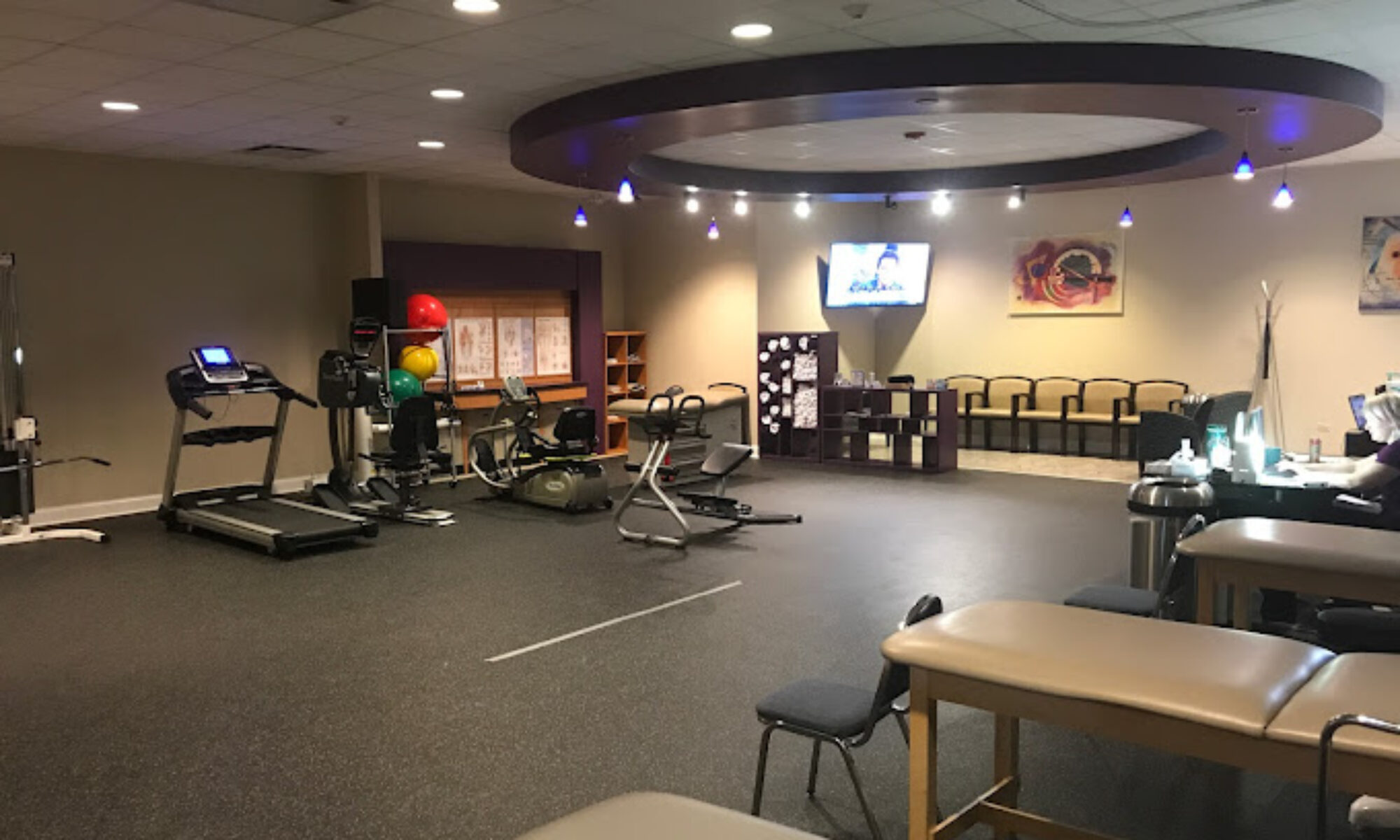

Physical Therapy Services are now becoming more available and advanced in many areas of the United States for a variety of patients, including those aiming to restore balance and strength, as well as fight disability and pain. This new approach to target mobility issues blends water therapies with land training and is now available at the Sorenson Legacy Foundation Center for Clinical Excellence by Utah State University (USU).
The recently added Sorenson Center clinic located on USU’s Logan campus presents a medium for residents of northern Utah to access physical therapy services, with a specialized pool for aquatic therapy. The pool, which served solely as a research apparatus until its opening to the public in April, now offers aquatic physical therapy services under the headship of Megan Bressel, an experienced physical therapist.
Aquatic therapy employs buoyancy, hydrostatic pressure and drag forces as resources to enhance healing processes. With these tools, physical therapy can improve, speed up, and amplify the recovery process. Physical therapy services in the new clinic range from manual therapy and therapeutic exercise to aquatic therapy. These services incorporate muscle energy techniques, the McKenzie method of mechanical diagnosis and treatment, soft tissue and joint mobilizations, balance, and strength training, as well as patient education.
However, nontraditional and efficient treatment solutions, like cash-based physical therapy, are being threatened due to the current Medicare Act that doesn’t permit therapists to opt-out and fully cater to their patients with Medicare. This federal law unfairly restricts physical therapists, unlike most licensed healthcare providers, from contracting privately with Medicare patients.
Dr. Sean Wells of Florida, for example, runs his mobile physical therapy practice that focuses on patients who need his services most like seniors in rural areas and patients recovering from injury. Despite effectively running his services without relying on Medicare or private insurance, his ability to extend his services to other prospective patients who need them is hampered by Medicare’s rigid regulations.
Medicare treats physical therapists differently than other healthcare providers, allowing physical therapists to treat beneficiaries only for non-medically necessary services, such as general strength training, but not for essential care like clinical rehabilitation after a stroke, creating an absurd system.
This dilemma has pushed other physical therapists like Dr. Scott Gardner, to form the United Physical Therapy Association (UPTA) in 2024. UPTA pushes for policies that improve the healthcare environment for providers and their patients, including the choice for therapists to provide the same cash-based services freely to Medicare patients like other healthcare professionals.
With unconstitutional constraints and limitations from the federal government, the rights for patients to choose their preferred providers and the rights for therapists to provide their services freely are at risk. To challenge such injustice, Dr. Wells and UPTA have partnered with Pacific Legal Foundation to fight the discriminatory ban from Medicare on private-pay physical therapy. Their federal lawsuit aims to safeguard their livelihoods while broadening American’s access to providers that best address their needs. This fight presents the much-needed dialogue on how physical therapists can contribute more to healthcare as a profession and the need for the government’s laws to reflect the same.
Physical therapy is a critical component of the rehabilitation process, helping patients revive their regular routine while preventing future injuries. Facilities are increasingly understanding the significance of this treatment and integrating it into their care offerings.
One such facility, Sanford Health West Fargo, is now providing physical therapy services in another location. “We are excited to provide our community with another location for physical therapy services,” said David Tompkins, Sanford Health’s lead physical therapist. This new addition will enable patients to recover safely and regain their mobility, working with experienced therapists devised for a multitude of treatments, including dizziness and imbalance treatment, dry needling, LSVT BIG treatment for Parkinson’s, lymphedema therapy, orthopedic care, pain management, postoperative services, stroke rehabilitation, and women’s health care.
In a similar vein, JAG Physical Therapy, a physical and occupational therapy practice with over 165 locations, recently inaugurated their eighth Union County location in Cranford. JAG Physical Therapy specializes in treating general orthopedic, sports, and soft-tissue injuries with personalized treatment plans for each patient.
It’s notable that JAG is also the official therapy provider for sports teams like the New Jersey Devils and Princeton University Athletics, among others. The Cranford facility provides comprehensive physical therapy, concussion rehabilitation, sports medicine services, and an at-home program.
Patients can receive treatment without a doctor’s referral. “Cranford is a special town, not just for the downtown, the parades and events, but for the people. At JAG, we pride ourselves on the offices catering to the community, and we are so proud to be here,” said JAG PT Clinical Services executive director Matt Cirelli.
Facilities like these are part of a positive trend among health care providers towards expanding their reach and offerings to include physical therapy, thereby providing patients with a holistic treatment approach. This will not only help people regain their mobility but will also make these treatments more mainstream, reducing the stigma associated with seeking physical therapy.
In the face of growing recognition of the power of physical therapy in aiding holistic recovery, it’s positive to see organizations like Sanford Health and JAG Physical Therapy stepping up to meet the demand. With the expansion of services, both within their existing footprint and into new locations, these providers are reiterating the role of physical therapy, particularly in an increasingly health-conscious society.
As the healthcare sector continues to evolve, the continued emergence of facilities offering dedicated physical therapy services marks an important milestone in the journey towards comprehensive patient care. By integrating these services into their offerings, healthcare providers not only expand the scope of care available to patients but also contribute to breaking down any lingering misconceptions related to physical therapy. Combined with a community-first approach, this aids in boosting acceptance and utilization of these services, critically contributing to the overall health and well-being of individuals and communities.
As global challenges with access to quality physical therapy increase, advances in technology and innovative practices are beginning to provide new solutions. Indian-based healthcare provider Vyana Care is spearheading this paradigm shift, having recently expanded its online physiotherapy services to patients worldwide.
Global Demand for Physiotherapy Services
The need for physiotherapy services is increasing worldwide, with a recent World Health Organization report estimating that 1.71 billion people suffer from musculoskeletal issues. High-income countries are struggling to meet demand with long waiting lists and costly treatments, while middle and low-income nations grapple with shortages of qualified physiotherapists. However, the advent of online physiotherapy promises to bridge these gaps in access and care.
What is Online Physiotherapy?
Online physiotherapy goes beyond basic exercise videos. It’s a structured, clinically-led process that replicates the procedures followed at traditional clinics. The advent of secure video consultations allows qualified physiotherapists to conduct thorough examinations, determine the root cause of the issue, and develop customized rehabilitation programs. Follow-up sessions monitor progress and adjust plans as needed. The effectiveness of this model banks on the quality of assessment, personalization, and reliable follow-ups, ensuring patients receive the treatment they need.
Scope of Online Physiotherapy
Online physiotherapy isn’t limited to simple stretching exercises or back pain treatment. It provides a plethora of solutions for chronic neck and back pain, shoulder injuries, knee osteoarthritis, cervical spine issues, postural corrections, post-surgical rehabilitation, sports injuries management, and neurological rehabilitation—offering crucial support for conditions such as stroke recovery and Parkinson’s disease management.
How Technology Aids Online Physiotherapy
AI-assisted movement analysis and digital tracking tools are key features of modern online physiotherapy, allowing for detailed remote assessments and consistent treatment. These tools don’t replace clinical judgment but enhance its efficiency, allowing healthcare providers to serve more patients over a wider geographic range.
Global Accessibility Transforms Healthcare
Online healthcare providers like Vyana Care are democratizing access to healthcare services, ensuring patients from any corner of the world connect with licensed physiotherapists for necessary treatment. The standard of care does not fluctuate depending on the patient’s location, ensuring everyone has the potential to receive high-quality assessment, personalized treatment, and diligent follow-up care.
Online physical therapy, however, is particularly suited for treating some conditions. Chronic lower back pain, neck pain, and postural dysfunction common in remote workers, osteoarthritis knee management, shoulder recovery plans, and home-based exercises for neurological conditions respond exceptionally well to online physiotherapy.
Sports-Specific Physical Therapy
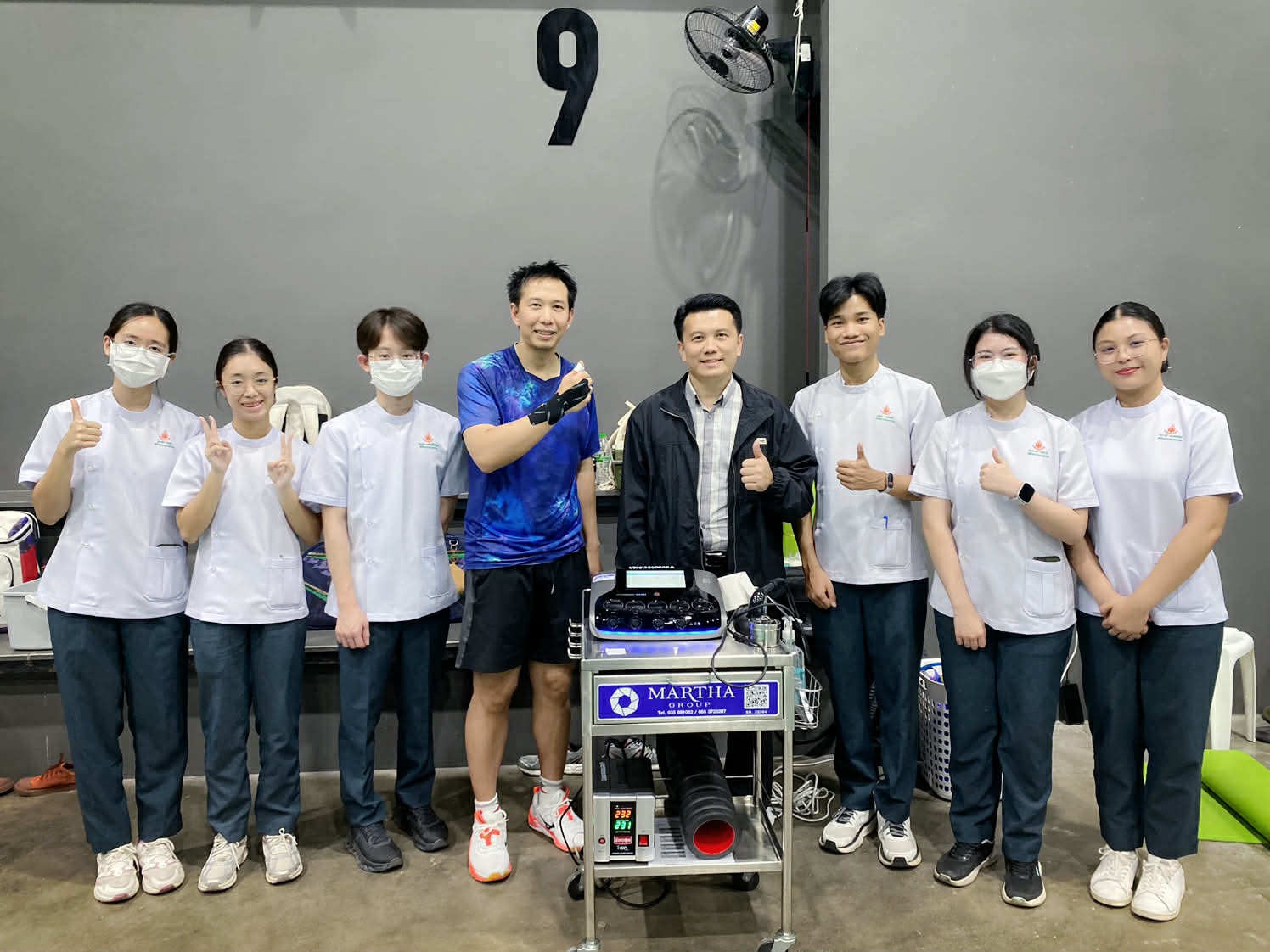
In another innovative approach to physiotherapy, Khon Kaen University’s Physical Therapy Program launched a Sport PT Mobile Clinic in January 2025. The clinic provided on-site physical therapy services for professional and amateur athletes suffering from training or competition related injuries. The therapists offered a range of services, including electrical muscle stimulation for pain relief, heat and cold therapy combined with ultrasound, elastic and sports taping for muscle activation, strength and balance training, and instruction on injury prevention and self-care.
A hands-on workshop was also conducted by Mr. Anurak Tatha, Head Coach of Northeast Academy Club, on sports science principles, athlete body structure assessment, and training planning integrated with physical therapy treatment.
Such initiatives are essential for broadening the reach of quality physiotherapy services, offering sports-specific treatment to athletes. They also provide vital learning experiences for physiotherapy students, laying a solid foundation for future academic and professional collaborations.
Across the globe, the landscape of physiotherapy is transforming. Online providers like Vyana Care and initiatives like Khon Kaen University’s Mobile Sports Clinic are testament to the innovation and adaptability at the heart of this crucial healthcare sector. As these and other similar services continue to innovate and evolve, they offer hope for improved access and quality of physiotherapy treatment for patients worldwide.
Physical therapy is a continually evolving field marked by changes in technology, innovation, and policy; today, healthcare leaders are equipped with strategic resources for direct patient access to physical therapist services in all 50 states, and the District of Columbia. The American Physical Therapy Association (APTA) produced a report, “State of Direct Access to Physical Therapist Services,” detailing the status of direct access and other insights that can influence patient care. It’s an endeavor that appears not only beneficial to patients but also to the wider U.S. healthcare system and insurance providers.
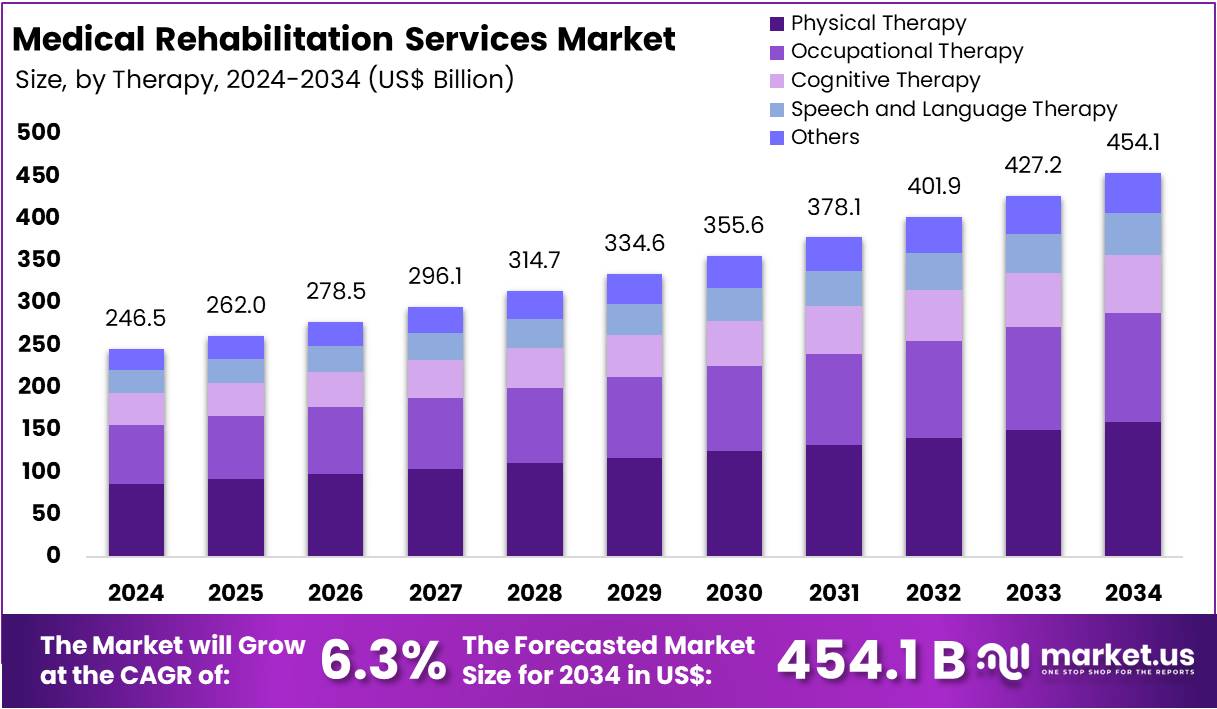
The Global Medical Rehabilitation Services Market is expected to rise substantially. Its size is estimated to reach around US$ 454.1 Billion by 2034, growing at a CAGR of 6.3% during the forecast period from 2025 to 2034. The medical rehabilitation services sector has enjoyed robust growth, driven by demographic changes, the rise of chronic illnesses, and initiated global policy. A whopping estimate of 2.41 billion individuals worldwide require rehabilitation, marking a 63% upsurge since 1990, underscoring its critical importance in contemporary healthcare systems.
Demographics play a significant role in this demand for rehabilitation services. The number of people aged over 60 is anticipated to double by 2050, a population more prone to health issues impairing physical function and quality of life. This demographic shift, coupled with trends in noncommunicable diseases (NCDs), has intensified the necessity for comprehensive rehabilitation services globally.
Noncommunicable diseases and injuries contribute significantly to rehabilitation needs. While NCDs such as heart disease and diabetes are major drivers of disability, injuries from road accidents and falls also play a critical role. With every person who dies due to injury, many survive and require long-term rehabilitation. This dynamic emphasizes the need for expanded rehabilitation services across both low- and high-income regions.
Despite the increasing demand, access to rehabilitation services is a challenge, particularly in low-to-middle-income countries. A variety of factors, such as a shortage of skilled professionals, inadequate infrastructure, and limited funding, contribute to this gap. Efforts to overcome these barriers include advancements in tele-rehabilitation services that offer therapy remotely, especially in underserved regions.
Notably, the medical rehabilitation services market is expected to expand considering the global demographic trends and increasing recognition of its significance within healthcare systems. They play a crucial role in bridging the divide between patients and their functional outcomes, thereby enhancing the quality of life of individuals worldwide. As such, addressing access barriers and workforce shortages is essential for meeting the growing demand.
The integration of artificial intelligence (AI), robotics, and wearable technology in rehabilitation therapies is a trend transforming the medical rehabilitation services market. Wearable devices, for example, allow patients to continue therapy outside traditional clinical settings, providing real-time monitoring and feedback.
The U.S. tariffs have impacted the medical rehabilitation services sector by increasing equipment costs and disrupting supply chains. However, the effects have also stimulated domestic manufacturing of medical supplies to shield against inflated costs and supply shortages. Physical therapists and other healthcare professionals are anxiously anticipating the integration of AI in their practices, while the expansion of tele- and digital health platforms offers significant opportunities for the medical rehabilitation services market.
Rehabilitation providers worldwide are continually exploring new ways to expand and improve their services. Key market leaders, such as Shirley Ryan AbilityLab, Prism Medical, and the Icahn School of Medicine at Mount Sinai, are offering more comprehensive and versatile treatment plans. Substantial funding from organizations like the National Institutes of Health is further accelerating advances in prosthetic limb functionality for amputees.
While the future of the medical rehabilitation services market looks promising, financial barriers and insurance limitations pose significant restraints. Despite rising demand, insurance coverage remains limited in many regions. However, initiatives are underway globally to bridge the healthcare gap by introducing universal health coverage and promoting domestic manufacturing of medical supplies. The medical rehabilitation services sector is therefore poised for continued growth and innovation.
Sources:
 Physical Therapy Services Now Available at Sanford West Fargo
 New physical therapy practice opens in Cranford
- Vyana Expands Online Physiotherapy Services for Global Patients
 KKU Physical Therapy Elevates Sports Services, Launches Sport PT Mobile Clinic
 State of Direct Access to Physical Therapist Services: A Report from the American Physical Therapy Association
 Medical Rehabilitation Services Market Size | CAGR Of 6.3%

