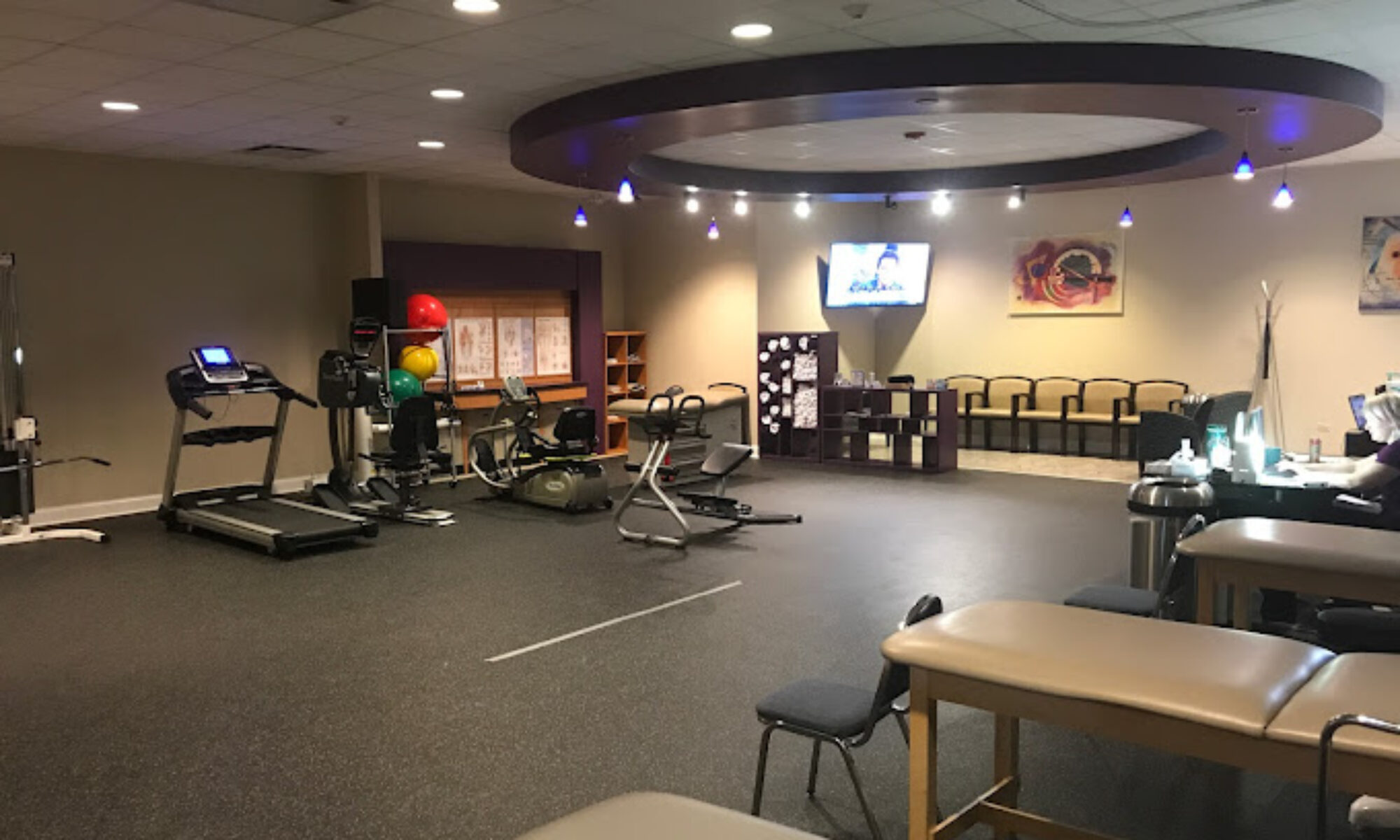

The availability of physical therapy services continues to expand, with new treatment centers catering to diverse patient needs. Two recent cases reflect this evolution in the industry.
The Utah State University (USU) recently introduced a clinic offering physical therapy services. Located within the Sorenson Legacy Foundation Center for Clinical Excellence on the Logan campus, the facility aims to support the northern Utah residents. The clinic includes a special Hydroworx pool for aquatic therapy, previously exclusive for research.
Community access to such modern facilities signifies an evolution in physical therapy services. According to Gretchen Peacock, Director of the Sorenson Center, the addition of physical therapist Megan Bressel enables the center to offer new services like manual therapy, therapeutic exercise, and aquatic therapy.
These services incorporate different sophisticated techniques, from muscle energy techniques to movement diagnoses and joint manipulations. One of the highlights of the services in the new clinic is the Hydroworx pool. According to Bressel, this pool, equipped with resistance jets and a variable-speed underwater treadmill, enables various therapeutic water-based exercises.
The pool is beneficial to individuals with balance disorders or recent fractures as the buoyancy, drag forces, and hydrostatic pressure in the water facilitate the healing process. Bressel emphasizes the use of the pool’s unique features to administer targeted treatments for various conditions. Further, the availability of pool-based and land-based treatments during each physical therapy visit optimizes patient outcomes.
The Sorenson Center is currently welcoming new patients to experience these modern facilities and receive custom-tailored treatments. Most insurances are accepted, and appointments can be scheduled online.
In another part of the physical therapy world, Dr. Sean Wells, a mobile physical therapist in Northern Florida, is fighting against federal laws that prohibit physical therapists from opting out of Medicare. Dr. Wells established his practice in 2011 as a cash-based physical therapy clinic, offering out-of-pocket pay options free from insurance complications.
Although the Medicare Act allows most licensed providers to opt-out, PTs are excluded from the list. Dr. Wells and the United Physical Therapy Association (UPTA), founded by Dr. Scott Gardner, are contesting this rule in a federal lawsuit. They argue that this exclusion leads to unintended and negative patient outcomes, especially for those who require specialized treatment exceeding Medicare’s coverage limits.
Dr. Wells’s patients, many of whom are seniors or individuals with serious illness or physical limitations, strongly rely on his at-home services to maintain their strength and independence. Yet upon crossing the age threshold for Medicare, these patients are forced out of his care, resulting in additional burdens.
Calling these regulations irrational and harmful, Dr. Wells and UPTA, with the help of the Pacific Legal Foundation, are challenging the Medicare ban on private-pay physical therapy. They aim to maintain the right to serve willing patients and protect their livelihoods, believing that patients should be able to pick their provider.
In conclusion, physical therapy is increasingly being recognized as a critical component of comprehensive healthcare. As exemplified by USU’s modernized clinic and Dr. Wells’s legal pursuit, the field continuously adapts to patient needs and works towards developing integrated and optimal models of care. As physical therapy services expand and evolve, these examples remind us about the importance of accessibility and patient autonomy in healthcare.
Title: Expanding Physical Therapy Services: Sanford Health West Fargo & JAG Physical Therapy Incorporates More Complex Treatments
Sanford Health West Fargo in North Dakota has recently announced the expansion of its services to include physical therapy facilities. This expansion aims to assist patients in their rehabilitation process, promoting the return to their usual routines and helping to prevent future injuries. Physical therapists at Sanford will offer a personalized touch, working one-on-one with patients to create a program tailored to their recovery needs.
David Tompkins, the lead physical therapist at Sanford Health, expressed excitement at the opportunity to reach out to the local community. “Physical therapy plays such a big role in our patient’s recovery and goal of returning to normal life. This new location helps us expand our services and also invests in providing care close to home,” he said.
This development highlights a growing recognition of the crucial role that physical therapy plays in health care provision. Sanford Health’s professional therapists specialize in a variety of services and therapies, aiming to cater to a wide range of patient needs. Treatments available will include dizziness and imbalance treatment, dry needling, LSVT BIG treatment for Parkinson’s, lymphedema therapy, orthopedic care, pain management, postoperative services, stroke rehabilitation, and women’s health care.
On the East Coast, a similar drive towards expansion and diversification of physical therapy services is taking place. JAG Physical Therapy opened its eighth Union County location in June 2025. Located in Cranford, New Jersey, the new facility specializes in general orthopedic, sports, and soft tissue injuries. With over 165 practices, JAG Physical Therapy is an established provider and already works with prominent sports teams, including the New Jersey Devils, Columbia University Athletics, and Princeton University Athletics.
Cranford mayor Terry Curan praised the company’s impact on the community in a recent statement. “Your slogan, ‘get back the life you love,’ hits home for me as a trauma surgeon,” he said. “The job of physical therapists makes a big impact in the lives of those you treat. We are so excited to have you here.”
The Cranford facility offers a comprehensive range of treatments, including physical therapy, concussion rehabilitation, sports medicine, and an innovative at-home program. Patients can self-refer and begin to work with a therapist for up to 30 days before needing a referral for continued services.
Matt Cirelli, JAG PT Clinical Services Executive Director, noted the importance of physical therapy within local communities. “Cranford is a special town, not just for the downtown, the parades and events, but for the people. The people rally around each other here, and the fabric of the community is based on small businesses,” said Cirelli.
The enhancement of physical therapy facilities is crucial considering the increasing need for such services in contemporary society. It is a cornerstone of modern medicine, aiding in recovery from injuries, managing chronic conditions such as arthritis, and assisting in the rehabilitation of stroke victims. These recent expansions by Sanford Health West Fargo and JAG Physical Therapy demonstrate an important commitment to delivering comprehensive physical therapy services to meet the growing needs of their local communities.
Physical therapy is continuously evolving to offer more complex treatments and contribute to the well-being of patients. With every new facility opened, physical therapy continues to assert its position as an essential component of comprehensive health care services. The recent moves by Sanford Health West Fargo and JAG Physical Therapy provide clear examples of the way in which providers are innovating their therapeutic services to offer personalized, patient-focused care.
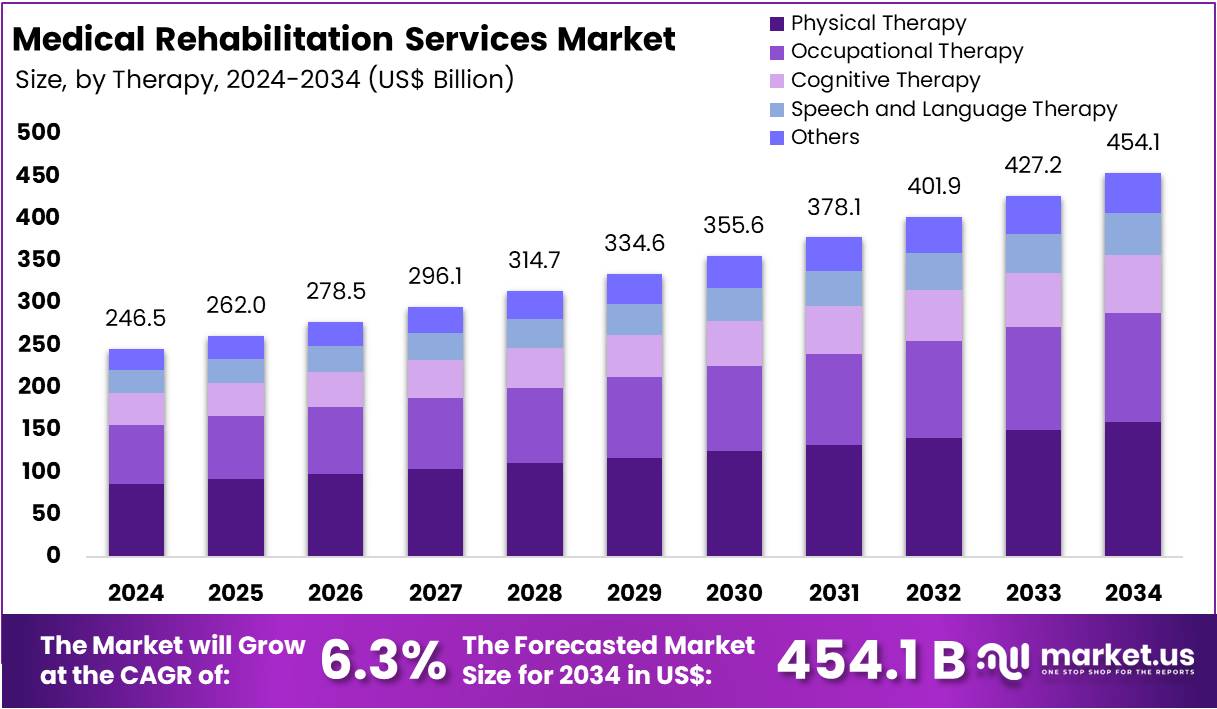
The global physical therapy and rehabilitation services market has been projected to reach a staggering US$ 454.1 billion by 2034, experiencing significant growth with a Compound Annual Growth Rate (CAGR) of 6.3% between 2025 to 2034. Such growth has been driven by factors such as the increasing prevalence of chronic diseases, demographic shifts, global policy initiatives, and greater access to therapy. This has resulted in increasing demand and accessibility for patients, with all U.S states, including the District of Columbia and the U.S. Virgin Islands, offering direct access to physical therapists for evaluation and treatment without referral.
The APTA’s report on the state of direct access to physical therapist services offers a strategic resource designed to equip healthcare leaders with the scientific evidence they need to address opposition to direct access. Examples of barriers that limit access to PT services include state-level advocacy, payer policies and contract negotiations, facility policies, and consumer awareness.
The medical rehabilitation services sector has experienced robust growth due to the rising prevalence of chronic diseases, demographic changes such as an aging population, and global policy initiatives. According to the World Health Organization (WHO), approximately 2.41 billion individuals worldwide were living with health conditions requiring rehabilitation in 2019. However, access to rehabilitation remains a challenge, particularly in low- and middle-income countries. In some areas, there are fewer than 10 skilled rehabilitation practitioners per 1 million people. To address this, advancements like telerehabilitation are being promoted to overcome these barriers by delivering therapy remotely, especially in underserved regions.
Physiotherapy, in particular, has secured a leading position in the Therapy Segment, accounting for more than 36.2% of the overall market share in 2024. This is due to the high demand for musculoskeletal rehabilitation and post-surgical recovery programs – further influenced by an increase in orthopedic surgeries and sports injuries and a growing awareness of the benefits of physical rehabilitation among patients.
Innovative trends include the integration of artificial intelligence (AI), robotics, and wearable technologies in rehabilitation therapies. These techniques are dramatically improving personalized recovery programs and patient outcomes, optimizing therapy outcomes through machine learning and natural language processing. Robotic technologies support the precise and repetitive movement exercises essential for neuromuscular re-education. Simultaneously, wearable technologies enhance real-time monitoring and feedback pathways.
Despite the promising growth and advancements in the global physical therapy and rehabilitation market, there remain potential barriers. Financial restrictions and insurance limitations inhibit access to needed care for many, with out-of-pocket expenses deterring essential treatment continuance. In the United States, co-payments for therapy services can reach up to $75 per visit, making continuous rehabilitation financially burdensome. Similarly, tariffs on imported medical supplies have caused disruptions in delivery networks, impacting patient outcomes and placing added strain on healthcare providers.
Numerous key players contribute to the drive in growth for the medical rehabilitation services market. These include Shirley Ryan AbilityLab, Prism Medical, Icahn School of Medicine at Mount Sinai, and the University of Chicago Medical Center. These and other institutions are developing advanced techniques, personalized programs, and evidence-based approaches to optimize the recovery and patient care. Many have adopted technological solutions such as remote patient monitoring, virtual therapies, and AI-integrated therapies to improve service quality.
October marks National Physical Therapy Month, a moment to acknowledge the critical role of physical therapy (PT) in healthcare. PT, a valid treatment technique, aids people in recuperating from injuries, disabilities, and health predicaments. The celebration of this healthcare service started as solid support from the American Physical Therapy Association (APTA) in the early 1980s to enhance public awareness on the broad spectrum of conditions physical therapists are equipped to treat, which now includes approximately 140 symptoms and conditions.
The Veterans Health Administration, the largest integrated health care network in the United States, currently employs 3650 Physical Therapists and Physical Therapist Assistants to deliver one-on-one care to the 9 million enrolled Veterans it serves every year. Physical therapists provide personalized treatment plans, addressing individual needs and specific goals related to a patient’s recovery and functional progress. This process also encompasses tracking progress and administering exercises for patients to perform at home.
A recent APTA publication reveals that inadequate physical activity incurs added health care costs of $117 billion in the United States, affecting the quality of life for millions of Americans. The profession now spans through diverse specializations, including Pain, Primary care PT, Amputee, Gerofit (exercise for older adults), Aquatics, and Pelvic/Women’s health.
One significant progression in this field comes from Vyana Care, expanding its online physiotherapy services globally to bridge geographical gaps and facilitate access to quality physiotherapy treatment. The World Health Organization estimates the burden ratio of musculoskeletal disorders to be at 1.71 billion people worldwide, causing disability. The prevalence of back pain, specifically, affects 619 million people globally, a figure projected to rise to 843 million by 2050.
Addressing geographical barriers and income disparities, Vyana Care provides structured, personalized rehabilitation for patients worldwide. The platform employs online physiotherapy, a meticulously crafted approach mimicking the in-person clinic procedures through secure video consultations. The digitized solution encompasses thorough examinations, assessment of movements, and comprehensive, personalized rehabilitation programs.
A common misconception about online physiotherapy is its perceived limitation to minor stretching or back pain treatments. Contrarily, services can span over various fields, including assessment and rehabilitation for chronic neck and back discomfort, shoulder problems like rotator cuff injuries and frozen shoulder, osteoarthritis or post-surgical knee pain, mobility and stability issues, cervical spine problems, postural corrections for office workers, and rehabilitation assistance for stroke recovery and Parkinson’s Disease management.
Vyana Care’s global access can alter treatment courses entirely, offering detailed, personalized programs monitored on a week-by-week basis. Many conditions, including chronic lower back pain, neck pain, post-surgery knee rehabilitation, shoulder recovery, and neurological conditions like Parkinson’s disease, respond remarkably well to remote physiotherapy treatments.
Modern online physiotherapy is also increasingly reliant on technology, enhancing remote assessment accuracy and treatment uniformity. AI-assisted movement analysis allows practitioners to gauge mobility and posture via videos, while digital tracking tools enable symptom recording, exercise completion documentation, and feedback exchange between sessions. Despite the technological advancements, the effectiveness relies heavily on clinical thought processes, assessment quality, personalization degree, and follow-up consistency.
Vyana Care foretells a significant shift in global healthcare systems, breaking away from the conventional ties of high-quality medical care to physical locations. With their cutting-edge platform, they promise quality assessment, personalized treatment, and equal care for patients worldwide, regardless of their financial capabilities or geographical positioning. This innovative approach is poised to change the healthcare landscape for the better, catering to people suffering from muscle and joint problems with limited rehabilitation options. This change is expected to cause a ripple effect in global healthcare, increasing the accessibility and efficiency of physical therapy world over.
Title: Bridging the Gap: A New Era of Physical Therapy
In the United States, the prevalence of joint disorders and low back pain has made these conditions among the most common reasons why adults seek medical attention. Physical therapy, a crucial aspect of treatment for these issues, remains inaccessible to many due to a shortage of physical therapists, geographical limitations, and insurance coverage constraints. However, technological advancements allowing for remote rehabilitation could potentially bridge this healthcare access gap.
As per official statistics, the demand for physical therapists has been consistently outpacing supply and will continue to do so. This concern is particularly pressing in rural areas. Additionally, insurance coverage for physical therapy services is both inconsistent and often unaffordable for many. A growing number of therapists do not accept insurance, further complicating access to necessary treatments.
Telehealth has emerged as a potential game-changer in this context. It enables technology-driven remote care through a range of options from interactive systems, video sessions with individual therapists, or app-oriented programs.
Experienced physical therapists, like Carmen Cooper-Oguz, view telehealth with optimism. Cooper-Oguz, based in rural Mississippi, commenced her career visiting multiple locations to care for her patients, often sacrificing her wellbeing and efficiency in the process. Telehealth, she believes, would allow her to treat more patients without compromising the quality of care. She sees potential for lower barriers to rural care, particularly if Medicare were to cover telehealth and facilitate direct access to physical therapy without requiring other provider referrals.
Telehealth options such as therapy via Skype have already caught on with therapists like Lara Heimann. The majority of Heimann’s online clientele reside in rural locations, further highlighting the potential of this platform for therapists and patients in remote regions. Furthermore, telehealth offers a solution to issues of higher out-of-pocket costs and provides an affordable middle ground for care, balancing both quality and efficiency.
A shining example of the digital shift in physical therapy services is a high-tech product called VERA (Virtual Exercise Rehabilitation Assistant). It is an at-home device that guides patients through exercises, offering real-time 3-D feedback. The system allows for virtual visits, ensuring an affordable, low monthly expense compared to traditional per-visit charges.
A recent clinical trial conducted by Duke University showed that VERA users showed equal progress to traditional therapy recipients following knee-replacement surgery, with added advantages of fewer rehospitalizations and cheaper costs (averaging savings of $2745 per patient).
Similarly, another app called “Kaia” has illustrated the potential benefits of digital therapy for low back pain. The app uses a comprehensive approach combining guided exercises, patient education, and mindfulness techniques, and has been shown to be effective in reducing pain. This has triggered interest among insurance companies, who see potential cost savings in digital rehabilitation.
Physical therapists clarify that while telehealth is a promising tool to improve the accessibility of services, it cannot entirely replace in-person therapy. However, its potential to function as an extension of traditional therapy, amplifying the effectiveness of at-home programs and making treatments more cost-effective, is significant.
Despite the promising developments, experts like Thomas Tölle, leader of an interdisciplinary pain-research group at the Technical University of Munich, maintain that patients should see a clinician in person whenever possible before choosing remote therapy. However, for many patients – including the 30 percent of acute back pain cases that develop into chronic pain – the use of digital tools in the treatment process presents an opportunity for better healthcare access and potentially significant cost savings. With annual chronic pain treatment in the US amounting to an estimated $560 billion, digital solutions like telehealth could represent a transformative shift in the landscape of healthcare services in these fields.
In conclusion, while physical therapy’s pivot to remote, tech-enabled services is still in its infancy, its potential is tremendous in bridging the healthcare access gap. It could save billions of dollars annually and, most importantly, ensure that patients receive quality care, regardless of their geographical location or financial constraints.
Sources:
 Dr. Sean Wells, et al. v. Kennedy, et al.
 Physical Therapy Services Now Available at Sanford West Fargo
 New physical therapy practice opens in Cranford
 State of Direct Access to Physical Therapist Services: A Report from the American Physical Therapy Association
 Medical Rehabilitation Services Market Size | CAGR Of 6.3%
 National Physical Therapy Month: A Quality of Life Healthcare Service | VA Battle Creek health care | Veterans Affairs
 Virtual Physical Therapy Could Help Fill Gaps in Treating All Too Real Pain

