Physical Therapy News, Treatments and Services – March 29, 2026

Physical therapy is recognized for its essential role in aiding patients on their way back to mobility, strength, and independence. Recent developments at Utah State University (USU) and within Federal parameters have cemented physical therapy’s significance and highlighted areas needing change within its practice.

Utah State University has opened a physical therapy clinic as part of the Sorenson Legacy Foundation Center for Clinical Excellence, which offers a plethora of services including manual therapy, therapeutic exercise, and the unique therapeutic feature of aquatic therapy.

For northern Utah residents, this state-of-the-art facility introduces a method to treat physical aches, reduce pain and regain functional mobility. The USU clinic is led by experienced professional, Megan Bressel, who brings new and improved physical therapy methods to the Center.

One intriguing development is the Hydroworx pool’s introduction, which allows for aquatic physical therapy. The pool’s benefits include its adjustability which gives those who are mobility-challenged the ability to enter the water safely. It also features jets to provide resistance training and an underwater treadmill that can be adjusted for varying speeds. Given that aquatic therapy can offer resistance, buoyancy, and hydrostatic pressure benefits, Bressel insists that it can provide an accelerant to the healing process.

However, these advancements in physical therapy are counterbalanced by the hurdles faced by some practitioners when serving Medicare beneficiaries. Dr. Sean Wells, who operates a mobile physical therapy practice in Northern Florida, has been forced to refrain from treating many patients due to their Medicare status.

Dr. Wells established his business in 2011 as one of Florida’s first cash-based physical therapy initiatives, a model that allows both patients and providers to bypass the limitations and paperwork of insurance systems. Despite this, physical therapists are not listed among professionals who have the legal right to opt out of Medicare and establish private contracts with Medicare beneficiaries.

The law’s bureaucratic technicality, which sees physical therapists classified neither as “physician” nor “practitioner,” poses a significant hindrance to patient care. Prevented from treating Medicare patients, physical therapists face potential severe penalties and professional alienation. This rule means physical therapists must halt treatment in times of patient health crises.

To combat this issue, Dr. Scott Gardner formed the United Physical Therapy Association (UPTA) in 2024. UPTA advocates policies that widen healthcare accessibility and empower providers to offer cash-based services to Medicare patients.

With backing from Pacific Legal Foundation, Dr. Wells and UPTA have launched a federal lawsuit aiming to challenge Medicare’s discriminatory ban on physical therapy services undertaken through private-pay. Dr. Wells maintains that patients ought to choose their provider and that professionals should be free to perform their duties without fear of government backlash. The lawsuit emphasizes the constitutional right to equal treatment and the capability to earn a living, free from arbitrary government interference.

The recent developments within physical therapy underline its evolving status within the healthcare arena. Despite regulatory hurdles and bureaucratic issues, the emphasis remains on providing accessible, flexible, and efficient facilities and treatment to patients, furthering its presence as a fundamental part of healthcare provision.

Physical therapy services are making headway into mainstream healthcare, with a variety of treatments now available and increasingly accessible. Physical therapy, a vital part of the rehabilitation process, is now being offered by Sanford Health West Fargo, where patients can work one-on-one with experienced therapists.

According to Sanford Health lead physical therapist, David Tompkins, physical therapy is crucial to patients’ recovery and return to their normal lives. Sanford provides a range of specialized services and therapies, including dizziness treatment, dry needling, LSVT BIG treatment for Parkinson’s, lymphedema therapy, orthopedic care, pain management, postoperative services, stroke rehabilitation, and women’s health care services.

Sanford West Fargo offers physical therapy Monday to Friday, aiming to be a convenient choice for residents seeking high-quality treatment. However, for those unable to physically access therapy centers, global patients now have a newfound access to physiotherapy through online services such as Vyana Care.

Virtual physiotherapy has now become a viable solution in overcoming geographical distance barriers, replacing frustrating waiting times and extended drives with immediate access to professional care. Vyana Care has expanded its online offerings to cater to patients worldwide. This aligns with the paradigm shift in healthcare, whereby high-quality care is not dependent solely on proximity to physical locations.

The World Health Organisation estimates that approximately 1.71 billion people suffer from musculoskeletal issues, representing the leading cause of global disability. Back pain is the most common cause, affecting nearly 619 million people – a figure projected to rise to 843 million by 2050.

However, access to high-quality physiotherapy is inequitable, with waiting time, cost, and lack of trained personnel preventing patients from receiving the necessary treatment. Vyana Care seeks to address this disparity by providing personalized online physiotherapy to patients across the globe.

Contrary to the perception that online physiotherapy equates to simple YouTube exercises, virtual physiotherapy is a structured and clinically-led process that mirrors in-person clinic procedures. It begins with a certified physiotherapist conducting a comprehensive examination via video consultation, followed by the design of a customized rehabilitation program. The patient undergoes specific exercises with regular follow-ups to monitor and adjust the regimen.

A wide range of physiotherapy treatments is available through virtual care, including chronic neck and back discomfort, shoulder injuries, knee pain, stability and mobility problems, cervical spine issues, postural corrections, neurological rehabilitation, sports injuries, and more.

Global access to virtual care represents a significant step in democratizing healthcare. It ensures that geographical location, financial constraints, or any other barriers do not hinder patients from receiving quality clinical care. Platforms like Vyana Care are pivotal in this transformation, where patients worldwide can get top-quality, personalized care previously only available to those in specific regions or income brackets.

The physical therapy sector continues to expand and innovate, offering increasingly customized and efficient treatments for a range of conditions. One significant development recently was the opening of a new JAG Physical Therapy practice in Cranford. This is the eighth JAG location in Union County and it offers comprehensive physical therapy treatment, concussion rehabilitation, sports medicine, and at-home program services. The company focuses on creating personalized treatment plans for patients suffering from general orthopedic, sports and soft tissue injuries.

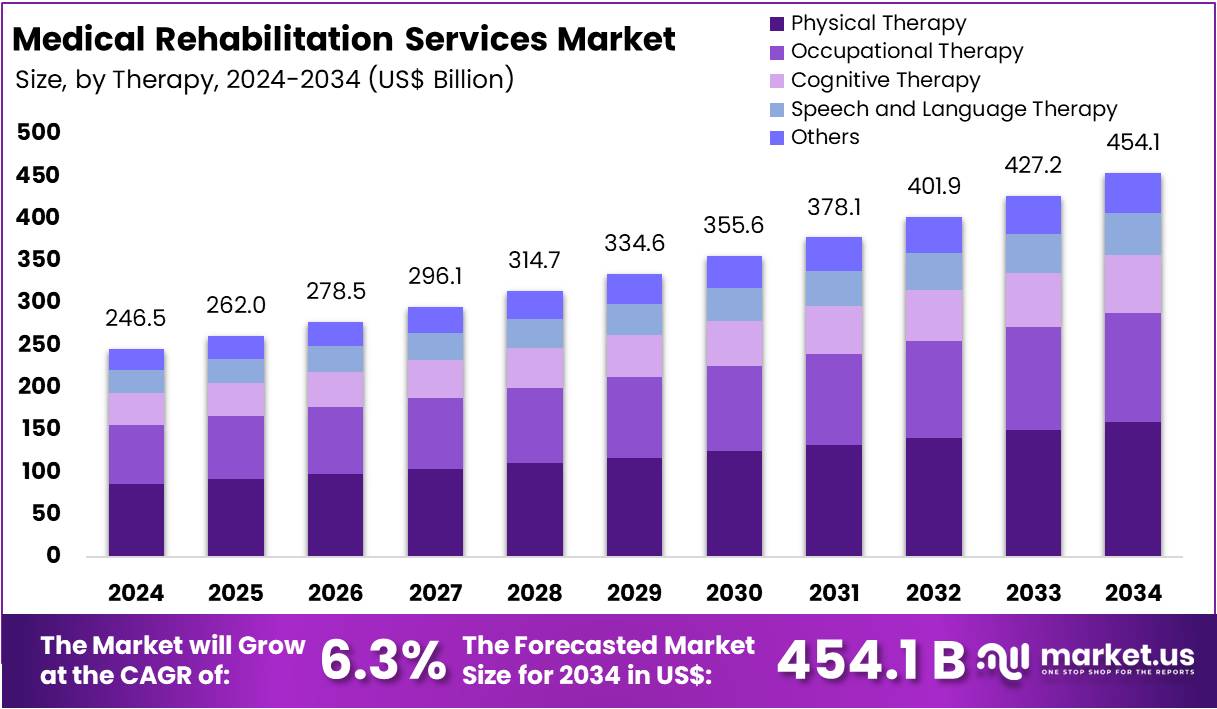
The global medical rehabilitation services sector is projected to grow significantly, driven by demographic shifts and the rising prevalence of chronic diseases. By 2034, the market is expected to be worth around US$ 454.1 Billion, expanding from US$ 246.5 Billion in 2024 at an annual growth of 6.3%. North America currently dominates the market, accounting for over 45.9% of the global share in 2024.

Physical therapy held the leading position in the therapy segment in 2024, due to the high demand for musculoskeletal rehabilitation and post-surgical recovery programs. The orthopedic section was predominant in the application segment, followed by the cardiologic section, which is expected to grow due to the increasing burden of cardiovascular diseases.

However, the sector faces some significant challenges. U.S. tariffs have increased the cost of essential medical equipment, causing some disruptions in the medical services supply chain which can affect patient outcomes. Also, financial barriers and insurance limitations impose restrictions on patient access to rehabilitation services, particularly in low- and middle-income countries.

Despite these challenges, there are opportunities for growth. Tele-rehabilitation and digital health platforms are gaining traction as they facilitate the remote delivery of physical therapy services. Also, the integration of advanced technologies like AI, robotics, and wearables into rehabilitation therapies continues to drive the evolution of the industry.

Moving forward, the expansion of tele-rehabilitation and wearable technology offers significant opportunities for the sector, enabling therapists to reach more patients and deliver personalized and efficient care remotely. With the continued support of global initiatives to strengthen rehabilitation services and the expanding adoption of advanced technologies, the physical and occupational therapy sectors are set for significant growth in the coming years. This expansion will provide enhanced and more accessible services for patients globally, helping to improve functional outcomes and the quality of life for many.

“State of Direct Access to Physical Therapist Services” to use this comprehensive resource to better understand the opportunities and challenges of driving unrestricted access to physical therapy services.

3. Iowa City’s Innovative Physical Therapy offers virtual appointments amid pandemic

Iowa City’s Innovative Physical Therapy has adjusted to the challenges brought about by the pandemic, offering virtual appointments to patients who need the services but cannot leave their homes. This innovative move uses telehealth to provide physical therapy services, including picking up on physical cues via a video chat to guide patients through their exercise routines.

Clinic Director Jake T. Powell shares that so far, the online consultations have been successful and greatly appreciated by patients, especially the elderly and those with mobility issues. The platform is used to discuss treatment plans, instruct patients on specific exercises, and allow patients to ask questions directly to the therapists, all in the safety of their home environment.

However, Powell also mentions that they still offer in-person services for those who prefer them, maintaining a safe and sanitary environment by closely adhering to COVID-19 guidelines set by public health officials. The combination of virtual and in-person sessions allows flexibility for their clients and ensures accessibility of services.

4. MobilityFit Physical Therapy Adds New Pain Management Services

MobilityFit Physical Therapy in Cincinnati, Ohio, has expanded its service offerings by adding new pain management therapeutic services to its existing catalogue. The move is geared towards catering to an increasing number of patients suffering from chronic pain, a widespread issue exacerbated in part by the ongoing pandemic, causing people to be less active and sit for longer periods.

Added services include neural mobilization, a gentle technique aimed at relaxing the nervous system; myofascial release, a therapy that involves applying gentle, sustained pressure into the myofascial connective tissue layers; and manual lymphatic drainage, a type of massage that encourages the natural drainage of the lymph from the body tissues.

The therapists at MobilityFit Physical Therapy are also trained in cognitive behavioral therapy techniques to help patients manage their pain more effectively. The clinic strives to take a holistic approach to pain management, integrating physical treatments with psychological interventions to achieve the best possible outcome for their patients.

5. Trends in Physical Therapy: Emphasis on Wellness and Preventive Care

Physical therapists are increasingly focusing on wellness and preventive care, in contrast to the traditional reactive model of healthcare. Therapists are offering sessions focused on improving mobility, strength, and balance, all aimed at reducing the risk of injuries and health issues down the line.

Furthermore, physical therapists are utilizing equipment such as wearable technology to monitor patients’ movement and provide feedback on their performance. This innovative technology allows therapists to measure progress effectively and make personalized adjustments to each patient’s treatment plan.

In a bid to combat the rise of sedentary behavior and poor posture due to the increase in remote work, therapists are also introducing office ergonomics programs, conducting assessments, and providing recommendations for arrangement and use of workspaces, helping to minimize physical strain and prevent work-related musculoskeletal disorders.

6. Physical Therapy Research Highlights: The Power of Exercise for Mental Health

A research study published in the Journal of Physical Therapy Science revealed that regular exercise can improve mental health conditions such as depression and anxiety. The study looked at 123 participants, aged 60 and above, and found that those who engaged in a regular physical therapy regimen reported a significant improvement in their mental wellbeing.

Planned and supervised by trained physical therapists, the exercises focused on increasing strength, improving balance, and promoting mobility – all of which contribute to not just physical wellbeing but also mental health. The study underscores the role of physical therapy in the spectrum of healthcare services, reiterating that it doesn’t only treat physical ailments but also contributes significantly to mental health rehabilitation.

7. Future Prospects: AI and Robotics in Physical Therapy

While the human touch, understanding, and empathy play crucial roles in physical therapy, the field isn’t immune to the ongoing technological revolution. Developments in AI and robotics might change the way therapists conduct their practice in the future.

Already, robotic device-assisted therapies for stroke patients have seen promising results, helping them regain motor functions more efficiently. AI, in tandem with wearable devices, can provide valuable data and predictive analytics to help therapists design personalized treatment plans.

While AI and robots will never fully replace human therapists, they can serve as invaluable tools that aid in the goal of providing patients the best possible care. Combining technological advancements with human expertise will enable therapists to deliver physical therapy services that are effective, personalized, and cater to a broad range of patient needs.

Investing in physical therapy is an investment in overall health, offering individuals a chance to live their lives fully and actively, regardless of their age or physical conditions. Whether to recover from an injury, manage chronic pain, improve mobility, or simply to stay fit and healthy, physical therapy services have proven integral in the current healthcare landscape, and they will continue to serve a critical role in the future.

Physical therapy (PT) is a crucial aspect of healthcare that serves to help patients heal from injuries, disabilities, and health conditions. Celebrated in October, National Physical Therapy Month aims to highlight the significant role PT plays in improving quality of life. This profession has not only gained recognition for its effectiveness but is also crucial in the Veterans Health Administration (VHA), the largest integrated healthcare network in the U.S.

Currently, the VHA includes 3650 Physical Therapists and Physical Therapist Assistants spread across 1,255 healthcare facilities nationwide, extending comprehensive services to the 9 million Veterans enrolled each year. Given the vast symptoms and conditions that PTs are trained to treat, a physical therapist’s role is of paramount importance.

Battle Creek VA Medical Center (BCVAMC), a part of the VHA, is expanding its clinics currently based in Battle Creek, Wyoming, and Lansing to include Muskegon and Benton Harbor. These facilities’ PTs cater to an exhaustive list of nearly 140 symptoms and conditions recognized by the American Physical Therapy Association (APTA).

Common issues that PTs evaluate and treat include Amputations, Arthritis, Back Pain, Carpal Tunnel Syndrome, Fractures, Joint Replacement, Knee Pain, Pelvic Floor Disorders, Sciatica, Spinal Cord Injury, Sports Injuries, and Stroke. Different treatments apply to different cases, with PTs providing individually tailored treatment plans to address these patients’ specific needs and goals.

Despite the generalized perception of PT as just an instructive exercise regime, it goes far beyond that. The primary aim of PT is to facilitate recovery and enhance overall functionality, provided the patients are willing to put in the necessary work.

With military service members subjecting their bodies to varying degrees of stress due to numerous military and humanitarian operations, PT generally becomes their bridge to a better state of physical functionality. However, that does require a certain amount of dedication from the patients’ side, as highlighted by Kaitlin Ezinga, a physical therapist under the BCVAMC.

Noting that the benefits reaped from PT are directly proportional to the amount of effort invested in it, Ezinga expressed her satisfaction in seeing major improvements in patients’ abilities and their return to activities they previously struggled with. Positive feedback from patients is not only rewarding, but it also enriches the overall therapeutic journey, instilling a sense of achievement in the therapists.

The BCVAMC currently has a team of 19 physical therapists, 6 physical therapy assistants, and has an expansion plan underway to cover 21 counties with focused provisions for Pain, Primary care PT, Amputee, Gerofit (exercise for older adults), Aquatics, and Pelvic/Women’s health.

PT has a profound effect on the quality of life, with inadequate physical activity leading to an additional $117 billion in health care costs in the U.S along with reduced quality of life for millions of Americans. However, the use of PT in treating various conditions such as osteoarthritis of the knee, carpal tunnel syndrome, and low back pain, among others, has proven to be beneficial and cost-effective.

Based on APTA’s net benefit analysis of PT services per episode of care for eight conditions, they concluded cost-saving ranging from $2,144 for falls prevention up to $39,533 for carpal tunnel syndrome. Considering these numbers, the perception of PT is shifting from an optional supportive practice to an essential component of healthcare, improving health outcomes, and reducing overall treatment costs.

Particularly in a context like the VHA, working with Veterans who often bear the physical tolls of their service, the positive impacts of physical therapy become even more apparent. Ezinga, relishing in the privilege of serving those who have served the country, epitomizes the mutual respect and appreciation that bind physical therapists and their patients in a rewarding therapeutic relationship.


Sources:

Physical Therapy News, Treatments and Services – March 22, 2026

The recent announcement of esteemed educational institution Utah State University (USU) to introduce a physical therapy services clinic, as part of the Sorenson Legacy Foundation Center for Clinical Excellence, offers northern Utah residents access to state-of-the-art physical therapy services. Gretchen Peacock, director of the Sorenson Center expressed enthusiasm over the newest addition to their center, particularly highlighting the benefits of the Hydroworx pool for aquatic therapy. This unique feature allows patients with recent fractures who struggle with maintaining balance to be safely lowered into the water, thereby lessening potential hazards.

The headlining physical therapist for the center, Megan Bressel, shared that apart from aquatic therapy, patients can expect comprehensive services such as manual therapy, therapeutic exercise, and patient education sessions. Based on her 30 years of experience in the field, Bressel affirmed that the pool facility provides several modalities for healing, such as buoyancy, hydrostatic pressure, and drag forces. Therapists can use these techniques to ameliorate, accelerate, or enhance the patient’s recovery process.

Meanwhile, in Northern Florida, Dr. Sean Wells is fighting a federal lawsuit to challenge Medicare’s arbitrary exclusion of private-pay physical therapy, a policy that prevents him from providing care to many seniors and disabled patients who are unable to travel to a clinic. Though he founded his business in 2011 as one of Florida’s first cash-based physical therapy services, Dr. Wells is legally barred from treating patients on Medicare.

This restriction, despite the progressive trend towards an out-of-pocket healthcare model, stems from a bureaucratic technicality – physical therapists are not classified as “physicians” or “practitioners”, contributing to a narrow-minded view of their capabilities and potential.

While the Medicare Act allows most licensed providers to opt out of Medicare and make private contracts with Medicare beneficiaries, physical therapists are notably excluded from this list. Even more problematic, the law even allows physical therapists to treat beneficiaries for services not medically necessary. However, if the patient’s condition changes and requires clinical rehab, the physical therapist must immediately halt treatment.

This glaring loophole forces Dr. Wells and other physical therapists to sometimes part ways with long-running patients as they transition into Medicare upon reaching 65. As physical therapists, they face heavy sanctions like fines and potential ejection from their profession for attempting to navigate the paradoxical existing legal frameworks. The United Physical Therapy Association (UPTA), created by Dr. Scott Gardner in response to the barriers imposed by Medicare, is advocating on behalf of physical therapists across the nation to rectify this situation.

Leveraging pro-bono representation from the Pacific Legal Foundation, Dr. Wells and UPTA are pushing back against this ban. They argue that the Medicare Act unfairly discriminates against physical therapists and patients by limiting their ability to choose a suitable healthcare provider who can deliver the best medical treatment for their needs. Moreover, it constraints the physical therapists’ right to serve patients and earn a living free from undue interference from the government.

Two different sides of America are now witnessing significant developments in physical therapy, each with distinct narratives – one of expansion in Utah and another of intense legal debate in Florida. Both scenarios underline the imperative need to recognize the rights, skills, and contributions of medical professionals in the physical therapy field. It is high time traditional attitudes to change to create more inclusivity and accessibility in the healthcare sector.

Physical therapy services are growing increasingly popular as key facilities in healthcare extend their services. One such establishment is Sanford Health West Fargo, which recently started offering physical therapy services, enabling a closer reach to patients and the community at large. The offerings encompass a range of therapies and treatments, such as care for dizziness and imbalance, dry needling, LSVT BIG treatment for Parkinson’s, lymphedema therapy, orthopedic care, pain management, postoperative services, stroke rehabilitation, and women’s health care. As the Sanford Health lead physical therapist, David Tompkins, stated, the new facility serves to cope with the significant role physical therapy plays in a patient’s recovery.

Dry needling services, in particular, received a boost recently following the successful completion of a Functional Dry Needling Level 2 certification course by Alomere Health in conjunction with Evidence In Motion. Five professionals, including physical therapists from Alomere Health, Tyler Bentrup, Courtney Suppa, Scott Syverson and Lindsay Weller, plus Drew Paradis from Heartland Orthopedic Specialists, successfully completed the Level 2 certification course. As the Mayo Clinic explains, dry needling involves the insertion of one or more thin, monofilament needles into a muscle trigger point, which can often be due to injury, overuse, or poor movement patterns.

Scott Syverson expressed that the course provided an extensive, practical training with a crucial emphasis on safety and effective treatment of common problem areas from head to toe. Lindsay Weller added to these sentiments, emphasizing her ability to treat more complex muscles and areas of the body, such as the entire spine, deep muscles in the hip, foot and more.

Notably, achieving Level 2 certification demands a significant commitment to professional development. The rigorous requirements include completion of the Level 1 course, documentation of at least 100 dry needling sessions, considerable Level 2 pre-coursework, and demonstrating advanced competency during intensive in-person training.

Dry needling is one of several tools available to physical therapists. It can increase blood flow, assist in the relaxation of tight muscles, and improve the communication between nerves and muscles. This combination of improvements can significantly bolster the body’s movement and feelings. Furthermore, the service is available from the Heartland Orthopedics Physical Therapy Clinic and the Alomere Pavilion, enhancing the accessibility to evidence-based treatment options for patients within the Alexandria area.

Physical therapy has been consistently progressing, with a variety of new services being introduced to aid in treating patients more efficiently and effectively. This article highlights two recent examples; the opening of a new JAG Physical Therapy practice in Cranford and Khon Kaen University’s innovative launch of the Sport PT Mobile Clinic in Thailand.

JAG Physical Therapy, a renowned physical and occupational therapy practice with more than 165 locations, opened its new facility in Cranford. This is the eighth location in Union County. Cranford Mayor Terry Curan welcomed JAG to the community, appreciating the work done by physical therapists to improve patients’ lives.

JAG specializes in general orthopedic, sports, and soft tissue injuries. A unique aspect of their approach is personalized treatment plans tailored to each patient’s individual needs. Moreover, it is the official provider of physical therapy for reputed sports teams like the New Jersey Devils, Columbia University Athletics, and Princeton University Athletics.

The Cranford facility offers a range of services, such as comprehensive physical therapy treatment, concussion rehabilitation, sports medicine, and an elite at-home program. One standout feature is that patients can directly contact JAG without a referral from a doctor and begin treatment. A referral is only required after 30 days of treatment to continue services.

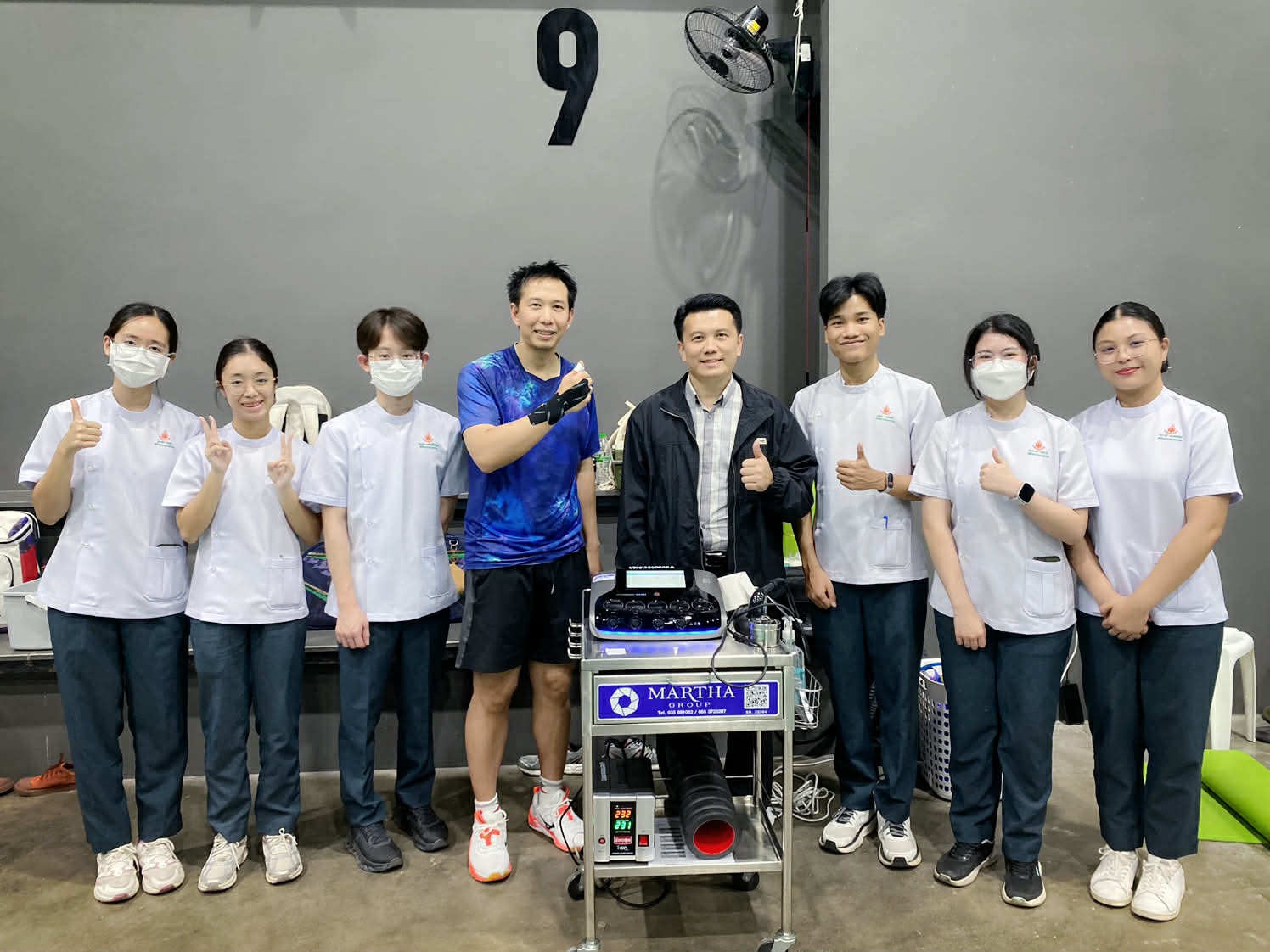
Meanwhile, the Physical Therapy Program at Khon Kaen University in Thailand has recently unveiled its Sport PT Mobile Clinic. The mobile clinic is an initiative to provide on-site physical therapy services to athletes who may suffer from training-related injuries and performance conditions.

This project included services provided at the KKU Sport Complex and PS Badminton Court, reaching over 100 professional and amateur athletes. The most common injuries treated involved body parts like the knees, hips, legs, shoulders, hands, back, and ankles. The treatments included a range of modalities such as electrical muscle stimulation, heat and cold therapy combined with ultrasound, elastic and sports taping, strength and balance training, and education on injury prevention and self-care.

Complementary to the treatments, the Sport PT Mobile Clinic facilitated a hands-on workshop for faculty members and students focusing on athletes’ body structure and performance evaluation using sports science principles. The workshop featured the guest speaker, Mr. Anurak Tatha, Head Coach of Northeast Academy Club.

The clinic provides a practical learning space for physical therapy students. It embraces a holistic approach, covering the entire scope of athlete healthcare from initial assessment, preventative measures, treatment, rehabilitation, and constant development of athlete performance.

In conclusion, physical therapy services are continuously expanding and evolving to improve patient treatment and care. The new JAG Physical Therapy facility in Cranford and Sport PT Mobile Clinic in Thailand are recent illustrations of this growing sector, aiming to offer innovative and specialized care that suits an individual’s specific needs, whether they are everyday post-traumatic people or dedicated athletes.

The physical therapy services in all 50 states, including the District of Columbia and the U.S. Virgin Islands, offers patients extensive access to treatments and therapies. Regardless of the access level, whether unrestricted or provisional, patients in these states can visit a physical therapist for evaluation and treatment without a referral. Understandably, provisions tied to treatment without a referral persist, particularly in several states. However, evidence is overwhelmingly in favor of unrestricted direct access due to its benefits to patients, providers, employers, payers, and the overall U.S. healthcare system. The American Physical Therapy Association (APTA) has designed a report to take on opposition facing direct access and drive meaningful changes.

The Global Medical Rehabilitation Services Market Size is expected to increase to around US$ 454.1 Billion by 2034, up from US$ 246.5 Billion in 2024. The sector’s growth, driven by demographic shifts and the prevalence of chronic diseases, is robust. It is projected to grow steadily at a 6.3% compound annual growth rate (CAGR) from 2025 to 2034. North America holds the dominant position in the market, contributing over 45.9% to the total market share and reaching a value of US$ 113.14 Billion.

The medical rehabilitation services sector is becoming increasingly important and is projected to expand further, encouraged by demographic trends worldwide and heightened recognition of rehabilitation’s value within the healthcare system. However, access remains a challenge, especially in low- and middle-income countries due to a shortage of trained professionals, limited funding, infrastructure problems, with less than ten skilled rehabilitation practitioners for every one million people in some areas.

The Medical Rehabilitation Services Market is divided into several segments, including Therapy, Setting, Application, and End-use. Physical Therapy led the Therapy Segment in 2024, accounting for over 36.2% of the overall market share. Outpatient section dominated the Setting Segment, capturing over 57.9% market share, and the Orthopedic Section lead in the Application Segment contributing to over 30.5% of the market. In addition, the Hospitals and Clinics segment held a leading position within the End-Use Segment accounting for over 45.2% of the total market share.

The trends driving the market’s growth include the growing prevalence of chronic diseases, the integration of artificial intelligence, robotics, and wearable technology into rehabilitation therapies as transformative solutions in the market. Countries worldwide also contribute to rehabilitation’s rapid expansion, with North America leading the way, capturing more than 45.9% of the market share and boasting an enviable market value of US$ 113.14 Billion in 2024.

Key market players such as Shirley Ryan AbilityLab, Prism Medical, and the Icahn School of Medicine at Mount Sinai are actively enhancing their capabilities to accommodate the growing need for extensive and personalized recovery solutions for patients. The market is set to experience sustained future growth, driven by the continuous innovation and expanding service accessibility through increased investments in technologies and initiatives to reshape rehabilitation services. Ultimately, the collective efforts from established and emerging players are leading to a dynamic and evolving rehabilitation services market.


Sources:

Physical Therapy News, Treatments and Services – March 15, 2026

The UT Health East Texas Rehabilitation Center has recently introduced a range of inpatient and outpatient rehabilitation programs aimed at helping patients restore mobility and functionality after severe illnesses, injuries, or surgeries. With a focus on providing inpatient services like hemodialysis treatment, occupational and physical therapies as well as outpatient rehab services including aquatics therapy and a specialized Parkinson’s disease program, the center seeks to offer its patients a continuum of care throughout their recovery process.

The inpatient rehabilitation program provides access to trauma care, diagnostic and laboratory services, hemodialysis services for nephrology patients, rehabilitation for limb loss, occupational therapies, and stroke rehabilitation amongst other offerings. Patient treatment plans are personalized and are developed by experienced medical professionals, aimed at maximum recovery and optimal health. Services such as psychology therapy and pastoral care are provided to address patients’ mental health, ensuring a holistic healing process. The inpatient unit, located on the third and fourth floors of the UT Health East Texas Rehabilitation Center, is equipped with transitional living apartments, therapy gyms, dining rooms, and state-of-the-art equipment to aid in recovery.

On the other hand, outpatient rehabilitation services emphasize on interventional therapies like aquatic therapy, cardiopulmonary rehabilitation, dry needling, and orthotic therapy. A distinctive offering is the center’s Parkinson’s program, developed to promote functional mobility, minimize the disease’s secondary impairments, and educate patients about safety. Ancillary services like speech therapy, splinting, total joint replacement therapy, and work conditioning are also part of the outpatient program.

The news of direct access to physical therapist services comes as a significant leap in rehabilitation and therapy services. The American Physical Therapy Association’s latest reports show patients across all 50 states, District of Columbia, and the U. S. Virgin Islands now have either provisional or unrestricted access to physical therapist services for evaluation and treatments, regardless of referrals. Nonetheless, opposition to direct access from stakeholders and persisting provisions tied to treatment have led to a call for a strategic plan to foster change. Thus, the report functions as valuable evidence supporting the benefits of unrestricted access not only to patients but also to healthcare providers, employers, payers, and the overall U.S. healthcare system.

The report furnishes an overview of direct access to physical therapists across different states, key insights for use in negotiation scenarios, and evidence to address concerns typically raised by insurers, regulators, and other parties. Advocacy and campaign tactics suggested by the association include constant advancement in state-level advocacy, influencing payer policies, changing facility regulations, and raising consumer awareness.

The UT Health East Texas Rehabilitation Center has been redefining the standard of physical therapy and rehabilitation with its commitment to personalized high-quality healthcare, along with the American Physical Therapy Association’s advocacy efforts to democratize access to critical health services. As the health landscape continues to evolve, such changes signify a significant expansion in the scope of rehabilitation services, offering greater convenience, and a broader range of treatment options for patients. Will physical therapy extend its reach further in the future? The answer looks promising.

Title: Physical Therapy Services Expand: A Look at Sanford West Fargo and Lance Corporal Dana Cornell Darnell VA Clinic

The medical terrain in West Fargo and Columbia, South Carolina is bracing up for broader service delivery following the introduction of physical therapy services at Sanford Health West Fargo and the plan by the Lance Corporal Dana Cornell Darnell VA Clinic in Columbia to offer transportation services to veterans, respectively.

Sanford Health West Fargo has begun to offer physical therapy services to its patients as part of a well-crafted rehabilitation agenda aimed at helping individuals return to their routine activities as safely and effectively as possible. Physical therapy is not only crucial to the recovery phase, but it also plays an essential role in preventing future injuries.

Patients at Sanford Health West Fargo now have the chance to engage in a one-on-one interaction with expert physical therapists who are equipped with cutting-edge strategies to treat and prevent mobility injuries and disorders. These professionals also ensure that individuals recover at a pace that corresponds to their body’s natural healing process.

David Tompkins, Sanford Health lead physical therapist, has voiced his excitement on this important addition to West Fargo’s community saying, “Physical therapy plays such a big role in our patients’ recovery and goal of returning to normal life. This new location helps us expand our services and also invests in providing care close to home.”

Sanford Physical Therapy provides a wide range of specialized services and effective therapeutic interventions inclusive of dizziness and imbalance treatment, dry needling, LSVT BIG treatment for Parkinson’s, lymphedema therapy, orthopedic care, pain management, postoperative services, stroke rehabilitation and women’s health care.

The services offered by Sanford West Fargo are available from Monday to Friday between 7 a.m. and 5 p.m.

On the other hand, medical services are about to get more convenient for veterans in Columbia, South Carolina as the Lance Corporal Dana Cornell Darnell VA Clinic plans to offer van services in conjunction with Disabled American Veterans (DAV) and county Veterans Affairs directors. The transportation programme is targeted at ensuring easy access to medical appointments for veterans and their authorized caregivers.

To complement this, the Darnell VA clinic will be offering non-DVA van services in many localities in the region, making transportation for veterans and their caregivers much more seamless.

Details of the proposed van services, local transportation services, and other forthcoming services have not been unveiled yet, but they represent an important step in the right direction towards easing the challenges that veterans often face when accessing healthcare.

In addition, potential beneficiary travel benefits, which include round-trip transportation from home to the medical center, mileage reimbursement, and special mode transportation are also packaged to buffer the overall physical therapy service delivery.

The dual improvements of care in Sanford Health West Fargo and the Darnall VA clinic stand as a strong statement for broader community commitment, reducing barriers to healthcare, and bringing a more comprehensive basket of services to patients. This exemplifies a responsive and adaptable healthcare system capable of promoting the wellness and productivity of community members through diverse and strategic health support initiatives.

Physical Therapy: An Essential Component of Medical Care

In the modern era of healthcare, one significant service that has emerged as a necessity is physical therapy. It’s remarkably beneficial for individuals undergoing diverse medical conditions, including chronic illnesses, rehabilitation after injury or operation, improving mobility, recovering from stroke, and restoring strength and function.

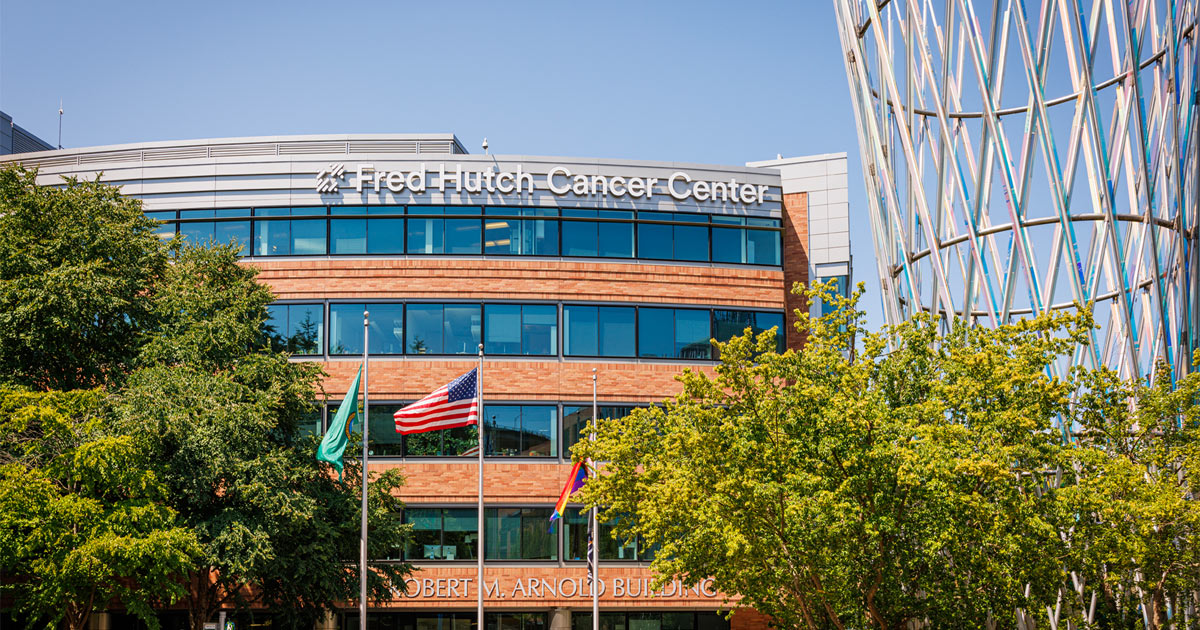
A noteworthy inclusion in this regard is deploying physical therapy for the betterment of cancer patients. Medical facilities like the Fred Hutchinson Cancer Research Center have identified the integral role of physical therapy in bettering the health status of its patients, especially during and after challenging cancer treatments.

How Physical Therapy Assists Cancer Patients

Physical therapy is mainly administered to cancer patients to help them regain strength, enhance their independence, improve their overall function, and enhance their quality of life even during vigorous treatment regimens. There may be side-effects associated with cancer treatments which can include weakness, balance issues, scar tissue, lymphedema, and decreased range of motion. These aspects can severely impact an individual’s normal life, amplifying the physical and emotional stress. Here is where physical therapists work wonders.

Physical therapists coordinate closely with physicians and work as per medical guidance to devise a therapy plan that best suits a patient’s specific needs. These experts can assist patients by developing exercise programs to improve strength and function, educating them about pain management techniques, addressing concerns about balance and mobility, and advising on the appropriate use of rehabilitation equipment.

The Fred Hutch clinic stands as a benchmark in this medical field, as it has physical therapists who specialize in oncology, and cater to patients struggling with secondary lymphedema, a condition commonly seen in cancer patients.

Physical therapy services are located on the fourth floor of the Sloan Clinic at the Fred Hutch hospital. But for scheduling a physical therapy appointment, a referral from a Fred Hutch physician, nurse practitioner, or physician assistant is necessary.

Veteran Medical Care And Physical Therapy

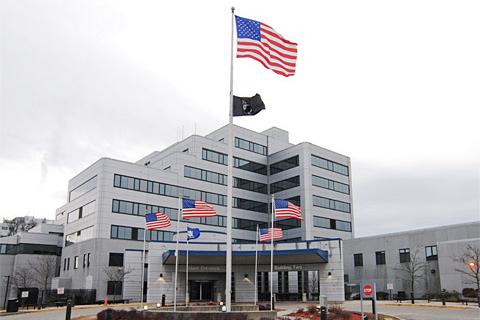
Physical therapy is essentially a regular feature not just at cancer centers but even extends to many medical facilities that cater to veterans. One such selective medical center that provides physical care, alongside a range of other services, to the veterans, is the West Haven VA Medical Center in Connecticut.

The health care services at this center impeccably merge medical care with logistical support. For instance, the center offers on-campus parking shuttles on all weekdays during business hours, thereby providing ease of transit for the patients.

Additionally, the center runs a shuttle service between the Newington and the West Haven campuses. The shuttle departs Newington at 10 a.m., arriving at West Haven at 11 a.m. The shuttle service from West Haven back to Newington starts departure at 12:30 p.m., with the last shuttle leaving at 5 p.m.

Complementing these services is assistance extended by the Disabled American Veterans (DAV) vans for transporting veterans and their authorized caregivers for scheduled medical appointments. The DAV coordinator at VA West Haven and VA Newington, available from 7 a.m. to 1 p.m., assist in coordinating these services.

Furthermore, the medical center also operates a shuttle service from Leeds to West Haven via Springfield and Newington, starting departure at 7:30 a.m and reaching West Haven at 10 a.m. The return to Leeds begins at 2 p.m. Please call at least 48 hours before your appointment if you plan to reserve a seat.

Travel Benefits for Medical Support

Connecticut’s Veteran Affairs also runs a beneficial travel program to accommodate veterans’ medical requirements. The beneficiary travel benefits include mileage reimbursement, round-trip transportation from the patient’s home to the medical center, and special mode transport.

Connecticut VA also offers assistance in coordinating local van service or shuttle service for qualified veterans needing a ride for an appointment. In case of ineligibility for Beneficiary Travel, specific alternatives can also be explored.

In conclusion, physical therapy services have cemented a firm position in the healthcare sector. It has emerged as a therapeutic pillar to enable patients to recover, gain strength, and improve overall life quality undeterred by medical conditions. Indeed, the physical therapists’ role is commendable in the global mission to foster healthful living.


Sources:

Physical Therapy News, Treatments and Services – March 08, 2026

Title: Comprehensive Physical Therapy Services and Treatments: A Look into UT Health East Texas Rehabilitation Center and LC Dana Cornell Darnell VA Clinic

Recovering from a serious health condition, an accident, or surgery can be a daunting task. However, rehabilitation centers offer hope and help to individuals, guiding them back to health and function. This article highlights the inpatient and outpatient physical therapy treatments and services available at the UT Health East Texas Rehabilitation Center and the Columbia South Carolina VA Health Care Center – LC Dana Cornell Darnell VA Clinic.

UT Health East Texas Rehabilitation Center’s Comprehensive Services

UT Health East Texas Rehabilitation Center offers a vast range of services to help patients regain mobility and independence. The center provides both inpatient and outpatient rehabilitation services with a team of experts delivering advanced therapy techniques and outstanding hospitalization services.

Inpatient Rehabilitation Services

The inpatient rehabilitation program at UT Health provides access to trauma care, hemodialysis treatment for kidney failure patients, limb loss rehabilitation, and specialized services such as diagnostic and laboratory services, occupational and physical therapy, and pastoral care. They also have a psychologist and neuropsychologist on staff to evaluate cognitive and emotional therapy needs.

Other services include respiratory therapy, speech therapy, and a specialized stroke rehabilitation program focused on helping patients recover lost motor skills, speech, and cognitive functions. Furthermore, they offer a unique transitional living apartment for recovering patients, featuring a supportive and therapeutic environment bridging the gap between hospital care and independent living.

Outpatient Rehabilitation Services

On the outpatient front, the center provides aquatics therapy, a balance and vestibular program for patients suffering from dizziness, disequilibrium, vertigo, or similar symptoms, and a cardiopulmonary rehabilitation program. Dry needling therapy, designed to relieve pain and restore mobility, forms another part of their outpatient service offerings.

In addition, they offer an array of treatments for orthopedic disabilities, hand injuries, occupational injuries, arthritic conditions, and cognitive deficits. Patients can also avail themselves of therapy sessions for total joint replacements, splinting services, work conditioning programs, and rehabilitation programs for Parkinson’s patients.

Veteran-Specific Services at the LC Dana Cornell Darnell VA Clinic

LC Dana Cornell Darnell VA Clinic in Columbia, South Carolina likewise offers an extensive range of health services to veterans. Among these are van services for veterans in collaboration with Disabled American Veterans and county Veterans Affairs directors. This service enables veterans and authorized caregivers to get to their scheduled medical appointments. Additionally, beneficiary travel benefits, including round-trip transportation and mileage reimbursement, are available to qualifying veterans.

While there are imminent additions to local transportation, shuttle services, and ‘other services,’ the center has not yet announced specific details.

Conclusion

Facilities like the UT Health East Texas Rehabilitation Center and LC Dana Cornell Darnell VA Clinic are concrete examples of concerted efforts in providing high-quality physical therapy services for those in need. These centers wield a patient-centered approach that encompasses a robust roster of services. They not only cater to patients’ physical needs but also address cognitive, emotional, and spiritual aspects. With a strong commitment to comprehensive care, these centers fortify their role in upholding community health and well-being.

While the journey to full recovery can be challenging, having robust and diverse services at hand softens the process and brings hope. Rehabilitation services indeed play a significant role in health care, making recovery attainable and encouraging patients to reclaim their lives after a health setback.

Physical therapy services are broadly recognized as critical within the rehabilitation process, aiding patients as they transition back to normal routines post-injury or operation, while simultaneously seeking to prevent future injuries. Two notable healthcare facilities recently expanding access to physical therapy services include Sanford Health West Fargo and the HSS Pediatric Rehabilitation & Young Athlete Center.

Sanford Health West Fargo now offers advanced physical therapy services to its community. Patients have the opportunity to engage in individual therapy sessions with seasoned physical therapists, who adopt a patient-centric approach to healing. Therapists devise a comprehensive treatment plan that aligns with a patient’s unique mobility needs. Identifying, treating, and preventing mobility injuries, they help patients regain their mobility and restore their confidence post-trauma.

“We are excited to provide our community with another location for physical therapy services,” id David Tompkins, Sanford Health lead physical therapist. The expansive suite of services provided by Sanford’s Physical Therapy program includes specialized therapies to address dizziness and imbalance, dry needling, LSVT BIG treatment for Parkinson’s disease, lymphedema therapy, orthopedic care, pain management, postoperative services, stroke rehabilitation, and women’s health care.

The therapeutic services at Sanford West Fargo are available from Monday through Friday, from 7 a.m. to 5 p.m. With the addition of these new services, patients in the surrounding community have access to a comprehensive suite of physical therapy services within their reach, eliminating the need to travel long distances for specialized care.

Another facility making strides in physical therapy is the HSS Pediatric Rehabilitation & Young Athlete Center. Arguably one of the leading pediatric outpatient rehabilitation facilities in New York City, the facility offers state-of-the-art services, in a comfortable and patient-friendly environment.

A highly trained, multidisciplinary team of physical and occupational therapists, along with speech therapists, collaboratively provide specialized care to young patients. For infants and toddlers in need of developmental service, dedicated spaces in which to work on motor skills, functional abilities, balance, and coordination are available. Young athletes benefit from tailored programs aimed at enhancing sports performance, addressing rehabilitation needs, and minimizing the risk of injury.

The facility houses two physical therapy gyms that have been designed to provide specialized and individual care to each patient. The occupational therapy gym features a climbing wall, age-specific sensory equipment, and a fine-motor hand therapy space. There are also private speech therapy rooms equipped with SMART Board™ technology for patients requiring language and communication therapy. Additionally, to support kids who need mobility equipment, assistive devices or augmentative communication tools, a dedicated Equipment and Assistive Technology Clinic is also part of the Center.

Taking a holistic, child-centric approach to care, the rehabilitation services offered by HSS Pediatric Rehabilitation Unit, range from consultation to comprehensive programs personalized to a child’s unique needs. All patients are required to have a prescription from a doctor, physician’s assistant or nurse practitioner to avail therapy services at the center.

In summary, both Sanford Health West Fargo and the HSS Pediatric Rehabilitation & Young Athlete Center aim to deliver patient-focused physical therapy services and treatments. Meeting the diverse needs of their communities, they contribute to the goal of enabling better mobility and improved quality of life for patients. Through expanding access and continually innovating in treatment and care, they are making a notable impact in the field of physical therapy.

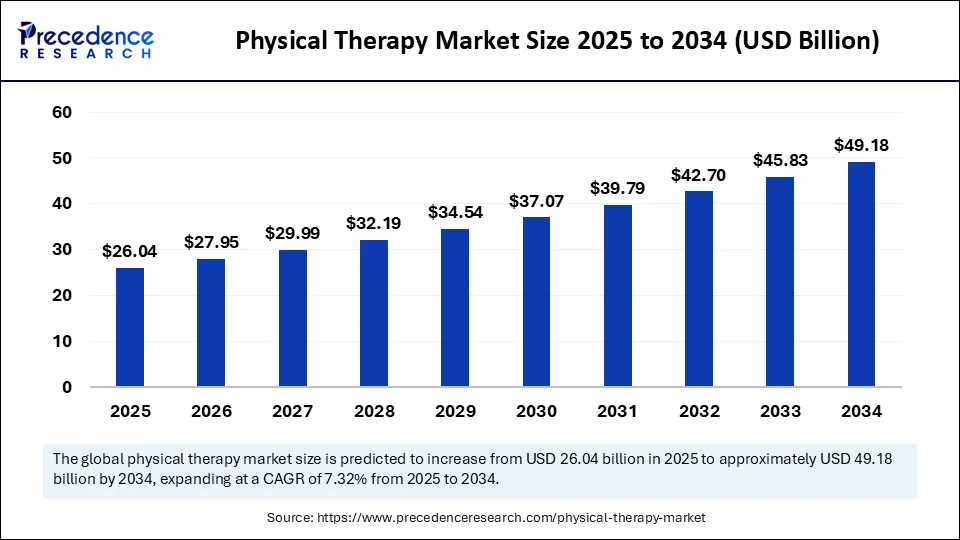
The global physical therapy market size is expected to hit around USD 49.18 billion by 2034. The market size has grown from USD 24.27 billion in 2024 and is predicted to rise from USD 27.95 billion in 2026 to reach USD 49.18 billion by 2034, according to a detailed analysis. This represents a CAGR growth of 7.32% from 2025 to 2034. North America held the largest market share of 40% in 2024, but Asia-Pacific is expected to exhibit the fastest growth.

These growth statistics reflect several key factors such as increased awareness about musculoskeletal health, expanding geriatric population, high incidence of chronic conditions and trauma, and a rising need for rehabilitation services post injury or surgery.

Technology has also played a significant role in reshaping the physical therapy market. Artificial Intelligence (AI) is revolutionizing the landscape by introducing smarter rehabilitation strategies that are data-driven and personalized. AI-powered platforms can track patient progress in real-time, predict recovery timelines, and adjust therapy plans with precision.

These systems use motion sensors, computer vision, and machine learning algorithms to constantly monitor movements and provide instant feedback. This mitigates the need for continuous in-person monitoring. Virtual physical therapy assistants and tele-rehab programmers are also increasingly using AI to guide patients through exercises while ensuring proper body mechanics, ultimately leading to improved outcomes and higher patient engagement.

AI also assists practitioners by analyzing large datasets to identify trends, detect anomalies early, and improve diagnostic accuracy. This not only increases treatment efficacy but also expands access to quality care, particularly in remote or underserved areas.

Physical therapy has also incorporated wearable technology and IoT into rehabilitation. Devices such as smart braces, fitness trackers, and muscle stimulators provide continuous biomechanical and physiological data, providing invaluable information to physiotherapists to monitor treatment adherence and effectiveness.

The aging population is a notable driver for the growth in the physical therapy market due to the increased prevalence of chronic conditions like arthritis and stroke. With the outbreak of the COVID-19 pandemic, there has been a noticeable rise in health consciousness, prompting more individuals to seek preventive and therapeutic care.

There is also a high demand for post-surgery rehabilitation, particularly in patients recovering from orthopedic and neurological surgeries. The adoption of outpatient and home-based care models has seen an uptake, significantly increasing the need for mobile physical therapy services.

Digital health and tele-physiotherapy platforms initiate remote consultations, assessments, and guided therapy sessions. Patients can receive tailored exercise plans and real-time feedback through mobile apps and video conferencing, enhancing accessibility and compliance. This is particularly valuable in rural and underserved regions, reducing the burden on physical clinics.

The orthopedic physical therapy segment held the largest market share in 2024, due to the high prevalence of musculoskeletal disorders, sports injuries, and post-surgical rehabilitation needs. However, the neurological physical therapy segment is expected to grow at a rapid rate driven by increasing cases of stroke and other neurological conditions.

Broadly, the physical therapy market growth is propelled by modern trends and changing global demographics. As healthcare continues to evolve and technology becomes more integrated into physical therapy practice, addressing musculoskeletal health, geriatric care, post-operative rehabilitation, and general preventive wellness has become increasingly essential. Despite the challenges such as high therapy costs, shortage of skilled professionals, and resistance to adopting digital health technologies, the physical therapy market continues to thrive, providing numerous benefits to patients worldwide.

Indeed, the future of physical therapy seems promising with a wide range of services provided by healthcare institutions such as UT Health Pittsburg. Among its offerings are personalized treatments, in-home medical care, fitness programs and various outpatient rehab services with a focus on managing symptoms related to neurological conditions, cardiopulmonary disease, and orthopedic pain. By leveraging physical therapy insights and modern technology, UT Health Pittsburg provides comprehensive, patient-centered services that cater to the diverse rehabilitation needs of different age groups and conditions.

In conclusion, the physical therapy market outlook is highly positive and it remains a critical part of healthcare, serving as a viable, non-invasive, and effective treatment approach in managing a host of medical conditions. As advancements in AI and digital health continue to shape the future of the industry, physical therapy will increasingly become more personalized, proactive, and scalable, thus contributing to improved patient outcomes and an enhanced quality of life.

Title: Comprehensive Physical Therapy Services and Treatments: A Look at West Haven VA Medical Center

Physical therapy is a highly essential domain in healthcare that aids in the restoration and enhancement of mobility, functionality, and overall quality of life for individuals dealing with a variety of health conditions or injuries. One such health institution offering commendable services in this field is the VA (Veterans Affairs) Connecticut Health Care at West Haven VA Medical Center. This facility stands out due to its wide-ranging therapeutic services and commitment to the veterans’ well-being.

The West Haven VA Medical Center is a holistic healthcare facility that provides several shuttle services for veterans to assist with transportation to and from the center. On weekdays (excluding federal holidays), the medical center operates on-campus parking shuttles during regular business hours. Furthermore, a dependable shuttle service connects the Newington and West Haven campuses, commencing the journey from Newington at 10 a.m. and making a return trip from West Haven at 12:30 p.m. and 5 p.m.

Alongside the shuttle services, the medical center also maintains a strong partnership with Disabled American Veterans (DAV) and several contracted vendors to assure the provision of transportation for veterans and their authorized caregivers, enabling them to reach their scheduled medical appointments conveniently. DAV Coordinators are stationed at both VA West Haven and VA Newington, operating from 7 a.m. to 1 p.m., ensuring smooth coordination of services.

For those seeking to travel from Leeds to West Haven, a shuttle service has been devised through Springfield and Newington. This forms an excellent transportation option for veterans and caregivers who need door-to-door service. It is recommended that these services be booked 48 hours prior to the appointment to confirm the availability of seats.

The West Haven VA Medical Center offers comprehensive beneficiary travel benefits, which include providing round-trip transportation from patients’ homes to the medical center, reimbursement for mileage, or special mode transport. Those not eligible for these benefits can still enquire about local Van Service or shuttles that may assist in navigating to the center for appointments.

To access these transport services, contact the local Beneficiary Travel Department at VA Connecticut Healthcare. It should be noted, however, that arrival times of these services might vary depending on the weather conditions and traffic.

Clearly, the West Haven VA Medical Center is not just exceptional in providing comprehensive physical therapy treatments, but also in ensuring patients can access these treatments with ease. The variety of transportation options available is a testament to the center’s commitment to patient care and stands as an encouragement to veterans and their caregivers to pursue consistent and effective physical therapy.

Treatment wise, West Haven VA Medical Center utilizes a patient-centric approach, employing advanced techniques that are customized to each patient’s needs and capabilities. They house exceptionally dedicated and skilled physical therapists who employ innovative physical therapy methods and equipment to ensure optimal outcomes.

In conclusion, the West Haven VA Medical Center is a celebrated institution owing to its range of services that cater to beneficiaries from all walks of life. Besides the high-standard physical therapies and treatments, they strive to eliminate barriers to healthcare access with comprehensive transportation services for their beneficiaries. It is indeed a valiant step towards making healthcare accessible for veterans, demonstrating an unwavering commitment to their well-being.


Sources:

Physical Therapy News, Treatments and Services – March 01, 2026

Physical Therapy Services and Treatments: New Advancements for ultimate care

A recent overview of physical therapy services and treatments revealed that the healthcare industry is robustly committed to providing personalized and intensive rehabilitation programs designed to nourish patients’ recuperation journey back to independence and optimal health.

One of the key organizations on the frontline of this commitment is the Lance Corporal Dana Cornell Darnell VA Clinic in Columbia, South Carolina, which provides various travel assistance programs such as the Disabled American Veterans (DAV) van services and the non-DAV van services. These services are dedicated to ensuring veterans and their caregivers have smooth transportation to their respective medical appointments. Another vital service coming up is the Beneficiary travel, a plan aiming to provide round-trip transportation from homes to the medical center, including mileage reimbursement or special mode transport.

In a similar vein, the UT Health East Texas Rehabilitation Center offers comprehensive inpatient and outpatient rehabilitation programs that target various health situations. Utilizing a state-of-the-art 49-bed rehab center, UT Health provides the most advanced therapy techniques, including hemodialysis treatment, occupational therapy, and physical therapy. The outpatient rehab services include aquatics therapy, cardiopulmonary rehabilitation, and a specialized Parkinson’s disease program.

At the core of UT Health’s inpatient service is the delivery of several hospitalization services and treatments. Access to trauma care is guaranteed, with licensed trauma physicians readily available at their Level 1 Trauma 1 center. Diagnostic and laboratory services further enhance patient care offering x-rays, blood testing, and other imagenological examinations. Importantly, the rehab center emphasizes limb loss rehabilitation, which includes prosthetic training, pain management, personalized therapy plans, and even emotional support.

In the realm of outpatient rehabilitation services, aquatics therapy seems to hold sway as a primary mode of care, with application for pain reduction, progressive strengthening, chronic pain management, and function restoration. For heart and lung conditions, the cardiopulmonary rehab program provides exercises, medication, and several other services geared toward managing these conditions. Other programs include dry needling, limb loss rehabilitation, lymphedema management, and orthotic therapy. These therapies are designed to relieve pain, restore mobility, help manage chronic conditions, and produce custom orthopedic solutions.

State-of-the-art rehabilitation strategies like the use of VitalStim Therapy – a specialized form of neuromuscular electrical stimulation – are being implemented in treating swallowing disorders (dysphagia). Similarly, the splinting services utilize custom splints for the prevention of joint deformities, post-surgical recovery, and support for conditions like fractures and sprains.

For more precise therapeutic interventions, there are specialized programs such as Parkinson’s rehabilitation, speech therapy, wound care services, and Total joint replacement therapy. The Parkinson’s program focuses on functional mobility — minimizing secondary impairments and progression of the disease — and safety education. Speech therapists focus on communication difficulties, while the wound care services have a specialized nurse to treat patients with both acute and chronic wounds. The total joint replacement therapy provides an essential regimen, improving motion, strength, and function for patients after joint surgeries.

Work conditioning programs are also structured to build patients’ capacity to return to the workforce, while the balance and vestibular program is designed to manage dizziness, disequilibrium, vertigo, and other associated symptoms.

The efficacy of these services and programs is ensured by the dedicated and highly-trained staff of the VA Clinic and UT Health Rehabilitation Center, who employ a holistic approach in caring for their patients. This list of prominent innovations, services, and therapies in rehabilitation not only highlights the commitment to patient recovery but also underscores the continuous strides in physical therapy research and application for optimized patient well-being.

Physical therapy services focused on rehabilitation and injury prevention now feature at Sanford Health West Fargo. The healthcare provider offers its patients personalized therapy sessions to help them recover at their own pace and regain their mobility. The services on offer include dizziness and imbalance treatment, dry needling, LSVT BIG treatment for Parkinson’s, lymphedema therapy, orthopedic care, pain management, postoperative services, stroke rehabilitation, and women’s health care available Monday to Friday 7 a.m. to 5 p.m.

Hospital for Special Surgery (HSS) in Florida is now deemed a global pioneer in offering orthopedic services. Patients receiving orthopedic care at HSS Florida can look forward to a customized plan focusing on eradicating or reducing pain, enhancing functional mobility, and restoring their quality of life to the maximum level possible. Services on offer include outpatient surgery, nonsurgical orthopedic care, imaging services, and physical therapy.

HSS Florida also offers outpatient orthopedic surgery from renowned orthopedic surgeons with each surgeon offering specialization in specific areas like orthopedics, sports medicine, spine surgery, hand and upper extremity surgery, amongst others.

HSS Concierge Orthopedics is another service that offers extended regular care hours, direct access to select physicians, flexible scheduling options, and private waiting and recovery spaces. Optional telehealth consultations are also available.

HSS Florida also emphasizes that many conditions and injuries do not necessarily need surgical interventions. They are experts in creating nonsurgical care plans designed to manage pain, restore range of motion, and counter other musculoskeletal issues. Treatments can range across injections, casting, and bracing.

The service offering is backed by world-class diagnostics with state-of-the-art radiology and imaging technologies, including high-resolution digital X-ray and MRI. These diagnostic tools support HSS Florida’s goal of providing its patients with the most precise diagnoses ensuring the most effective patient care.

Furthermore, HSS Florida Rehabilitation and Performance caters to injuries and pain in the hand, wrist, elbow, lower back and neck, along with sports injuries and general orthopedic discomfort. The sports performance specialists also work with athletes to help prevent injuries and improve their overall athletic performance. The facility also offers direct access physical therapy, which does not require a prescription, although this service may be subject to insurance conditions.

In conclusion, the expansion of physical therapy services at Sanford Health West Fargo and the comprehensive orthopedic offering at HSS Florida demonstrate the increasing embodiment of personalized care across global healthcare systems and the importance of preventative and rehabilitation services in patient recovery processes and restoring daily functionalities.

Physical therapy services and treatments are a crucial component of the medical rehabilitation sector, providing essential patient care and driving robust market growth. Among the various medical rehabilitation services, physical therapy has accounted for more than 36.2% of the overall market share as it facilitates musculoskeletal rehabilitation and post-surgical recovery. The medical rehabilitation services market, currently valued at US$ 246.5 Billion, is anticipated to grow to around US$ 454.1 Billion by 2034, a surge driven by an aging population, a rise in chronic diseases, and healthcare policies aimed at integrating rehabilitation into all healthcare levels.

In the United States, institutions like the West Haven VA Medical Center and VA Connecticut Healthcare system, work with Disabled American Veterans and other contracted vendors to facilitate transportation for Veterans and their caregivers to access medical appointments. Provided services include daily parking shuttles and interstate shuttles between West Haven and Newington campuses, allowing Veterans to access essential physical therapy and rehabilitation services. Besides the clinic-based services, beneficiary travel benefits extend to providing round-trip transportation from the patient’s home to the medical center, mileage reimbursement, or special mode transport, ensuring more Veterans can access necessary care.

Physical therapy, part of the broader rehabilitation services sector, is set to witness significant growth over the next decade, stimulated by an increase in chronic diseases such as diabetes, cancer, and heart disease coupled with an aging population that is more susceptible to health conditions impairing physical function. In 2024, the outpatient section dominated the setting segment of the Medical Rehabilitation Services Market, reflecting the growing preference for cost-effective and flexible service delivery models that allow patients to continue their daily routines while receiving necessary care.

One of the trends driving the growth of the physical therapy services sector is the integration of advanced technologies such as artificial intelligence (AI), robotics, and wearable technologies in rehabilitation therapies. These technologies improve personalized recovery solutions, particularly for those recovering from strokes, spinal cord injuries, and musculoskeletal disorders. For example, AI algorithms tailor rehabilitation plans enhancing the precision and effectiveness of therapies. Furthermore, robotic devices assist in repetitive and precise movement exercises, crucial for neuromuscular re-education.

Despite the promising growth of rehab services, financial barriers and insurance limitations often create difficulties for patients seeking access to rehabilitation care, particularly in low- and middle-income countries. Another challenge facing the sector is supply chain disruptions due to the imposition of U.S. tariffs, increasing equipment costs and causing delays in service delivery. However, the industry is progressively working to tackle these hurdles, with a gradual shift toward domestic manufacturing of medical supplies.

Taking a regional view, North America held a dominant market position in 2024, with over 45.9% of the global market and reaching a value of US$ 113.14 Billion. This strong market position is linked to highly developed healthcare infrastructure, increasing incidences of chronic diseases, public awareness regarding early interventions, and recovery programs. Going forward, the continued integration of tech innovations such as AI-driven systems, robotics, and wearable technologies are likely to keep North America at the forefront of global rehabilitation services sector growth.

Key institutions and players shaping the medical rehabilitation landscape include Shirley Ryan AbilityLab, Prism Medical, Icahn School of Medicine at Mount Sinai, Paradigm Healthcare, and the University of Chicago Medical Center. Increasingly, emerging trends such as virtual rehabilitation and AI-driven therapy solutions are enhancing service quality and patient engagement, and pose promising growth opportunities in the rehabilitation services market.


Sources:

Call Now Button