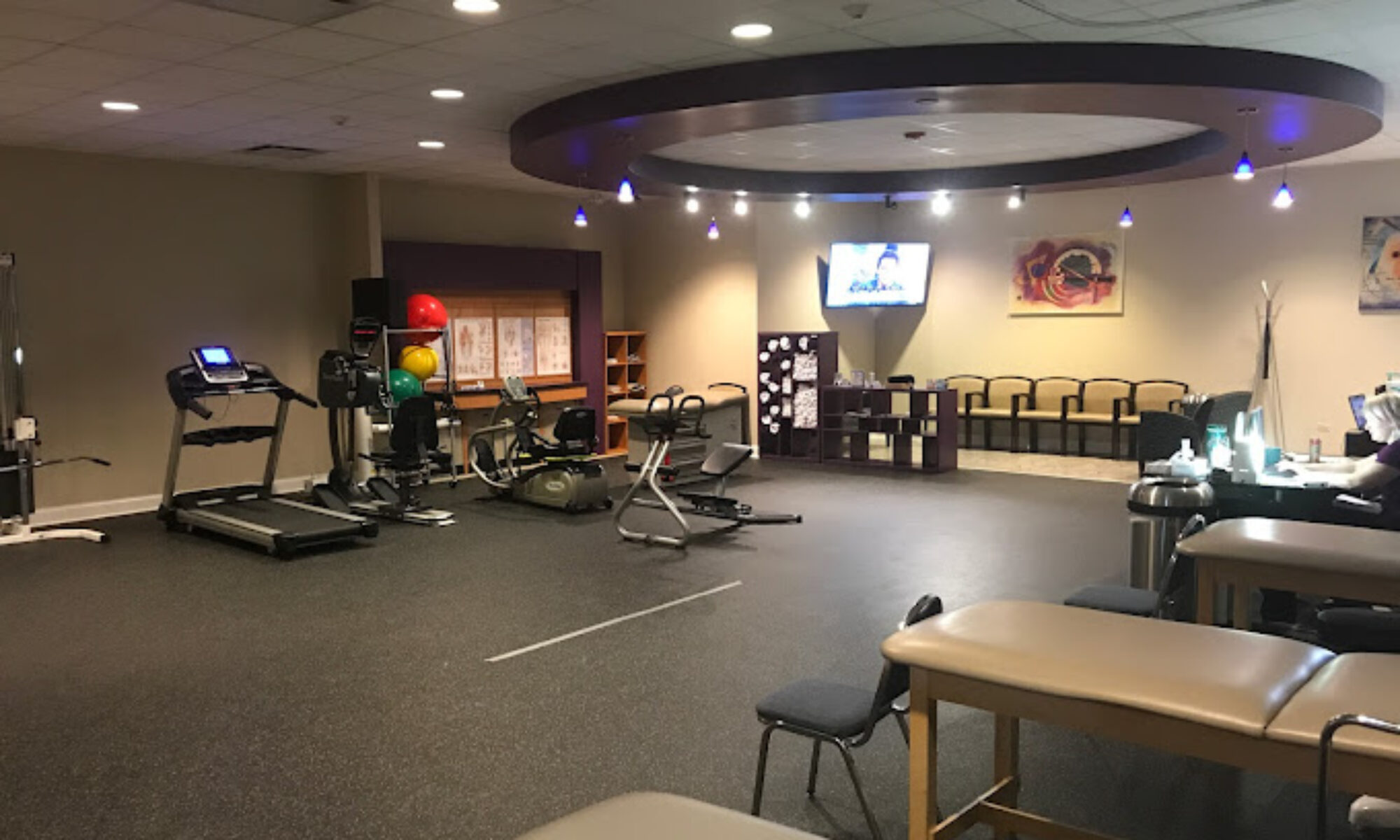

Physical therapy services and treatments are abundant and organized to serve a diverse array of patient needs. From combatting the effects of cancer, recovering from a serious injury, or managing a chronic illness, physical therapy programs aim to regain strength, function, and independence in patients while optimizing their health. These services are not only exclusive to hospital settings as many clinics offer treatments catered to a patient’s specific health situation.
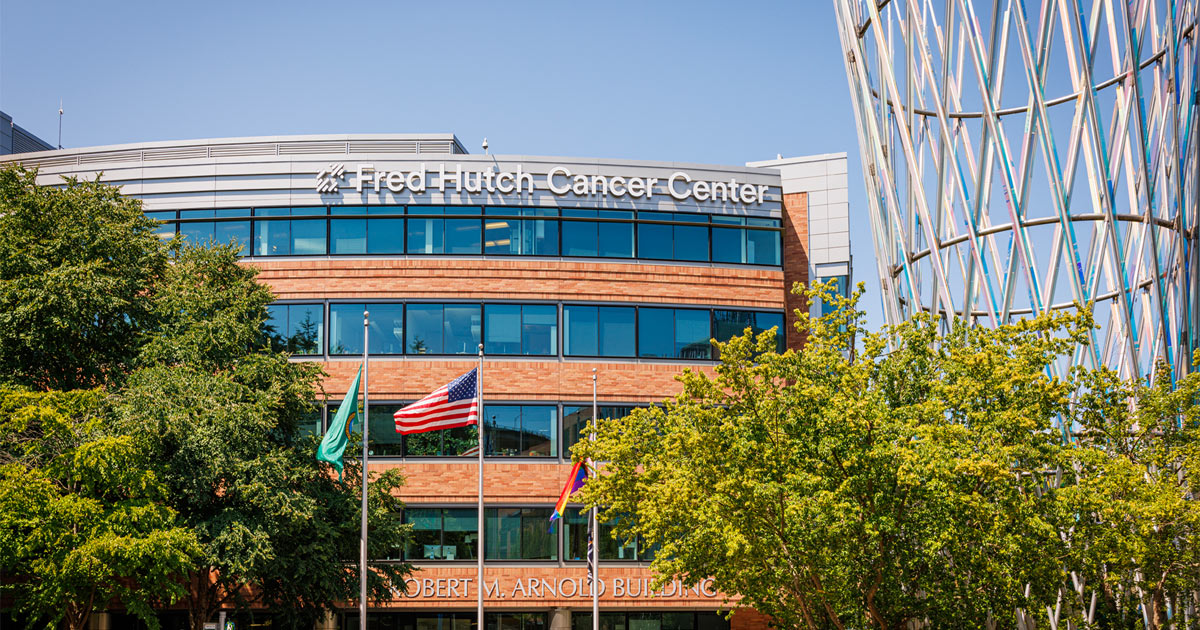
In institutions like the Fred Hutch, physical therapists cater to patients of all ages who are diagnosed with cancer. Aiming to improve strength, function, and independence during and after cancer treatment, they handle concerns related to weakness, balance, scar tissue, lymphedema, range of motion, and rehabilitation equipment. Patients diagnosed with secondary lymphedema can be seen directly by physical therapists specializing in oncology. However, scheduling a physical therapy appointment with Fred Hutch requires a referral from a Fred Hutch physician, physician assistant or nurse practitioner.
Meanwhile, the rehabilitation programs at the UT Health East Texas Rehabilitation Center are designed to address a broader range of patient populations. In their physical therapy offerings, they provide acute care services aiming to aid recovery and the attainment of optimal health. With a modern 49-bed rehab center, patients can avail access to hemodialysis treatments, occupational therapy, physical therapy, and a selection of specific rehabilitation programs like Parkinson’s disease program amongst others.
Characteristic of their inpatient rehabilitation program is the comprehensive list of hospitalization services and treatments. In this arrangement, patients with diverse healthcare needs are catered to, with trauma care, limb loss rehabilitation, physical therapy, and stroke rehabilitation, psychological services, respiratory therapy, among other key areas of treatment options. For patients who need more secure and convenient accommodations, the rehabilitation center offers transitional living apartments that aim to bridge the gap between hospital care and independent living.
In addition to the inpatient services, UT Health East Texas Rehabilitation Center presents a variety of outpatient rehabilitative care. This includes aquatics therapy for progressive strengthening and pain management, balance and vestibular program reducing symptoms of dizziness and vertigo, cardiopulmonary rehabilitation aimed at managing heart or lung condition, and dry needling for relieving pain and restoring mobility. Other offerings include limb loss rehabilitation program for patients post-amputation, lymphedema management, occupational therapy, orthotic therapy, and more.
Both facilities emphasize the importance of catering treatments to the specific health conditions of their patients. The physical therapy services are provided by trained professionals committed to improving the health and well-being of their patients. Physical therapists work closely with their patients, developing personalised therapy plans, guiding them through prescribed exercises and regulating their progress. Whether patients require acute care post-diagnosis, inpatient rehabilitation after surgery, or outpatient services for their unique health condition, these institutions uphold physical therapy as an essential component to optimize patient recovery and health.
In recent years, the role of physical therapy services in healthcare has grown significantly, proposing necessary rehabilitative treatment alternatives for various health emergencies. However, their integration into national and subnational health emergency preparedness planning remains low.
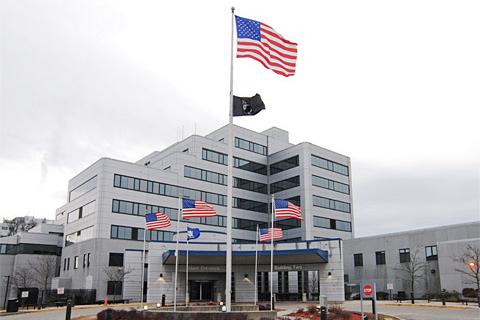
The West Haven VA Medical Center, for example, has implemented shuttle services for efficient patient transportation to scheduled medical appointments. This service is facilitated by the Disabled American Veterans and several other contracted vendors. However, the initiation of such services doesn’t adequately highlight the acceptance and integration of physical therapy services into the health emergency preparedness planning.
A recent 2022 study based on World Physiotherapy annual membership census conducted during the COVID-19 pandemic revealed interesting insights about the involvement and preparation of physiotherapy services during health emergencies. The COVID-19 pandemic has disrupted the provision of essential rehabilitation services, thus affecting patient care and outcomes.
The census included 125 World Physiotherapy member organizations from around the world. It revealed that 24% of the organizations reported not adopting any of the listed strategies to counter the service disruptions. Furthermore, 64% of them indicated that their physiotherapy services were not integrated into any health emergency preparedness component. This lack of inclusion not only restricts the scope of services but also proves to be a significant hurdle during times of a health crisis, such as the pandemic.
Despite facing limitations, the organizations developed diverse mitigation strategies. The most popular strategy was telerehabilitation, used by 57% of the organizations as a substitute or supplement to in-person services. About 42% provided home-based care where possible, 41% promoted self-care interventions, and another 39% redistributed physiotherapy roles or ‘task shifting’ to manage staff and resources more efficiently. However, lack of resources, awareness of physiotherapy’s role during a health emergency and inadequate technical support are barriers in implementing these strategies.
Whilst analyzing the integration of physiotherapy services into health emergency preparedness components, it was found that only 36% of the organizations included physiotherapy in one or more components. Having trained key physiotherapy staff ready for a range of hazards and integrating physiotherapy services into national and subnational health emergency preparedness plans was reported by only a small fraction of respondents.
It is important to note that the report suggested no significant association between a country’s income level and its level of preparedness or the mitigation strategies developed, indicating that challenges are not solely due to financial constraints.
The results underline the need for increased awareness, advocacy, and technical support for including physiotherapy services in health emergencies. These findings also serve as an evidence-based call to action for policymakers, calling for increased attention and resources to integrate physical therapy into preventative healthcare and emergency preparedness plans.
Moving forward, it is crucial for global organizations, national governments, and research institutions to prioritize the integration of physiotherapy services into health emergency preparedness planning. They should also focus on continuous assessments, research, and improvements in mitigation strategies to provide improved continuity in rehabilitation services amidst global health emergencies.
The past month has seen significant developments within the realm of pediatric rehabilitation and physical therapy services. Here, we outline two key facilities that have made the headlines: the HSS Pediatric Rehabilitation & Young Athlete Center in New York City and the Sanford Health West Fargo, which has recently expanded its physical therapy services.
Set in New York’s bustling Upper East Side, the HSS Pediatric Rehabilitation & Young Athlete Center represents the state-of-the-art in pediatric outpatient rehabilitation. This center caters to children and young adults and features amenities designed to foster comfort, including private areas for individual treatment and spacious environments for open movement. The center employs a dynamic team of physical therapists, occupational therapists, and speech therapists. Each member of the team has extensive experience in neurodevelopmental, orthopedic, and sports rehabilitation.
The center is equipped with two physical therapy gyms specifically designed for specialized and individual care. Complementing these spaces is a gym for occupational therapy, including facilities like a climbing wall and age-specific sensory equipment. Also available is a fine-motor hand therapy space and private speech therapy rooms equipped with SMART Board access, where speech-language pathologists can address language and swallowing issues.
Moreover, a dedicated Equipment and Assistive Technology Clinic is available for children who require mobility equipment and augmentative communication devices. HSS Pediatric Rehabilitation provides tailored, enjoyable, and well-rounded treatment programs for children. Treatment plans range from intensive schedules to consultation sessions, each determined by therapist examination.
In another part of the country, Sanford Health West Fargo in North Dakota has recently launched a suite of physical therapy services. Physical therapy plays a pivotal role in the recovery process, guiding patients back into their regular routines in a safe and controlled manner.
Patients at Sanford West Fargo are now able to work directly with an experienced physical therapist who specializes in evaluating, treating, and preventing mobility injuries and disorders. David Tompkins, Sanford Health lead physical therapist, expressed his excitement over the expansion, stating, “Physical therapy plays such a big role in our patient’s recovery and goal of returning to normal life. This new location helps us expand our services and also invests in providing care close to home.”
Sanford Physical Therapy offers a range of specialized services, including treatments for dizziness and imbalance, dry needling therapy, LSVT BIG treatment for Parkinson’s patients, lymphedema therapy, orthopedic care, pain management, postoperative services, stroke rehabilitation, and women’s health care.
These two case examples represent the profound impact physical and rehabilitation services can have on patients’ lives. From targeted pediatric care to the latest techniques in physical rehabilitation, these facilities underscore the breadth of treatments available. Whether it’s helping children reach their developmental milestones or assisting older patients in regaining mobility, these institutions are shaping the future of physical therapy and rehabilitation. They highlight the importance of patient-centric treatment plans, the integration of advanced technologies, and the commitment to providing holistic, effective care.
With services available Monday to Friday, from 7 a.m. to 5 p.m., patients at Sanford West Fargo can now embark on their physical therapy journey and restore their quality of life. Both Sanford West Fargo and HSS Pediatric Rehabilitation & Young Athlete Center are reflections of a continually developing field of healthcare – one that is rooted in a holistic understanding of health, adaptability, and the human body’s remarkable capacity for healing.
North America
Europe
Asia-Pacific
Latin America
Middle East & Africa
2. SustainHealth launches breakthrough telehealth solution for physical therapy
Australia-based health tech startup, SustainHealth, recently announced the launch of its innovative telehealth platform. This platform, which merges modern technology with physical therapy practices, aims to provide advanced personalized treatments remotely, thereby broadening accessibility.
SustainHealth’s telehealth solution facilitates virtual sessions with expert physiotherapists, leveraging technology for remote monitoring and interactive sessions. The platform uses patients’ data to create individualized treatment plans and follows up with data-driven progress tracking.
The platform is convenient for scheduling appointments at patients’ preferred timings, enabling them to avoid travel, thus saving time and expenses related to in-person visits. The telehealth solution can effectively treat a broad spectrum of injuries, right from musculoskeletal issues to sports-related injuries.
This revolutionary telehealth solution comes at a time when the COVID-19 pandemic has magnified the necessity for remote healthcare services. SustainHealth’s innovative telehealth platform is expected to carry forward the industry-wide digital transformation and upend conventional physical therapy practices.
3. Nova Rehabilitation expands its range of Physical Therapy services.
Virginia-based Nova Rehabilitation has announced the expansion of its Physical Therapy Services to include Vertigo Therapy, a specialized treatment targeting individuals suffering from vertigo symptoms. This is in addition to the myriad of other specialized treatments already offered, including orthopedic rehabilitation, geriatric rehabilitation, sports medicine services, and much more.
Nova Rehabilitation’s new vertigo therapy uses techniques that diagnose and treat a wide range of balance-related conditions, helping alleviate symptoms like dizziness and loss of balance. The therapists at Nova are specially trained to administer these practices, effectively helping patients gain control over their condition.
Nova Rehabilitation’s expanded therapy options provide a more diverse offering, catering to varied patient needs. Whether it is sports-related injuries or age-related issues, Nova Rehabilitation aims to serve a wide array of patients efficiently.
4. ProActive Physical Therapy Specialists launches Direct Access to physical therapy services
In a significant industry development, ProActive Physical Therapy Specialists, a leading name in outpatient physical therapy, has announced the launch of Direct Access for physical therapy services. This move will now allow patients to directly consult with therapy specialists without the need for a medical referral or prescription, thereby improving the accessibility of physical therapy services.
The Direct Access provides a host of benefits for patients. From saving time and money that would have been spent on unnecessary medical appointments, to enabling faster treatment initiation, this initiative is highly beneficial in increasing public access to physical therapy.
ProActive Physical Therapy Specialists has always stood for innovating and refining the way physical therapy is provided. The introduction of Direct Access to their services layouts ProActive’s commitment to providing the best treatment options for patients and their commitment to aiding quicker recovery.
5. APTA’s ChoosePT Awareness Campaign emphasizes the role of physical therapy in pain management
Taking a cue from the context of the ongoing opioid crisis, the American Physical Therapy Association (APTA) has launched an awareness-raising campaign titled ChoosePT. The ChoosePT campaign aims at promoting awareness about the benefits of physical therapy in managing pain and limiting the dependency on opioids.
APTA’s campaign features various resources that highlight the role of physical therapy in pain management, including an interactive body map that provides information about how physical therapy can help manage pain in different body parts.
The campaign also makes use of stories from patients who found relief through physical therapy, serving as a testament to the benefits of non-pharmacological pain management methods.
6. PhysiMax and Alabama Crimson Tide Partner to enhance athlete performance and medical care
PhysiMax, a leading name in athlete care, prevention, and performance enhancement technology, has entered a strategic partnership with the University of Alabama’s Athletics department, Crimson Tide.
This partnership aims to use PhysiMax’s real-time scoring system technology for the athletes. The technology will carry out objective, reliable data-driven assessments to identify potential injury risks, helping the medical staff design and implement tailored injury prevention programs.
PhysiMax’s technology is a novel infusion of physical therapy practices and technological intervention, resulting in an enhanced preventive care and athlete performance model. It serves to maintain athlete health, as well as boost performance and recovery times.
These developments indicate a decisive shift in the physical therapy field, incorporating innovative technology and adding specialized treatments, highlighting the industry’s desire to improve patient recovery times, maintain athlete health, and ensure accessible treatment plans. This shift aligns with APTA’s ChoosePT campaign, signifying the need for non-pharmacological intervention to treat pain and physical ailments.
Sources:
 Physical Therapy – Fred Hutch
 Physical Therapy and Rehabilitation
 West Haven VA Medical Center | VA Connecticut Health Care | Veterans Affairs
 Global response to physiotherapy services disruptions during the COVID-19 pandemic and the level of preparedness for the next health emergency
 HSS Pediatric Rehabilitation and Young Athlete Center
 Physical Therapy Services Now Available at Sanford West Fargo
-
Physical Therapy and Rehabilitation
 Physical Therapy Market Size to Hit USD 49.18 Billion by 2034
 JAG Physical Therapy celebrates opening of 10th Staten Island facility

