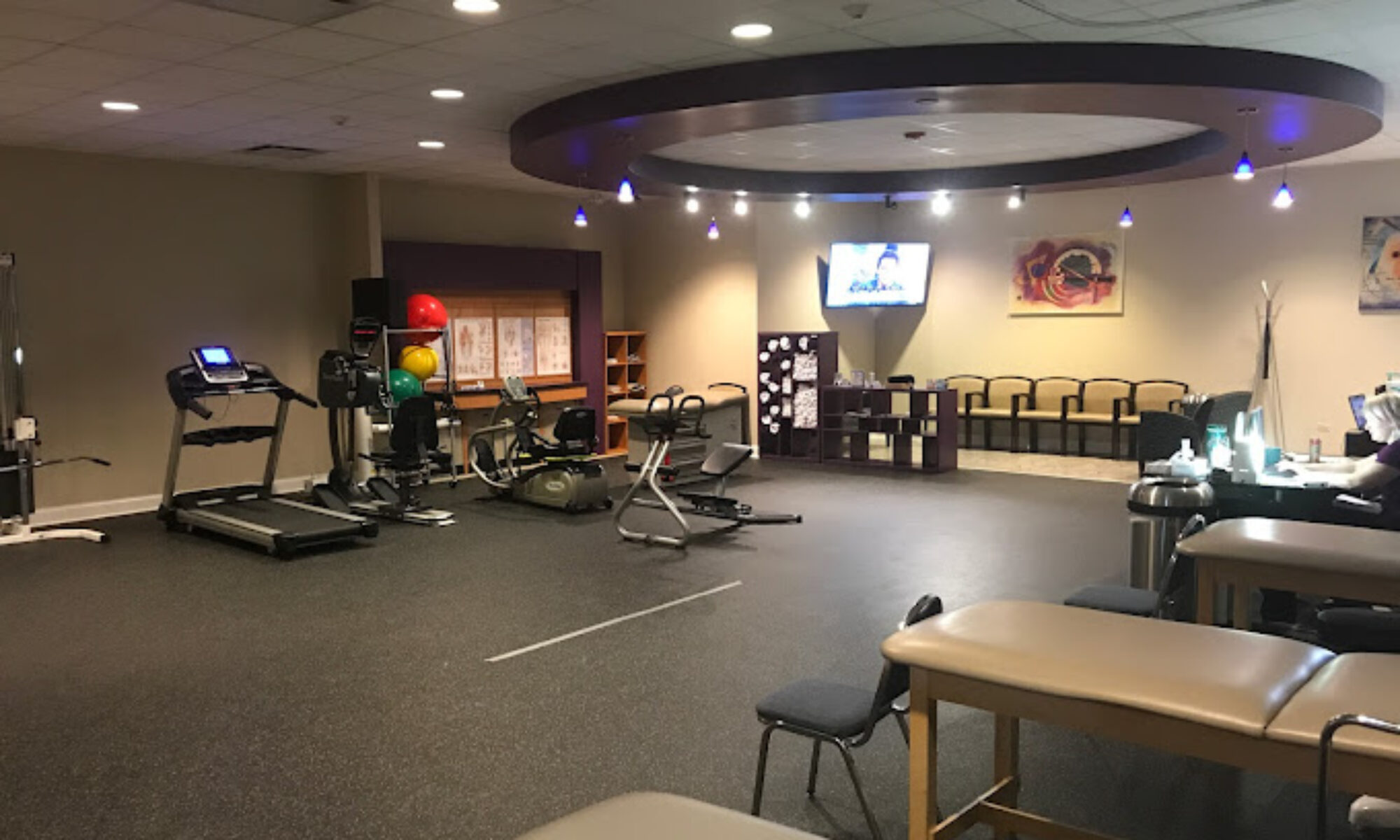

Physical Therapy: The Path to Improved Strength, Function, and Independence
Physical therapy has significant benefits, particularly for cancer patients of all ages who can significantly improve their strength, function, and independence during and after treatment. Today, physical therapists can successfully address concerns related to weakness, balance, scar tissue, lymphedema, range of motion, and appropriate usage of rehabilitation equipment.
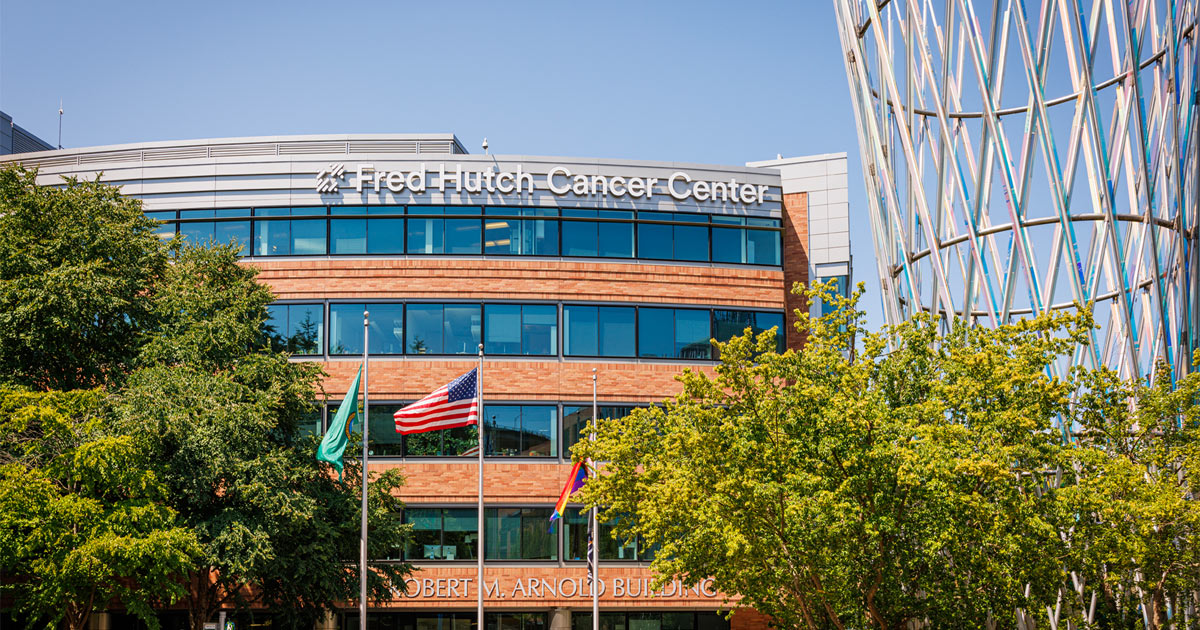
At a facility like Fred Hutchinson Cancer Research Center, patients wishing to benefit from physical therapy need to be referred by a Fred Hutch physician, physician assistant, or nurse practitioner. Physical therapists specialized in oncology at Fred Hutch clinic are particularly skilled in treating patients with secondary lymphedema.
Physical Medicine and Rehabilitation: Where Recovery Takes Center Stage
Experts at the Mayo Clinic specializing in Physical Medicine and Rehabilitation (PM&R) pride themselves in successfully restoring movement and function to individuals inhibited by disease or injury. PM&R practitioners are experienced in diagnosing and treating medical conditions affecting the brain, spinal cord, nerves, and the musculoskeletal system.
Each treatment and rehabilitation option offered is tailored to the unique needs, abilities, and objectives of individual patients. The PM&R physicians highlight the importance of restoring function, which means helping patients attain the utmost quality of life possible, retain as much muscle capacity as they can, re-train mental pathways, and generally reach their potential given their specific needs.
Mayo Clinic’s rehabilitation team works with individuals with varied causes of traumatic or nontraumatic injuries. Working directly with the medical professionals enables patients to engage in their medical decisions actively. Experts with decades-long experience at Mayo Clinic ensure comprehensive examination and develop feasible health plans for their patients. Some of the key strengths of the clinic include therapy for bone, muscle, and soft tissue injuries and adaptive athlete medicine, with a specialized segment for pediatric rehabilitation.
Enhanced Quality of Life Post-Injury and Illness
PM&R teams are strategically situated across Mayo Clinic campuses to provide short-term or long-term care programs designed to fit individual patient needs. Patients requiring advanced rehabilitation interact with a team of physicians, therapists, advanced care providers, nurses, and more, either in a hospital or clinical setting. This multidisciplinary team works together to ensure a complete and timely recovery.
Mayo Clinic’s PM&R adopts unique treatment methods, including physical modalities like custom orthotics and ultrasound, therapeutic exercise, manual therapy, and offering patient education opportunities to improve an understanding of their medical condition and rehabilitative care. Additionally, the clinic keeps pace with the advancements in science, providing top-notch medical treatments and non-surgical options.
Assistive and Restorative Technology for Improving Movement and Advancing Healing
The Mayo Clinic invests heavily in research, aiming to advance rehabilitation science. The Assistive and Restorative Technology Laboratory (ART Lab), along with other PM&R facilities, offer therapy and testing procedures using state-of-the-art technology. These facilities are equipped with 3D computer technology for hand/wrist braces, consulting for assistive technology for a variety of conditions, and functional electrical stimulation, among others.
Conclusion
The Mayo Clinic’s world-renowned expertise, advanced technology, and premium patient care set high standards for rehabilitation care. There are options for short-term and long-term outpatient care programs, and patients can access these either independently or referred by their primary care doctors. The well-coordinated team of physical therapists and other rehabilitation professionals collaborate to provide the best quality care needed by the patients. Services mentioned above are also available at Mayo Clinic Health System locations in Minnesota, Wisconsin, and Iowa. The right care for the patient is non-negotiable, and it is this ethos that drives the success of the physical therapy and rehabilitation programs.
Title: “Revolutionizing Physiotherapy: A Comprehensive Review of Services, Trends, and Outlook”
The concept of physical therapy and rehabilitation is taking the medical world forward with services like Veterans Affairs (VA) Clinic that collaborates with Disabled American Veterans for scheduled medical appointments. Transport systems facilitate beneficiaries with round trip to the medical center. Such transport benefits, market growth predictions, and recent advancements reveal the future of physical therapy services.
The global physical therapy services market is projected to skyrocket from USD 140.69 billion in 2025 to USD 186.90 billion by 2033, thanks to a 3.61% Compound Annual Growth Rate (CAGR). These services encompass treatments to enhance a patient’s mobility, physical function, and quality of life. Licensed physiotherapists provide personalized care plans catering to chronic conditions, injuries, and post-surgical rehabilitation. The growing incidence of chronic ailments like cardiovascular issues and arthritis, along with musculoskeletal disorders, adds to the increasing demand for these services, especially with the aging global population.
Technological advancements are significantly contributing to this growth. The integration of AI and robotics in physical therapy is a strong example. By utilizing techniques like robotic assistance and AI algorithms, healthcare companies offer precision-based, engaging therapy experiences tailored to conditions like stroke and neurological issues.
Moreover, Tele-rehabilitation and digital platforms are transforming the accessibility of physiotherapy, with video consultations, mobile apps, and personalized home-based exercises. Some services even feature gamification and progress tracking for improved patient engagement and outcomes.
Rising awareness and increased adoption of sports medicine and rehabilitation also drive the market. As athletes rely on physical therapists for injury prevention and improved performance, the need for specialized services escalates significantly. However, high costs hinder the widespread usage of these services. Patients often face limitations on insurers’ side and may have to discontinue therapy or pay out-of-pocket, which can impact overall recovery outcomes.
Home-based therapy programs present a significant opportunity with the rise of telehealth and a preference for home-based care. Companies offering such services, like Luna and Portea, show the potential to expand these services, especially to aging populations and post-surgery patients. They cater to the needs of immobile patients, providing accessible rehabilitation at their homes.
North America dominates the global market with the highest revenue share due to the high prevalence of musculoskeletal disorders and chronic conditions and widely available insurance coverage. However, the Asia-Pacific region, with countries like China, India, and Japan, is set to experience the fastest CAGR in the global market due to rapid economic growth, enhanced healthcare accessibility, and increased healthcare expenditure.
The market mainly comprises applications like orthopedic therapy, geriatric therapy, cardiopulmonary therapy, and others. Orthopedic therapy dominates the global market due to the high incidence rate of musculoskeletal disorders especially among the aging population. The market is also segmented by payers—public insurance, private insurance, and out-of-pocket— and by end-users, which include outpatient clinics, hospitals, home healthcare, others. Outpatient clinics dominate mainly due to convenience, focussed environment for physiotherapy, shorter wait times, and flexible scheduling.
Key players in the market are Drayer Physical Therapy, Athletico Physical Therapy, Select Medical Corporation, and Physical Rehabilitation Network (PRN), among others. These players engage in strategic collaborations, acquisitions, and partnerships to strengthen their portfolios and expand their geographic presence. These initiatives also allow companies to integrate innovative technologies and diversify their offerings to meet growing demand.
As per our analysts, the global market is undergoing rapid expansion. Increased prevalence of chronic conditions and an aging population are boosting the demand for effective rehabilitation solutions. Technological advancements, particularly in telehealth and digital platforms, are transforming physiotherapy delivery, offering higher accessibility and convenience for patients. The rising awareness among healthcare providers and patients regarding physiotherapy’s benefits for pain management and injury recovery also contributes significantly to the market growth. Thus, the future of physical therapy services is on a promising trajectory.
Title: The Rise of Telerehabilitation: A Look into Modern Day Physiotherapy Services and Treatments
Introduction
Physical therapy is a long-standing pillar of the healthcare industry, traditionally characterized by hands-on assessments and manual treatments. However, with advancements in technology and shifts in paradigms resulting from the COVID-19 pandemic, the landscape of physical therapy services is changing. As health institutions scaled back outpatient and community services amidst the pandemic, the transition towards telerehabilitation, or virtual therapy, became inevitable. While this change was initially met with resistance from some physiotherapists, today, many are committed to continuing telerehabilitation to meet patients’ needs.
Adapting to Telerehabilitation: A Case Study
A recent study explored how physiotherapists adapted to this change and what challenges they faced in implementing telerehabilitation. Seventy-five physiotherapists responded to an online self-administered survey providing valuable insights into this new landscape. The study found that there was a significant increase in the use of video conferencing for delivering physiotherapy services. Where once only 5.3% of physiotherapists used videoconferencing, during the pandemic this percentage rose to 77.3%.
Challenges of Delivering Rehabilitation via Video
However, despite embracing this novel way of treating patients, many physiotherapists still struggled with certain aspects of telerehabilitation. For instance, less than half of the respondents felt that they could effectively treat conditions nor symptoms such as pain, upper extremity function, strength/range of motion via video conferencing. Only 29.3% felt they could effectively address walking balance or mobility issues. Technical barriers, including client comfort with virtual sessions and positioning of the webcam, were among the challenges identified.
The Attitude Towards Telerehabilitation
Despite all these challenges, a majority of the physiotherapists agreed that they would continue the practice of telerehabilitation in the future, with 54.7% and 68.0% favoring phone and videoconference appointments, respectively. This implies that even as the world moves toward a post-pandemic era, the shift to telerehabilitation in physiotherapy is likely to stay.
The Future of Physiotherapy: Digital Health
As digital health continues to revolutionize healthcare services, physiotherapy is no exception. Advancements in technology are paving the way to enhance digital therapy. These include developments in telerehabilitation, virtual reality, 3D motion sensors, and wearable sensors, offering the benefits of improved patient accessibility and engagement in rehabilitation programs.
The Global Market Outlook
According to a Coherent Market Insights report, the global physiotherapy services market is estimated to be valued at US$ 55.23 Bn in 2024, showcasing a CAGR of 5.3% over the forecast period spanning 2024-2031. This significantly attributes to the rising prevalence of chronic diseases and an aging population.
Closing Remarks
Physiotherapy continues to be a major contributor to global healthcare servicing a broad spectrum of patients from pediatrics to geriatrics. The COVID-19 pandemic has undoubtedly catalyzed the shift to digital health solutions in physiotherapy, making remote treatment delivery a core part of the services. Although this new modality has come with its set of challenges, physiotherapists are showing resilience and adaptability in their commitment to meet patient needs. The future of physiotherapy undoubtedly intertwines with advancements in technology, bringing the promise of increased accessibility and potentially improved outcomes.
Sources:
 Benefits of Physical Therapy
 Physical Medicine and Rehabilitation – Overview
 Lance Corporal Dana Cornell Darnell VA Clinic | VA Columbia South Carolina health care | Veterans Affairs
 Physical Therapy Services Market Share & Growth Report 2033
 A survey of the experiences of delivering physiotherapy services through telerehabilitation during the COVID-19 pandemic
 Global Physiotherapy Services Market to Reach US$ 79.34 Billion by 2031, Coherent Market Insights

