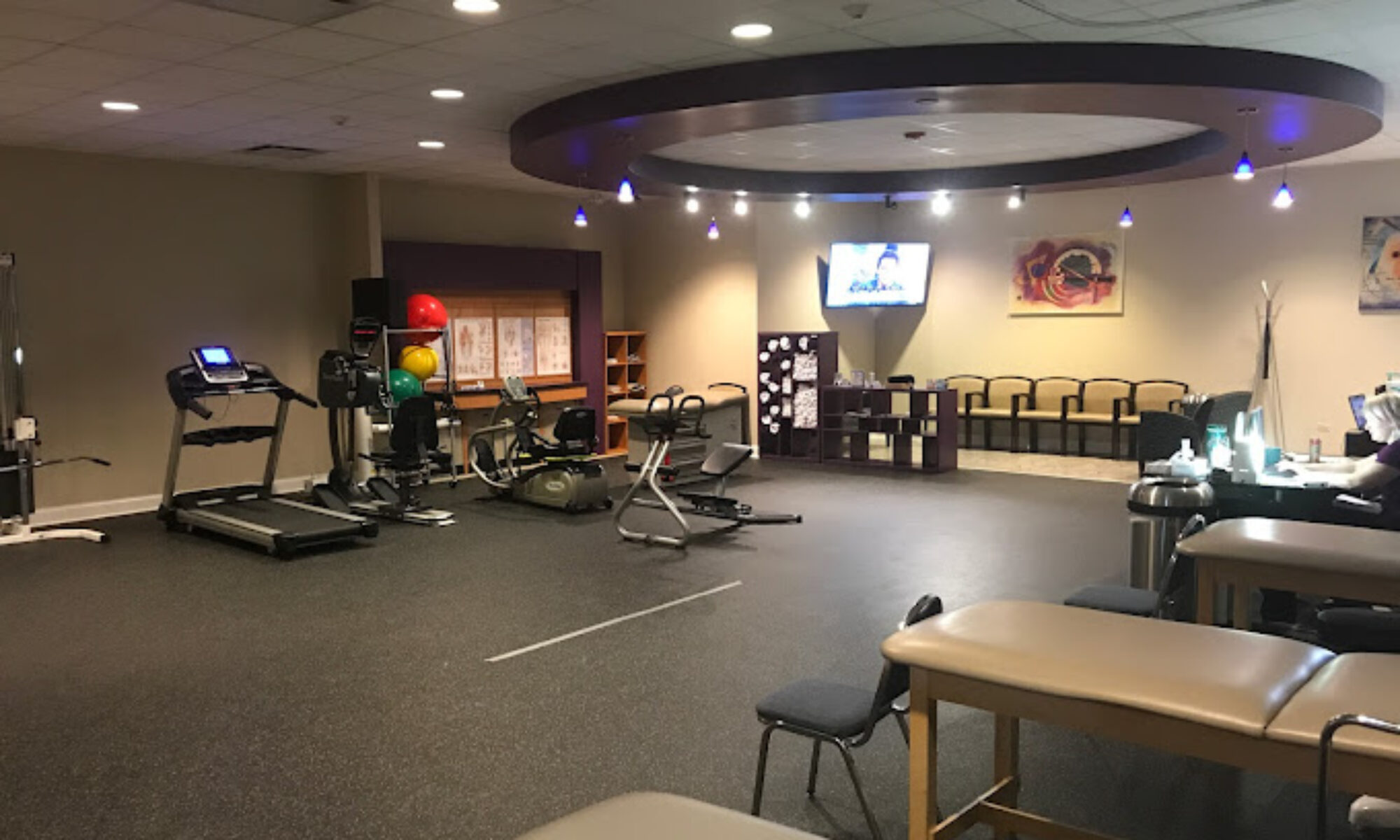

The global market for physiotherapy services is not just expanding rapidly; it’s booming. Driven by issues such as an aging global population and widespread mobility problems, the physiotherapy services market is currently on track to grow from an estimated USD 58.27 Bn in 2025 to potentially reach USD 84.83 Bn by 2032. The compound annual growth rate (CAGR) for these services demonstrates an impressive projected increase of 5.5% over this period.
This analysis, gathered from the latest comprehensive report on the Global Physiotherapy Services Market by global market intelligence and consulting firm Coherent Market Insights, also surveys trends, key growth drivers, and the associated regulatory landscape.
Key market players span a wide range from ProRehab Physical Therapy, Physiotherapy Associates, Encompass Health to the Apollo Hospitals Enterprise Ltd. These firms embody the diverse and dynamic nature of the worldwide physiotherapy services arena.
Market segmentation analysis in the report covers physiotherapy type, end-user population, service providers, and breaks down regional dynamics. Physiotherapy types include cardiopulmonary, orthopedic, electrotherapy, hydrotherapy, musculoskeletal, and neurological, among others. End-users are classified into pediatric, adult, and geriatric populations.
Essential physiotherapy service providers discussed comprise hospitals, rehabilitation centers, specialty physiotherapy centers, etc. The regional analysis extends coverage to North America, Europe, Asia-Pacific, South America, and the Middle East & Africa.
The global drivers fueling this market’s expansion include an increasing prevalence of musculoskeletal disorders, a growing aging population requiring rehabilitation services, and advancements in non-invasive therapeutic technologies.
Stakeholders, healthcare providers, and public health officials stand to benefit immensely from the report’s actionable, evidence-based insights. The information can help inform investment opportunities, trace patient population shifts, assess technological readiness levels and align business strategies with policy shifts and digital transformation.
The report leverages high-quality visuals and validated insights that can be used to enable stakeholder presentations. The data is based on robust research including interviews with clinicians, hospital administrators, policy experts, complemented with secondary sources from CMS, CDC, WHO, and peer-reviewed journals ensuring precise forecasting and actionable results.
In conclusion, the Global Physiotherapy Services Market is booming, driven by a myriad of factors that highlight the increasing need and application of physiotherapy services. The significant players in the field, coupled with advancements in technology, make this a dynamic, thriving industry, and its projected growth presents robust opportunities for investors and stakeholders within this space.
Coherent Market Insights is a global market intelligence and consulting firm supporting healthcare organizations, pharma companies, medical device innovators, and policymakers. Based in India, with offices in the U.S., U.K, and Japan, it offers cross-regional analysis to prop up growth strategy and decision-making in the post-pandemic healthcare economy.
Physical Therapy Services and Treatments
In today’s innovative and fast-evolving world, physical medicine and rehabilitation (PM&R) or physiotherapy plays a significant role in restoring movement and function in individuals limited by disease or injury. This write-up provides you with an overview of physical therapy services and treatments based on recent online articles, specifically focusing on Mayo Clinic’s efforts to enhance its physical therapy offerings.
Physical Medicine and Rehabilitation: A Comprehensive Approach
PM&R has a broad scope, targeting medical conditions impacting the brain, spinal cord, nerves, and the musculoskeletal system. Mayo Clinic, a renowned health institution, excels in this field, acknowledging each patient’s unique needs, abilities, and objectives. The critical focus of Mayo Clinic’s PM&R approach is restoring function, which entails helping patients regain the best quality of life and achieve their optimal capabilities given their specific conditions.
Providing an array of therapies, Mayo Clinic’s medical experts work intimately with patients, facilitating a comprehensive understanding of their health plan. They specialize in reviewing medical images, carrying out physical examinations of bones, joints, and muscles, and ultimately, formulating effective treatment plans.
Exceptional Expertise and Innovative Techniques
Mayo Clinic brings together various specialties under its umbrella to provide the most optimized care for its patients. This collaboration includes bone, muscle, and soft tissue therapies, gaming and Esports medicine, adaptive athlete medicine, and pediatric rehabilitation.
Mayo Clinic also boasts advanced therapeutic expertise, with PM&R providers continuously participating in research, teamwork, and continuing education. This dedication to expansion and development equates to state-of-the-art medical treatments and nonsurgical options for a wide range of functional limitations.
Utilizing State-of-the-art Technology in Patient Care
Mayo Clinic’s PM&R encompasses an extensive range of treatment options, including physical modalities such as custom orthotics, ultrasound, therapeutic exercise and manual therapy. Additionally, staff often engage in patient education efforts to help individuals understand their medical conditions and rehabilitative care better.
Forecasting the future of PM&R, Mayo Clinic is committed to advancing rehabilitation science through research. The Assistive and Restorative Technology Laboratory (ART Lab) and other PM&R facilities, utilize state-of-the-art technology to offer therapy and testing procedures. These technologies include 3D computer technology and printing for hand/wrist braces, assistive technology for spinal cord injury, walking assessments in the Motion Analysis Laboratory, functional electrical stimulation, advanced prosthetic options and a plethora of assistive technology consultations to cater a variety of conditions.
Clinical Research: Shaping Future of PM&R
Active participation in clinical research is a substantial part of PM&R’s pursuit of providing the best care for patients. At Mayo Clinic, PM&R medical professionals conduct various clinical trials to explore new therapeutic interventions and solutions. Patients are often encouraged to participate in trials for which they qualify, further contributing to the development of PM&R.
Diverse Locations, Complete Care
Mayo Clinic’s physical medicine and rehabilitation services are available across its campuses in Arizona, Florida, and Rochester, Minnesota. Along with Illinois, Wisconsin, and Iowa, through the Mayo Clinic Health System. The PM&R professionals at these locations work together with physical therapists, occupational therapists, and other rehabilitation specialists to deliver precisely the care each patient needs.
To summarise, Mayo Clinic’s dedication to continuous advancement, multidisciplinary collaboration, and state-of-the-art technology are paving the way for improved patient outcomes in the area of Physical Medicine and Rehabilitation. Offering a blend of both short-term and long-term outpatient care programs, they provide personalized treatment plans that place patient’s individual needs at the center. With world-renowned expertise, Mayo Clinic effectively seeks to re-train mental pathways, enhance muscle ability, and ultimately, improve the quality of life of their patients.
If you’ve been officially diagnosed with cancer or are currently undergoing treatment, you may be wondering what role physical therapy can potentially play in your recovery journey. The answer is a significant one. Regardless of your age or the stage of your cancer, physical therapy services offer a wide array of benefits. Indeed, such therapy can enhance your strength and functionality, promote independence during and post-treatment, and help effectively address concerns related to weakness, balance, scar tissue, lymphedema, range of motion, and rehabilitation equipment.
Physical therapy is an opportunity for cancer patients to work closely with a specialist trained to understand the specific challenges and difficulties that may be encountered on their journey towards recovery. Physical therapists are well-equipped to facilitate a more comfortable and successful recovery process.
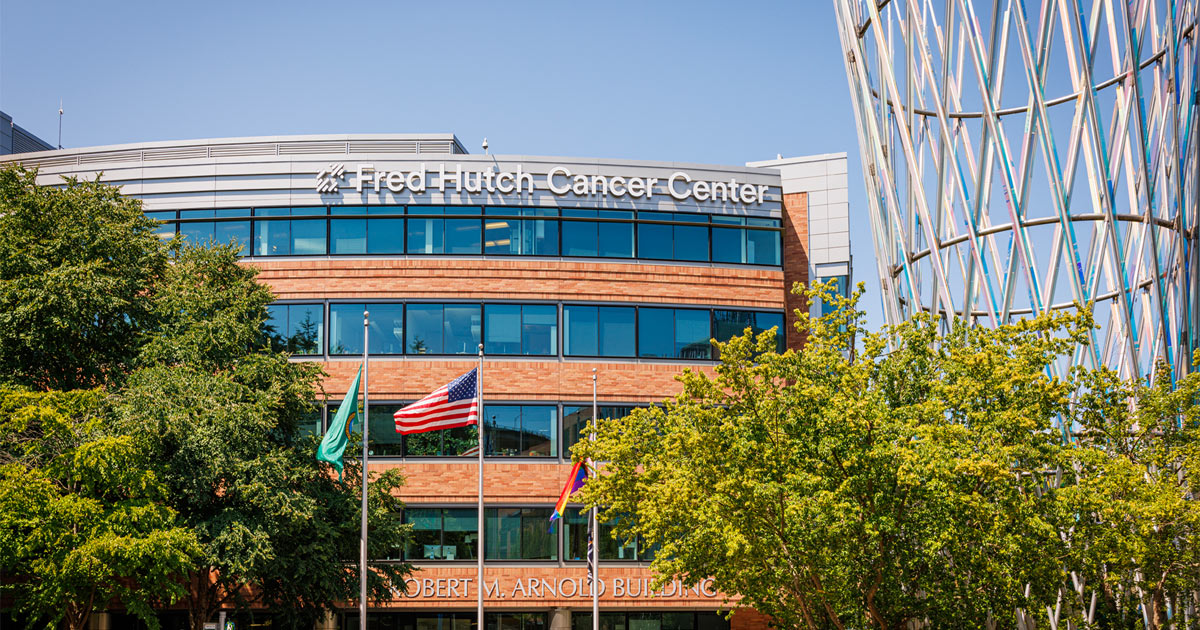
However, it’s worth noting that accessing physical therapy services at specific institutions, like Fred Hutch, might require a referral from a Fred Hutch physician, a physician assistant, or a nurse practitioner. This policy is in place to ensure that each patient receives the most appropriate and beneficial care.
One particular service provided focuses on patients plagued with secondary lymphedema. At the Fred Hutch clinic, physical therapists specializing in oncology are available. They have exhaustive knowledge of this ailment, understand its impact on the patient’s life, and know how to manage or even alleviate its symptoms.
Now, you might be wondering what exactly these physical therapy services entail. The appeal of physical therapy lies in its diverse array of treatments and therapeutic techniques – all tailored to meet an individual’s specific needs and health goals.
1. Cancer-related Fatigue (CRF) is a common side effect of cancer treatment, affecting both physical and mental stamina. Physical therapy can be used to help manage CRF through specifically designed exercise programs.
2. Physical therapists provide tailored treatment plans for patients experiencing difficulties with balance or mobility. These plans could involve activities designed to strengthen muscles, enhance flexibility, and improve overall balance.
3. Scar tissue can cause pain and restrict movement following surgery. Physical therapists can provide unique methods such as manual therapy, stretching, and other techniques that can help improve these restrictive scar tissues.
4. Patients with lymphedema— a condition where excess fluid collects in tissues causing swelling— can be treated by therapists specializing in this field. Therapeutic exercises, compression therapies, and other specialized techniques can help manage this condition.
5. Following cancer treatments, some patients may experience weakness or limited range of motion. Physical therapists can design and implement strength-building and flexibility programs to help recover these capacities.
6. Physical therapists can also provide guidance and appropriate techniques for the use of adaptive and rehabilitation equipment like walkers, wheelchairs, canes, and more, which can help cancer patients remain independent and confident during their healing process.
Remember, all these services are available on the fourth floor of the South Lake Union clinic which is part of the Fred Hutch center. The goal of such a widespread scope is to give as many patients as possible a fighting chance against cancer’s debilitating effects.
One of the most significant benefits of physical therapy services for cancer patients is the individualized nature of the therapeutic techniques. The therapists take into account the patient’s personal needs, medical history, and the type and stage of their cancer to devise a personalized treatment plan. This bespoke therapeutic approach aims to empower patients, aiding them in reclaiming their strength, well-being, and confidence amidst the trials of their health journey.
An added advantage of this personalized approach to therapy is that it sets realistic expectations for the patient. It frames their journey to recovery in a manageable perspective, enabling them to see the progress they make along the way.
In conclusion, physical therapy plays an essential role in the life of a cancer patient. While treatment addresses the disease, physical therapy helps the patient traverse their journey to recovery in a realistic and measured way. By focusing not only on strength and functionality but also on independence and individual capabilities, physical therapy enables patients to reclaim their lives post-diagnosis, one step at a time. It stands as an irreplaceable factor in the holistic healing process, promoting overall wellness and quality of life.
Title: A Comprehensive Guide to Physical Therapy Services and Treatments
Physical therapy emerged as one of the leading alternatives to medication or surgery for patients coping with an array of musculoskeletal, neurological, and cardiovascular disorders. With its vast benefits, it proves to be a notable option in Veterans’ healthcare services, particularly those affiliated with the VA Connecticut Health Care System, which includes West Haven VA Medical Center and VA Newington.
Physical therapy services offered at these locations encompass specialized treatments to address unique needs, including those for Disabled American Veterans (DAVs). These services are not limited to the clinic but extend to providing transportation for Veterans and caregivers to ensure they can attend scheduled appointments without worries about travel.
1. Mobility Services:
A paramount component of physical therapy services includes facilitating mobility for Veterans experiencing difficulty in movement due to aging, injury, or disease. Certified physical therapists incorporate exercises designed to enhance flexibility, strength, endurance, coordination, and balance. With the aid of advanced equipment and personalized therapy protocols, Veterans can regain their functional independence over time.
2. Pain Management:
Physical therapists employ a comprehensive approach to pain management, avoiding dependency on drugs. Techniques utilized can range from manual therapy, electrotherapy, to implementing targeted exercises to systematically reduce pain and inflammation while enhancing mobility and overall endurance.
3. Rehabilitation Services:
Rehabilitation services are pivotal for Veterans recovering from surgeries, strokes, or injuries. Physical therapists in VA Centres incorporate customized plans, including strengthening exercises, balance activities, and mobility exercises, aiding speedy recovery and minimizing risks of future complications.
4. Specialized Therapy Services:
The VA Centres, considering the diverse Veterans community’s needs, offer specialized therapeutic services, which include geriatric physical therapy, orthopedic therapy, neurological physical therapy, and cardiovascular physical therapy. The core goal rests on promoting wellness and independence among Veterans through effective treatment plans.
5. Transportation Services:
To alleviate concerns over traveling to appointments, VA Connecticut Health Care collaborates with Disabled American Veterans and contracted vendors in offering van services. Shuttle services for those commuting between Newington and West Haven campuses are also available. The dedicated personnel coordinate these travel benefits, emphasizing adequate transport from Veterans’ home to the medical center, mileage reimbursement, and even provision for special mode transport.
The VA Centres navigates with utmost diligence to ensure the offered services are accessible to all Veterans needing them. From non-DAV van services providing transportation to local Veterans, to on-campus parking shuttles available on weekdays, the aim is to foster accessibility with minimal hassle. It is further important to contact the DAV Coordinator or the local Beneficiary Travel Department at least 48 hours before the appointment for an efficient travel plan.
With physical therapy services taking a center stage in global healthcare, their introduction in Veterans’ health and care services via the VA Centres is commendable. It not only shows a shift towards holistic treatment approaches but also demonstrates a commitment to ensure Veteran’s health and independence in society.
In conclusion, physical therapy services and treatments have garnered significant acknowledgment in their roles to improve Veterans’ lives, offering them respite from pain, enhanced mobility, and a better quality of life. They reflect VA Centres’ commitment to provide comprehensive, personalized, easily accessible services, thereby significantly contributing to realizing Veterans’ welfare.
The global market for physiotherapy services is projected to reach a whopping $83.51 billion by 2030, up from $56.28 billion in 2023. This growth, representing a Compound Annual Growth Rate (CAGR) of 5.8%, is primarily driven by a soaring incidence of chronic diseases, a rapidly aging global population, and advancements in rehabilitation technologies.
Major players in the physiotherapy services market are prioritizing technological innovations and strategic collaborations as part of their market enhancement strategies. Recognizable names like ProRehab Physical Therapy, Physiotherapy Associates, Encompass Health, Upright Health, and Select Medical Corporation are investing a significant amount of finances in research and development to present the market with advanced physiotherapy solutions.
In terms of geographies, North America currently dominates the physiotherapy services market, thanks to its advanced healthcare infrastructure and high rates of physiotherapy treatment adoption. However, the Asia-Pacific region, led by countries like Vietnam, Thailand, Japan, South Korea, and Singapore, is anticipated to exhibit considerable growth.
Contrasting trends are evident within the Asia-Pacific region. For instance, Vietnam is witnessing a surge in physiotherapy demand, driven by expanding healthcare infrastructure and mounting awareness around chronic diseases. Likewise, South Korea is seeing consolidation through strategic partnerships and acquisitions between key players to cement their stand in the thriving market. On the other hand, Singapore is rapidly modernizing its healthcare policies to accommodate advancements in physiotherapy technologies.
However, Japan stands as the technology front-runner in physiotherapy. With escalating investments in research and development, the country is prioritizing the improvement of physiotherapy treatments, especially to accommodate its aging population.
In Europe and the United States, the focus is on improving patient outcomes and expanding service networks to meet the rising demand for rehabilitation services. Companies are adhering to stringent regulations to offer enhanced physiotherapy treatments, conducting research, and paving the way for innovative technologies in the physiotherapy sector.
The physiotherapy services market is divided into several segments based on application and mode of treatment. The application segment encompasses Orthopedic Physical Therapy, Geriatric Physical Therapy, Neurological Physical Therapy, and Cardiopulmonary and Pulmonary Physical therapy. In terms of treatment, the segment includes Exercise, Manual Therapy, Specialized Treatments, Relaxation Techniques, and Posture Correction Methods.
Recent developments in the physiotherapy services market are indicative of its future growth. ProRehab Physical Therapy has strategically expanded its services network through acquisitions in emerging markets. Meanwhile, Select Medical Corporation has launched a new range of home physiotherapy equipment, intended to fortify patient convenience and enhance treatment efficacy.
In conclusion, the meteoric rise of the physiotherapy services market is principally contingent on an aging global population, an increase in chronic diseases, and technological advancements in rehabilitative care. The market is projected to reach $83.51 billion by 2030, burgeoning at a CAGR of 5.8%. The insatiable demand for quality physiotherapy services is ensuring a prosperous future for this market.
The global physical therapy services market is projected to expand significantly from USD 140.69 billion in 2025 to USD 186.90 billion by 2033, with a CAGR of 3.61%. Physical therapy addresses various health issues, including injuries, chronic conditions, and post-surgical rehabilitation. It involves customized care plans developed by licensed physical therapists, helping patient mobility and quality of life.
Market factors responsible for this growth include the increasing incidence of chronic conditions, musculoskeletal disorders, aging global population, and technological advances in telehealth and digital platforms. Such technologies make physical therapy services more accessible and remote consultations possible, becoming key in the modern healthcare landscape.
An emerging trend in the market is integrating robotic devices and artificial intelligence (AI) into rehabilitation practices. Companies like BIONIK Laboratories use robotic devices like the InMotion therapy systems for more precise and personalized therapy experiences, particularly beneficial for neurological conditions and post-stroke rehabilitation.
Tele-rehabilitation and digital platforms are transforming the delivery of services and driving market growth by providing remote access to rehabilitation, thus enhancing patient engagement and improving therapy outcomes.
Increased adoption of sports medicine and rehabilitation, driven by the growing interest in sports and fitness, significantly fuels the demand for specialized physical therapy services. Athletes rely on physical therapists for injury prevention, performance enhancement, and recovery.
Despite these positive factors, the high cost of physiotherapy services remains a major constraint, primarily in countries without universal healthcare. Insurance companies often limit the number of reimbursed therapy sessions, making patients pay out of pocket or discontinue needed therapy.
There is, however, an essential market opportunity in home-based therapy programs, catering to elderly or immobile patients. Companies offering home-based physiotherapy services are experiencing impressive client base growth.
Region wise, North America leads the global market due to several factors such as the high prevalence of chronic conditions, musculoskeletal disorders, and aging populations. On the other hand, Asia-Pacific is predicted to experience the fastest growth, fueled by rapid economic growth in countries like China, India, and Japan, leading to increased healthcare expenditure and access to rehabilitation services.
Market segmentation reveals that orthopedic therapy dominates the global physical therapy services market due to the increasing incidence of orthopedic disorders and injuries, especially among the aging population and active individuals. The private insurance segment dominates the market due to the comprehensive coverage they offer for rehabilitation services.
Key players in the global market, such as Drayer Physical Therapy and Athletico Physical Therapy, strategically collude, acquire, and partner to strengthen their service portfolios and expand their geographic presence, focusing and on integrating new technologies such as telehealth platforms to diversify their rehabilitation service offerings.
Adaptation to Telerehabilitation: PTs’ Experiences During the COVID-19 Pandemic
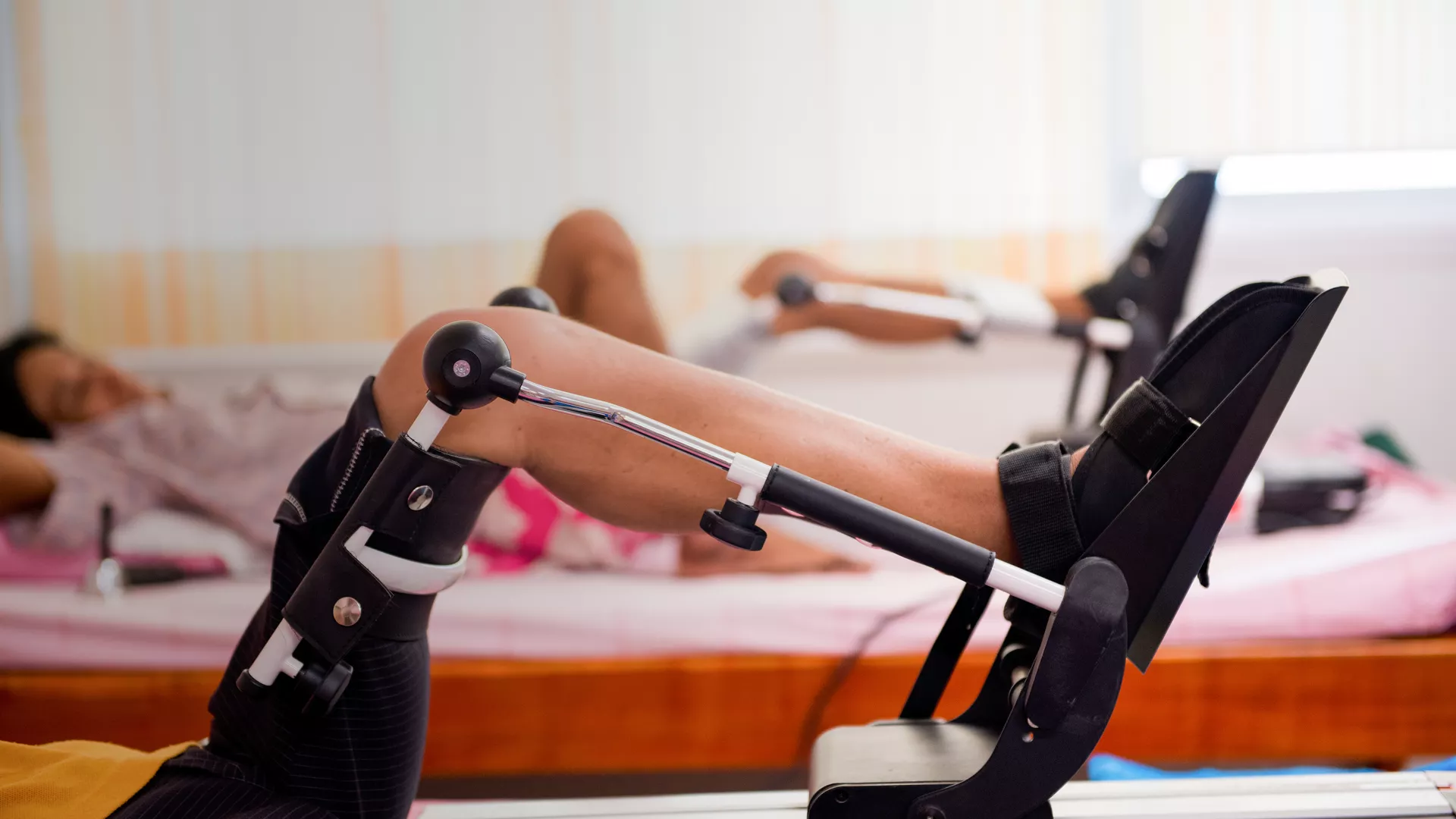
COVID 19 pandemic triggered a remarkable shift to telerehabilitation services for physiotherapy, a domain that typically delivers hands-on assessments and treatments. A survey aimed to explore how physiotherapists adapted to this transition and assess their perceptions of implementing telerehabilitation was conducted.
Physiotherapy, traditionally relying on in-person treatment using special equipment and physical guidance, underwent a big transition due to COVID-19. Physiotherapists had to adapt their practice to deliver telerehabilitation services remotely via phone or videoconference. Seventy-five physiotherapists participated in the survey, revealing a significant increase in the use of phone and videoconference for delivering physiotherapy during the pandemic.
While physiotherapists found videoconference more effective than phone for delivering therapy, more than half questioned their effectiveness when treating pain, upper extremity function, or strength/range of motion via videoconference. Only 29.3% felt confident treating walking balance or mobility through videoconference. Technical barriers were identified including client comfort with equipment and positioning of the webcam. Despite this, a large proportion of physiotherapists expressed their commitment to continuing telerehabilitation after the pandemic.
Prior to the pandemic, videoconferencing was primarily used for education or follow-up care. The pandemic provided the opportunity to understand the experiences of PTs with implementing telerehabilitation services across a broad variety of clinical settings.
The survey respondents, primarily female PTs aged between 30 to 50 with less than 10 years of practice, closely represent the American PT sector demographic. Working in orthopaedics, neurological rehabilitation or with mixed caseloads, the majority had to transition to delivering telerehabilitation during the pandemic.
Despite the logistical challenges and safety concerns, the PTs remained positive about integrating telerehabilitation into their practice following the pandemic. Yet almost half of them found telerehabilitation tiring, possibly due to the number of barriers that needed addressing such as technological challenges, client interest, and safety issues.
Not all clients on their caseload had access to the technology required for telerehabilitation, further complicating the issue. Given that seniors form an important sector of PT client base and almost a third of them live alone in Canada, coupled with safety concerns for clients living alone, telerehabilitation faces obstacles in addressing underserved clinical groups and regions.
Physiotherapists also identified the role of caregivers when offering telerehabilitation services. They agreed that videoconference effectively engaged caregivers in rehabilitation at home though extra burden on caregivers could be a concern.
The study concluded that while physiotherapy via telerehabilitation might not be effective for areas requiring in-person physical assistance, it may be successfully used for progressing uncomplicated activity or exercise programs. The development of future telerehabilitation services should factor in PTs’ perceived barriers and the impact on caregivers. Despite significant challenges, many professionals showed their willingness to integrate telerehabilitation into their practice after the pandemic.
Sources:
 Global Physiotherapy Services Market Booming Worldwide with Aging Population and Mobility Issues
 Physical Medicine and Rehabilitation – Overview
 Benefits of Physical Therapy
 West Haven VA Medical Center | VA Connecticut Health Care | Veterans Affairs
 Physiotherapy Services Market to Reach $83.51 Billion by 2030
 Physical Therapy Services Market Share & Growth Report 2033
 A survey of the experiences of delivering physiotherapy services through telerehabilitation during the COVID-19 pandemic

