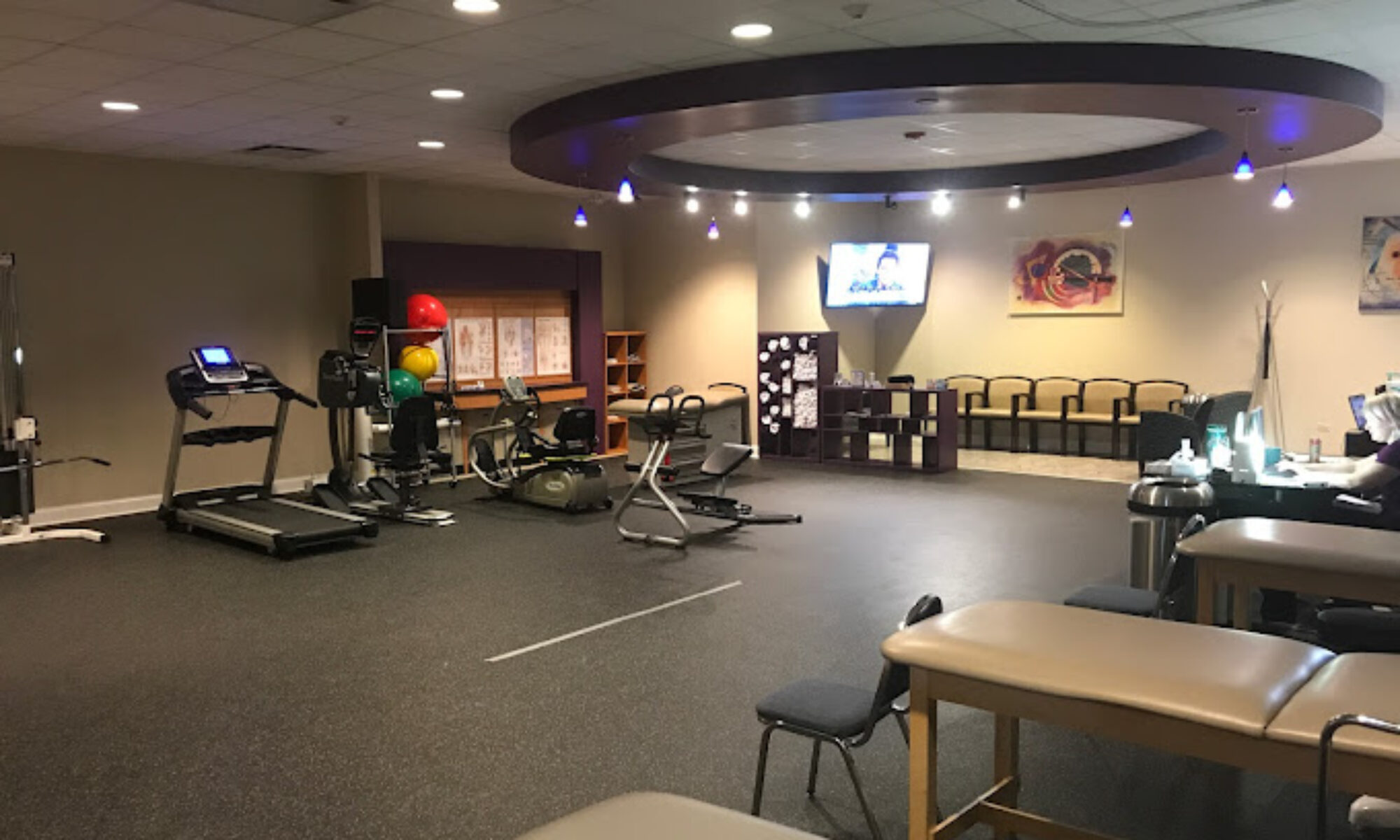

Physical Medicine and Rehabilitation: An In-depth Insight into Fresh Rehabilitation Strategies Utilized In Current Healthcare
Physical Medicine and Rehabilitation (PM&R), a significant branch of medical services aimed at restoring and improving the quality of life for patients impacted by diseases, injury, or other debilitating conditions, is undergoing noteworthy advancements. Clinical experts at healthcare powerhouses like Mayo Clinic use cutting-edge methodologies to tailor treatment plans for patients, emphasizing retraining neural pathways, improving movement, muscle capability, and overall capacity.
The Mayo Clinic employs a multidisciplinary team of physicians, therapists, nurses, and care providers that treat a multitude of conditions meticulously including those impacting the musculoskeletal system, spinal cord, brain, and nerves. The premise of the team’s approach lies in restoring function to offer the best solutions for the patients, improving their quality of life.
Owing to decades of experience, the expert team is skilled at examining medical images and physical examinations of bones, muscles, and joints, partnering with the patients for joint decision-making on the treatment plan.
Harnessing the Advent of Technology in Global Physical Therapy Services
Mayo Clinic stands at the forefront of using technology in innovative therapies. One such advanced therapy employs 3D computer technology and printing for hand or wrist braces. Interactive gaming therapy, adaptive athlete therapy, and pediatric rehabilitation are other groundbreaking methods employed in this realm.
The assistive and restorative capabilities of cutting-edge technology are advancing therapeutic treatments. For instance, the Assistive and Restorative Technology Laboratory (ART Lab) offers testing procedures and therapeutic solutions deploying the latest technology.
Emerging Trends in Physical Therapy Services
Healthcare advancements vis-à-vis robust robotic technology and artificial intelligence (AI) have elevated rehabilitation therapy. Robotic devices and AI algorithms now form a leading trend in physical therapy services. This system offers a personalized, precise, and engaging patient experience, which is especially useful in rehabilitation required due to neurological conditions or stroke.
Another significant development in the healthcare landscape is tele-rehabilitation via digital platforms, providing remote consultations and home-based care to patients. This methodology revolutionizes patient care, enabling the provision of physical therapy services in a more accessible, convenient, and tailored manner.
Market Growth
The global physical therapy market, valued USD 134.92 billion in 2024, is projected to be worth USD 186.90 billion by 2033, marking a CAGR of 3.61% during 2025-2033. A key driver of this market growth is the rising incidence of chronic conditions like cardiovascular diseases, musculoskeletal disorders, and arthritis.
The Market Segmentation
The global physical therapy services market is categorized into different sections based on application, end-users, and payers.
By application, the market is segmented into orthopedic, geriatric, women’s health, pediatric, and neurological therapies. By end-users, the market is categorized into hospitals, outpatient clinics, home healthcare. Based on payers, the market is divided into public insurance, private insurance, and out-of-pocket.
Geographical Insights
North America holds the dominant share in the global physical therapy services market due to the high occurrence of musculoskeletal and chronic disorders. The region is also home to an aging population who frequently require physical therapy services.
On the other hand, the Asia-Pacific region is emerging as the fastest-growing market due to growing healthcare expenditure and the increasing prevalence of chronic diseases.
A Promising Future
Physical therapy services, being a vital part of healthcare systems in managing destructive conditions, are witnessing substantial growth in terms of market size and treatment methodologies. Utilizing technology and a multidisciplinary approach, patients can now look forward to a more integrated, personalized, and accessible range of services.
The market is expanding with the advent of home-based therapies and technological innovations like AI and robotics, kitted to tailor treatments to specific needs. As the global burden of diseases continues to climb, physical therapy services stand resilient, providing a beacon of hope where traditional healthcare interventions might fall short.
The global physiotherapy industry has encountered unprecedented change over the past year, chiefly due to the COVID-19 pandemic. This article evaluates recent trends and significant shifts in service delivery, most notably the rapid transition to telerehabilitation, a remote service delivery model involving phone or videoconference technologies.
Historically, physiotherapy has been a hands-on service, with PTs offering physical assessments and in-person treatments. However, the pandemic prompted a swift shift towards virtual services, with a study exploring PTs’ adaptation to telerehabilitation and examining their perceptions of its use.
The study found that the share of PTs delivering services via phone rose from 24% to 73.3% during the pandemic, while videoconferencing usage increased from 5.3% to 77.3%. Despite these usage increases, many practitioners questioned the effectiveness of telerehabilitation methods – those traditionally involving hands-on bespoke treatments or guidance.
On the other hand, a growing number of PTs plan to continue integrating telerehabilitation into their work post-pandemic. Based on this study’s results, 54.7% intend to keep using phone-based services, and 68% plan to continue using videoconference services.
Despite the lack of suitable original data collection tools, an original survey was established by the research team using the online software tool Qualtrics. This survey addressed patient safety, outcome measurement, caregiver involvement, technological hurdles, and work burden, among many other key issues related to remote physiotherapy.
This focus on telerehabilitation represents just one notable trend in our rapidly evolving industry. A recent Coherent Market Insights analysis anticipates the global physiotherapy services market will be worth $79.34 billion by 2031, propelled by an increasing prevalence of chronic diseases and rising incidence of sport and accident-related injuries.
Physiotherapy, likely incorporating telerehabilitation, can also play a key role in treating and managing several heart and lung conditions, including heart failure, chronic obstructive pulmonary disease (COPD), and asthma. This
Sources:
 Physical Medicine and Rehabilitation – Overview
 West Haven VA Medical Center | VA Connecticut Health Care | Veterans Affairs
 Physical Therapy Services Market Share & Growth Report 2033
 A survey of the experiences of delivering physiotherapy services through telerehabilitation during the COVID-19 pandemic
 From PTJ: How to Implement PT Services for Men Undergoing Radical Prostatectomy
 Global Physiotherapy Services Market to Reach US$ 79.34 Billion by 2031, Coherent Market Insights

