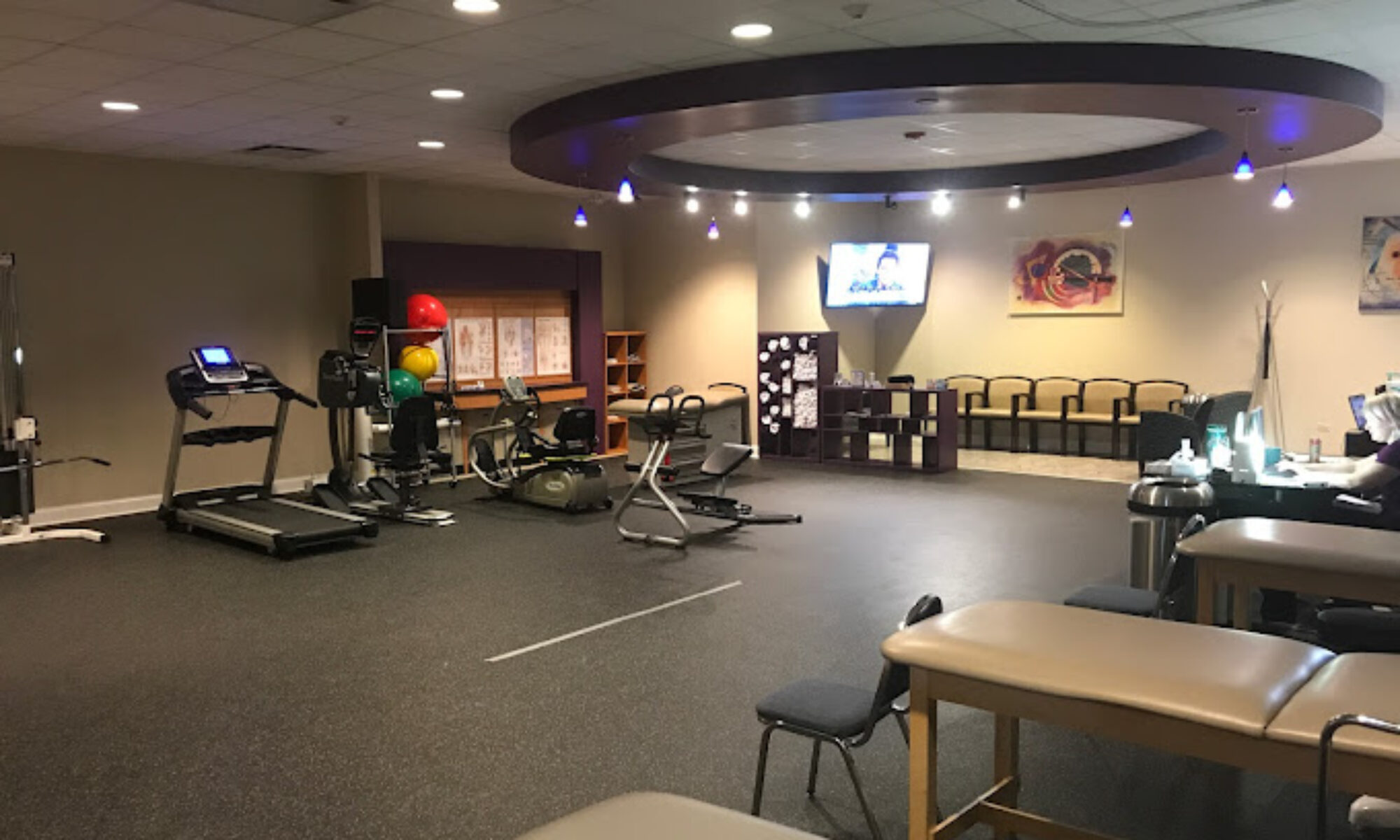

Physical Medicine and Rehabilitation, known as PM&R or physiotherapy, is a crucial clinical service that restores patient function and mobility, reduces pain and prevents further injury or disease. The Mayo Clinic, a global leader in medical care, research, and education, provides several PM&R services, and a survey on physiotherapy services was recently completed focusing on the delivery experiences amid the COVID-19 pandemic.
At Mayo Clinic, PM&R services are tailored to the specific health needs of each patient. The team of expert physicians and therapists diagnose and treat a range of medical conditions affecting the brain, spinal cord, nerves and the musculoskeletal system. Treatments encompass bone, muscle, and soft tissue therapies, and programs for gaming and Esports injuries, Adaptive athlete medicine, and Pediatric Rehabilitation.
Mayo Clinic’s rehabilitation teams treat traumatic and non-traumatic injuries, helping patients develop health plans they are comfortable with. With several areas dedicated to specific types of care, they are equipped to enhance short-term and long-term recovery for patients. PM&R facilities are equipped with state-of-the-art technology and offer advanced therapeutic expertise. Therapies include the use of physical modalities such as custom orthotics and ultrasound, as well as therapeutic exercise and manual therapy.
Mayo Clinic PM&R recognises that technology is vital in advancing the science of rehabilitation. Hence, the Assistive and Restorative Technology Laboratory (ART Lab) uses cutting-edge techniques like 3D computer technology for hand/wrist braces, spinal cord injury assistive technology, walking assessment in the Motion Analysis Laboratory, functional electrical stimulation, and advanced prosthetic options for amputees.
The COVID-19 pandemic has significantly impacted the delivery of physiotherapy services. Physiotherapists had to shift dramatically to telerehabilitation, employing phone or videoconference technology for treatments that traditionally require manual handling or hands-on guidance/supervision. Although there was an increased uptake of telerehabilitation, many physiotherapists questioned its effectiveness. Still, they were committed to continuing with telerehabilitation post-pandemic.
The study involving the experiences of delivering physiotherapy through telerehabilitation during the pandemic found that the use of phone and videoconference for physiotherapy increased significantly amongst physiotherapists. However, they faced technical barriers such as client comfort with the equipment and webcam positioning. Less than half felt they could effectively treat pain, upper extremity function, or strength/range of motion via videoconference.
Despite its challenges, implementing PT services for men undergoing radical prostatectomy, for example, was shown to improve quality of life according to a recent report from the American Physical Therapy Association. Particularly for an underserved patient demographic, this PT program could provide a roadmap for other healthcare systems to develop similar services.
Tele-rehabilitation has also proven useful in engaging caregivers as partners in rehabilitation within the home, although the burden this may place upon caregivers must be considered. However, the consensus amongst PTs is that the practice of telerehabilitation will continue post-pandemic.
In summary, modern physiotherapy is moving towards a more patient-centric, personalized and technology-enhanced approach to enhance the quality of life and speed of recovery for patients. Challenges remain, especially with the shift towards telerehabilitation amid the pandemic. Research and development are crucial to maximize the effectiveness and accessibility of physiotherapy services in the future.
Title: Revolutionizing Physical Therapy Treatments and Services in the Modern Healthcare Era
Traditionally, physical therapy has been a significant part of medical care, serving as a non-invasive treatment method to help millions of people globally manage a wide range of health conditions. With a surging demand for comprehensive physical care, after-effects of the aging population, and an upsurge in chronic diseases, the global physiotherapy services market is expected to thrive in the upcoming years.
1. Medical Transportation Services to San Diego VA Clinic
The VA San Diego Healthcare System offers a range of free transportation services for veterans in need. The Veterans Transportation Service (VTS) provides rides for veterans capable of walking or using walking aids such as canes, crutches, and walkers. The VTS vans equipped with hydraulic lifts can accommodate wheelchairs and powered scooters.
The Special Mode Transportation service offers specialized transportation for severely disabled veterans, while the Disabled American Veterans (DAV) assists veterans with scheduled rides. Additionally, the VA San Diego Healthcare System provides beneficiary travel benefits that include round-trip transportation from the veteran’s home to the medical center, mileage reimbursement, or exclusive mode transport.
2. Predicted Growth in the Global Physiotherapy Services Market
With a current estimated value of US$ 55.23 billion (2024), the global physiotherapy services market is predicted to burgeon steadily, reaching a whopping US$ 79.34 billion by 2031; a prospective CAGR surge of 5.3% over the 2024-2031 period.
Fueling this anticipated market growth is the rise in the prevalence of chronic diseases, including cardiovascular diseases, diabetes, respiratory diseases, and cancerous conditions. A report by the World Health Organization (WHO) indicates chronic diseases were responsible for about 70% of all deaths worldwide in 2019.
Simultaneously, the aging global population—projected to be 1.5 billion by 2050 from 703 million in 2019—is more prone to musculoskeletal disorders, thereby contributing to the rising demand for physiotherapy services.
3. Trends in the Physiotherapy Market
One trend redefining the physiotherapy services market is the amplified adoption of evidence-based physiotherapy practices. This approach assists in treatment standardization and effectiveness, thereby contributing to patient satisfaction and outcomes. As per the Brazilian Journal of Physical Therapy, over 90% of physiotherapists utilized evidence-based practices in their treatments in 2021.
Furthermore, technology has made significant strides in physiotherapy, with the increasing use of digital healthcare tools amplifying treatment accessibility and patient engagement. Concepts such as telerehabilitation, virtual reality, wearable sensors, and 3D motion sensors are becoming an integral part of these services.
4. Physiotherapy Types and Global Market Share
Of the different physiotherapy types—ranging from cardiopulmonary, orthopedic, electrotherapy, hydrotherapy, musculoskeletal, neurological, among others—the cardiopulmonary physiotherapy segment accounts for over 30% of the global market in 2024. This dominance is primarily due to an elevation in the prevalence of cardiovascular and pulmonary diseases worldwide. Physiotherapy plays a crucial role in treating heart failure, chronic obstructive pulmonary disease (COPD), and asthma, enhancing the cardiorespiratory endurance, muscle strength, flexibility, and overall functionality of patients suffering from these diseases.
In contrast, the geriatric population segment is anticipated to witness the highest growth in demand for physiotherapy services, which can improve pain management, balance and coordination, and the overall quality of life.
Final Notes
Physiotherapy shows promising future growth, primarily driven by increasing chronic diseases and an aging population. Furthermore, the enhanced use of evidence-based practices and digital tools in physiotherapy are making rehabilitative services more accessible, efficient, and patient-centric. Leading players in the market include ProRehab Physical Therapy, Physiotherapy Associates, Encompass Health, Upright Health, Select Medical Corporation, among others.
As we move forward in the 21st century, the physiotherapy services market continues to evolve, amplifying the importance of adopting new medical technologies and enhanced treatment strategies to improve the quality of life of patients worldwide.
Sources:
 Physical Medicine and Rehabilitation – Overview
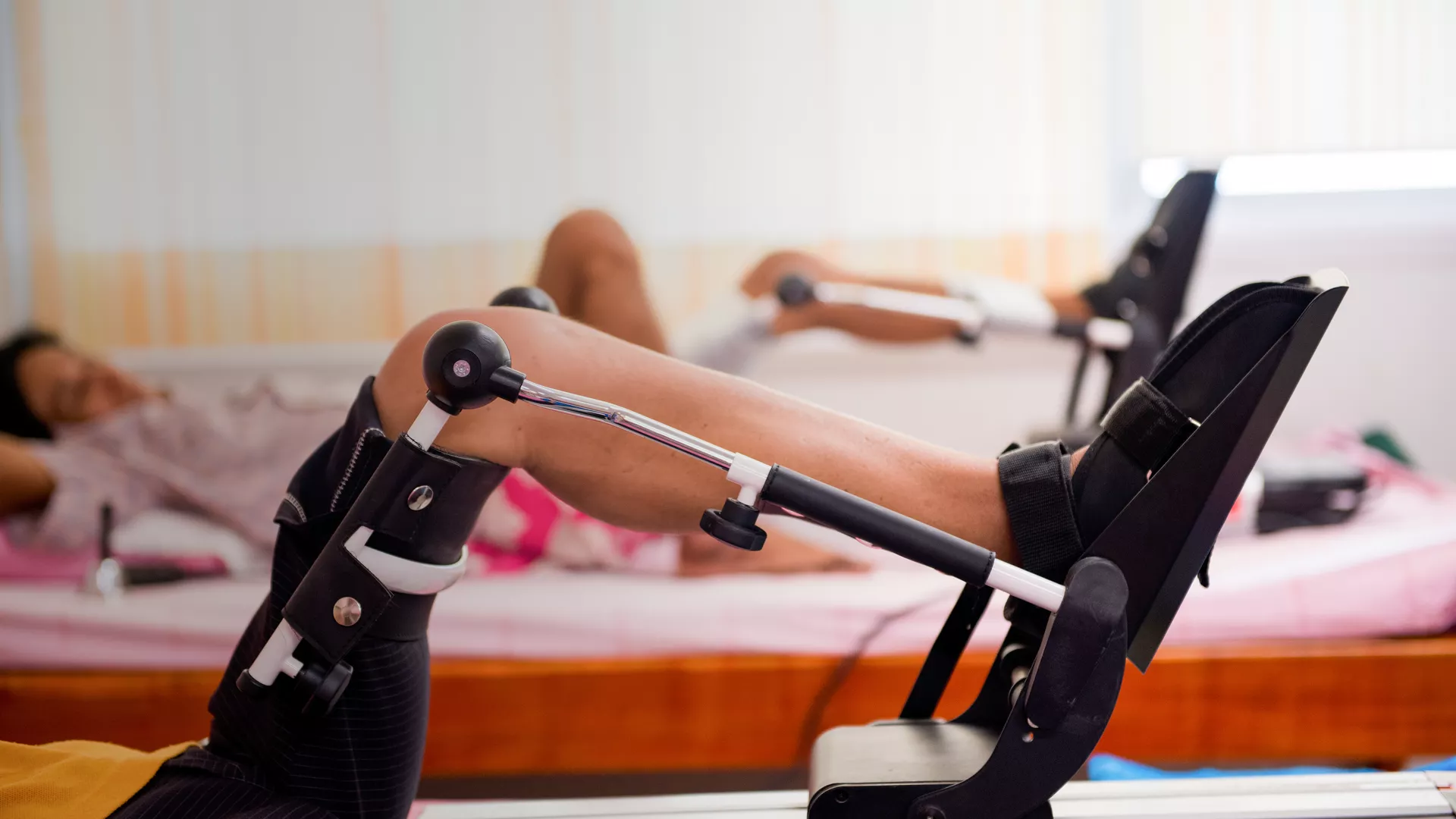 A survey of the experiences of delivering physiotherapy services through telerehabilitation during the COVID-19 pandemic
 From PTJ: How to Implement PT Services for Men Undergoing Radical Prostatectomy
 Kearny Mesa VA Clinic | VA San Diego Health Care | Veterans Affairs
 Global Physiotherapy Services Market to Reach US$ 79.34 Billion by 2031, Coherent Market Insights

