
From aiding warfighters to regain readiness to asserting the state of direct access, the physical therapy sector is making significant strides in the health care continuum. This feature article examines the latest developments in physical therapy services and treatments, underpinning the emerging trends and themes based on articles from the past month.
To start, we tap into the critical mission at the Marine Corps Air Station Cherry Point where a specialized team of sailors and civilians are dedicated to helping injured sailors and Marines return to duty. Spearheaded by Navy Medicine Readiness and Training Command, the Physical Therapy team underscores the importance of treating the service members’ injuries, simultaneously imparting education about continuing their rehabilitation and managing pain throughout their career.
Recognizing musculoskeletal injuries as the most common reason service members seek medical care, PT serves as a first line of defense. In this endeavor, physical therapy optimizes a service person’s performance, reinstates their ability to continue their duties, and enhances their quality of life in their daily routine and recreational activities.
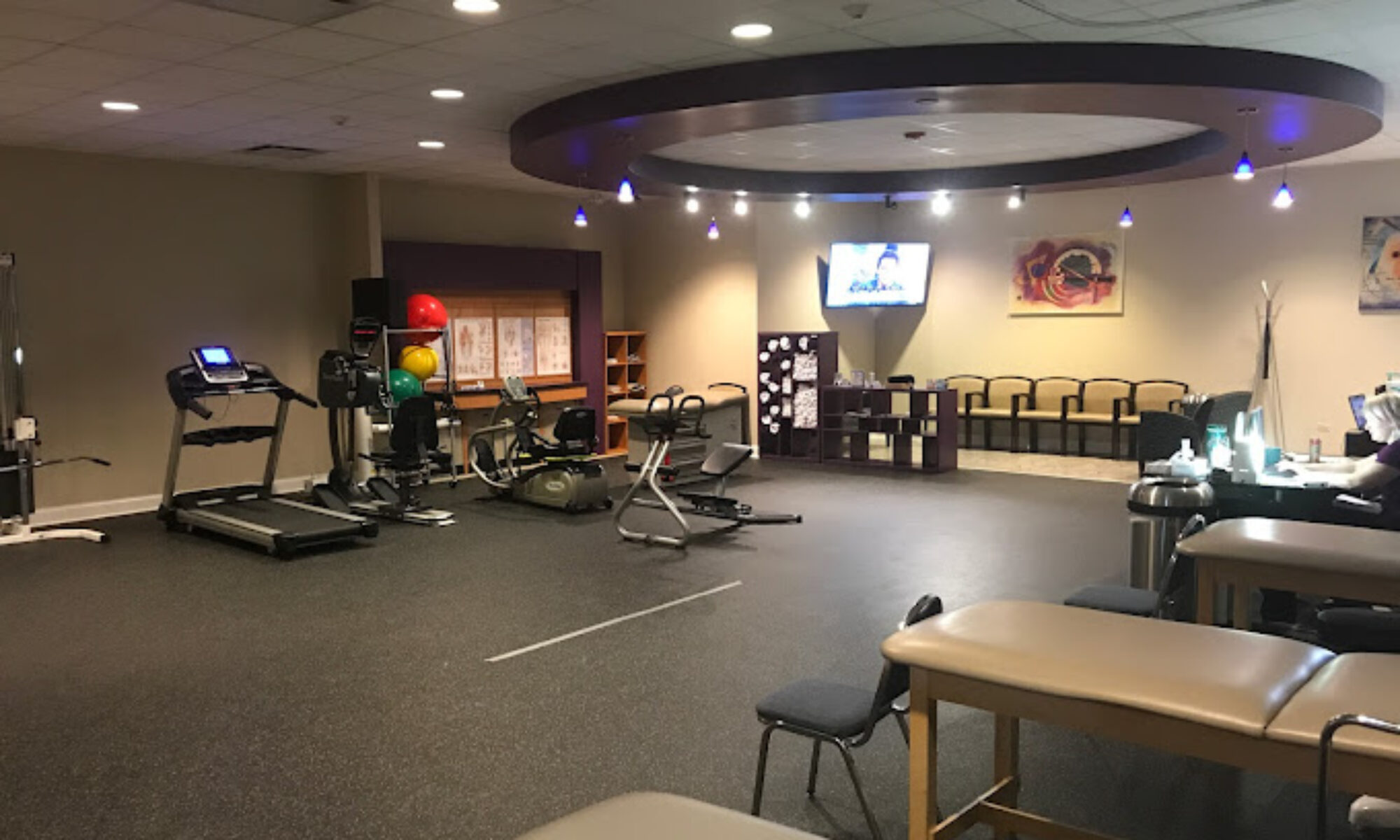
The PT facility at Cherry Point is bustling with activity, comprising physical treatment and gym activities, striking a perfect balance between resistance and cardio workouts. The space also allows group classes and treatments for knee and low back pain. Hospital Corpsman First Class Matthew Brown emphasizes the importance of Physical Therapy in addressing these injuries promptly, preserving the readiness of the force and getting the service members back on their feet.
Further, we delve into the state of direct access to physical therapy services, drawn from a report from the American Physical Therapy Association (APTA). The report reveals that all 50 states, the District of Columbia, and the U.S. Virgin Islands either offer provisional or unrestricted direct access for patients to physical therapy services for evaluation and treatment.
However, APTA notes the existence of provisions tied to treatment without a referral in several states, despite evidence suggesting the benefits of unrestricted direct access to patients, providers, employers, payers, and the U.S. health care system. The report serves as a strategic resource to equip health care leaders with scientific evidence to overcome opposition to direct access and to foster impactful changes.
Concisely capturing the history and status of direct-access across the U.S., the report offers strategic insights for payer, employer, and policy negotiations. Besides, it covers summarized evidence addressing common concerns raised by insurers, regulators, and other stakeholders in aspects like patient safety, functional outcomes, physical approval, and patient satisfaction.
In conclusion, developments in the physical therapy sector are rapidly transforming and amplifying the accessibility and effectiveness of health care services. From playing an instrumental role in restoring duty-readiness in the military to offering patients an unrestricted access to physical therapy services, the field is constantly evolving to foster a healthier and more active society. Fueled by passion, driven by science, physical therapy continues to make great strides in advancing patient care.
Emerging Technologies and Increased Access Characterize Modern Physical Therapy Services and Treatments
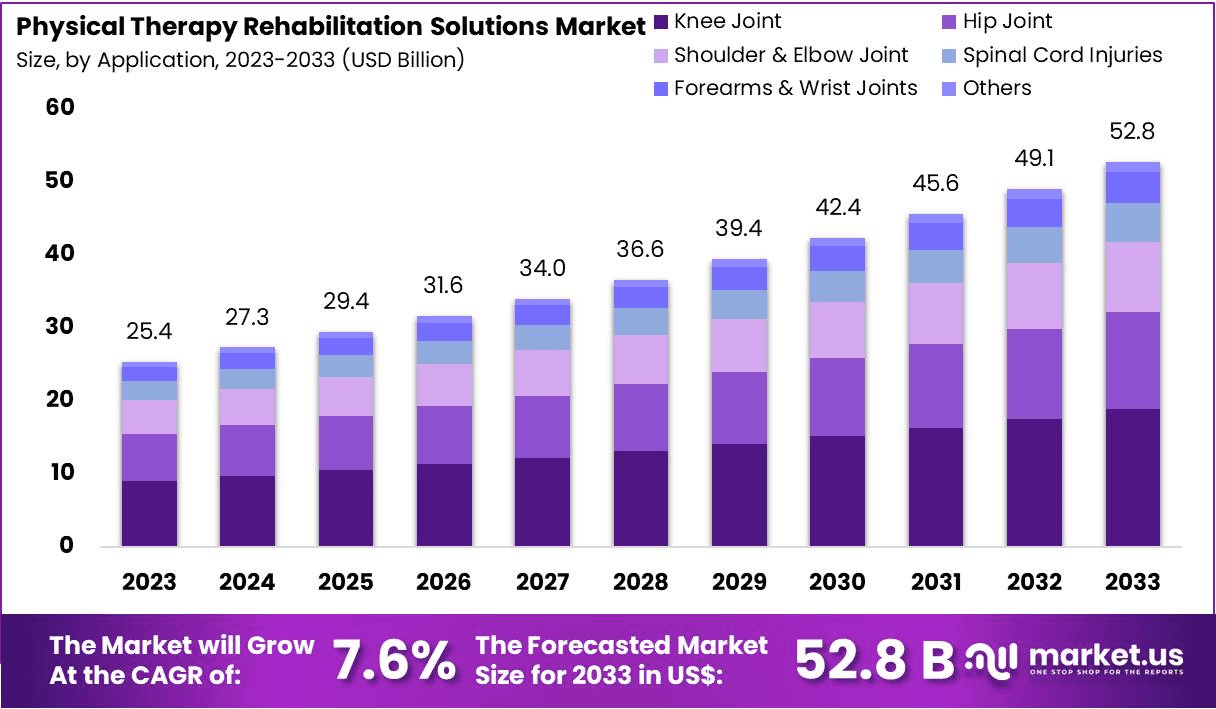
Healthcare and wellness sectors worldwide are increasingly recognizing the importance and effectiveness of physical therapy rehabilitation, a trend reflected in encouraging market growth projections. The Global Physical Therapy Rehabilitation Solutions Market is projected to grow at a Compound Annual Growth Rate (CAGR) of 7.6%, with estimates putting its worth at around US$ 52.8 Billion by 2033, more than doubling from US$ 25.4 Billion in 2023.
As our aging population expands, and chronic conditions like arthritis become more prevalent, the need for specialized therapeutic care is ever more critical. Patients recovering from surgeries, injuries, or mobility issues require targeted, effective, and safe treatments to return to their usual levels of activity. Furthermore, with growing awareness of the benefits of physical therapy, market growth is likely to be boosted by patient demand.
North America, with its advanced healthcare services and facilities, is anticipated to dominate the physical therapy rehabilitation solutions market. In 2023, it accounted for over 39.8% of the total market share. However, the Asia Pacific region is set to record substantial growth. With improving healthcare access and a rising burden of musculoskeletal disorders, countries in this region, including China, India, and Japan, are expected to experience a significant uptick in the demand for physical therapy services in the coming years.
Within the realm of physical therapy, several emerging trends promise to shape the future of rehabilitation services and treatments. Digital advances and technological innovations offer new ways to deliver therapy and monitor progress. Telehealth, for instance, is transforming the way patients access care. Guided therapy sessions can be conducted in the comfort of patients’ homes, ensuring they continue to receive the care they need, whether they live in urban centers or remote rural areas. This growing demand and digital shift, coupled with newly emerging treatment modalities, have led to an increase in the availability of physical therapy services even in educational institutions, such as Utah State University, which recently added a clinic providing these services.
Complementing telehealth is the rise of virtual reality (VR) and augmented reality (AR) in rehabilitation programs. This technology helps to tackle neurological rehabilitation, balance training, and sports injury recovery, alongside other physical therapy needs. Simulated environments improve patient engagement and provide more accurate results due to real-time performance data collection.
Similarly, wearable technology is being integrated into physical therapy practices as they offer real-time, accurate patient monitoring capabilities. Wearable sensors can trace patterns in patients’ movements, thereby ensuring more personalized, effective, and safe treatment plans.
Combining these technologies with gaming components, such as gamified exercises, can also greatly improve patient adherence, driving consistent participation and more significant results in treatments. Patients follow prescribed therapy sessions more efficiently when these are hidden within engaging activities or challenges, turning therapy from a possibly daunting task to an enjoyable experience.
Robotic rehabilitation devices are another innovation increasingly being applied to physical therapy practices. These robotic systems support physical therapists by introducing controlled assistance during exercises, allowing for greater precision, effectiveness, and consistency.
Physical therapy rehabilitation solutions have made a significant impact on patient care, enhancing mobility, reducing pain, and improving recovery rates following surgery or injury. They minimize the risk of long-term disability, reduce healthcare costs, and provide invaluable support for patient independence. As healthcare systems continue to evolve, physical therapy rehabilitation solutions represent a robust and reliable means to address a growing need for effective therapies.
However, technology is not the only contributor to the increased importance of physical therapy in rehabilitation. As seen in the recent development at Utah State University (USU), facilities are also exploring therapies like aquatic therapy. The newly opened Sorenson Legacy Foundation Center for Clinical Excellence at USU boasts a specialized Hydroworx pool for aquatic physical therapy, opening up a new avenue of rehabilitation.
Physical therapy is not just about rehabilitation post-injury or surgery, but disease prevention and enhancing the general quality of life. As such, the health sector’s focus on rehabilitation services reflects a shift in overall patient healthcare, moving towards a more holistic and preventative approach. With an array of emerging technologies and treatment modalities, physical therapy rehabilitation solutions stand at the forefront of this patient-focused healthcare revolution.
Dr. Sean Wells, a physical therapist based in Florida, faces a federal lawsuit challenging his practice’s policy of excluding Medicare patients from receiving treatment. This lawsuit brings to light an issue faced by many physical therapists across the country due to Medicare’s rigid coverage limits and exclusion of physical therapy from its opt-out permission list. Dr. Wells has worked tirelessly over the years to provide essential care to those unable to travel, but elderly and disabled patients who need his services the most are legally excluded due to their Medicare coverage.
Dr. Wells founded his cash-based physical therapy practice in 2011, sidestepping the bureaucratic red tape of private insurance and Medicare. This approach allows practitioners to customize treatments and gives more control to patients over their medical care. Unfortunately, this healthcare model is currently not permitted for physical therapists treating Medicare beneficiaries, leading to severe consequences for many individuals dependent on these services.
Federal law defines “physician” and “practitioner” without including physical therapist, which results in these therapists facing potential penalties and professional exclusion for treating Medicare patients privately. Additionally, physical therapists can provide services to Medicare beneficiaries only if the services are deemed non-medically necessary. This definition creates a disturbing scenario where therapists must cease treatment if a patient needs clinical rehabilitation due to a medical condition.
This unfair exclusion has severe implications, especially for rural residents with limited access to therapy services. Long-standing patients are often compelled to transition into crowded practices with inflexible schedules and impersonal care due to Medicare regulations.
In response to these challenges, Dr. Scott Gardner founded the United Physical Therapy Association (UPTA) in 2024 to advocate for improved healthcare policies, including the right to offer cash-based services to Medicare patients. Dr. Wells and UPTA, backed by Pacific Legal Foundation’s free legal representation, are fighting Medicare’s discriminatory ban on private-pay physical therapy, standing up for their profession and Americans’ right to the healthcare services they need.
In other news, Sanford Health West Fargo has recently announced the availability of physical therapy services. Recognizing the integral role of physical therapy in patient rehabilitation, the facility allows one-on-one interaction with experienced physical therapists who undertake evaluation, treatment, and prevention of mobility injuries and disorders.
David Tompkins, lead physical therapist at Sanford Health, shared his excitement about the facility’s new service. The range of services and therapies offered include dizziness and imbalance treatment, dry needling, LSVT BIG treatment for Parkinson’s, lymphedema therapy, orthopedic care, pain management, postoperative services, stroke rehabilitation, and women’s healthcare. Sanford West Fargo aims to provide local population access to comprehensive physical therapy services within their community.
The growth of physical therapy services in healthcare indicates a promising development for patients. In an ideal setting, facilities like Sanford and practitioners like Dr. Wells should be allowed to operate under fair laws to provide the necessary healthcare services that meet the needs of all Americans. The unjust exclusion of physical therapists from providing Medicare-covered treatments should be reviewed to ensure that elderly and disabled populations can access the critical services they require, wherever they are located.
Title: Modern Practices in Physical Therapy: Services and Treatments Elevating Patient Care
Physical therapy continues to play an essential role in patient recovery and rehabilitation, improving functionality and quality of life. The core is to offer personalized, comprehensive, and innovate treatments. Two recent developments underline this progress: the opening of a new JAG Physical Therapy practice in Cranford and the launch of a Sport PT Mobile Clinic by Khon Kaen University (KKU) in Thailand. Both reveal the current landscape of physical therapy services and treatments.
JAG Physical Therapy has recently opened its eighth location in Union County, Cranford, NJ. With over 165 locations overall, JAG highlights its dedication to deliver broad-based physical and occupational therapy services. This new Cranford facility specializes in treating general orthopedic, sports, and soft tissue injuries, fostering an individualized approach for each patient.
Recognized as the official physical therapy provider for reputable sports teams such as the New Jersey Devils, Columbia University Athletics, and Princeton University Athletics, JAG Physical Therapy is trusted for its proficiency. The facility’s services augment beyond therapy treatment to include concussion rehabilitation, sports medicine, and an tailored at-home program.
In an intriguing patient-centric move, JAG allows patients to begin therapy services without the prerequisite of a doctor’s referral, allowing treatment to commence promptly. Patients can interact with a therapist for up to 30 days before a continuing referral becomes a necessity.
JAG Physical Therapy’s mission, underscored by their slogan, ‘get back the life you love’, attests to their commitment towards the wellbeing of individuals and the local community. It signifies the transformative role of physical therapists in rehabilitating patients to reclaim their normal lives.
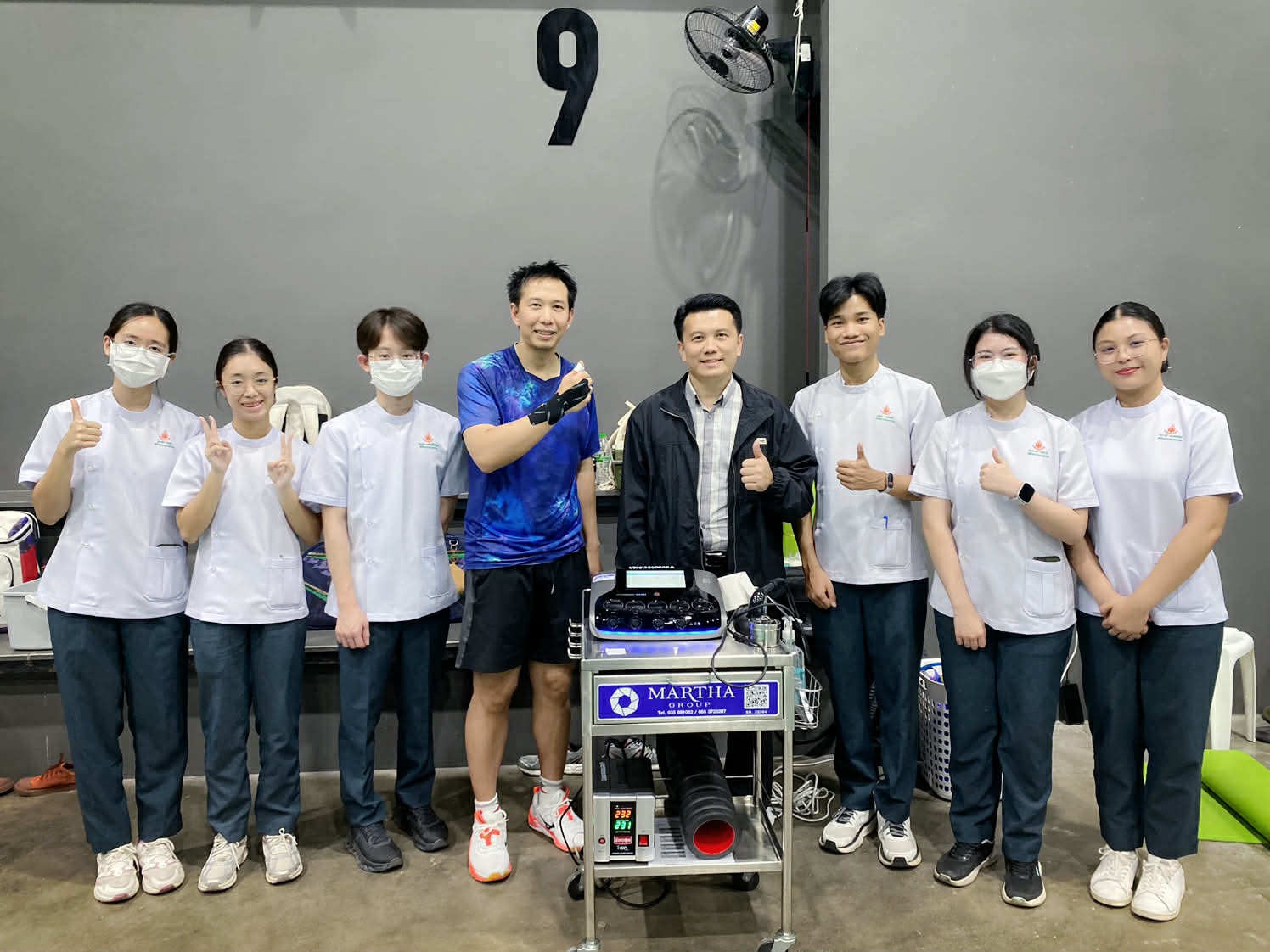
Meanwhile, the Physical Therapy Program of the Faculty of Associated Medical Sciences at KKU introduced a unique on-site physical therapy service for athletes. Labelled as the ‘Sport PT Mobile Clinic’, this initiative aims at catering to training and competition-related injuries experienced by athletes.
This initial launch of the Mobile Clinic, which included over 70 undergraduate and graduate students along with licensed physical therapists, served over 100 professional and amateur athletes at KKU Sport Complex and PS Badminton Court Khon Kaen Province.
Mr. Anurak Tatha, Head Coach of Northeast Academy Club, was present to contribute expertise towards the workshop on assessing athletes’ body structure and performance leveraging the principles of sports science. The workshop also imparted the importance of planning training schedules integrated with physical therapy treatments.
Assistant Professor Dr. Kurusart Konhan reported that the most common injuries treated by the program involved the knees, hips, legs, shoulders, hands, back, and ankles. Athletes undergoing this program received multifaceted care that included electrical muscle stimulation for pain relief, heat and cold therapy combined with ultrasound, elastic and sports taping to facilitate muscle activation or restrict harmful movement, strength and balance training, and education on injury prevention and athlete self-care.
The Sport PT Mobile Clinic launch represented an important clinical experience site for sports physical therapy students. It spearheaded future academic and professional collaboration, underlining the potential of physical therapy in sports medicine.
In summary, JAG Physical Therapy’s new location and KKU’s Sport PT Mobile Clinic exhibit the advancements and diversification of services in the physical therapy sector. With personalized therapy plans, innovative treatment modalities, and an emphasis on community involvement, these practices enhance patient recovery and aid in fostering an improved quality of life.
As physical therapy continues to adapt around the needs of people, the advancements exemplified by these two activities illuminate complexities, efficacy, and expansion of treatments and services. Ultimately, they reinforce that physical therapy remains an integral and strategic aspect in healing and rehabilitation.
Featuring innovations like digital medicine and virtual physical therapy, health services are revolutionizing care delivery for patients, particularly those in remote communities. With joint disorders and low back pain being among the leading reasons for doctor visits in the United States, physical therapy is considered a prevalent treatment option. However, access to physical therapy services is a significant issue due to factors such as patient location, insurance coverage, and supply-demand imbalance, suggesting a need for alternative approaches to accessible and affordable care delivery.
Telehealth is recognized as a potential solution in this scenario, offering a range of digital solutions including interactive systems, video-chat rehabilitation programs, and app-based services. Such capabilities can particularly benefit rural communities facing physical therapy shortages, as observed by Carmen Cooper-Oguz, a physical therapist and a board member of the American Physical Therapy Association.
Lara Heimann, another physical therapist, has integrated Skype sessions into her practice as an effective and efficient alternative service delivery medium. According to Heimann, a one-hour remote session can have a significantly bigger impact on a patient’s health by limiting the visit frequencies and thereby reducing out-of-pocket costs for patients.
Technological foray in physical therapy also presents sophisticated solutions like the Virtual Exercise Rehabilitation Assistant (VERA), an interactive home-based device assisting users with rehabilitation exercises. In a comparison study conducted by Janet Prvu Bettger, an associate professor of orthopedic surgery at Duke University, patients using VERA cashed out an average saving of $2,745 per person in comparison to conventional therapy. Moreover, they showed equal potential in reaching recovery benchmarks and exhibited fewer rehospitalizations.
For postoperative care, particularly following surgeries that limit mobility, an affordable home-based solution like VERA can greatly improve the quality of care. According to Mary O’Connor, director of the Center for Musculoskeletal Care at Yale School of Medicine and Yale New Haven Health, digital solutions foster patient engagement and ensure more consistent adherence to exercise regimes.
However, the role of digital solutions needs to have flexibility in their application, with varying degrees of patient adherence and response. Physical therapists see the potential of technology as an extending medium to traditional practices rather than a complete substitute, emphasizing the need to understand individual patient needs and adapt telehealthcare solutions in response.
Digital solutions also find relevance in addressing chronic conditions like back pain. A clinical trial led by Thomas Tölle, leader of an interdisciplinary pain-research group at the Technical University of Munich, has been investigating the efficacy of a back-pain recovery app called Kaia. His findings confirm the app’s effectiveness in reducing pain intensity, with patients reporting less pain after a 12-week follow-up than the control group receiving traditional therapy.
Despite the remarkable potential of telehealth, Tölle advises that initial diagnosis and evaluation should still involve an in-person consultation to ensure patients’ suitability for remote therapy. However, he believes that chronic pain conditions have a promising future with digital medicine, possibly decreasing the annual chronic pain management cost (which currently exceeds $560 billion in the U.S.) by preventing acute pain from becoming chronic.
In summary, while telehealthcare is no panacea, it holds substantial potential in improving accessibility, affordability, and quality of care. Online physical therapy methods, such as virtual consultations, interactive rehabilitation systems, and app-based treatment programs, could serve as the future of remote healthcare, transforming care delivery through increased patient engagement, reduced cost, and flexibility in treatment plans. As ongoing research continues to validate the impact and efficacy of these digital solutions, what remains crucial is to align these innovations with individual patient needs, emphasizing a person-centered approach to telehealthcare integration in physiotherapy.
Sources:
 State of Direct Access to Physical Therapist Services: A Report from the American Physical Therapy Association
 Physical Therapy Rehabilitation Solutions Market Set for Strong Growth at 7.6% CAGR Through 2033
 Physical Therapy Services Now Available at Sanford West Fargo
 New physical therapy practice opens in Cranford
 KKU Physical Therapy Elevates Sports Services, Launches Sport PT Mobile Clinic
 Virtual Physical Therapy Could Help Fill Gaps in Treating All Too Real Pain

