
the full report and state summaries from the APTA website today.
3. How Physical Therapy Can Help After a Workplace Injury
Workplace injuries are a common issue that can range from minor mishaps to severe accidents that could potentially lead to disability. In such cases, Physical Therapy, often abbreviated as PT, can play a significant role in the recovery after a workplace injury.
PT not only helps with recovery post-injury but also assists in preventing the recurrence of an injury. It is also targeted at reducing the pain associated with the injury, restoring mobility and improving overall functional abilities to return to work.
Physical therapists evaluate the injury and create a customized treatment plan. Therapies can include various methods like massage, joint mobilization, manual therapy, electrotherapy, and some strengthening and flexibility exercises to deal with the specific injury and pain.
4. Physical Therapy for Breast Cancer Patients
Breast cancer treatments such as surgeries, chemotherapies, and radiation can cause side effects like fatigue, pain, lymphedema (swelling of the arms or legs), difficulty in movement, or other physical discomfort. In such cases, a Physical Therapist can help alleviate the symptoms.
Physical therapists are skilled at providing a tailored therapy plan not only to deal with the immediate side effects of treatment but also help prevent long-term physical problems through exercises, soft tissue mobilization, and lymphatic draining techniques after breast cancer surgery.
5. Physical Therapy Services During a Pandemic
The COVID-19 pandemic has affected every aspect of society, and Physical Therapy services are no exception. However, as the demand for care continues, providers are implementing innovative ways to ensure patients still have access to these important services.
One significant shift has been the implementation and broader acceptance of Telehealth – offering remote PT services over the internet. Telehealth can, in no way, replace in-person care but offers a feasible option for regular follow-up sessions or maintenance therapy, especially during a pandemic when people are required to stay home.
Furthermore, Physical Therapy providers have implemented stringent safety protocols during in-person sessions, maintaining social distancing, ensuring rigorous cleaning, and sanitation practices, and requiring masks to be worn at all times.
In conclusion, Physical Therapy services are playing an essential role in helping injured service members return to duty, providing relief after workplace injuries, assisting in recovery and dealing with the side-effects in cancer patients, and ensuring continued care in a pandemic-affected world. The high level of customization, direct patient access, and targeted therapies are seeing a greater acceptance and demand for these services. As we move further into the 21st century, improved access, and new modes of delivering care, like Telehealth, will continue to shape the physical therapy landscape.
Dr. Sean Wells has dedicated over ten years of his life to providing mobile, at-home physical therapy services for elderly and disabled patients in Northern Florida. Despite his valuable contribution, he is legally forbidden from treating some of his most vulnerable patients due to their Medicare coverage. This conflict forms the core of a federal lawsuit that Wells and the United Physical Therapy Association (UPTA) are undertaking, challenging Medicare’s arbitrary exclusion in private-pay rules.
Wells set up his practice in 2011 as a cash-based physical therapy business, bypassing the complications of private insurance and Medicare. This direct-to-patient model allows for more flexibility in terms of treatment types and benefits for patients desiring more control over their care expenditures. However, Wells encounters a roadblock with Medicare enrollees, who are excluded from receiving privately paid physical therapy, despite these services being available from many other licensed health service providers.
This exclusion is not founded on any concerns regarding safety or qualifications; rather, it seems to be a bureaucratic technicality. The consequences include potentially devastating fines and professional bans for therapists treating Medicare patients out-of-pocket. This regulation threatens patients’ access to essential care, especially when it is most urgently needed, such as following a stroke.
Medicare’s stringent rules result in physical therapists either fitting into its restrictive system or exiting the field entirely. Consequently, many patients are left in a lurch, losing access to their trusted providers as they age into Medicare coverage. The situation is notably dire in the rural regions where alternatives are limited or non-existent.
Attempting to address this irrational and damaging policy, Dr. Scott Gardner founded UPTA in 2024. The organization’s goal is to cultivate a healthier environment for physical therapy providers and their patients, including expanding access to cash-based services for Medicare beneficiaries.
Presently, Wells and UPTA, backed by pro-bono representation from the Pacific Legal Foundation, are challenging Medicare’s discriminatory embargo on private-pay physical therapy in a federal lawsuit.
Shifting focus to Utah, Utah State University (USU) has introduced physical therapy services at the Sorenson Legacy Foundation Center for Clinical Excellence. This facility, located on the Logan campus, operates in the Emma Eccles Jones College of Education and Human Services. Northern Utah residents requiring physical therapy are encouraged to avail themselves of these new services.
The services offered include manual therapy, therapeutic exercise, and aquatic therapy, integrated with the McKenzie method of mechanical diagnosis and treatment and muscle energy techniques. One notable highlight of the clinic is its specialized Hydroworx pool, previously used only for research, which now provides aquatic physical therapy.
The pool offers unique benefits, such as allowing patients with balance issues to exercise without fear of falling and injury. Furthermore, the water’s buoyancy can reduce weight loading on the body, promoting easier movement and faster recovery. The pool also features resistance training jets and a variable-speed underwater treadmill.
With thirty years of experience, the appointed physical therapist, Megan Bressel, feels that the pool facilitates enhanced rehab methodologies using buoyancy, hydrostatic pressure, and drag forces. An eligible patient may schedule physical therapy appointments at the Sorenson Center by visiting their webpage. The center accepts most insurances for physical therapy services and offers other services on a modest sliding scale fee or gaming insurance, depending on the service line.
Both these narratives reflect the dynamic landscape of physical therapy services in America, shining a light on the challenges faced by healthcare providers and their determination to expand access to quality care. The stories underline the importance of evolution and resilience within the healthcare industry, particularly in a field as essential as physical therapy.
Shaping the Landscape of Physical Therapy: Exemplary Services and Treatments
Providing quality and comprehensive physical therapy services is critically important in addressing various mobility disorders and helping individuals return to normal life. In recent news, two health facilities, Sanford Health West Fargo and JAG Physical Therapy, have taken notable steps in offering physical therapy services, making significant contributions to their respective communities.
Sanford Health West Fargo recently expanded its services to include physical therapy, now available to its patients. Physical therapy, an integral part of rehabilitation, aims to support patients’ journey towards normal routines and prevent future injuries. Through one-on-one sessions, a skilled physical therapist at Sanford assists patients to heal at their own pace, evaluate, treat, and prevent mobility disorders, and guide them to safely regain mobility.
David Tompkins, Sanford Health’s lead physical therapist, recognizes the role of physical therapy in patient recovery. By opening the new location, he believes they are extending their services and providing care closer to home.
Sanford’s physical therapists specialize in various services and treatments. These include managing dizziness and imbalance, dry needling, LSVT BIG treatment for Parkinson’s, lymphedema therapy, orthopedic care, pain management, postoperative services, stroke rehabilitation, and women’s health care. Sanford West Fargo offers physical therapy from Monday to Friday, between 7 a.m. to 5 p.m.
Meanwhile, the city of Cranford has gained a new health facility, JAG Physical Therapy. Operating in more than 165 locations, JAG Physical Therapy recently opened its eighth location in Union County. The company specializes in addressing general orthopedic, sports, and soft tissue injuries, offering a personalized treatment plan for every patient. Their influence is quite significant, being the official physical therapy provider for sports teams such as the New Jersey Devils, Columbia University Athletics, and Princeton University Athletics.
Cranford’s mayor, Terry Curan, welcomes JAG Physical Therapy, expressing appreciation for the valuable work physical therapists carry out in treating people and positively impacting their lives. He also noted the resonance of the company slogan, “get back the life you love,” with his experience as a trauma surgeon.
Among the services offered by JAG Physical Therapy in Cranford include comprehensive physical therapy treatment, concussion rehabilitation, sports medicine, and an at-home program. Conveniently, patients can begin treatment without a doctor’s referral and can work with a therapist for up to 30 days before needing a referral to continue services.
Matt Cirelli, the executive director of JAG PT Clinical Services, recognizes the specialness of Cranford as a community. He notes that while JAG is perceived as a large business, each office caters to the community, retaining a small business’s essence.
Sanford Health West Fargo and JAG Physical Therapy’s recent announcements highlight the varied options for patient care in physical therapy, from specialty treatments to general orthopedic care. These services play a significant role in enhancing patients’ well-being and overall quality of life. They also underscore the value of local small businesses and community-focused services in delivering personalized and accessible healthcare.
As the landscape of physical therapy continues to evolve, healthcare providers must continue to strive to offer versatile, high-quality, and convenient services that meet the unique needs of their local communities. The dedication and commitment of these organizations to their local communities serve as a model for others to follow.
Article:
The Rising Demand for Global Physical Therapy Services and Treatments
During the lockdown periods caused by the COVID pandemic, a significant proportion of the global population found themselves confined to their homes. This steered an increase in remote work, subsequently increasing the number of people suffering from musculoskeletal issues such as neck, back, and shoulder pain. It’s estimated by the World Health Organization that 1.71 billion people worldwide suffer from such ailments.
Fortunately, the online physiotherapy space has been gearing up to address these concerns. Companies like Vyana Care have levelled up their services to provide digital physiotherapy services to patients globally, bridging the healthcare gap caused by geographical distance.
Online Physiotherapy – A Respite for Chronic Pain Sufferers
Patients worldwide, irrespective of urban or rural locales, are witnessing a rising need for straightforward access to physiotherapy. The predicament is especially true for those dealing with chronic pain using self-medication or struggling with the absence of trained physiotherapists. Transitioning physiotherapy online seems to be a promising solution to this problem.
Online physiotherapy goes beyond merely watching workout videos on the net. It is a clinically led service that simulates the procedures of an in-person clinic. Patients can book an online appointment, get a thorough examination through secure video consultations, and receive a customised rehabilitation programme, all without stepping foot outside their home.
Physiotherapy Treatments Now Available Virtually
Thanks to technological advancements, a wide array of physiotherapy treatments can now be delivered via virtual consultations efficiently. These include rehabilitation for chronic neck and back issues, shoulder problems, knee pain, mobility issues, postural corrections for office workers, neurological rehabilitation, and sports injury rehabilitation.
Vyana Care is at the forefront of these changes, offering certified physiotherapists who conduct comprehensive assessments, create personalised programmes, and stay engaged throughout the recovery process, helping each patient get the best from physiotherapy services.
Technology that Powers Remote Rehabilitation
Modern online physiotherapy operates on technology that makes remote assessment more accurate and treatment more uniform. AI-assisted motion analysis, digital tracking tools, and structured recovery paths enhance the ability of the therapist to provide high-quality, consistent treatment to more patients. Vyana Care has effectively leveraged these tools to extend their services globally, ensuring the same quality of treatment for all their patients, irrespective of their location.
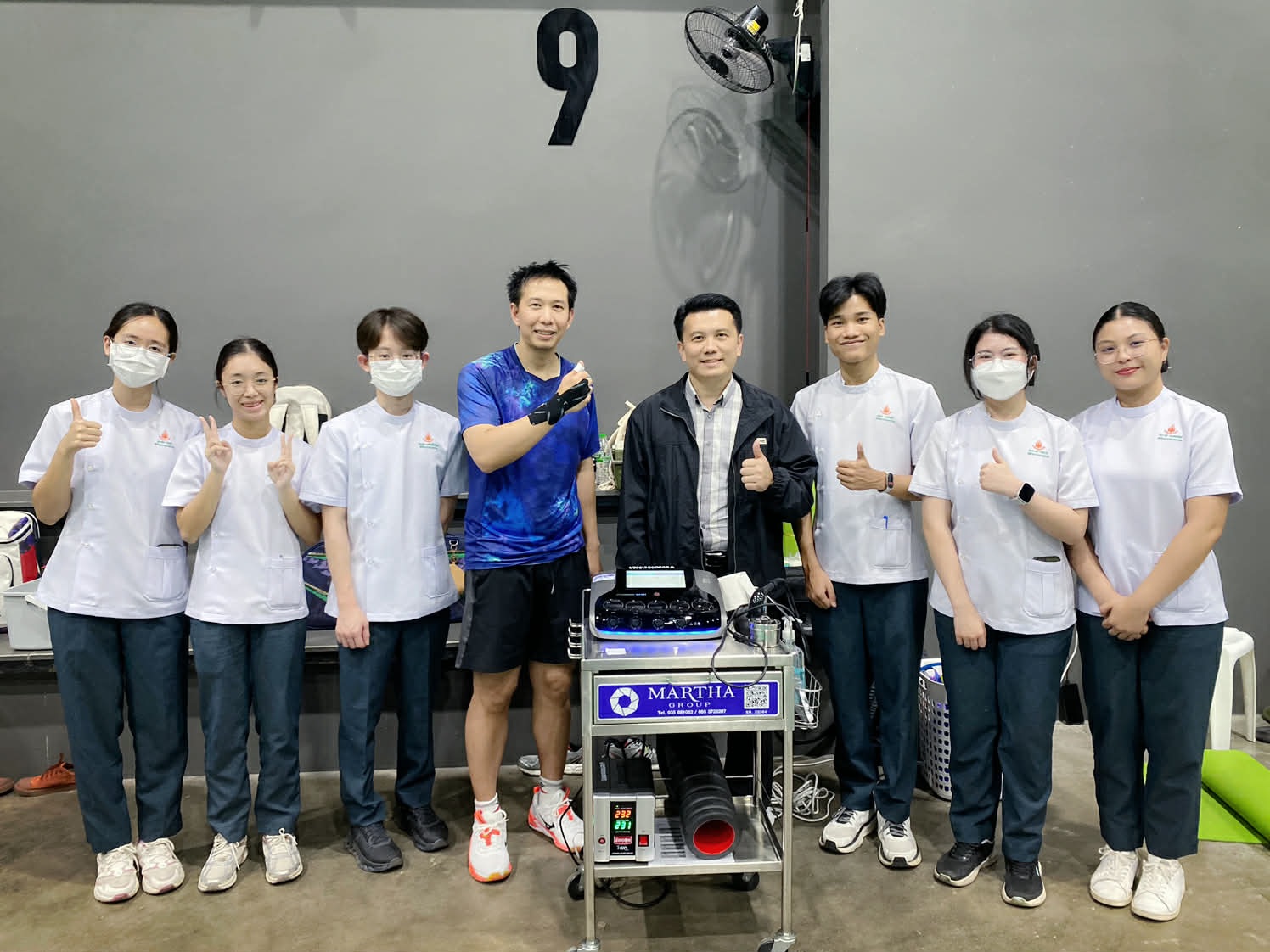
Another laudable initiative in the virtual physical therapy space is the Sport PT Mobile Clinic, launched by Khon Kaen University’s Physical Therapy Program. The project aims at providing on-site physical therapy services for athletes facing training and competition-related injuries. Over 100 professional and amateur athletes have already benefited from the scheme, highlighting the increasing scope of physical therapy on a global platform.
Conditions that Respond Best to Online Physiotherapy
While online physiotherapy has a broad scope, certain conditions respond particularly well to virtual-first treatment. Chronic lower back pain, postural dysfunction, and neck pain common amongst remote workers and students, post-surgical knee rehabilitation, recovery from rotator cuff injuries and frozen shoulders, and neurological conditions like Parkinson’s disease recovery and stroke treatment are highly responsive to remote therapies.
Final Thoughts
The rising acceptance of online physiotherapy indicates a paradigm shift in global healthcare. Digital platforms are now promising each patient the same high-quality assessment, personalisation, and care, irrespective of their financial status or location. As we witness a surge in the number of people grappling with musculoskeletal issues, the emergence of such online health tech platforms would indeed bring a much-needed relief.
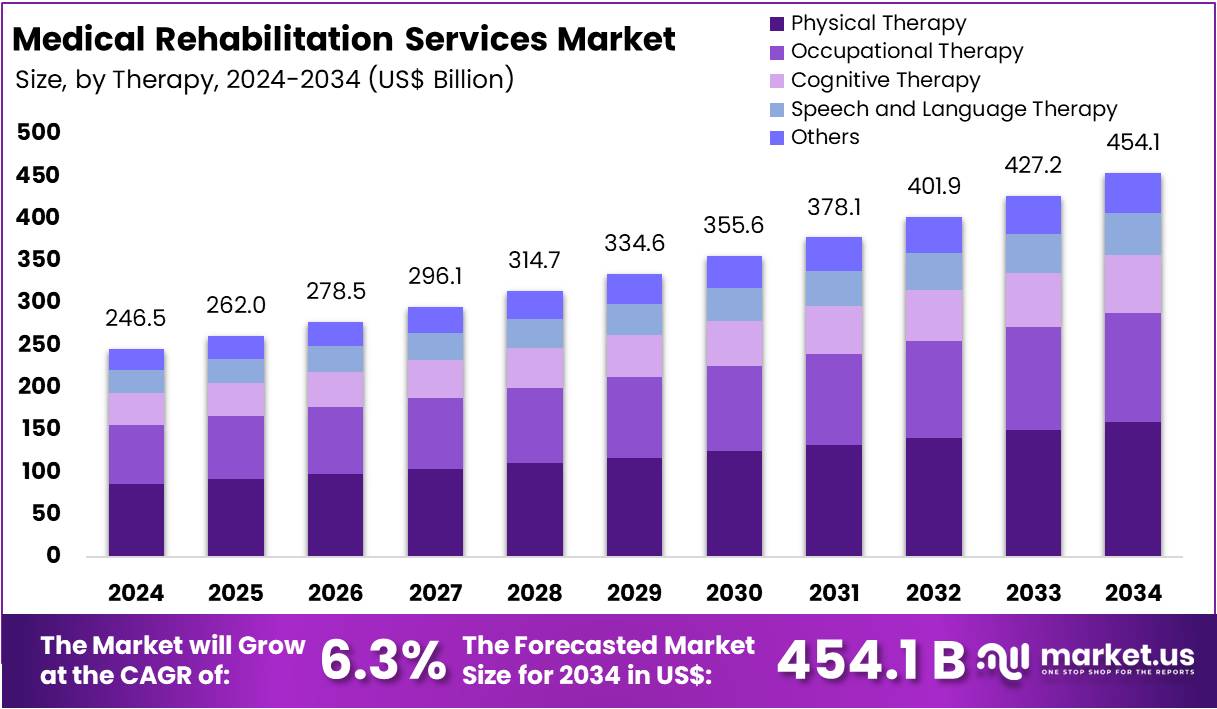
The Global Medical Rehabilitation Services Market is projected to reach approximately US$ 454.1 Billion by 2034, expanding at a 6.3% Compound Annual Growth Rate (CAGR) from 2025 to 2034. Factors contributing to this robust growth include demographic shifts towards an aging global population, rising prevalence of chronic diseases like diabetes and heart disease, and global policy initiatives designed to integrate rehabilitation into all levels of healthcare.
The World Health Organization (WHO) estimates that 2.41 billion individuals worldwide required rehabilitation in 2019. The medical rehabilitation services sector is crucial to modern healthcare systems due to the high prevalence of noncommunicable diseases (NCDs) and injuries requiring long-term rehabilitation.
However, access to rehabilitation services remains a challenge, particularly in low- and middle-income countries due to shortages of trained professionals, inadequate infrastructure, and limited funding. WHO data shows that in some areas, there are fewer than 10 skilled rehabilitation practitioners per 1 million people. One solution to this problem is advancements in tele-rehabilitation, making it possible to deliver therapy remotely to underserved regions.
Another significant factor impacting the sector is the imposition of U.S. tariffs on medical supplies, resulting in increased equipment costs and supply chain disruptions. These obstacles are affecting patient access to rehabilitation services, leading to a shift toward domestic manufacturing of medical supplies.
In terms of therapy analysis, physical therapy held a leading market position in 2024, with more than 36.2% share due to high demand for musculoskeletal rehabilitation and post-surgical recovery programs. In setting analysis, outpatient rehabilitation services dominated in capturing over 57.9% of the market due to rising preference for flexible treatment schedules and cost-effective care options.
Throughout the various segments of rehabilitation services, technology integrations such as artificial intelligence (AI), robotics, and wearable tech are emerging as transformative trends. Advancements in AI and robotics are optimizing rehabilitation therapy outcomes through data-driven analysis and precise, repetitive exercises. Meanwhile, digital health and tele-rehabilitation platforms are expanding access to underserved areas, improving patient outcomes, and reducing hospital readmissions.
Regionally, North America captures the dominant market position, holding more than 45.9% of the global market in 2024. Factors contributing to North America’s strong position include well-developed healthcare infrastructure, a growing population of chronic disease patients, and increased public awareness about early rehabilitation intervention.
Key players in the medical rehabilitation industry include Shirley Ryan AbilityLab, Prism Medical, Icahn School of Medicine at Mount Sinai, Paradigm Healthcare, and the University of Chicago Medical Center among others.
Sources:
 State of Direct Access to Physical Therapist Services: A Report from the American Physical Therapy Association
 Physical Therapy Services Now Available at Sanford West Fargo
 New physical therapy practice opens in Cranford
- Vyana Expands Online Physiotherapy Services for Global Patients
 KKU Physical Therapy Elevates Sports Services, Launches Sport PT Mobile Clinic
 Medical Rehabilitation Services Market Size | CAGR Of 6.3%

