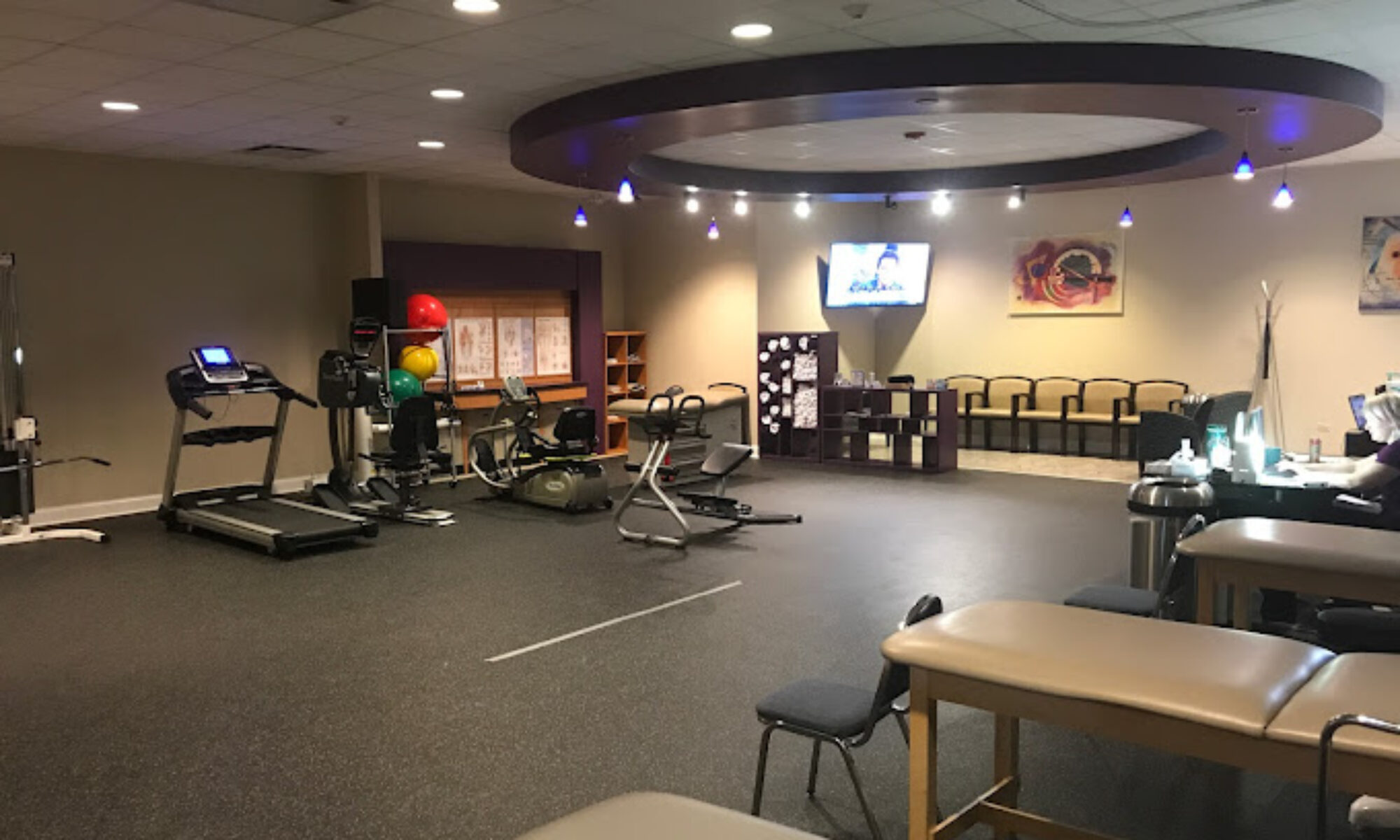

The recent announcement of esteemed educational institution Utah State University (USU) to introduce a physical therapy services clinic, as part of the Sorenson Legacy Foundation Center for Clinical Excellence, offers northern Utah residents access to state-of-the-art physical therapy services. Gretchen Peacock, director of the Sorenson Center expressed enthusiasm over the newest addition to their center, particularly highlighting the benefits of the Hydroworx pool for aquatic therapy. This unique feature allows patients with recent fractures who struggle with maintaining balance to be safely lowered into the water, thereby lessening potential hazards.
The headlining physical therapist for the center, Megan Bressel, shared that apart from aquatic therapy, patients can expect comprehensive services such as manual therapy, therapeutic exercise, and patient education sessions. Based on her 30 years of experience in the field, Bressel affirmed that the pool facility provides several modalities for healing, such as buoyancy, hydrostatic pressure, and drag forces. Therapists can use these techniques to ameliorate, accelerate, or enhance the patient’s recovery process.
Meanwhile, in Northern Florida, Dr. Sean Wells is fighting a federal lawsuit to challenge Medicare’s arbitrary exclusion of private-pay physical therapy, a policy that prevents him from providing care to many seniors and disabled patients who are unable to travel to a clinic. Though he founded his business in 2011 as one of Florida’s first cash-based physical therapy services, Dr. Wells is legally barred from treating patients on Medicare.
This restriction, despite the progressive trend towards an out-of-pocket healthcare model, stems from a bureaucratic technicality – physical therapists are not classified as “physicians” or “practitioners”, contributing to a narrow-minded view of their capabilities and potential.
While the Medicare Act allows most licensed providers to opt out of Medicare and make private contracts with Medicare beneficiaries, physical therapists are notably excluded from this list. Even more problematic, the law even allows physical therapists to treat beneficiaries for services not medically necessary. However, if the patient’s condition changes and requires clinical rehab, the physical therapist must immediately halt treatment.
This glaring loophole forces Dr. Wells and other physical therapists to sometimes part ways with long-running patients as they transition into Medicare upon reaching 65. As physical therapists, they face heavy sanctions like fines and potential ejection from their profession for attempting to navigate the paradoxical existing legal frameworks. The United Physical Therapy Association (UPTA), created by Dr. Scott Gardner in response to the barriers imposed by Medicare, is advocating on behalf of physical therapists across the nation to rectify this situation.
Leveraging pro-bono representation from the Pacific Legal Foundation, Dr. Wells and UPTA are pushing back against this ban. They argue that the Medicare Act unfairly discriminates against physical therapists and patients by limiting their ability to choose a suitable healthcare provider who can deliver the best medical treatment for their needs. Moreover, it constraints the physical therapists’ right to serve patients and earn a living free from undue interference from the government.
Two different sides of America are now witnessing significant developments in physical therapy, each with distinct narratives – one of expansion in Utah and another of intense legal debate in Florida. Both scenarios underline the imperative need to recognize the rights, skills, and contributions of medical professionals in the physical therapy field. It is high time traditional attitudes to change to create more inclusivity and accessibility in the healthcare sector.
Physical therapy services are growing increasingly popular as key facilities in healthcare extend their services. One such establishment is Sanford Health West Fargo, which recently started offering physical therapy services, enabling a closer reach to patients and the community at large. The offerings encompass a range of therapies and treatments, such as care for dizziness and imbalance, dry needling, LSVT BIG treatment for Parkinson’s, lymphedema therapy, orthopedic care, pain management, postoperative services, stroke rehabilitation, and women’s health care. As the Sanford Health lead physical therapist, David Tompkins, stated, the new facility serves to cope with the significant role physical therapy plays in a patient’s recovery.
Dry needling services, in particular, received a boost recently following the successful completion of a Functional Dry Needling Level 2 certification course by Alomere Health in conjunction with Evidence In Motion. Five professionals, including physical therapists from Alomere Health, Tyler Bentrup, Courtney Suppa, Scott Syverson and Lindsay Weller, plus Drew Paradis from Heartland Orthopedic Specialists, successfully completed the Level 2 certification course. As the Mayo Clinic explains, dry needling involves the insertion of one or more thin, monofilament needles into a muscle trigger point, which can often be due to injury, overuse, or poor movement patterns.
Scott Syverson expressed that the course provided an extensive, practical training with a crucial emphasis on safety and effective treatment of common problem areas from head to toe. Lindsay Weller added to these sentiments, emphasizing her ability to treat more complex muscles and areas of the body, such as the entire spine, deep muscles in the hip, foot and more.
Notably, achieving Level 2 certification demands a significant commitment to professional development. The rigorous requirements include completion of the Level 1 course, documentation of at least 100 dry needling sessions, considerable Level 2 pre-coursework, and demonstrating advanced competency during intensive in-person training.
Dry needling is one of several tools available to physical therapists. It can increase blood flow, assist in the relaxation of tight muscles, and improve the communication between nerves and muscles. This combination of improvements can significantly bolster the body’s movement and feelings. Furthermore, the service is available from the Heartland Orthopedics Physical Therapy Clinic and the Alomere Pavilion, enhancing the accessibility to evidence-based treatment options for patients within the Alexandria area.
Physical therapy has been consistently progressing, with a variety of new services being introduced to aid in treating patients more efficiently and effectively. This article highlights two recent examples; the opening of a new JAG Physical Therapy practice in Cranford and Khon Kaen University’s innovative launch of the Sport PT Mobile Clinic in Thailand.
JAG Physical Therapy, a renowned physical and occupational therapy practice with more than 165 locations, opened its new facility in Cranford. This is the eighth location in Union County. Cranford Mayor Terry Curan welcomed JAG to the community, appreciating the work done by physical therapists to improve patients’ lives.
JAG specializes in general orthopedic, sports, and soft tissue injuries. A unique aspect of their approach is personalized treatment plans tailored to each patient’s individual needs. Moreover, it is the official provider of physical therapy for reputed sports teams like the New Jersey Devils, Columbia University Athletics, and Princeton University Athletics.
The Cranford facility offers a range of services, such as comprehensive physical therapy treatment, concussion rehabilitation, sports medicine, and an elite at-home program. One standout feature is that patients can directly contact JAG without a referral from a doctor and begin treatment. A referral is only required after 30 days of treatment to continue services.
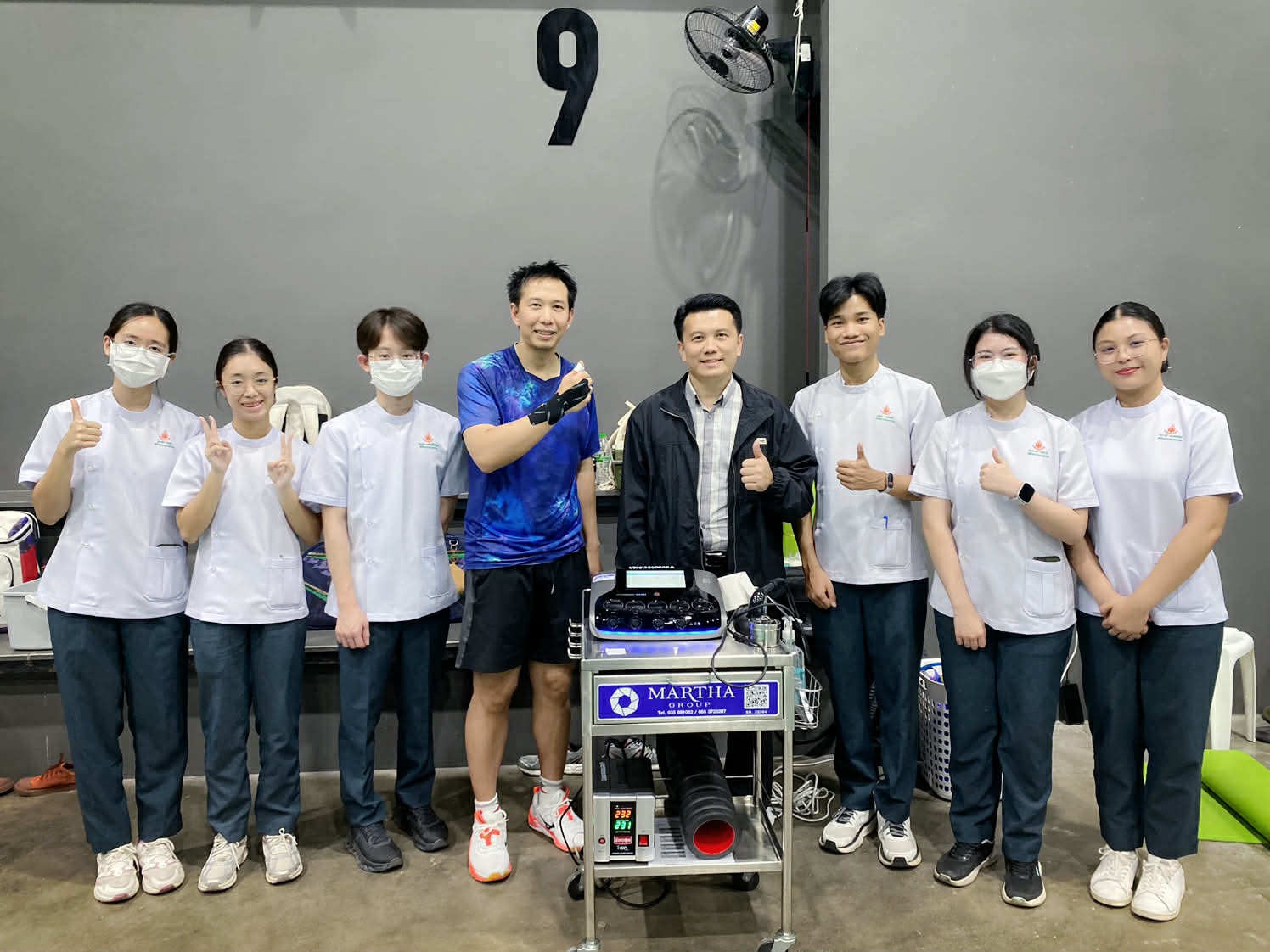
Meanwhile, the Physical Therapy Program at Khon Kaen University in Thailand has recently unveiled its Sport PT Mobile Clinic. The mobile clinic is an initiative to provide on-site physical therapy services to athletes who may suffer from training-related injuries and performance conditions.
This project included services provided at the KKU Sport Complex and PS Badminton Court, reaching over 100 professional and amateur athletes. The most common injuries treated involved body parts like the knees, hips, legs, shoulders, hands, back, and ankles. The treatments included a range of modalities such as electrical muscle stimulation, heat and cold therapy combined with ultrasound, elastic and sports taping, strength and balance training, and education on injury prevention and self-care.
Complementary to the treatments, the Sport PT Mobile Clinic facilitated a hands-on workshop for faculty members and students focusing on athletes’ body structure and performance evaluation using sports science principles. The workshop featured the guest speaker, Mr. Anurak Tatha, Head Coach of Northeast Academy Club.
The clinic provides a practical learning space for physical therapy students. It embraces a holistic approach, covering the entire scope of athlete healthcare from initial assessment, preventative measures, treatment, rehabilitation, and constant development of athlete performance.
In conclusion, physical therapy services are continuously expanding and evolving to improve patient treatment and care. The new JAG Physical Therapy facility in Cranford and Sport PT Mobile Clinic in Thailand are recent illustrations of this growing sector, aiming to offer innovative and specialized care that suits an individual’s specific needs, whether they are everyday post-traumatic people or dedicated athletes.
The physical therapy services in all 50 states, including the District of Columbia and the U.S. Virgin Islands, offers patients extensive access to treatments and therapies. Regardless of the access level, whether unrestricted or provisional, patients in these states can visit a physical therapist for evaluation and treatment without a referral. Understandably, provisions tied to treatment without a referral persist, particularly in several states. However, evidence is overwhelmingly in favor of unrestricted direct access due to its benefits to patients, providers, employers, payers, and the overall U.S. healthcare system. The American Physical Therapy Association (APTA) has designed a report to take on opposition facing direct access and drive meaningful changes.
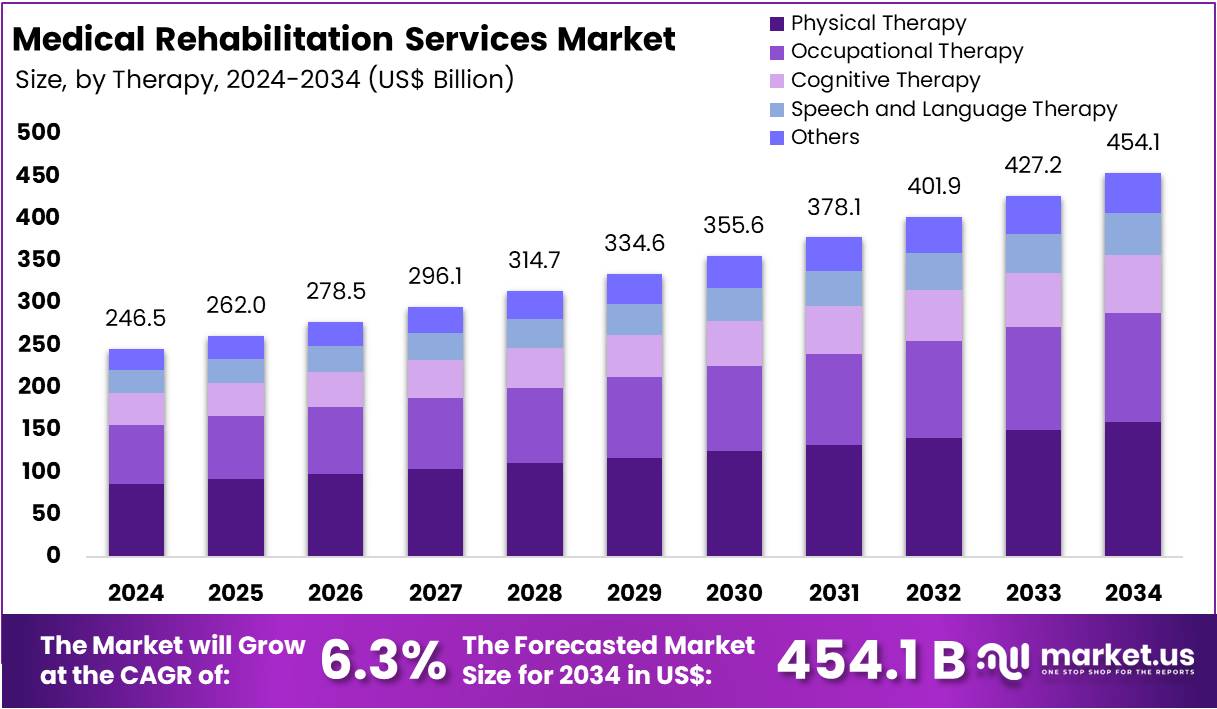
The Global Medical Rehabilitation Services Market Size is expected to increase to around US$ 454.1 Billion by 2034, up from US$ 246.5 Billion in 2024. The sector’s growth, driven by demographic shifts and the prevalence of chronic diseases, is robust. It is projected to grow steadily at a 6.3% compound annual growth rate (CAGR) from 2025 to 2034. North America holds the dominant position in the market, contributing over 45.9% to the total market share and reaching a value of US$ 113.14 Billion.
The medical rehabilitation services sector is becoming increasingly important and is projected to expand further, encouraged by demographic trends worldwide and heightened recognition of rehabilitation’s value within the healthcare system. However, access remains a challenge, especially in low- and middle-income countries due to a shortage of trained professionals, limited funding, infrastructure problems, with less than ten skilled rehabilitation practitioners for every one million people in some areas.
The Medical Rehabilitation Services Market is divided into several segments, including Therapy, Setting, Application, and End-use. Physical Therapy led the Therapy Segment in 2024, accounting for over 36.2% of the overall market share. Outpatient section dominated the Setting Segment, capturing over 57.9% market share, and the Orthopedic Section lead in the Application Segment contributing to over 30.5% of the market. In addition, the Hospitals and Clinics segment held a leading position within the End-Use Segment accounting for over 45.2% of the total market share.
The trends driving the market’s growth include the growing prevalence of chronic diseases, the integration of artificial intelligence, robotics, and wearable technology into rehabilitation therapies as transformative solutions in the market. Countries worldwide also contribute to rehabilitation’s rapid expansion, with North America leading the way, capturing more than 45.9% of the market share and boasting an enviable market value of US$ 113.14 Billion in 2024.
Key market players such as Shirley Ryan AbilityLab, Prism Medical, and the Icahn School of Medicine at Mount Sinai are actively enhancing their capabilities to accommodate the growing need for extensive and personalized recovery solutions for patients. The market is set to experience sustained future growth, driven by the continuous innovation and expanding service accessibility through increased investments in technologies and initiatives to reshape rehabilitation services. Ultimately, the collective efforts from established and emerging players are leading to a dynamic and evolving rehabilitation services market.
Sources:
 Dr. Sean Wells, et al. v. Kennedy, et al.
 Physical Therapy Services Now Available at Sanford West Fargo
 Local physical therapists can now offer ‘best of the best’ dry needling services
 New physical therapy practice opens in Cranford
 KKU Physical Therapy Elevates Sports Services, Launches Sport PT Mobile Clinic
 State of Direct Access to Physical Therapist Services: A Report from the American Physical Therapy Association
 Medical Rehabilitation Services Market Size | CAGR Of 6.3%

