
Title: The Evolution and Expanding Scope of Physical Therapy Services and Treatments
Physical therapy has significantly evolved, broadening its horizons to cater to a myriad of health issues. From helping cancer patients regain their strength to supporting the recovery of amputees, physical therapy now delivers incredible benefits to patients of all ages.
1. Physical Therapy in Cancer Treatment:
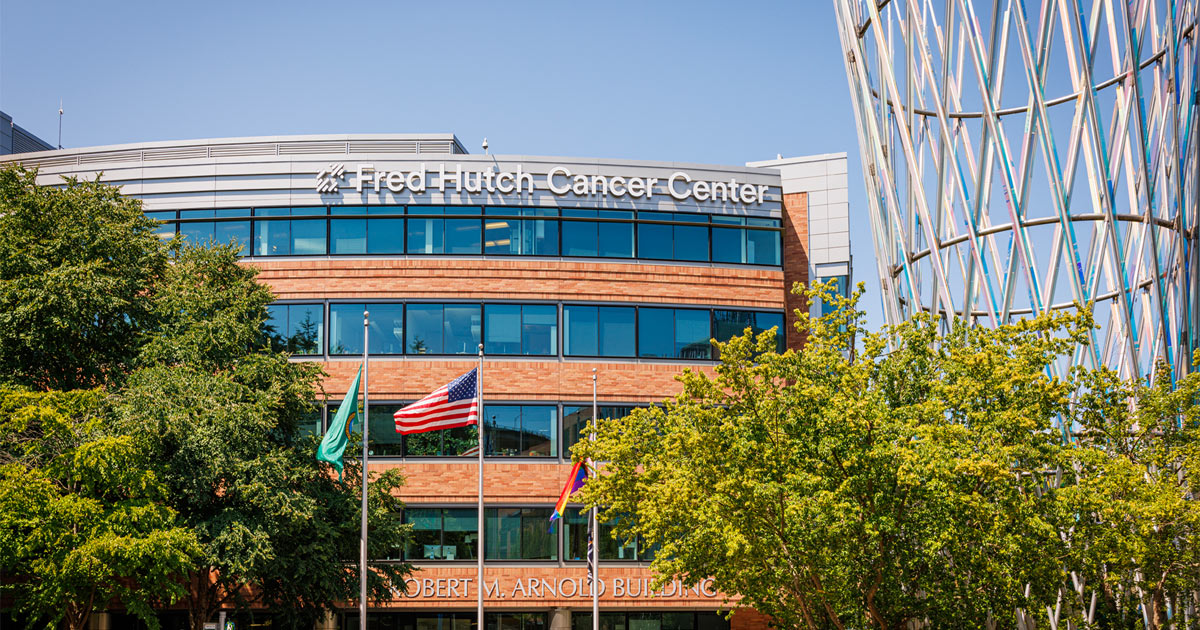
Fred Hutch offers physical therapy services for cancer patients to enhance their strength, function, and independence both during and after cancer treatment. Physical Therapists address concerns related to weakness, balance, scar tissues, lymphedema, and range of motion, assisting patients with the appropriate rehabilitation equipment.
To access the services, patients need to be referred by a Fred Hutch physician, nurse practitioner or physician assistant. Specifically, patients with secondary lymphedema can avail these services at the Fred Hutch clinic, assisted by physical therapists specializing in oncology.
2. Physical Therapy & Rehabilitation at UT Health East Texas Rehabilitation Center:
Physical Therapy services at UT Health East Texas Rehabilitation Center offer both inpatient and outpatient rehabilitation programs, helping patients recover mobility and functionality after severe illnesses, injuries or surgeries.
At the state-of-the-art 49-bed rehabilitation center, patients receive advanced therapy techniques and hospitalization services within a patient-focused environment. The center provides a range of inpatient services, including hemodialysis treatment, occupational therapy, physical therapy, and more. They also offer outpatient rehabilitation services like aquatics therapy, cardiopulmonary rehabilitation, and an exclusive Parkinson’s disease program.
Some highly specialized inpatient rehabilitation services offered include access to trauma care, diagnostic and laboratory services, hemodialysis services, limb loss rehabilitation, physical therapy, psychology services, and more. Similarly, outpatient rehabilitation services offered are aquatics therapy, cardiopulmonary rehabilitation, dry needling, lymphedema management, occupational therapy, orthotic therapy, Parkinson’s treatment program, physical therapy, and splinting, among others.
The inpatient rehabilitation unit is situated on the third and fourth floors, featuring transitional living apartments, therapy gyms, dining rooms and state-of-the-art equipment for neurological and orthopedic patients. The rehabilitation center also offers a convenient parking garage for patient’s convenience.
The outpatient services offered consist of several treatments. One such treatment, dry needling involves thin needles inserted into specific muscle’s trigger points, effectively reducing chronic pain, muscle tightness and sports injuries. Another therapy includes limb loss rehabilitation that focuses on restoring the function, mobility and independence of amputees by offering personalized therapy plans, prosthetic training, pain management, and psychological support.
For patients with Parkinson’s, the program enhances functional mobility, minimizes secondary impairments, and provides safety education. Speech therapy helps patients overcome difficulties with communication and thinking organization, as well as swallowing problems. Splinting encompasses the fabrication and application of tailormade splints to support and immobilize joints and muscles in the healing process. Patients following total joint surgeries can benefit from total joint replacement therapy that improves motion, strength, ambulation, and function by pacing treatment according to individual healing phases.
No matter the health situation, UT Health East Texas Rehabilitation Center seems to have a diverse suite of treatment options to cater to the patient’s needs effectively.
In conclusion, Physical therapy has grown to become a vital part of patient recovery, regardless of the type of medical condition involved. The services and treatments are continually evolving to ensure the best possible patient care, thereby helping them regain their strength and mobility and most importantly, their independence.
Title: Physical Therapy Services and Treatments Amidst Pandemic Disruption: Facts and Insights from Recent Studies
Introduction
Physical therapy services constitute an integral part of the healthcare system, playing critical roles in rehabilitation and post-acute care in various health emergencies, including disease outbreaks such as the COVID-19 pandemic. As the world continues battling the pandemic, physical therapy services have experienced massive disruptions. Despite these challenges, recent studies have advanced our understanding of the importance of these services and the innovative mitigation strategies employed to various extents worldwide.
Physical Therapy Services in West Haven VA Medical Center and its Adjacencies
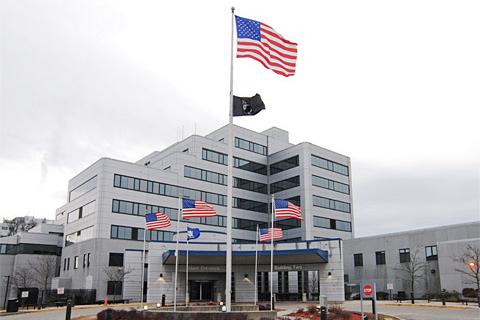
The VA Connecticut Healthcare system, including the West Haven VA Medical Center, has been instrumental in ensuring Veterans and other individuals receive timely physical therapy services. Through collaboration with vendors and the Disabled American Veterans (DAV), transportation for Veterans and authorized caregivers to medical appointments is ensured. Shuttle services facilitate movement between the Newington and West Haven campuses, while services like the Beneficiary Travel benefits cater to round-trip transportation from individuals’ homes to the medical center. Despite COVID-19 disruptions, these services have mitigated physical therapy service disturbances, ensuring those in need receive the necessary health care.
Global Response to Physiotherapy Service Disruption Amidst the COVID-19 Pandemic
Studies have revealed a general lack of integration of physiotherapy services into global health emergency preparedness planning, with only 36% of world Physiotherapy member organizations (MOs) having integrated physiotherapy services into one or more health emergency preparedness measures. The disruption caused by the pandemic saw a list of mitigation strategies to overcome service disruptions, which varied from region to region and weren’t significantly influenced by a country’s income level.
Most commonly, telerehabilitation was adopted by 57% of the MOs to replace or augment in-person services. This was followed by home-based care provision (42%), promotion of self-care interventions (41%), and redistribution of physiotherapist roles, such as task shifting (39%). This points to the level of flexibility and adaptability within the health sector, critical in addressing the ever-changing healthcare needs amidst a global health crisis.
The Need for Greater Preparedness
The pandemic has exposed the fragility of healthcare systems around the world, clearly showing that much is needed in the way of emergency preparedness. Among the measures necessary for health emergency preparedness are training key physiotherapy staff to manage an array of hazards, integrating physiotherapy into national and subnational health emergency preparedness plans, planning for a potential surge of physiotherapy needs during an emergency, and strategizing how essential physiotherapy services can be sustained when normal services are disrupted or diverted.
This need for better preparation extends to all countries, disregarding income level. For example, a mere 12% of participating MOs had a plan for sustaining essential physiotherapy services in the event of an emergency. This figure demonstrates the critical need for investment in contingency plans for physiotherapy and related services.
Promoting the Role of Physiotherapy
Given the essential role of rehabilitation in patients’ outcomes during health emergencies, it becomes vital to raise awareness about the benefits and necessity of physiotherapy among health practitioners, policy-makers, and the general public. World Physiotherapy MOs, alongside other international rehabilitation organizations, can become advocates for this, lobbying for the inclusion of these rehabilitation services in national and subnational planning procedures.
Final Thoughts
Physical therapy is instrumental in health emergencies, demonstrating the need for greater attention in preparedness planning and mitigation strategies. The COVID-19 pandemic has further emphasized this fact, exposing the shortcomings in the area and identifying potential strategies for improvement. Through enhanced training, resource allocation, and policy-making, it’s certainly possible for health systems around the world to integrate physiotherapy measures into their emergency response strategies more thoroughly.
Physical Therapy: Current Trends, Treatments and Controversies
The realm of physical therapy plays a critical role in helping patients regain their strength, mobility and independence. However, prevailing issues and innovative treatments in the sector have unveiled new avenues for health services. This article sheds light on the current state of physical therapy, including a controversy surrounding Medicare coverage and recent trends in pediatric physical therapy.
Dr. Sean Wells, founder of a cash-based physical therapy enterprise in Florida, exposes a significant gap in the Medicare Act which excludes physical therapists from providing treatment to Medicare beneficiaries. Wells, who has spent over a decade helping elderly and disabled patients in Northern Florida, has raised concerns over the restrictions imposed on patients needing physical therapy treatments.
Wells started his practice in 2011, adopting a growing trend where patients pay out of pocket, eliminating the common roadblocks of private insurance and Medicare. The cash-based model allows providers to customize treatments beyond the strict confines set by Medicare, granting patients more control over their specific healthcare needs.
However, a bureaucratic technicality in the Medicare Act prevents physical therapists from providing care to Medicare beneficiaries. While other licensed providers are allowed to opt out of Medicare and enter private contracts with beneficiaries, physical therapists are kept out of this permission list – not due to safety or qualification issues, but merely because they do not meet the Act’s definition of “physician” or “practitioner”.
This restriction can have serious implications for both the therapists and the patients. Therapists who dare to operate outside Medicare’s full reimbursement system risk significant fines and the potential to be barred from the profession. Meanwhile, patients are denied timely, customized care in the event of drastic health changes, such as a stroke.
Wells’ concerns were echoed by Dr. Scott Gardner, a Maryland physical therapist who founded the United Physical Therapy Association (UPTA) in 2024. UPTA advocates for policies that promote a better healthcare environment for both providers and patients, including the option for therapists to offer cash-based services to Medicare patients.
In their fight against this exclusion, Wells and UPTA, with legal support from Pacific Legal Foundation, are launching a federal lawsuit challenging the ban on such private pay strategies. Their goal is the removal of government interference in essential healthcare services, allowing patients the freedom and dignity to choose their providers, while therapists can practice without the threat of arbitrary consequences.
The other side of the physical therapy coin focuses on pediatric rehabilitation. The HSS Pediatric Rehabilitation & Young Athlete Center in New York City provides an exemplary model for multifaceted therapy services targeted at youngsters.
Their multidisciplinary team of physical therapists, occupational therapists, and speech therapists work in close collaboration to offer advanced neurodevelopmental, orthopedic, and sports rehabilitation options. Besides offering robust, personalized programs for young athletes, the Center emphasizes motor skills development, functional abilities, balance, and coordination for infants and toddlers.
The Center’s approach prioritizes a friendly, inclusive environment with private areas that cater to individual needs. It also provides access to assistive technology and sensory equipment, a crucial necessity for patients with language, communication, swallowing, and feeding disorders.
The key to the Center’s effectiveness lies in its personalized treatments, open communication with a wide network of specialists, and a child-centric therapeutic approach. The Center’s model stipulates that a prescription from a health professional is necessary for therapy services, ensuring the treatments are professionally verified and safely administered.
In conclusion, the physical therapy landscape continues to evolve, particular in terms of addressing the unique needs of different patient demographics. From legal battles aiming to reshape Medicare policies, to state-of-the-art pediatric rehabilitation centers offering a holistic and comprehensive range of services, it’s clear that the sector remains a critical part of the healthcare industry. However, as the industry moves forward, the continual examination and overhaul of prevailing protocols and policies will be essential in assuring that physical therapy responds to patients’ needs and contributes effectively to their overall wellbeing.
North America
Europe
Asia Pacific
Latin America
Middle East & Africa
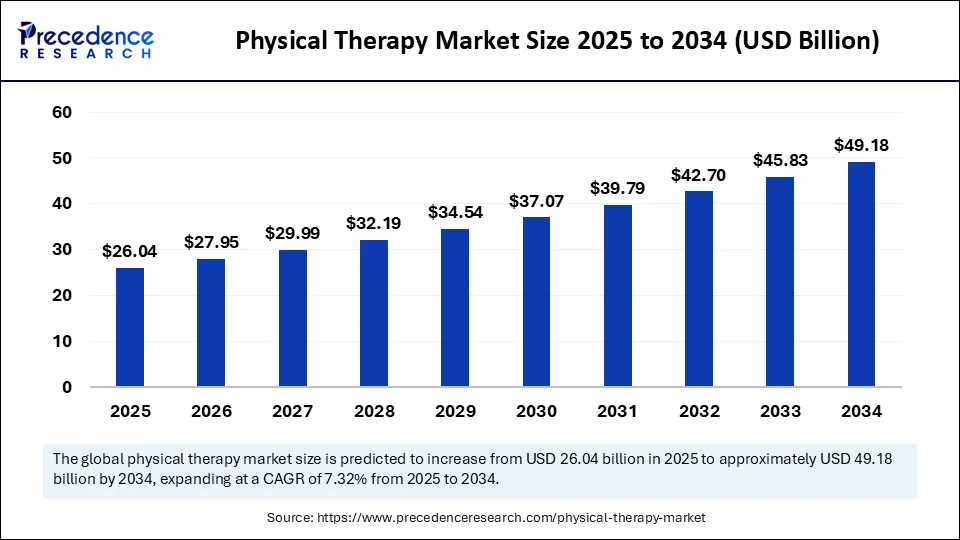
This report forecasts economic growth and information about the physical therapy market on both a global and country level. The study includes key market drivers and restraints, as well as promising opportunities. The report also discusses trends and future technologies that will influence the market growth. Additionally, the study offers insights into the detailed market share analysis of the physical therapy market based on the key regions and top global countries. Finally, the report provides sourcing strategy and downstream buyers, as well as distributors and traders of the physical therapy market.
2. Virtual Physical Therapy – A New Era of Rehabilitation
The new era of medicine has brought with it the digitalization of various healthcare services, including Physical therapy. Virtual Physical Therapy or online Physiotherapy has increasingly become a viable option for patients who cannot visit clinics due to the pandemic or other mobility issues. Telehealth services have shown to be particularly beneficial for chronic patients and those requiring prolonged therapy.
Brescia Physical Therapy, a notable rehabilitation center in California, extends its virtual physical therapy services to residents of all states in the US. Their team of licensed physiotherapists uses secure and HIPAA-compliant video conferencing software to connect with their patients and provide expert rehabilitation services. These services are not limited to post-operative patients but also cover Pain management therapy, Neurologic rehabilitation, Orthopedic rehabilitation, and Cardiovascular and Pulmonary rehabilitation.
The virtual or online physical therapy services provided by Brescia Physical Therapy aim to restore the patients’ strength, improve their function and mobility while reducing the risk of injury or re-injury. Additionally, physical therapy can also help manage conditions like arthritis, back pain, sports-related injuries, and even conditions like Parkinson’s disease and multiple sclerosis.
Certainly, virtual physical rehabilitative services offer convenience, personalization, and access to quality healthcare without leaving the confines of home. However, initial assessment with a trained professional is essential to create a customized treatment plan, as no two cases are the same in physical therapy. Discuss with your physical therapist or physician to determine if virtual physical therapy is the right choice for you.
3. Select Physical Therapy’s Outpatient Therapy for Children
Physical therapy does not discriminate; it falls across the age spectrum, from infant to elderly, promising improved mobility, and enhanced quality of life. Recognizing this, Select Physical Therapy, one of the leading providers of physical therapy in the US, offers specialized outpatient services focused on the unique developmental needs and conditions of children.
Their pediatric physical therapy services aim to improve children’s gross motor skills, functional mobility, balance, coordination, body and spatial awareness, and muscle and joint flexibility. The specialist pediatric physiotherapists at Select Physical Therapy are also trained to manage and provide care for various pediatric medical conditions, including congenital, neurological, and musculoskeletal conditions.
Furthermore, through their comprehensive pediatric therapy services, they aim to educate and include parents and caregivers in the therapy process. This inclusive approach not only creates a supportive environment for the child but also enables continued therapy and care at home.
4. Novel Treatments in Physical Therapy – Biofeedback and Dry Needling
In addition to standard strengthening exercises, flexibility routines, and balance training, newer physical therapy treatments like Biofeedback and Dry Needling are slowly gaining recognition for their effectiveness in managing various conditions.
Biofeedback is a process where electronic monitoring equipment is used to provide patients with real-time feedback about their body’s physiological functions such as muscle tension, heart rate, blood pressure, etc. This feedback enables patients to control these parameters consciously, which, over time, can reduce pain, increase relaxation, and improve strength and performance, leading to improved overall health and well-being.
Dry Needling, on the other hand, uses thin, sterile needles to release myofascial trigger points or knots in muscles. These trigger points often cause pain, stiffness, restricted mobility, and even ailments like tension headaches and carpal tunnel syndrome. By directly targeting these trigger points, Dry Needling can improve flexibility, decrease pain, and improve function.
5. Conclusion
Physical therapy today is an all-embracing field, with applications across a wide range of medical conditions and ages. The advances in technology have given patients a choice of receiving therapy at home or outpatient services. With novel treatments being introduced into physical therapy practices, patients have a greater chance of realizing improved mobility and pain-free living. Irrespective of the physical therapy chosen, a competitive team of healthcare professionals can make a significant difference in patients’ lives.
Sources:
 Physical Therapy
 Physical Therapy and Rehabilitation
 West Haven VA Medical Center | VA Connecticut Health Care | Veterans Affairs
 Global response to physiotherapy services disruptions during the COVID-19 pandemic and the level of preparedness for the next health emergency
 Dr. Sean Wells, et al. v. Kennedy, et al.
 HSS Pediatric Rehabilitation and Young Athlete Center
 Physical Therapy Services Now Available at Sanford West Fargo
 Physical Therapy Market Size to Hit USD 49.18 Billion by 2034
-
Physical Therapy and Rehabilitation

