
Physical therapy, particularly cancer rehabilitation and Physical Medicine and Rehabilitation (PM&R), plays an essential role in healing, pain reduction, strength improvement, and quality of life enhancement. Medical institutions globally recognize the importance of restoring physical function and improving mobility for everyone from cancer patients to children and athletes, often offering tailored treatment plans.
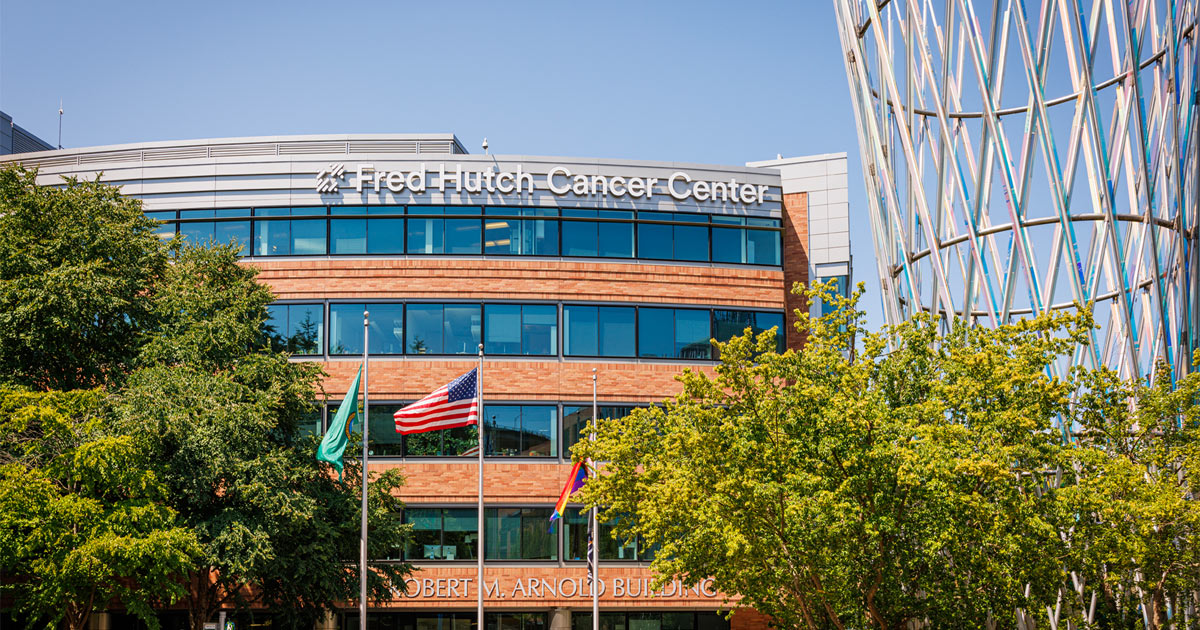
Starting with cancer rehabilitation, the Fred Hutchinson Cancer Research Center provides physical therapy services to patients undergoing or post-cancer treatment. Physical therapists at this facility assist patients in dealing with health issues related to weakness, balance, scar tissue, lymphedema, and range of motion. These specialists also guide patients regarding rehabilitation equipment use to facilitate recovery. However, before a patient can schedule a physical therapy appointment, they need a referral from a Fred Hutch healthcare professional. This clinic’s unique feature is its team of physical therapists specializing in treating secondary lymphedema.
Mayo Clinic’s PM&R department is another stand-out for its diverse and integrated treatment approach. They aim to restore movement and function to those impaired by illness or injury, focusing on treating conditions affecting the brain, spinal cord, nerves, and the musculoskeletal system. With care teams developed across numerous specialties, Mayo Clinic emphasizes a patient-centered approach, ensuring that treatments suit each patient’s unique needs, abilities, and goals.
Mayo Clinic’s PM&R employs a unique concept, placing “restoring function” at the center of all their therapies. This approach focuses primarily on enhancing patients’ quality of life, helping them retain as much muscle ability as possible, retraining mental pathways, and generally reaching the best possible performance level given each patient’s unique needs.
Mayo clinic offers a wide range of specialized treatments including bone, muscle, and soft tissue therapies, as well as dedicated programs for gaming and e-sports and adaptive athlete medicine. They are also well-equipped in pediatric rehabilitation, providing plans that perfectly suit the needs of the young patients.
In addition to this, Mayo Clinic PM&R integrates assistive and restorative technology into their rehabilitation services. From 3D computer technology and assistive tech for spinal cord injuries to walking assessment, functional electrical stimulation, and advanced prosthetic options, cutting-edge technology allows for a more comprehensive and efficient recovery process.
The PM&R department also allows patient education opportunities regarding their condition and its management. This educational approach ensures that patients are active participants in their journey to recovery.
Clinical research serves as a cornerstone of Mayo Clinic’s PM&R department. Continuous research, teamwork, participating in clinical trials, and continuing education equates to their treatment continuously evolving, reflecting the latest scientific advancements. The overall goal is to provide the best available care at any given moment for all patients involved.
Mayo Clinic’s PM&R extends its services to three US campuses: Arizona, Florida, and Rochester, Minnesota. The Mayo Clinic Health System locations in Minnesota, Wisconsin, and Iowa also offer many of these services. Patients can request to see a Mayo Clinic physician either independently or with a referral from their primary care doctor.
To sum up, whether it’s enhancing the healing process of patients diagnosed with cancer or restoring maximum functionality to those hindered by disease or injury, the importance of specialized physical therapy services cannot be understated. Ultimately, PT services offer tangible benefits – from improving mental and physical wellbeing to promoting self-sufficiency – and are integral to delivering comprehensive healthcare.
Physical therapy, characterized by a range of services aimed at improving a patient’s physical function, mobility, and quality of life, is currently undergoing a significant global expansion. The global physical therapy services market size was valued at USD 134.92 billion in 2024 and is projected to reach from USD 140.69 billion in 2025 to USD 186.90 billion by 2033, boasting a CAGR of 3.61% within this forecasted period.
Key factors driving this market growth include the increasing incidence of chronic conditions such as arthritis, cardiovascular diseases, and musculoskeletal disorders, as well as an aging global population, creating higher demand for therapeutic interventions. Additionally, advancements in telehealth and digital platforms are enhancing the accessibility of physical therapy services, enabling remote consultations and home-based care.
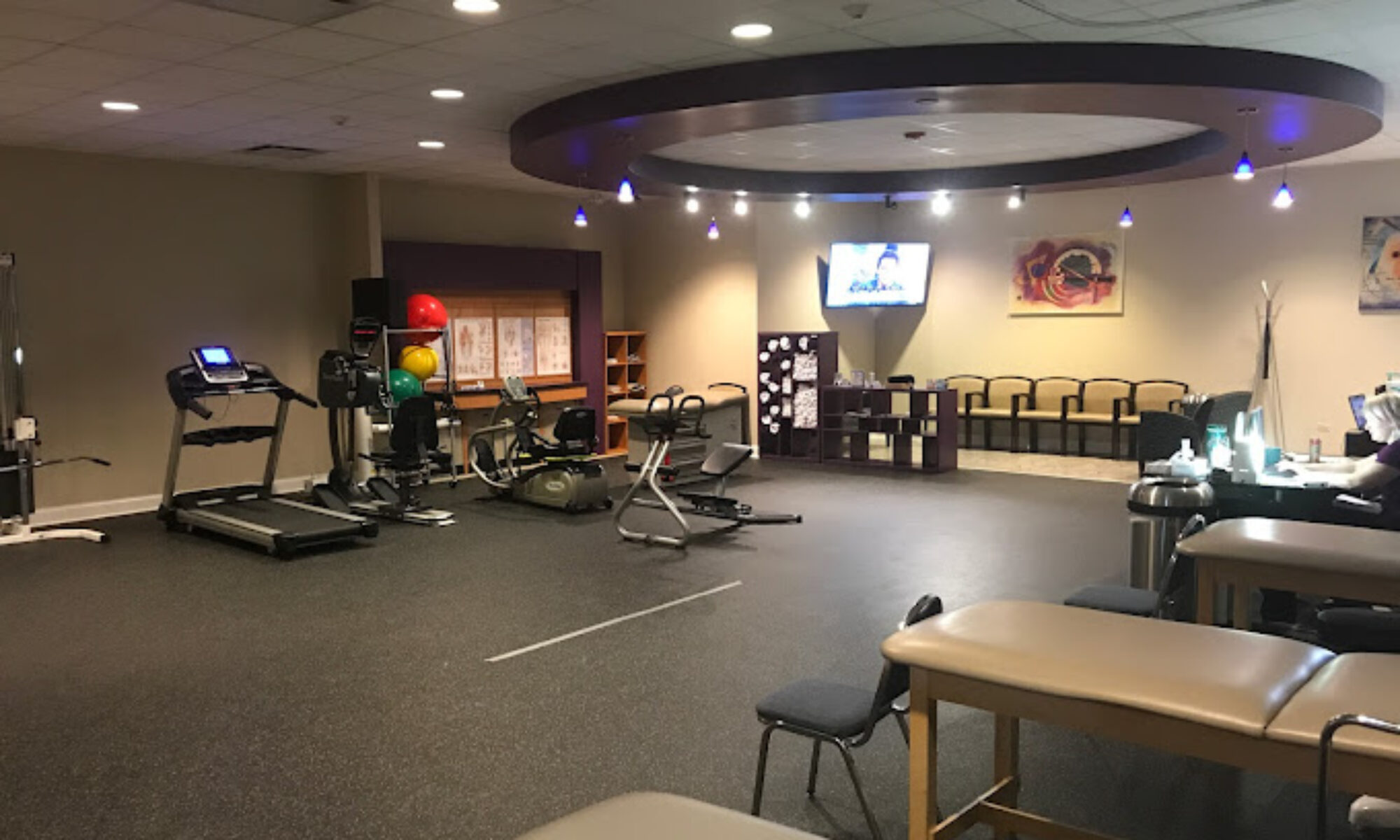
Embracing modern technology in the field, robotics and AI-enhanced rehabilitation have become an emerging trend in physical therapy services. Advanced technology like robotic devices and AI algorithms provide personalized, engaging therapy experiences particularly for post-stroke rehabilitation and neurological conditions.
The growth of digital platforms has also facilitated tele-rehabilitation, providing remote access to rehabilitation through video consultations and mobile apps. This has not only enhanced patient engagement but made therapy more accessible and convenient, leading to improved adherence and outcomes.
Another factor contributing to the growth of physical therapy services is the rise in sports medicine and rehabilitation services. The growing interest in sports and fitness among all age groups has resulted in a higher demand for rehabilitation services for sports-related injuries. Specialized services for athletes on injury prevention, performance enhancement, and post-injury recovery have become more prevalent.
Others are the increase in awareness of the benefits of physiotherapy for managing chronic conditions, post-surgical rehabilitation, and sports injuries. More physicians are recommending physiotherapy as a first-line treatment option for musculoskeletal issues instead of invasive procedures. However, high costs of physiotherapy, particularly in countries without universal healthcare, remain a significant issue affecting access to necessary rehabilitation.
A promising market opportunity lies in the expansion of home-based therapy programs. The rise of telehealth and an increased preference for home-based care not only cater to elderly or immobile patients who struggle to visit clinics regularly but offer them personalized rehabilitation in their own homes.
North America currently dominates the global market, holding the largest revenue share due to the high prevalence of musculoskeletal disorders and chronic conditions. The region also has a robust healthcare infrastructure and extensive insurance coverage, making physiotherapy services more accessible. The aging population in North America is a significant factor, often requiring physiotherapy to maintain mobility and manage age-related conditions.
The Asia-Pacific region is poised to experience the fastest CAGR in the global market, driven by several factors. Rapid economic growth in countries like China, India, and Japan has led to increased healthcare expenditure, enhancing access to rehabilitation services. Rising incidences of chronic diseases and an aging population are fueling the demand for physiotherapy, positioning Asia-Pacific as a rapidly growing player in the global market.
Key players in the global market are increasingly adopting strategic collaborations, acquisitions, and partnerships to strengthen their service portfolios and expand their geographic presence. These initiatives allow companies to integrate new technologies, such as telehealth platforms, and diversify their rehabilitation offerings to meet the growing demand for specialized services. Noteworthy companies include Athletico Physical Therapy, Physical Rehabilitation Network (PRN), Select Medical Corporation, NovaCare Rehabilitation, and Drayer Physical Therapy.
Overall, the growth prospects for the global physical therapy services market look promising, driven by the rising prevalence of chronic conditions, an aging global population, and the benefits of integrating modern technology into the field.