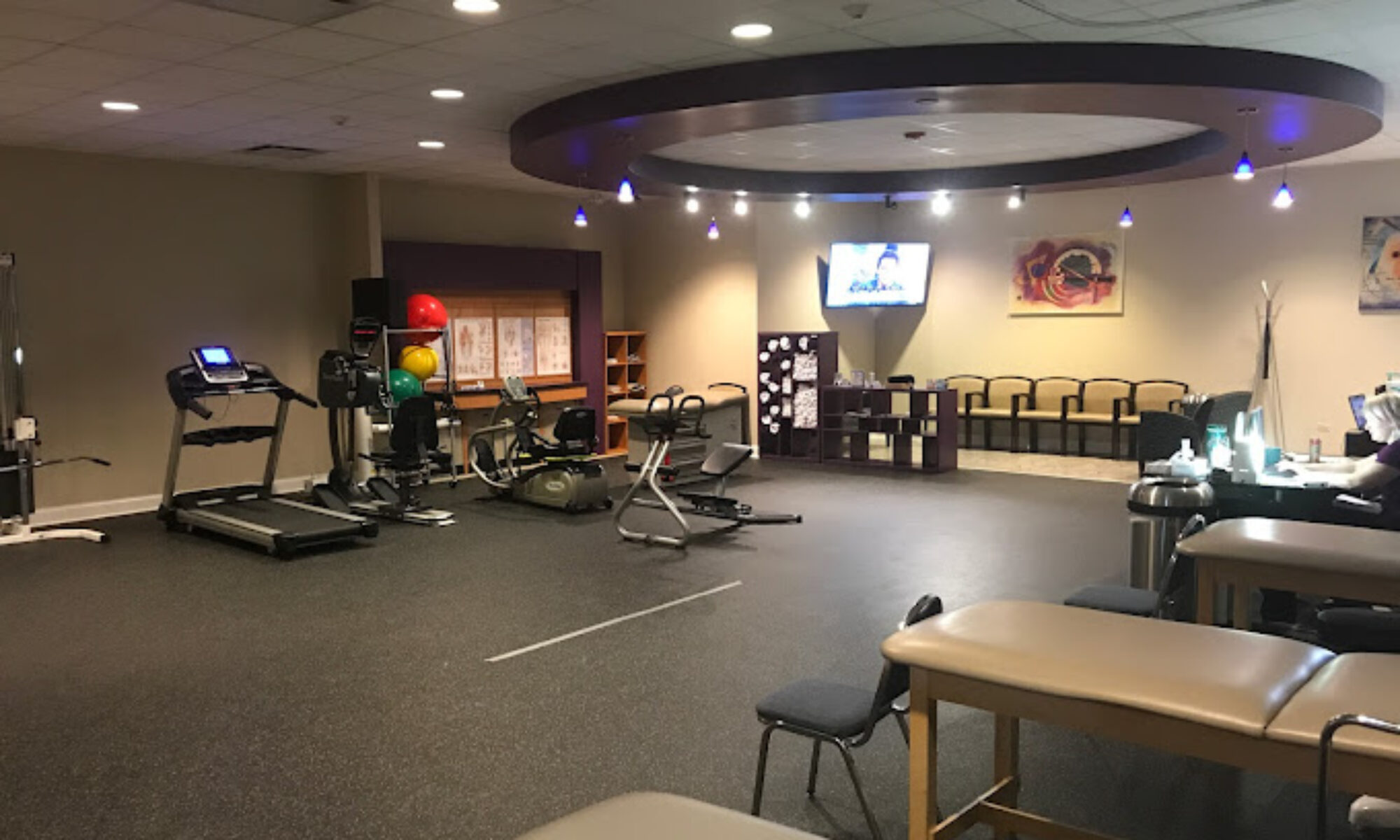

Physical therapy and rehabilitation services have continually evolved to provide myriad treatment options reflecting the unique needs of each patient. These services play an integral role in improving quality of life and restoring function for individuals limited by disease or injury. The breadth and efficacy of these services have seen exceptional advancements at Mayo Clinic and VA Connecticut Health Care’s West Haven Medical Center over the past month.
At the Mayo Clinic, physicians and care teams within Physical Medicine and Rehabilitation (PM&R) focus on restoring function as the central component in their therapy offerings. This concept translates to the optimization of the patients’ quality of life through the retainment of maximal muscle ability, the re-training of mental pathways, and the realization of the best possible capability based on specific needs.
The experienced PM&R staff at Mayo, seasoned in reviewing medical images and in providing physical examinations, is effective in improving movement and aiding recovery for people with traumatic or nontraumatic conditions. This is done by setting out a healthcare plan that involves the utilization of state-of-the-art medical treatments and nonsurgical options, such as custom orthotics, therapeutic exercise, manual therapy and ultrasound. Further, education is provided to patients, empowering them to have a deeper understanding of their medical condition and rehabilitative care.
Mayo Clinic is also dedicated to enhancing assistive and restorative technology. The Assistive and Restorative Technology Laboratory (ART Lab) and other PM&R facilities offer therapy and testing procedures that leverage cutting-edge tech. The 3D computer technology and printing, functional electrical stimulation, and the available advanced prosthetic options exhibit Mayo Clinic’s commitment to advancing the science of rehabilitation.
Mayo Clinic’s team comprises physicians, therapists, advanced care providers, and nurses, who work towards ensuring complete and timely recovery for patients. They provide short-term and long-term outpatient care programs within a hospital or clinical setting. This team of experts collaborates to deliver a program of care tailored to the patients’ needs.
At VA Connecticut Health Care’s West Haven Medical Center, offerings extend beyond physical therapy and rehabilitation services to encompass provisions for transportation through their shuttle and van services. These services are provided to Veterans and authorized caregivers to help them reach scheduled medical appointments.
At West Haven, shuttle services offer rides between the Newington and West Haven campuses, while DAV vans driven by Disabled American Veterans and contracted vendors provide transportation to those in need. Shuttle services also include routes from Leeds to West Haven via Springfield and Newington. Those in need are encouraged to arrange their travel schedules at least 48 hours prior to their appointment.
For those veterans not eligible for Beneficiary Travel, West Haven provides local transportation services that help ensure they reach their appointments in good time. Therefore, West Haven contributes to the provision of physical therapy and rehabilitation services by ensuring Veterans have reliable transportation to and from the medical center.
In conclusion, physical therapy and rehabilitative services, delivered with steadfast commitment by Mayo Clinic and VA Connecticut Health Care’s West Haven Medical Center, have transformed and greatly improved the lives of those coping with physical or neurological limitations. By continuously adapting to the varying needs of patients, utilizing ground-breaking technology, and providing additional services, these institutions ensure patients receive holistic, effective, and comprehensive care.
Physical therapy, a technique utilized to improve function and independence, has surged in importance in recent years. By prescribing exercises and assistance with specific workouts, physical therapists help patients recover from severe physical trauma brought about by injuries, accidents, or surgical procedures. It can reduce pain, help regain stamina, restore physical function and fitness level, as well as prevent further injuries.
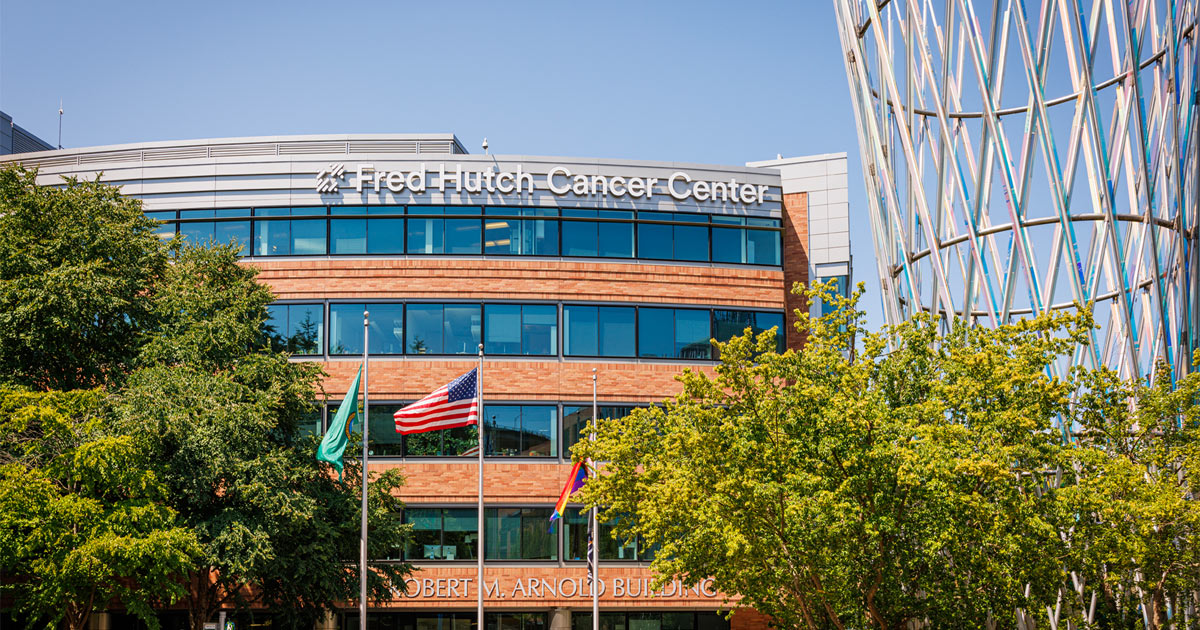
Recent studies suggest that physical therapy can also help cancer patients, making them stronger and able to tolerate treatment better. At the Fred Hutch clinic for instance, patients suffering from secondary lymphedema can avail of physical therapy sessions offered by their oncology specialists.
In the financial realm, physical therapy’s services market has been expanding with a size of USD 134.92 billion recorded in 2024. This number is projected to rise to USD 186.90 billion by 2033, showing a CAGR of 3.61% from 2025 to 2033. Factors like technological advancements in health care, telehealth, digital platforms, and an aging global population drive this growth.
One of the promising advancements that may further increase the market share of physical therapy services is the integration of AI and robotics in rehabilitation. As demonstrated by BIONIK Laboratories, this technology customizes therapy for each patient, making it more engaging, precise, and personalized. It also fosters better engagement with patients through features such as gamification and progress tracking, which in turn may lead to improved adherence to therapy and better outcomes.
One of the specializations gaining attention is sports medicine rehabilitation. The increasing interest in sports and fitness has sparked a need for rehabilitation services. To cater to this demand, companies like Athletico Physical Therapy have started offering specialized services for athletes recovering from sports-related injuries.
Despite the positive outlook, physical therapy challenges remain, such as costs and limited access to services. Often, insurance companies cover only a number of therapy sessions, leaving patients to pay out-of-pocket or discontinue therapy prematurely.
However, the growing preference for home-based care presents an opportunity to expand home-based physiotherapy services to cater to elderly or immobile patients. As evidence of this growth, companies offering these services, such as Portea in India and Luna in the U.S., have seen a growing client base.
As for regional analysis, North America dominates the global market with a robust healthcare infrastructure and extensive insurance coverage. Meanwhile, the Asia-Pacific region shows the fastest growth, driven by economic expansion, increased healthcare spending, and demographical trends.
Of the global market players, Drayer Physical Therapy is an emerging standout due to its extensive network offering in-clinic and telehealth options. Other key players in the global physical therapy market include Athletico Physical Therapy, Physical Rehabilitation Network, and Select Medical Corporation among others.
Indeed, as the benefits of physical therapy become increasingly evident, the sector’s future looks promising, with exciting developments and continued growth on the horizon.
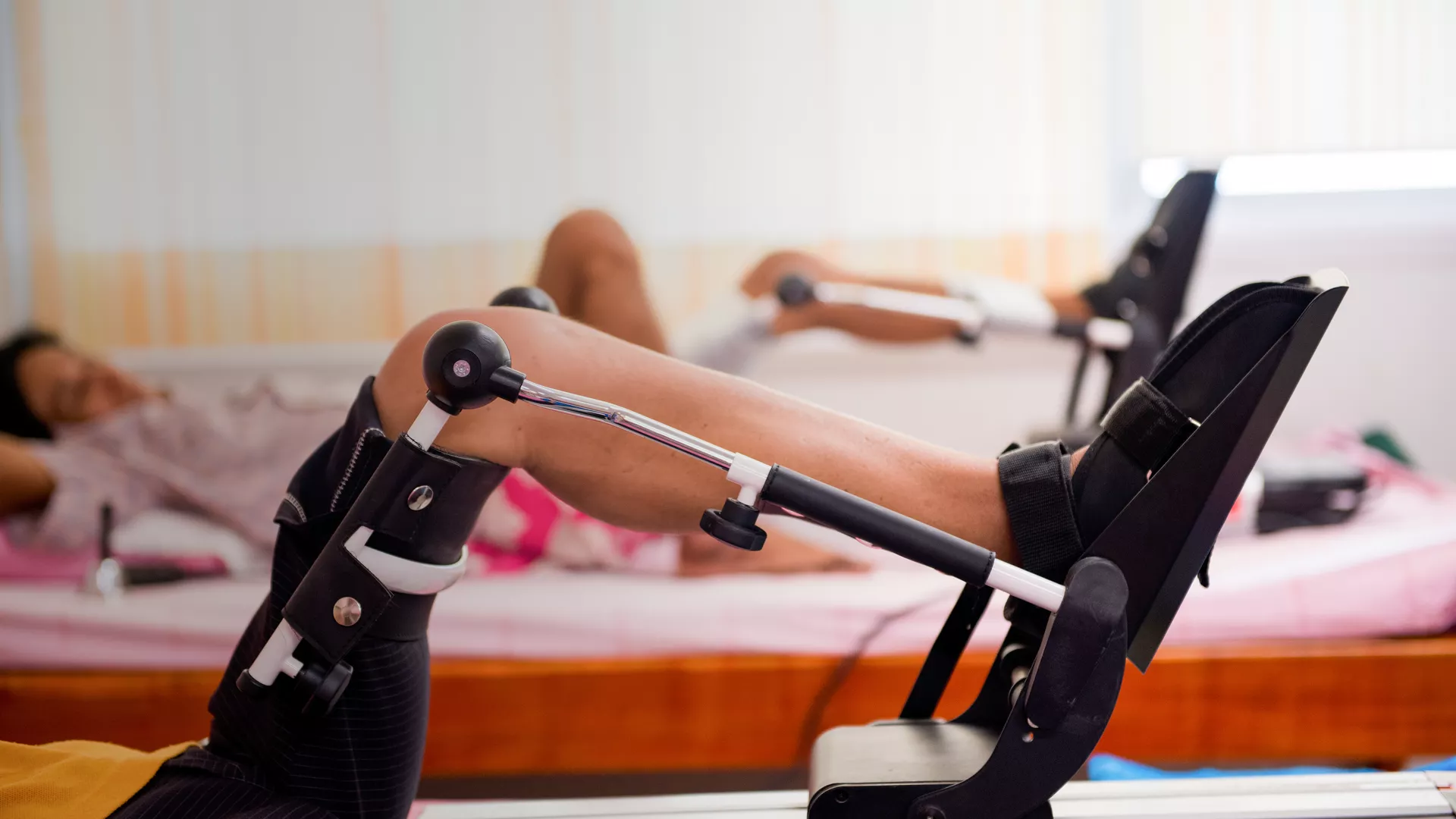
In the wake of the COVID-19 pandemic, the delivery of physical therapy services saw a significant shift towards telerehabilitation, relying heavily on phone calls and videoconferencing to reach patients. While this has enabled the continuity of care during a challenging period, many physical therapists are questioning the effectiveness of telerehabilitation for assessments and treatments that traditionally require hands-on guidance or supervision.
A study conducted to assess this adaptation revealed that prior to the pandemic, only 24.0% of physical therapists used a phone for providing their services, and a mere 5.3% used videoconferencing. During the pandemic, these figures increased dramatically to 73.3% and 77.3% respectively. Despite the increased adoption, less than half of the practitioners felt they could effectively treat pain, upper extremity function, or strength/range of motion through videoconferencing. Challenges identified included the clients’ comfort with equipment, positioning of the webcam, and importantly, ensuring the patients’ physical safety remotely.
In parallel, the necessity and potential benefits of telerehabilitation for certain populations were examined. For example, men undergoing radical prostatectomy, a main surgical treatment for prostate cancer, can benefit from physical therapy treatment to decrease incontinence recovery and improve their quality of life. A case study illustrated the successful implementation of pre- and post-operative physical therapy services for such patients. It highlighted the effectiveness of a structured program involving online and in-person trainings, transperineal ultrasound, pelvic floor exercises, and tailored patient education. While experiencing an initial decline in urinary functions post-surgery, patients demonstrated significant improvements following their postoperative physical therapy sessions. Surveyed patients also reported high satisfaction levels with the telehealth initiative.
These findings support the continued practice of telerehabilitation beyond the pandemic, especially for follow-ups and non-complex activity or exercise programs. They also suggest areas where improvement is necessary, such as managing technological challenges, intensifying caregiver engagement, addressing patient safety, and ensuring equitable access to technology across diverse patient groups and regions.
However, certain reservations were noted about telerehabilitation. Some physical therapists found it tiring, and many felt they could not cover as much clinical content in a single session compared to face-to-face interaction. These aspects, and the potential additional burden on caregivers, are of concern and need to be considered as health systems look to normalizing telerehabilitation post-pandemic.
To surmount these problems and maximize the potential of telerehabilitation, experts encourage health care providers and policymakers to engage in active dialogue, and to provide the necessary support – including training and resources – to ensure efficient and effective deployment of telehealth services in the sphere of physical therapy.
Moreover, clinical and satisfaction outcomes should guide the establishment of targeted services for underserved patient groups. Ultimately, the goal is to uphold the fundamental mission of healthcare – providing high-quality, evidence-based care for all patients – amidst an evolving practice environment.
In sum, telerehabilitation in physical therapy, despite its challenges, has proved to be a valuable tool during the pandemic by ensuring continuity of care. Further fine-tuning can enable it to be an effective and efficient mode of service delivery beyond the pandemic.
Physical Therapy Services and Treatments: A Soaring Global Market
The global physiotherapy services market is projected to reach approximately USD 79.34 billion by 2031, growing at a CAGR of 5.3% from 2024-2031, according to Coherent Market Insights. This growth is primarily attributed to the increasing prevalence of chronic diseases such as cardiovascular diseases, diabetes, cancer, and respiratory diseases.
A growing geriatric population, more susceptible to musculoskeletal disorders, also contributes to this increase. The World Health Organization reported that chronic diseases accounted for approximately 70% of all deaths worldwide in 2019. By 2050, it’s anticipated that the global geriatric population aged 65 years or above will increase from 703 million in 2019 to 1.5 billion.
Emerging trends such as the adoption of evidence-based physiotherapy practices also contribute to this growth. A study published in the Brazilian Journal of Physical Therapy in 2021 revealed that over 90% of physiotherapists were using evidence-based practices to ensure effectiveness and the standardization of treatment procedures.
Furthermore, the increasing use of digital healthcare tools for physiotherapy treatments, including technologies such as telerehabilitation, virtual reality, 3D motion sensors, and wearable sensors, has been noted to boost market growth. These technologies aim to improve patients’ accessibility and engagement in rehabilitation programs.
Cardiopulmonary Physiotherapy Domination and Geriatric Population Growth
Cardiopulmonary physiotherapy is anticipated to dominate the market, accounting for over 30% by 2024 due to the rising global prevalence of cardiovascular and pulmonary diseases. Physiotherapy plays a crucial role in the management and treatment of various heart and lung conditions, including heart failure, chronic obstructive pulmonary disease, and asthma, enhancing cardiorespiratory endurance, muscle strength, flexibility, and overall functionality of patients.
The geriatric population segment is expected to witness the highest growth throughout the forecast period due to age-related health conditions, mobility issues, and musculoskeletal disorders. Physiotherapy can enhance the quality of life for the elderly by improving balance, managing pain, and improving coordination. As per the UN, it’s expected that by 2050, the population aged 60 years and above will increase from 1 billion in 2020 to nearly 2.1 billion.
Market Segments and Geographical Distribution
The global physiotherapy services market is categorized based on physiotherapy type, end-user population, and service providers. On the basis of physiotherapy type, the cardiopulmonary physiotherapy segment is projected to account for over 30% of the market share in 2024 due to the rising burden of cardiovascular and pulmonary disorders.
Paediatrics is expected to dominate the end-user population segment due to the large number of children participating in sports activities. Hospitals are anticipated to hold a significant market share in terms of service providers due to the increasing number of physiotherapy departments being set up.
Geographically, North America is predicted to hold a dominant position throughout the forecast period due to advanced healthcare infrastructures and growing healthcare expenditure.
Competitor Insights and Recent Developments
Key competitors in the global physiotherapy services market include ProRehab Physical Therapy, Physiotherapy Associates, Encompass Health, Upright Health, Select Medical Corporation, Rehacare, Celtic Healthcare, ATI Physical Therapy, GymnaUniphy, The Movement Clinic, Fyzical, Aspetar, Athletico Physical Therapy, Physitrack, and Apollo Hospitals Enterprise Ltd.
Recently, in November 2022, Movement Solutions, a pioneer in physiotherapy service providing, announced the addition of mobile physiotherapy to its offerings. In January 2022, clinically-led physiotherapy company Pure Physiotherapy announced establishing a new facility in Rochdale on February 21, 2022.
By providing syndicated research reports, detailed segmentation, and analysis, Coherent Market Insights seeks to offer actionable insights and accurate reports within the global market intelligence and consulting organization.
About the author: Coherent Market Insights is a global market intelligence and consulting organization delivering actionable insights and authentic reports in various domains including aerospace and defense, agriculture, food and beverages, automotive, chemicals, and materials. They strive to create value through highly reliable and accurate reports for clients, also playing a leading role in providing insights in various sectors post-COVID-19.
Sources:
 Physical Medicine and Rehabilitation – Overview
 West Haven VA Medical Center | VA Connecticut Health Care | Veterans Affairs
 Benefits of Physical Therapy
 Physical Therapy Services Market Share & Growth Report 2033
 A survey of the experiences of delivering physiotherapy services through telerehabilitation during the COVID-19 pandemic
 From PTJ: How to Implement PT Services for Men Undergoing Radical Prostatectomy
 Global Physiotherapy Services Market to Reach US$ 79.34 Billion by 2031, Coherent Market Insights

