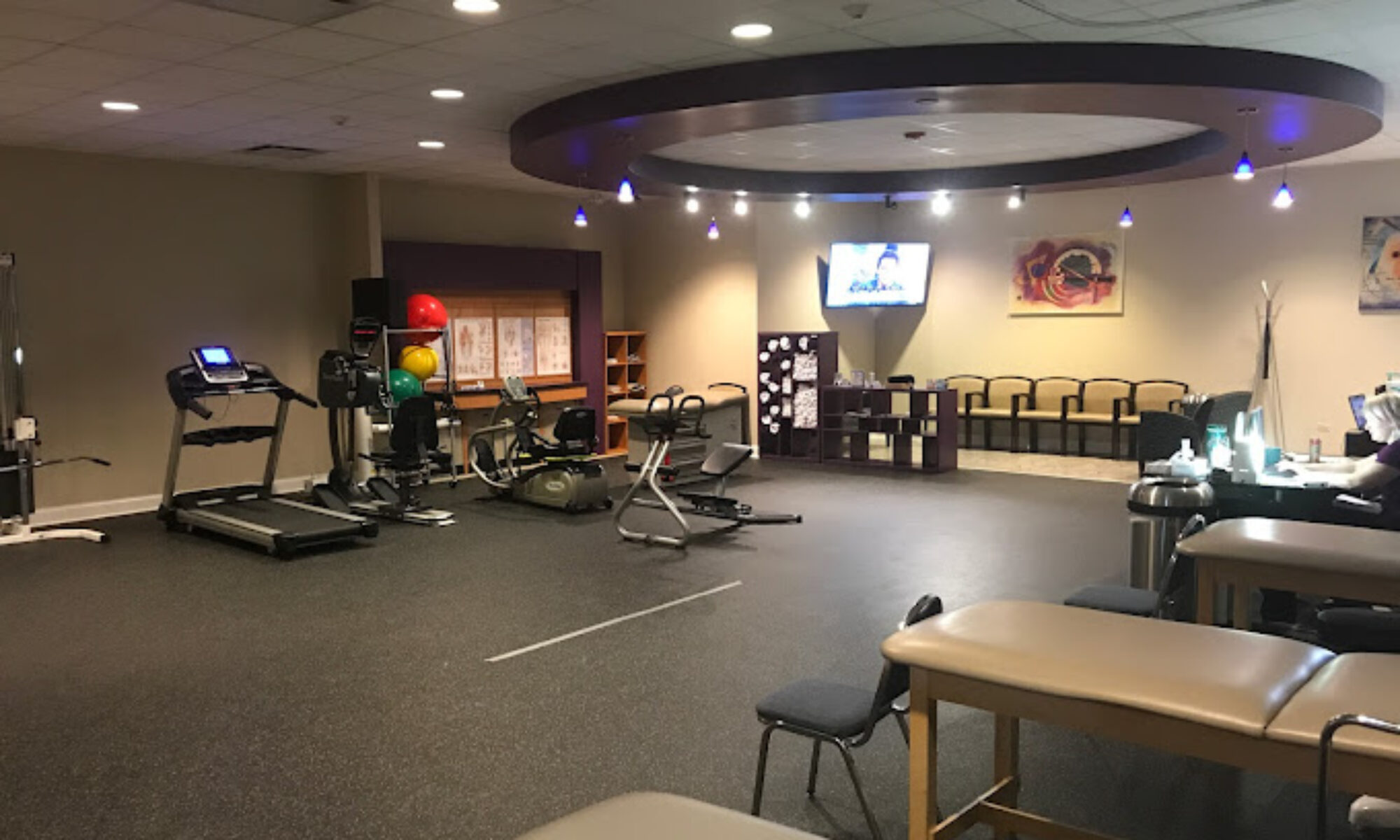

Price Chiropractic and Rehabilitation has expanded its services by incorporating physical therapy programs into their patient care offering. These new programs aim to better serve patients recovering from a variety of conditions like injuries, post-surgical complications, chronic pain, and mobility limitations. The therapy follows a customized treatment plan developed by a team of licensed professionals, and the progressive methods applied include manual therapy, therapeutic exercise, neuromuscular re-education, and postural correction. The expansion targets a wide demographic, including athletes, older adults, office workers, and post-operative rehabilitation patients.
In other news, U.S. Physical Therapy, Inc. has announced its acquisition of an outpatient home care practice that offers physical, occupational, and speech therapy through its 50%-owned subsidiary, MSO Metro, LLC. This acquisition will extend the outpatient services into patients’ homes on a broader scale. Generated revenue from the newly-acquired practice is about $2.1m annually.
Meanwhile, Mayo Clinic’s Physical Medicine and Rehabilitation helps restore movement and function to people limited by disease or injury. The providers diagnose and treat various medical conditions affecting the brain, spinal cord, nerves, and the musculoskeletal system. They aim to increase patients’ quality of life and retain as much muscle ability as possible through their therapies. Mayo Clinic’s PM&R utilizes advanced therapeutic expertise and assistive technology in its innovative care.
In conclusion, these news updates seem to indicate a growing trend towards integrating expanded services into the physical therapy sector, with a focus on personalized, home-based, and technologically advanced care.
The global medical rehabilitation services market is set to grow substantially, with a projection to reach $463.79 billion by 2033. The increase in the aging population, rise in chronic illnesses, digitization in healthcare through telehealth platforms, and the rising demand for these services in developing countries are significant contributors to this growth. The rehabilitation sector, especially in India, is set to post a compound annual growth rate (CAGR) of 15% by 2028 due to the increase in rehab technologies. On a regional basis, North America dominates the market due to factors such as readily available rehabilitation services, a rapidly aging population, and advanced healthcare infrastructure. The Asia Pacific is forecasted to be the fastest-growing market, driven by China and India’s rising economies as they increase their investments in innovative healthcare technologies.
Meanwhile, the new billing policy by Blue Cross Blue Shield of Michigan, which implies a 17% reimbursement cut for physical therapy (PT) clinics, could have implications on patient access to physical therapy services. PT providers argue that the cuts will cause difficulties in keeping therapists on staff and could lead to the closure or consolidation of more clinic locations.
In Oklahoma City, Mercy Therapy Services has opened a new location to better serve the northwest part of the city. The clinic features occupational and physical therapists and has the capacity to serve up to 150 patients per day. With the goal of expanding to 17 therapists, the clinic mainly focuses on orthopedic or sports medicine injuries, along with elderly patients, and offers therapy to help patients strengthen their hands, wrists, arms, or shoulders for independent living.
Medicare Physician Fee Schedule (MPFS) highlights several significant updates for 2025 that physical therapists should be aware of. Firstly, the Medicare Physician Fee Schedule rates will drop by 2.93% compared to 2024 due to the expiration of the previous year’s temporary increase. This demands therapists to manage service delivery and coding effectively to handle reimbursement reductions. Secondly, CMS is introducing new coding and payment for caregiver training services, enabling therapists to get reimbursed for their caregiver-centric services. CMS also extends certain telehealth provisions, including the addition of new telehealth services like caregiver training. Furthermore, the MPFS rule allows general supervision for physical therapist assistants in private practice, offering service flexibility. Lastly, CMS has eased certification requirements for therapy plans of care to reduce administrative load on therapists.
An independent review by Peterson Health Technology Institute validates that virtual health technologies led by a physical therapist offer clinical benefits to patients equivalent to in-person therapy. They found that for musculoskeletal conditions, virtual Physical Therapy-guided solutions are as effective as physical interventions. The report estimates that shifting a quarter of physical therapy users for low back pain to digital care could save $4.4 million per 1 million commercially insured individuals.
The Department of Veterans Affairs (VA) and the Department of Defense (DOD) have released an updated guideline on the Rehabilitation of Individuals with Lower Limb Amputation. Notably, it introduces recommendations on surgical procedures previously not included in the last guideline, expands on behavioral health, includes ideas for pain relief away from reliance on pharmaceuticals, and touches on peer support. The intent is to drive further research on the topics the guideline touches upon.
Sources:
 Price Chiropractic Expands Services with Innovative Physical Therapy Programs
 Physical Medicine and Rehabilitation – Overview
 New Blue Cross policy could have implications for Michigan physical therapy patients
 Mercy Therapy Services Opens New Location in Northwest Oklahoma City
 Open Access | New Report Confirms Health Outcomes Are Improved When Virtual MSK Care Is Guided by a PT

