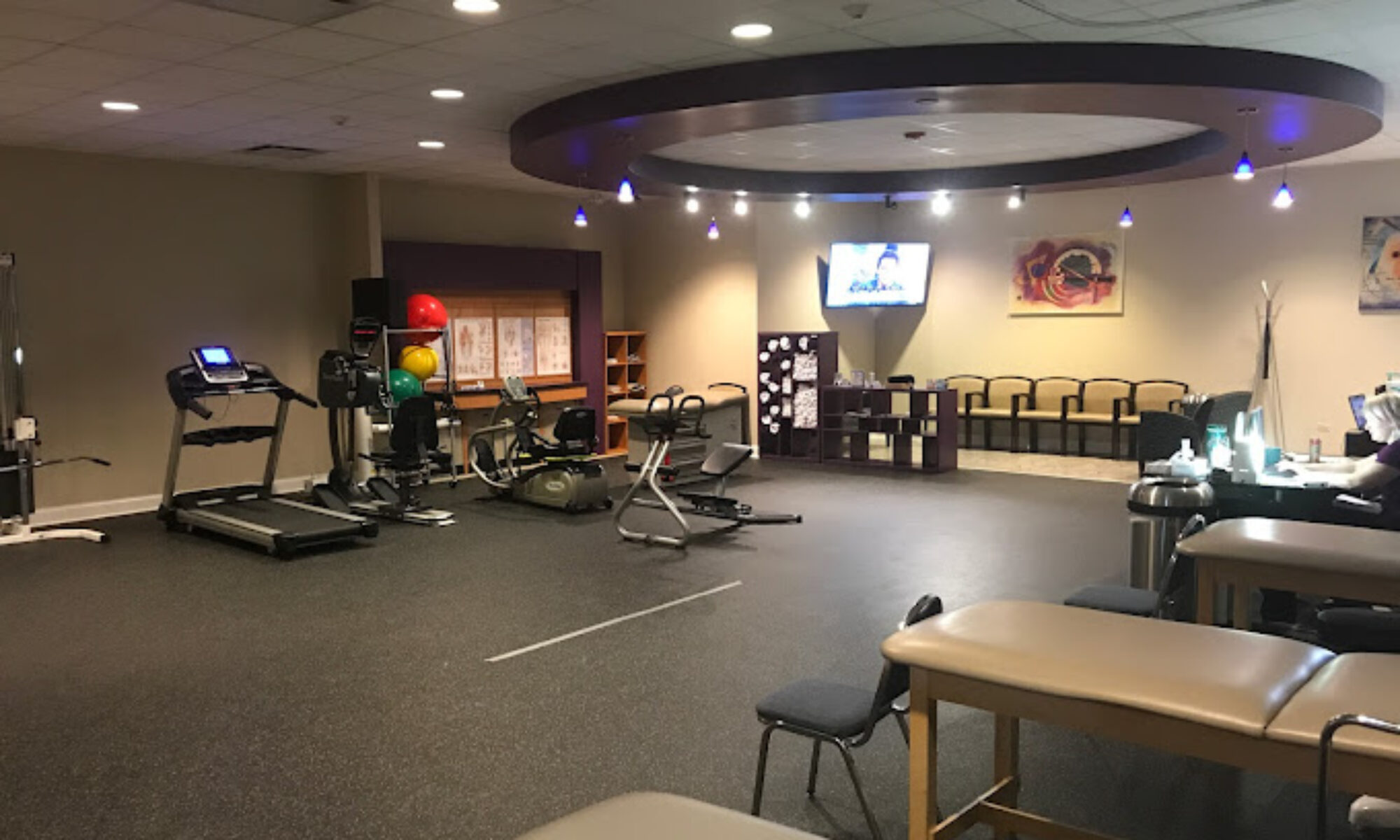

Physical therapy and rehabilitation services are gaining more recognition due to their profound benefits in improving health and overall quality of life. Fred Hutch and UT Health East Texas Rehabilitation Center have recently made strides in their physical therapy services, providing comprehensive, patient-centered rehab for various medical conditions.
Physical therapy has demonstrated a broad range of benefits. For cancer patients, these services can help improve strength, function, and independence during and after cancer treatment. Physical therapists address concerns related to weakness, balance, scar tissue, lymphedema, and difficulty with movement. At Fred Hutch, patients diagnosed with secondary lymphedema can get treatment from physical therapists who specialize in oncology.
The inpatient and outpatient rehabilitation programs at UT Health East Texas Rehabilitation Center aim to help patients regain mobility and function after serious illnesses, injuries, or surgeries. They provide acute care services to aid in reaching the goal of independence and optimal health. The center maintains state-of-the-art facilities, offering the latest therapy techniques and hospitalization services for a supportive recovery environment.
The inpatient rehabilitation program provides a broad array of services, including trauma care, diagnostic and laboratory services, hemodialysis services, limb loss rehabilitation, occupational therapy, pastoral care, physical therapy, psychology services, rehabilitation medicine and nursing, respiratory therapy, speech therapy, stroke rehabilitation, transitional living apartments, VitalStim therapy, and wound care services.
The outpatient rehabilitation services extend to cater to day-to-day medical needs and include treatments and programs such as aquatic therapy, a balance and vestibular program, cardiopulmonary rehabilitation, dry needling, limb loss rehabilitation, lymphedema management, occupational therapy, orthotic therapy, a Parkinson’s program, physical therapy, speech therapy, splinting, total joint replacement therapy, and work conditioning.
Notably, UT Health East Texas Rehabilitation Center now also offers a specialized Parkinson’s disease program. This program emphasizes functional mobility, mitigating potential secondary impairments and disease progression, and safety education. They also provide a community wellness program specifically designed for Parkinson’s patients.
A unique intervention, VitalStim therapy, specifically designed to treat dysphagia (swallowing disorders), has been introduced as part of the wide range of therapies available. It applies neuromuscular electrical stimulation (NMES) to improve swallowing functionality.
Physical therapy services also extend their treatments to limb loss rehabilitation. The aim is to help amputees regain function, mobility, and independence through personalized therapy plans, prosthetic training, pain management, and emotional support to cope with both the physical and psychological aspects of limb loss.
Treatment and rehabilitation services offered by these institutions underpin the importance of patient’s physical health and well-being, helping them recover from various health conditions and return to their normal life as quickly and safely as possible. Given the broad scope and individualized planning of these services, it is clear that physical therapy is a vital component in healthcare.
Physical Therapy Market Trends and Forecasts
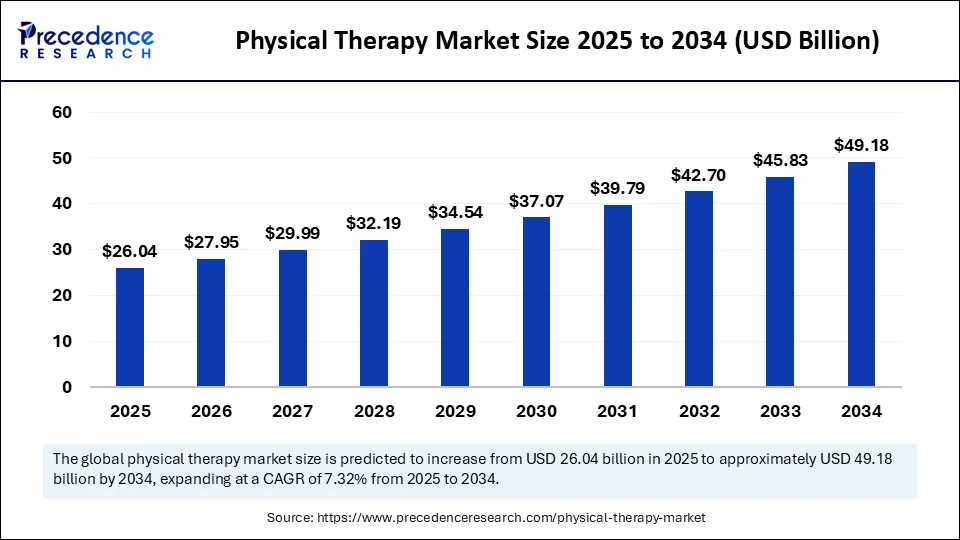
The global physical therapy market is expected to expand from USD 27.95 billion in 2026 to USD 49.18 billion by 2034, growing at a Compound Annual Growth Rate (CAGR) of 7.32% between 2025 and 2034. This growth is driven by increasing awareness about musculoskeletal health, the growing geriatric population, and rising demand for post-operative rehabilitation services.
North America holds the largest market share at 40% due to robust healthcare infrastructure, widespread awareness of rehabilitation, and high prevalence of chronic and lifestyle-related disorders. However, the Asia-Pacific region is anticipated to register the highest CAGR over the forecast period, owing to rapidly modernizing healthcare infrastructure, growing disposable income, and increasing awareness about the benefits of rehabilitative care.
Among different applications of physical therapy, orthopedic therapy dominated the market in 2024 due to the high prevalence of musculoskeletal conditions, sports injuries, and post-operative rehabilitation needs. Neurological therapy is expected to grow at the highest CAGR between 2025 and 2034 due to an increasing incidence of conditions like stroke, Parkinson’s disease, and other brain and spinal cord injuries.
Integration of Artificial Intelligence (AI) in Physical Therapy
AI is transforming rehabilitation practices by bringing about smarter, data-driven, and personalized physical therapy strategies. AI-powered platforms can track patient progress in real-time, predict recovery timelines, and adjust therapy plans with precision. These systems use elements like motion sensors, computer vision, and machine learning algorithms to observe movements and give instantaneous feedback; this reduces the need for in-person supervision significantly.
AI can analyze large datasets to identify trends, detect early anomalies, and improve diagnostic accuracy, which helps optimize treatment efficacy and expands access to quality care. Integration of AI in physical therapy can help build a more proactive, personalized, and scalable rehabilitation model.
Physical Therapy Pilot Program at Windward Community Based Outpatient Clinic (CBOC)
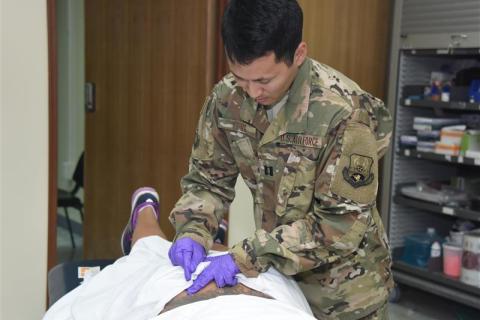
A pilot program, currently being executed at the Windward CBOC, is integrating direct access to physical therapy into primary care appointments. The program aims to improve access to care, outcomes, and satisfaction for veterans. For veterans with acute injuries, access to physical therapy can increase the likelihood of successful healing and avoid re-injury.
The process bypasses the need for a referral from a primary care doctor, saving time and healthcare costs and improving the care experience for the veteran. Though some restrictions apply due to space considerations, the success of this program could pave the way for future expansion of integrated physical therapy services within primary care appointments.
European Physical Therapy Trends
Europe is a growing market for physical therapy, with growth driven by an aging population and an increasing focus on non-pharmaceutical approaches to pain and mobility management. Countries like Germany, France, the U.K., and the Nordic nations are leading in market expansion due to government health campaigns, increased funding for rehabilitation, and an emphasis on multidisciplinary care.
The introduction of telerehabilitation platforms and AI-enabled diagnostics are expected to offer new growth opportunities. Moreover, universal healthcare programs and physical therapy reimbursements under national health schemes, together with a strong focus on patient-centered wellness practices, are propelling the growth of the market in Europe.
Conclusion
The global physical therapy market is on an upward trajectory thanks to changing healthcare paradigms, technological advancements, and an increased understanding of the benefits of physical therapy. The integration of AI in physical therapy is a revolution in the sector, bringing about personalized and data-driven rehabilitation strategies. Meanwhile, pilot programs such as the one at the Windward CBOC aim to integrate physical therapy into primary care, improving patient outcomes and satisfaction. As patient-centered care becomes more prevalent, the demand for physical therapy is expected to continue its steady growth.
Title: Innovations and Expansion in Physical Therapy Services: A Close Look at HSS Pediatric Rehabilitation and Sanford West Fargo’s Offerings
Physiotherapy, a branch of rehabilitative health, has burgeoned in response to an increasing demand for services from an expanding demographic of patients. Two health entities that exemplify this growth are the HSS Pediatric Rehabilitation & Young Athlete Center (HSS) and Sanford Health West Fargo. This article will explore the services these two facilities offer, based on recent resources.
Located in New York, the HSS Pediatric Rehabilitation & Young Athlete Center stands as a leading provider of outpatient rehabilitation services for children and young adults. This state-of-the-art facility includes private and large, open spaces for individualized treatments and expansive movement practices.
The Center brings together a dynamic and multidisciplinary team of physical, occupational, and speech therapists. These practitioners boast advanced training in neurodevelopmental, orthopedic, and sports rehabilitation. For young athletes, tailor-made programs are available that merge clinical expertise with cutting-edge technology and equipment. These programs aim to ensure effective rehabilitation, boost sports performance, and reduce injury risks.
The HSS facility houses two gyms dedicated to physical therapy, designed to deliver specialized individual care. The space also includes an occupational therapy gym featuring a climbing wall and age-appropriate sensory equipment. For patients requiring speech therapy, private rooms equipped with SMART Board™ technology are available for communication and language therapy needs. Besides, specialized speech-language pathologists can address swallowing and feeding impairments.
Moreover, for children needing mobility devices or assistive communication tools, a dedicated Equipment and Assistive Technology Clinic lends support. The HSS pediatric rehabilitation programs are personalized, holistic, and present in the ambit of a youthful, engaging experience.
Moving to the Midwest, Sanford Health West Fargo is now offering physical therapy services for various needs. From aiding patients to get back on track with their everyday routines post-injury to preventing future harm, physical therapy plays a crucial role. At Sanford Health West Fargo, patients can individually engage with an experienced physical therapist, focusing on healing, prevention, and mobility restoration.
David Tompkins, Sanford Health lead physical therapist, expressed excitement at consolidating the community’s healthcare by offering another location for physical therapy services. He alluded to the significant role physical therapy plays in patients’ recovery and achieving normalcy.
Specialty services provided by Sanford’s physical therapists include treatment for dizziness and imbalance, dry needling, LSVT BIG treatment for Parkinson’s disease, lymphedema therapy, orthopedic care, pain management, postoperative services, stroke rehabilitation, and women’s healthcare.
While HSS Pediatric Rehabilitation & Young Athlete Center offers a holistic, child-friendly approach to physical therapy for the young population of New York, Sanford Health West Fargo extends its services to a wider demographic in the heart of the Midwest. These recent moves by both medical centers signify the changing landscape of physical therapy services, which continue to evolve and expand to cater for various needs. Their focus on individual patient care, use of advanced technology, and commitment to holistic healing represent the current state and future direction of physical therapy services in healthcare.
Physical Therapy and Rehabilitation: A Comprehensive Overview of Available Services and Treatments – Mayo Clinic and UT Health Pittsburg
Physical Medicine and Rehabilitation (PM&R) at Mayo Clinic
Mayo Clinic specialists in PM&R focus on the restoration of function and movement to persons limited by disease or injury, diagnosing and treating a broad range of conditions affecting the brain, spinal cord, nerves, and musculoskeletal system. They take a holistic and individualized approach to providing treatment and rehabilitation options.
In their care program, ‘Restore Function’ is the primary objective, aiding patients regain optimum life quality, muscle movement, mental pathway retraining, and overall best potential capacity. PM&R physicians are skilled in treating traumatic or nontraumatic injuries and involve patients in the decision-making process of their health plan.
Mayo Clinic’s key offerings include Bone, Muscle, and soft tissue therapies, Gaming and Esports medicine, Adaptive athlete medicine, and specialized Pediatric Rehabilitation. Their experienced team of physicians, therapists, nurses, and caregivers collaboratively work towards delivering meticulously tailored short-term or long-term care.
Mayo Clinic’s expertise spans not only medical treatments but also non-surgical options for diverse functional limitations. They offer treatments involving physical modalities like custom orthotics and ultrasound, along with therapeutic exercise, manual therapy, and patient education.
The PM & R also focuses on improving restorative and assistive technology through their state-of-the-art technology-assisted programs in the Assistive and Restorative Technology Laboratory (ART Lab). Key advancements include 3D computer technology for braces, assistive technology for spinal cord injury, functional electrical stimulation, and advanced prosthetic options for amputees.
Physical Therapy and Rehabilitation at UT Health Pittsburg
At UT Health Pittsburg, the team provides comprehensive rehabilitation services for varied medical conditions. The specialized programs are designed to enhance mobility, balance, strength, and endurance, along with managing orthopedic pain and recovery from joint replacement surgeries.
Their therapists offer personalized treatments focusing on controlling shortness of breath, ensuring symptoms don’t worsen, and working towards improving patient’s ability to perform activities of daily living, balance, posture, strength, endurance, and cognitive functions.
They also provide the Cardiac Rehabilitation – a medically monitored program aimed at fortifying the heart, improving cardiovascular health, and supporting recovery post a heart event.
In collaboration with Choice Health At Home, UT Health Pittsburg extends in-home medical care, comprising various services like physical therapy, rehabilitation, hospice care, and specialized rehabilitation.
Further, at the UT Health East Texas Olympic Centers, they offer varied fitness classes, personal training sessions, and customized fitness programs.
Apart from these, they also feature the Swing Bed program, transitioning patients from acute hospitalization to the community level, back to pre-hospital independence. This program delivers high-quality outpatient services, providing care to those who have completed a three-day acute care hospital stay, those who require continual monitoring and rehabilitative care, and those referred by their physician.
These institutions’ dedication to patient wellbeing, combined with cutting-edge technology, robust research, and a collaborative approach, offers a comprehensive suite of physical therapy services and treatments designed to improve patients’ quality of life. They stand as a testament to the growth and potential of physical therapy and rehabilitation as a holistic health sector.
Sources:
 Benefits of Physical Therapy
 Physical Therapy and Rehabilitation
 Physical Therapy Market Size to Hit USD 49.18 Billion by 2034
 Physical Therapy Integration Pilot Program at Windward CBOC | VA Pacific Islands health care | Veterans Affairs
 HSS Pediatric Rehabilitation and Young Athlete Center
 Physical Therapy Services Now Available at Sanford West Fargo
 Physical Medicine and Rehabilitation – Overview
-
Physical Therapy and Rehabilitation

