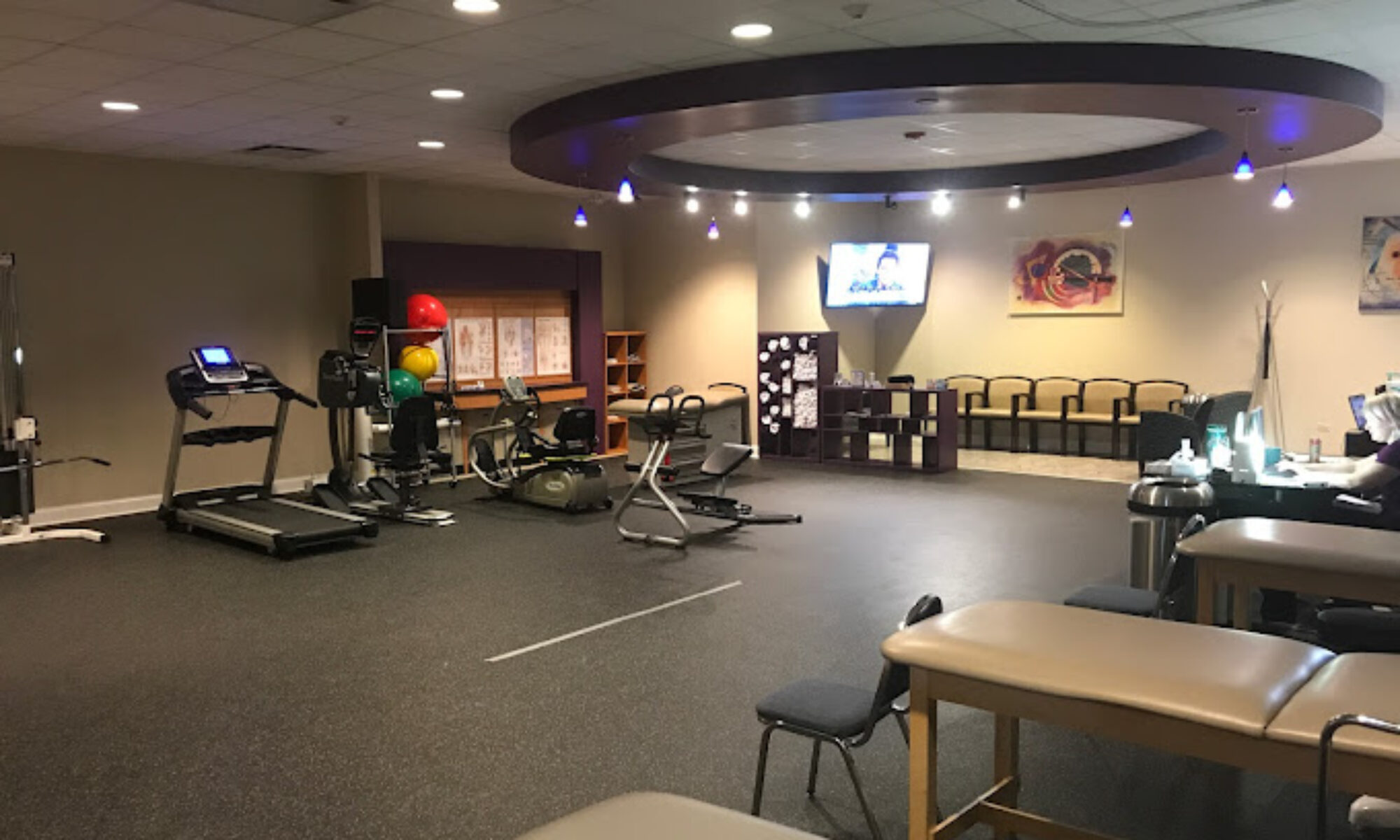

2. The Power of Physical Therapy
Physical therapy plays an essential role in recovery and rehabilitation. It involves treatments that aim to promote movement, relieve pain, and restore functional abilities. Physical therapists, or PTs, treat patients with a wide range of conditions, including accidents, illnesses, and chronic diseases that limit their ability to move and perform daily tasks.
A physical therapy appointment typically starts with an evaluation. The therapist will examine the patient’s medical history and assess their physical abilities. The evaluation’ll include tests on flexibility, balance, muscle strength, coordination, endurance, and movement.
Based on the initial assessment, the physical therapist will design a personalized treatment program for the patient. The program may include exercises designed to improve mobility, reduce pain, and restore function. PTs also educate patients about their condition and teach them exercises they can perform at home to enhance their treatment.
Techniques used in physical therapy include manual therapy, therapeutic exercises, and the use of assistive devices. Manual therapy refers to hands-on treatment and can include massage, mobilization, and stretches. Therapeutic exercises can improve a patient’s strength, range of motion, and flexibility. Assistive devices, such as braces, walking aids or wheelchairs, help patients navigate their daily activities while enhancing their mobility and independence.
3. Long-term benefits of physical therapy
Physical therapy plays a vital role in managing pain without the reliance on medications. It helps patients avoid surgery by enhancing their physical function and mobility. It aids in recovery from injury, promotes healing and reduces swelling.
Physical therapy can reduce the risk of developing chronic conditions and diseases, such as cardiovascular diseases, diabetes, and obesity. It can improve the quality of life by restoring the ability to perform daily tasks. It also enhances mental health as it boosts self-confidence and reduces anxiety and depression.
4. Innovative treatments in physical therapy
Physical therapy is continuously evolving, with new treatments and techniques emerging to improve patient outcomes. These innovative treatments range from advancements in assistive technologies to alternative therapies.
One of those advancements is Tele rehabilitation, which is the delivery of rehabilitation services via information and communication technologies. It offers remote monitoring and rehabilitation services, making therapy more accessible to patients.
Virtual reality (VR) is also gaining traction in the physical therapy space. It is used to create a simulated environment for patients to engage in physical activities. It can be particularly helpful for individuals who have suffered from a stroke or brain injury.
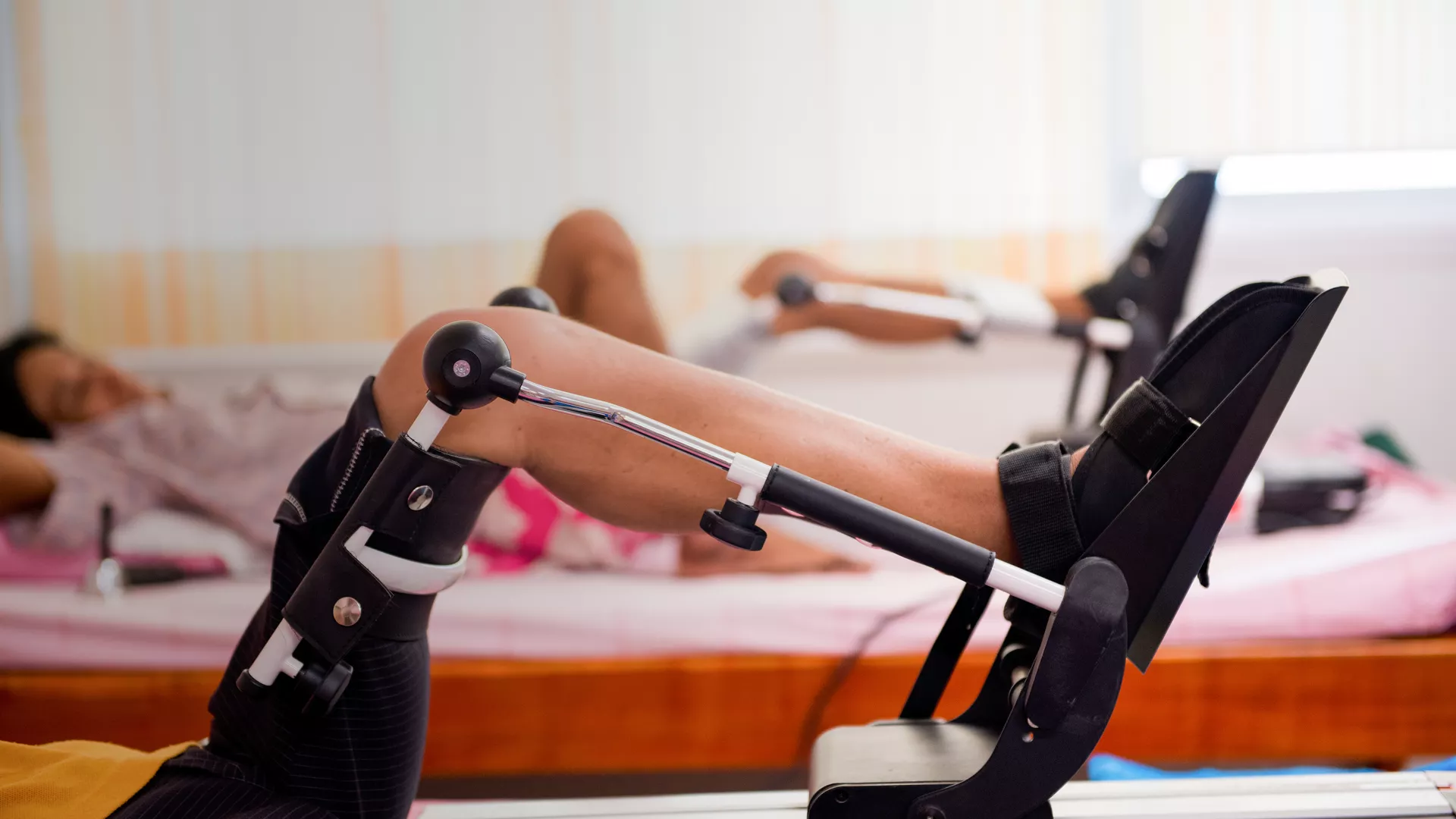
Robotic-assisted therapy is another exciting innovation in the field. It employs robots to assist in therapy sessions, helping patients regain mobility and strength.
5. Choosing the right physical therapy provider
Choosing the right physical therapy provider is crucial for successful treatment. It is recommended to select a provider that has a team of experienced therapists, advanced equipment, and a variety of services.
Patients should also consider the provider’s communication style, ensuring that they feel comfortable discussing their concerns and needs. The network and reputation of the provider is another important factor to consider.
Mayo Clinic is an example of a top-tier provider. They offer comprehensive physical medicine and rehabilitation services, backed by state-of-the-art facilities and a multidisciplinary team of experts. The clinic offers innovative treatments that use advanced technology and evidence-based therapies to ensure optimal patient outcomes.
6. Conclusion
Physical therapy is a powerful tool for rehabilitation, assisting individuals recovering from injuries or managing chronic conditions. Innovations in the field are transforming the way therapy is delivered, making it more accessible, efficient, and ultimately more beneficial for patients.
Mayo Clinic is a leader in the field, offering exceptional physical therapy services delivered by a team of experts. With state-of-the-art facilities and commitment to research, Mayo Clinic sets a high standard for patient-centered rehabilitation care. Ultimately, physical therapy is not just about recovery and alleviating pain, but about enhancing quality of life and empowering patients to achieve their maximum potential.
Title: Advances in Physical Therapy Services and Treatments
Physical therapy has long been recognized as a crucial part of healthcare, offering extensive benefits to individuals of all ages and health statuses. Recently, there has been a surge of attention towards physical therapy for cancer patients, with therapies known to improve strength, function, and independence both during and post-treatment. Based on recent online articles, this article delves into the transformative physical therapy services and treatments provided globally.
The foremost benefit of physical therapy for cancer patients is the ability to address several physical concerns, including weakness, balance issues, scar tissue, lymphedema, and limitations in range of motion. It also helps in guiding individuals on the correct use of rehabilitation equipment.
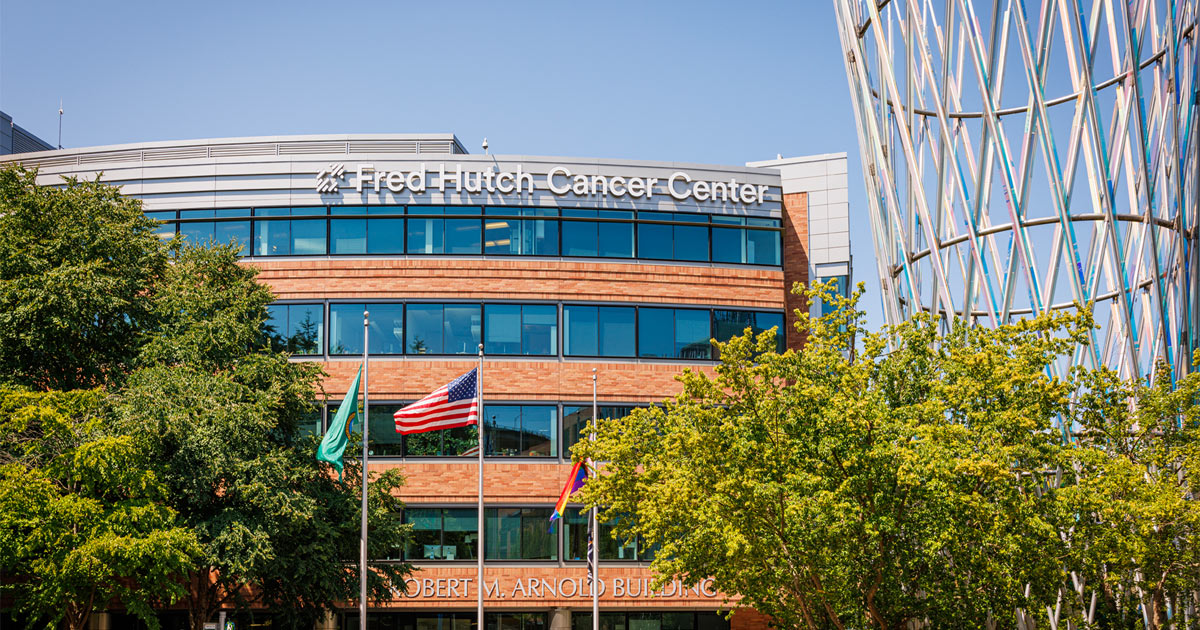
Physical therapy is an inter-professional collaborative care service involving physical therapists, physicians, physician assistants, and nurse practitioners. At prominent clinics like Fred Hutchinson Cancer Research Center (Fred Hutch), patients receive physical therapy on referral by one of these professionals. The physical therapy services at Fred Hutch are situated at their South Lake Union clinic’s fourth floor, where patients experience unparalleled expert care.
Oncology-specific physical therapy is a niche but essential healthcare service, especially for patients with secondary lymphedema. This service is offered by special physical therapists who have in-depth knowledge and training in oncology. Their nuanced understanding of the complexity of cancer conditions and the unique challenges these patients face sets them apart.
Apart from aiding in healing post-operation, physical therapy is a crucial component of the overall cancer treatment process, helping individuals maintain autonomy and uphold their quality of life. The combination of strength and balance exercises, manual therapy techniques, education, and functional training, developed with an understanding of the patient’s particular situation and goals, provides a holistic approach.
But the scope of physical therapy extends beyond oncology. Across different age groups, whether an individual is dealing with a chronic disease, recovering from surgery, or rehabilitating after an injury, physical therapy has proven to hold numerous benefits, with the most significant being pain management. Through a series of targeted exercises and hands-on care, physical therapists help patients manage or eliminate pain, reducing the need for surgery or long-term medication use.
The efficacy of these treatments goes beyond the immediate post-therapy period. Studies have shown improved mobility and displacement among patients long after the therapy periods end, proving the long-lasting benefits of physical therapy. For older patients, physical therapy can help improve balance and support coordination to prevent falls – a common incident among the elderly leading to severe injury.
However, the effectiveness of physical therapy outcomes is heavily reliant on patients’ active participation. Adherence to therapy protocols outside of therapy sessions is critical for maintaining and improving overall physical health. Practicing and maintaining exercises at home can facilitate recovery and ongoing physical resilience.
One of the most critical factors influencing the success of physical therapy treatments is customization. Every patient’s physical condition is unique, hence a one-size-fits-all approach would be ineffective. To this end, physical therapists conduct thorough assessments of patients’ physical health and medical history, ensuring that therapy sessions are tailor-made to meet individual needs and health goals. This personalized approach fosters patient satisfaction and improves treatment outcomes.
With the advancements in physical therapy services, such as the integration of technology in treatment and diagnosis, patients now have access to better quality care. The popularity of teletherapy, brought forth by the COVID-19 pandemic, has made physical therapy services accessible even from the confines of one’s home. With video calls and online consultations, patients can receive professional care and guidance without compromising their safety or comfort.
In conclusion, physical therapy, with its numerous benefits across different health conditions, age groups, and individual needs, has proven to be an indispensable part of healthcare. Its role in cancer treatment, especially, opens up new avenues in post-cancer care, showing how forward-thinking approaches can pave the way for improved patient outcomes. Despite the challenges posed by movement limitations and other health concerns, physical therapy consistently demonstrates its worth in supporting patients’ journey towards achieving their health goals.
Title: Enhancing Access to Physical Therapy Services & Treatments: A Close Look at the Innovative Steps from West Haven VA Medical Center
Introduction
Physical Therapy is an essential field that helps patients recover, rehabilitate, and maintain their physical abilities. Recently, there have been significant improvements in the provision of physical therapy services and treatments, particularly in the VA Connecticut Healthcare System. This article focuses on the developments in the West Haven VA Medical Center that enhance the accessibility of physical therapy services and treatments for veterans.
Transportation services for veterans
One of the innovative measures taken by the West Haven VA Medical Center is the facilitation of transportation services for veterans seeking physical therapy treatments. To resolve accessibility issues, the facility leverages both non-DAV and DAV van services, helping transport veterans and their caregivers to the medical center for scheduled appointments.
Specifically, these centers coordinate with Disabled American Veterans and other service providers to customize travel arrangements catering to each patient’s needs. Two key coordinators, Peter at VA West Haven and Don Davis at VA Newington, manage these services from 7 a.m. to 1 p.m. The dedicated coordinators ensure that transportation logistics do not hinder any veteran from accessing the essential physical therapies needed for optimal health.
Introducing the shuttle service
In addition, the VA Medical Center provides shuttle services across campuses to facilitate patients’ movement. Service runs on weekdays – except federal holidays – during normal business hours, ferrying patients between the Newington and West Haven campuses.
This shuttle service offers rides from the Newington campus at 10 a.m, arriving at West Haven by 11 a.m. There are two return trips from West Haven—for Newington at 12:30 p.m. and 5 p.m., reaching Newington at 1:30 p.m. and 6 p.m., respectively.
Remarkably, the Center also offers a shuttle service circulating between Leeds, Springfield, Newington, and West Haven. This wider coverage ensures increased accessibility for patients originating from different locations. Precise schedule details are openly available, and appointments can be made 48 hours before a therapy session.
Beneficiary Travel offering
Furthermore, the VA Medical Center presents the Beneficiary Travel offering, which covers round-trip transportation from home to the treatment center for eligible veterans. This measure aims to cut down any costs that might dissuade patients from receiving essential therapy. The program provides mileage reimbursement or special transport modes to mitigate commute challenges.
For those not eligible for these travel benefits, alternatives prevail in the local Van Service or shuttles organized by the VA Medical Center. The staff welcomes queries, ensuring that patients receive the necessary information about eligibility criteria and reservation processes.
Conclusion
The West Haven VA Medical Center ensures that physical therapy’s healing power is available to those who need it most, essentially to the servicemen and women recuperating from physical injuries or strains incurred during their devoted service to the nation. By addressing transportation challenges that might deny these veterans access to physical therapy, the Center exemplifies a robust healthcare system looking beyond treatment rooms.
Together, these varied transportation services from DAV vans, inter-campus shuttles to the Beneficiary Travel benefits provide an indispensable lifeline for veterans requiring physical therapy. They foster a patient-centric approach, making the path to recovery significantly more comfortable and encouraging constant strides towards improved health and well-being.
With assistance for seamless transportation, the West Haven VA Medical Center has optimally facilitated access to physical therapy treatments – a heartening measure that health providers worldwide can emulate to enhance care delivery.
Physical therapy, or physiotherapy, helps patients recover from illnesses, surgeries, and injuries. These treatments involve manual exercises and the application of therapeutic agents. With the increasing incidence of chronic diseases like arthritis and heart conditions, along with the global aging population, the demand for physical therapy services is high.
According to a recent market study, the global physical therapy market is projected to reach USD 186.90 billion by 2033 from USD 140.69 billion in 2025, growing at a CAGR of 3.61% during the forecast period (2025-2033). Key factors driving this growth include rising chronic health conditions, pervasiveness of sports injuries, increased awareness of physiotherapy benefits, and advances in technology.
A significant trend in the physical therapy sector is the use of robotics and artificial intelligence (AI) in rehabilitation. Physical therapists are now integrating AI-enhanced robots into their practices, making physiotherapy more precise, personalized, and engaging, especially for post-stroke rehabilitation and neurological conditions. BIONIK Laboratories, for example, uses its InMotion therapy system, an AI-enhanced robot, to assist stroke patients in their recovery.
Another significant trend is the use of tele-rehabilitation and digital platforms. These technologies make physical therapy services accessible to patients remotely, allowing them to consult with their therapists and follow personalized exercise programs at home. Digital platforms like Physitrack and Rehab My Patient provide data-driven insights, making treatment plans more tailored to individual patients.
Increased adoption of sports medicine and rehabilitation is another significant trend driving the growth of the physical therapy services market. Athletes, both amateur and professional, depend on physical therapists for recovery from sports-related injuries. Moreover, physicians are increasingly recommending physiotherapy instead of invasive procedures for musculoskeletal issues. Non-surgical interventions like physiotherapy have shown significant improvements in patient outcomes.
One restraining factor for the market growth is the high cost of physical therapy services. This financial constraint may prevent many patients from accessing the necessary rehabilitation services, affecting their recovery and health outcomes. However, businesses in the industry are combating this through the expansion of home-based therapy programs. These services cater particularly to elderly or immobile patients who struggle to visit clinics regularly and allow for personalized rehabilitation in the comfort of their own homes.
In the regional analysis, North America dominates the global market due to its robust healthcare infrastructure and widespread insurance coverage. In contrast, Asia-Pacific is expected to experience the fastest CAGR due to rapid economic growth in countries like China, India, and Japan, which has led to increased healthcare expenditures.
Among different market segments, orthopedic therapy dominates the global market due to the increasing incidence of musculoskeletal disorders and injuries. By end-users, outpatient clinics lead the market because of their convenience and accessibility.
Key players in the global physical therapy market include Athletico Physical Therapy, Physical Rehabilitation Network (PRN), Select Medical Corporation, Kessler Rehabilitation Center, and Drayer Physical Therapy, among others.
In conclusion, the physical therapy services market is expected to grow significantly in the coming years, fueled by increased awareness of physiotherapy benefits, a rise in chronic health conditions, an aging global population, and technological advancements in the field. The industry will also continue to evolve with the integration of robotics, AI, and digital platforms, resulting in more precise and personalized therapy experiences for patients.
Telerehabilitation has emerged as a major trend in physiotherapy during the COVID-19 pandemic, as highlighted in a survey exploring physiotherapists’ experiences of providing services in such a way during the health crisis. Usually, physiotherapy involves one-on-one, in-person sessions where clinicians conduct manual interventions to address various physical impairments. However, the pandemic has necessitated a swift pivot to telerehabilitation, using phone and videoconferencing for both assessment and treatment.
The survey, which included responses from 75 physiotherapists, found that prior to the pandemic only 24% of them delivered services via phone and merely 5.3% used videoconferencing. These figures significantly increased during the pandemic to 73.3% and 77.3% respectively. The shift toward telerehabilitation sparked amongst physiotherapists a substantial debate regarding the efficacy of treating patients without the traditional manual techniques.
One of the major findings of the survey was that a majority of physiotherapists found videoconferencing to be more effective than phone consultations, with less than half considering it an effective platform for treating pain, upper extremity function, or strength/range of motion. Furthermore, only 29.3% felt they could successfully treat walking balance or mobility via videoconference. Ensuring patient safety emerged as a major concern, limiting the treatment program for a substantial percentage of physiotherapists.
Other barriers included the lack of access to technology for some clients, difficulty for clients living alone, and technical issues related to equipment and internet stability. Despite these challenges, over half of the participating physiotherapists expressed an intention to continue incorporating telerehabilitation in their practice after the pandemic.
The study underscores the need for further evaluation of telerehabilitation’s effectiveness and suggests it could be a useful tool for treating certain conditions and carrying out follow-ups. However, it also exposes potential issues related to patient safety, access to technology, and the added burden on healthcare providers. While telerehabilitation might be an efficient way to engage caregivers in the treatment process, it also emphasized the potential additional burden it may impose.
In conclusion, telerehabilitation has proven to be a pivotal tool for delivering physiotherapy services amidst a global pandemic. Still, the shift towards long-term integration of such services will require addressing the identified barriers and challenges to create a more inclusive, effective, and safer treatment environment. Future studies should be directed towards developing methods and guidelines for enhancing the effectiveness of telerehabilitation and identifying the specific conditions and treatments it can most efficiently address.
Physical therapy (PT) interventions can considerably improve the quality of life for men undergoing radical prostatectomy (RP), even though few such programs currently exist, according to a case report in the Physical Therapy & Rehabilitation Journal. RP serves as the primary surgical treatment for prostate cancer patients, suggesting the potentially wide-ranging value of such a PT initiative.
Researchers in the case study sought to shed light on how PT services specifically tailored to this under-served demographic of prostate cancer patients could be implemented effectively. The established program featured an assessment and treatment protocol harnessing transperineal ultrasound, pelvic floor exercises, and individualized patient education, with an aim to decrease incontinence recovery time and enhance postoperative quality of life.
Twenty-four patients, with an average age of 64, were referred to the postoperative PT service by four surgeons; eight of these patients received both preoperative and postoperative services. This cohort was predominantly part of a rural health care ecosystem in America’s Midwest. Typically, patients would avail of two postoperative PT appointments, initiated around 20 days following surgery. For the eight patients who also received preoperative PT services, these commenced an average of 21 days before surgery.
Observations highlighted a considerable perceived decrease in quality of life in the timespan between the first preoperative visit and the first postoperative one: patients’ Incontinence Questionnaire-Urinary Incontinence Short Form (IQ-USF) and the Expanded Prostate Cancer Index Composite for Clinical Practice (EPIC-CP) scores significantly worsened. However, these measures improved markedly between the first and final postoperative PT appointments. Additionally, twelve of the patients completed an associated satisfaction survey, which gauged a high average score of 9.3/10 in relation to their contentedness with the PT services.
To ensure the implementation and success of the PT program, researchers engaged with key stakeholders including urologists, nurses, hospital administrators. This included making them aware of the benefits of PT interventions in this population. The purchase of transperineal ultrasound equipment and training for PTs also enjoyed supportive administrative backing.
That being said, the authors have recommended further investigation to examine the broader effects of PT services for individuals undergoing RP. They acknowledge that their findings are limited to data from one healthcare system in North Dakota and that there could be potential factors beyond PT intervention that influenced postoperative incontinence. Fundamental to this new perspective on PT is the scope it offers physical therapists to deliver high-quality, evidence-based care to prostate cancer patients who previously had limited support options.
To further deepen the understanding and application of PT treatments for male pelvic health, the American Physical Therapy Association offers an online course, the “3 Must-Know Secrets for Treating Male Pelvic Health,” available on its learning center’s platform.
The global physiotherapy services market is projected to reach US$79.34 billion by 2031, up from an estimated US$55.23 billion in 2024, according to a report by Coherent Market Insights. The forecasted CAGR is 5.3% from 2024-2031 and a significant factor attributed to this growth is the rising prevalence of chronic diseases like cardiovascular diseases, diabetes, cancer, and respiratory diseases. The World Health Organization (WHO) stated that chronic diseases accounted for about 70% of all deaths worldwide in 2019.
The growing global geriatric population (aged 65 years or above), expected to reach 1.5 billion by 2050 up from 703 million in 2019, is also a big factor contributing to this growth. This section of the population is more susceptible to musculoskeletal disorders, leading to an increased demand for physiotherapy services.
The physiotherapy market is witnessing an emerging trend with growing adoption of evidence-based physiotherapy practices aimed at ensuring effectiveness and standardization of treatment procedures. As per a 2021 study published in the Brazilian Journal of Physical Therapy, more than 90% of physiotherapists were incorporating evidence-based practices in their treatment approaches.
There is also an increasing use of digital healthcare tools for physiotherapy treatments. Technologies like telerehabilitation, virtual reality, 3D motion sensors, and wearable sensors are adopted by physiotherapists to improve accessibility and engagement in rehabilitation programs for patients.
Cardiopulmonary physiotherapy is reported to be the dominant segment, accounting for over 30% of the global market in 2024. The segment’s growth can be attributed to the rising prevalence of cardiovascular and pulmonary diseases worldwide. Physiotherapy plays a critical role in the treatment and management of various heart and lung conditions like heart failure, chronic obstructive pulmonary disease (COPD), and asthma. Physiotherapy lends a helping hand in improving cardiorespiratory endurance, muscle strength, flexibility, and overall functionality of patients suffering from these diseases.
The geriatric population segment is anticipated to witness the highest growth during the forecast period. This growth is attributed to the growing aging population dealing with mobility issues, musculoskeletal disorders, and age-related health conditions requiring physiotherapy. The UN estimates suggest that the population aged 60 years and above is expected to reach nearly 2.1 billion by 2050 from 1 billion in 2020. Physiotherapy can contribute significantly in improving balance and coordination, managing pain and enhancing the quality of life for the elderly.
A key takeaway from the report suggests that the global physiotherapy services market is anticipated to witness a CAGR of 5.3% during the forecast period 2024-2031 due to the increasing prevalence of chronic diseases and rise in sports and accident-related injuries worldwide.
Regarded on the basis of physiotherapy type, the cardiopulmonary physiotherapy segment is estimated to account for over 30% of the market share in 2024. This projection comes from the increasing burden of cardiovascular and pulmonary disorders.
Based on service providers, the hospitals segment is expected to hold the major market share during the forecast period, due to the increasing number of physiotherapy departments being established in hospitals.
Geographically, North America is set to dominate the forecast period, attributed to advanced healthcare infrastructure and increasing healthcare expenditure.
The report also highlights several key market players, including ProRehab Physical Therapy, Physiotherapy Associates, Encompass Health, Upright Health, Select Medical Corporation, Rehacare, Celtic Healthcare, ATI Physical Therapy, GymnaUniphy, The Movement Clinic, Fyzical, Aspetar, Athletico Physical Therapy, Physitrack, and Apollo Hospitals Enterprise Ltd.
Recent developments in the market include the addition of mobile physiotherapy to the service offerings of Movement Solutions in November 2022, and Pure Physiotherapy announcing the establishment of a new Rochdale facility in February 2022.
Coherent Market Insights is a global market intelligence and consulting organization providing syndicated research reports, customized research reports, and consulting services across various domains.
Sources:
 Physical Medicine and Rehabilitation – Overview
 Benefits of Physical Therapy
 West Haven VA Medical Center | VA Connecticut Health Care | Veterans Affairs
 Physical Therapy Services Market Share & Growth Report 2033
 A survey of the experiences of delivering physiotherapy services through telerehabilitation during the COVID-19 pandemic
 From PTJ: How to Implement PT Services for Men Undergoing Radical Prostatectomy
 Global Physiotherapy Services Market to Reach US$ 79.34 Billion by 2031, Coherent Market Insights

