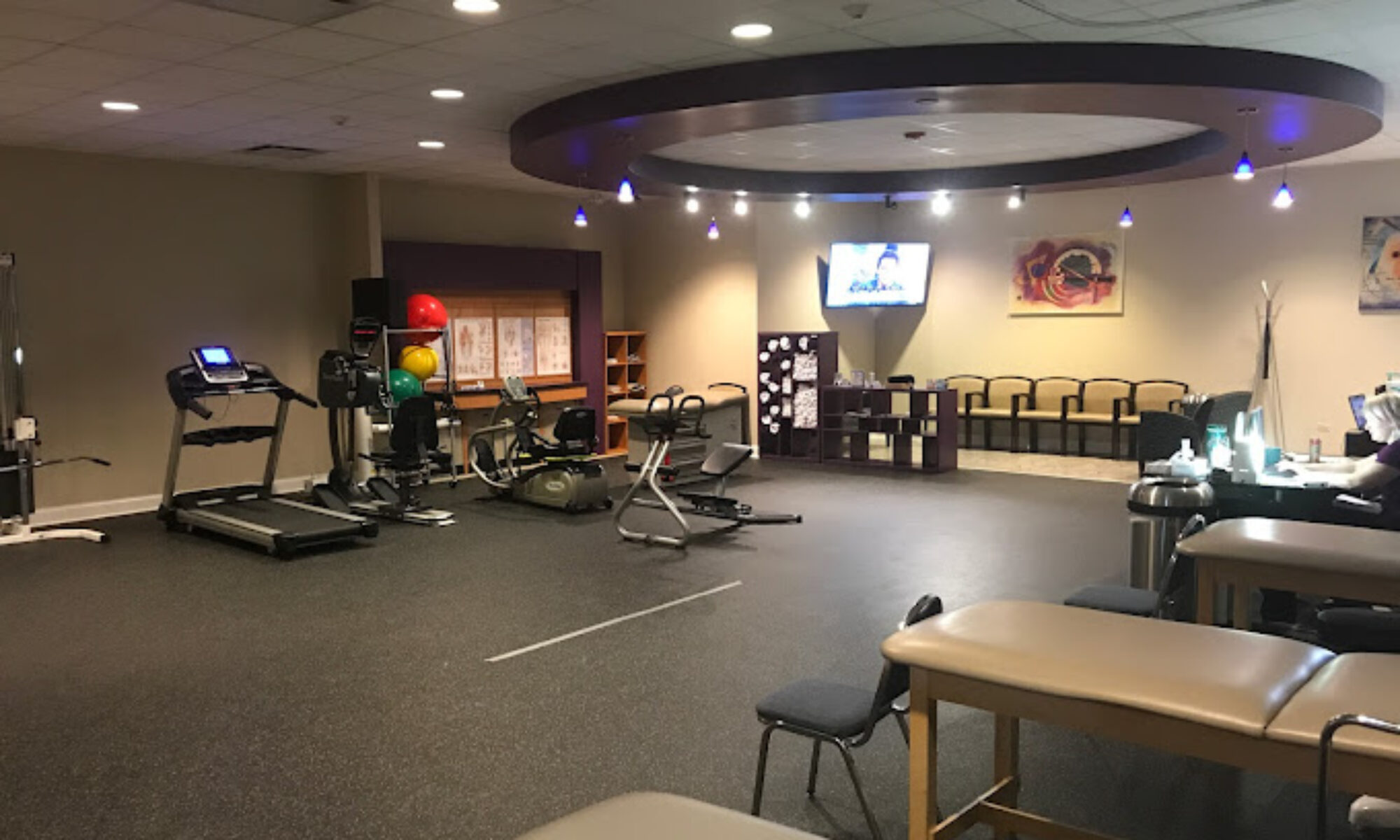

Physical Therapy Services and Treatments: An Overview
Physical therapy is a vital component in healthcare encompassing many specialized techniques targeted at treating a wide array of medical conditions impacting mobility and quality of life. Mayo Clinic, a prominent medical practice with campuses spanning several locations in the United States, offers exceptional physical medicine and rehabilitation services that focus on restoring function and movement in individuals affected by disease or injury.
Mayo’s PM&R physicians are well-versed in diagnosing and treating conditions affecting the brain, spinal cord, nerves, and musculoskeletal system. They approach each treatment with an emphasis on restoring function and capabilities that are individualized to the needs and goals of their patients who suffered from traumatic or nontraumatic injuries.
The clinic offers bone, muscle, and soft tissue therapies, adaptive athlete medicine, pediatric rehabilitation, and specialized treatment for e-sports and gaming-related injuries. Regardless of the complexity of a patient’s condition, Mayo clinic’s PM&R specialists combine their expertise with cutting-edge technologies to craft comprehensive rehabilitation plans that prioritize the patient’s recovery and return-to-function journey.
COVID-19 has changed healthcare practices globally, necessitating a transition from in-person sessions to telerehabilitation for physical therapy services. A survey conducted among physical therapists explored their adaptation to this new medium of service delivery amid the pandemic. It found that delivering physiotherapy services through telerehabilitation technology created unique challenges since the profession frequently involves hands-on assessments and treatments.
The survey’s data was collected from 75 physical therapists and revealed that the use of a phone for delivering physiotherapy increased from 24.0% to 73.3%, while videoconferencing increased from 5.3% to 77.3%. Therapists found video conferencing a more effective mode of delivery than a phone. Technical challenges persist, with 90.7% of the therapists reporting that their patients had trouble feeling comfortable with the equipment, and 76.0% experiencing problems with webcam positioning.
Despite these challenges, most physiotherapists said they would continue using telerehabilitation to meet patient needs, with 54.7% willing to do so via a phone, and 68.0% open to using videoconferencing, post pandemic.
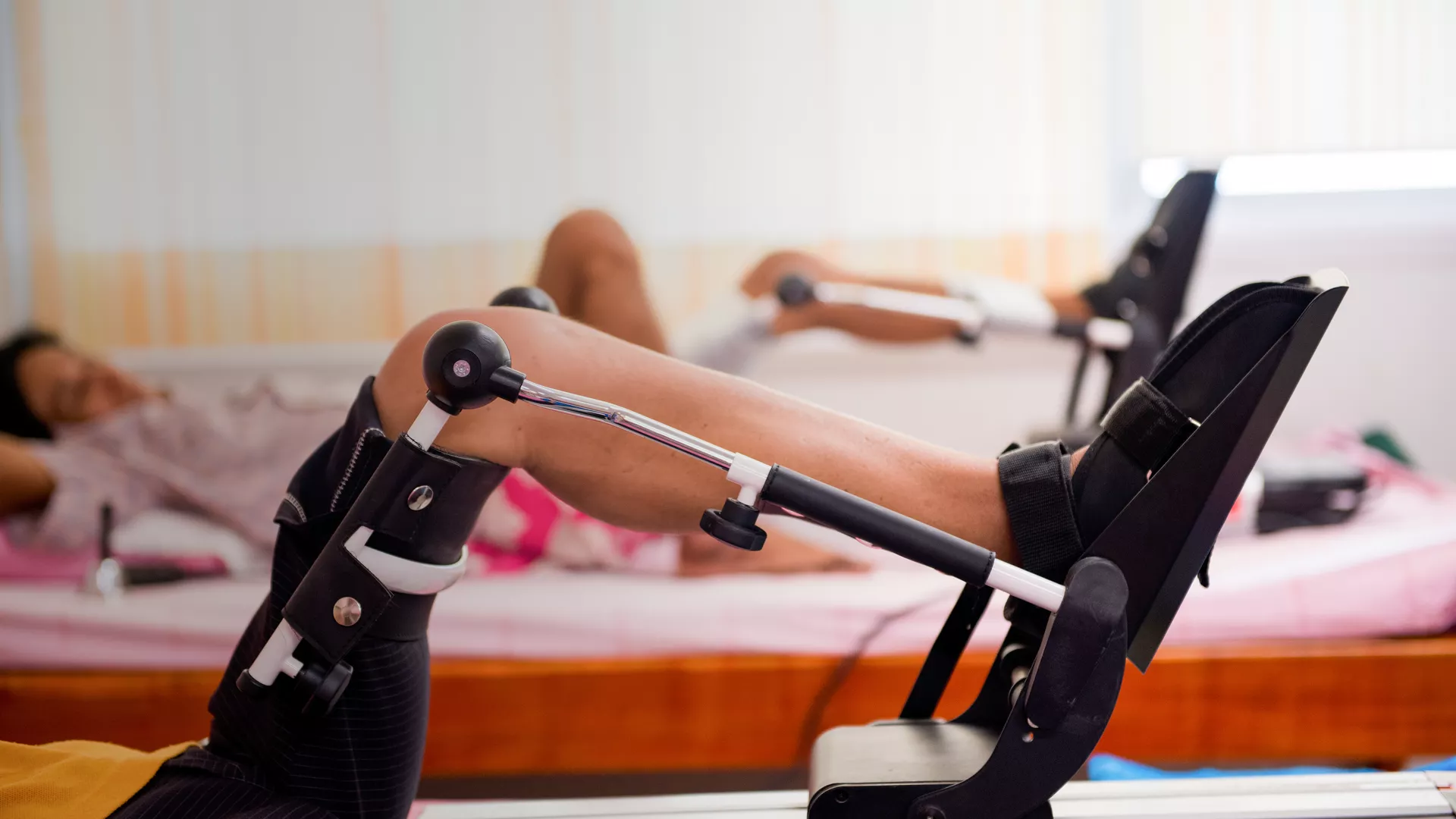
Mayo Clinic’s PM&R adopts advanced technologies to further the science of rehabilitation. Their applications range from using 3D computer technology and printing for crafting hand/wrist braces to functional electrical stimulation and advanced prosthetic options for people with amputations. The initiative also focuses on building patient education, helping them comprehend their medical condition and rehabilitation care better.
This switch to telerehabilitation, despite its challenges, shows potential for the future for continuity of care for those who may not be able to access in-person treatment. While the abrupt shift to telerehabilitation during COVID-19 brought technical and practical challenges, it also revealed the potential for a wider spread of healthcare services, breaking the geographical barriers that earlier posed as challenges.
Mayo Clinic’s successful utilization of PM&R therapies and treatments combined with the surge in telerehabilitation due to the pandemic paints an exciting picture for the future of physical therapy.
Physical therapy (PT) services have seen increased recognition over recent years, particularly with men undergoing radical prostatectomy and patients of chronic diseases. Clinically driven physiotherapy company, Pure Physiotherapy, and Movement Solutions, a provider of physiotherapy service, massage, and movement classes, are significant players in this growing industry.
In terms of the former, a recent case study highlighted the benefits of PT for men undergoing radical prostatectomy. The study found that these men were not routinely referred to PT services, and those who received care often had a program designed to treat women with urinary incontinence. A new tailored PT program was developed, based on 10 online training sessions and two in-person trainings. The program incorporated transperineal ultrasound, pelvic floor exercises, as well as individual patient education.
While initial scores showed a worsening in patients’ quality of life post-surgery, significant improvements were observed by the last postoperative PT visit. Implementing PT services for these patients presents a chance for physiotherapists to offer high-quality, evidence-based care to an underserved population in the USA, the authors suggest. The study is limited, however, calling for future research to assess wider effects of PT services on this patient group.
On a global scale, the physiotherapy services market is expected to reach $79.34 billion by 2031, according to Coherent Market Insights. The increase is attributed to the rising prevalence of chronic diseases such as cardiovascular diseases, diabetes, cancer, and respiratory diseases. Ageing populations and growth in sport and accident-related injuries are also contributing factors.
The use of digital healthcare tools such as telerehabilitation, virtual reality, 3D motion sensors, and wearable sensors are increasingly adopted to improve patients’ engagement in rehabilitation programs. The cardiopulmonary physiotherapy segment is expected to dominate the market, due to the rising prevalence of cardiovascular and pulmonary diseases and effectiveness of physiotherapy in managing these conditions.
A rise in the geriatric population is predicted to fuel growth, with physiotherapy services helpful in managing pain, mobility issues, and age-related health conditions of the elderly. The paediatric segment is also expected to grow substantially due to active participation of kids in sports activities.
North America looks set to dominate this market, courtesy of its advanced healthcare infrastructure and increased healthcare expenditure. Meanwhile, key competitors include ProRehab Physical Therapy, Physiotherapy Associates, and Encompass Health, among others.
Overall, the rising recognition of PT services is a positive step towards ensuring that people undergoing surgery and those suffering from chronic diseases can improve their quality of life, manage pain and stay active.
Sources:
 Physical Medicine and Rehabilitation – Overview
 A survey of the experiences of delivering physiotherapy services through telerehabilitation during the COVID-19 pandemic
 Jacksonville North VA Clinic | VA North Florida/South Georgia Health Care | Veterans Affairs
 From PTJ: How to Implement PT Services for Men Undergoing Radical Prostatectomy
 Global Physiotherapy Services Market to Reach US$ 79.34 Billion by 2031, Coherent Market Insights

