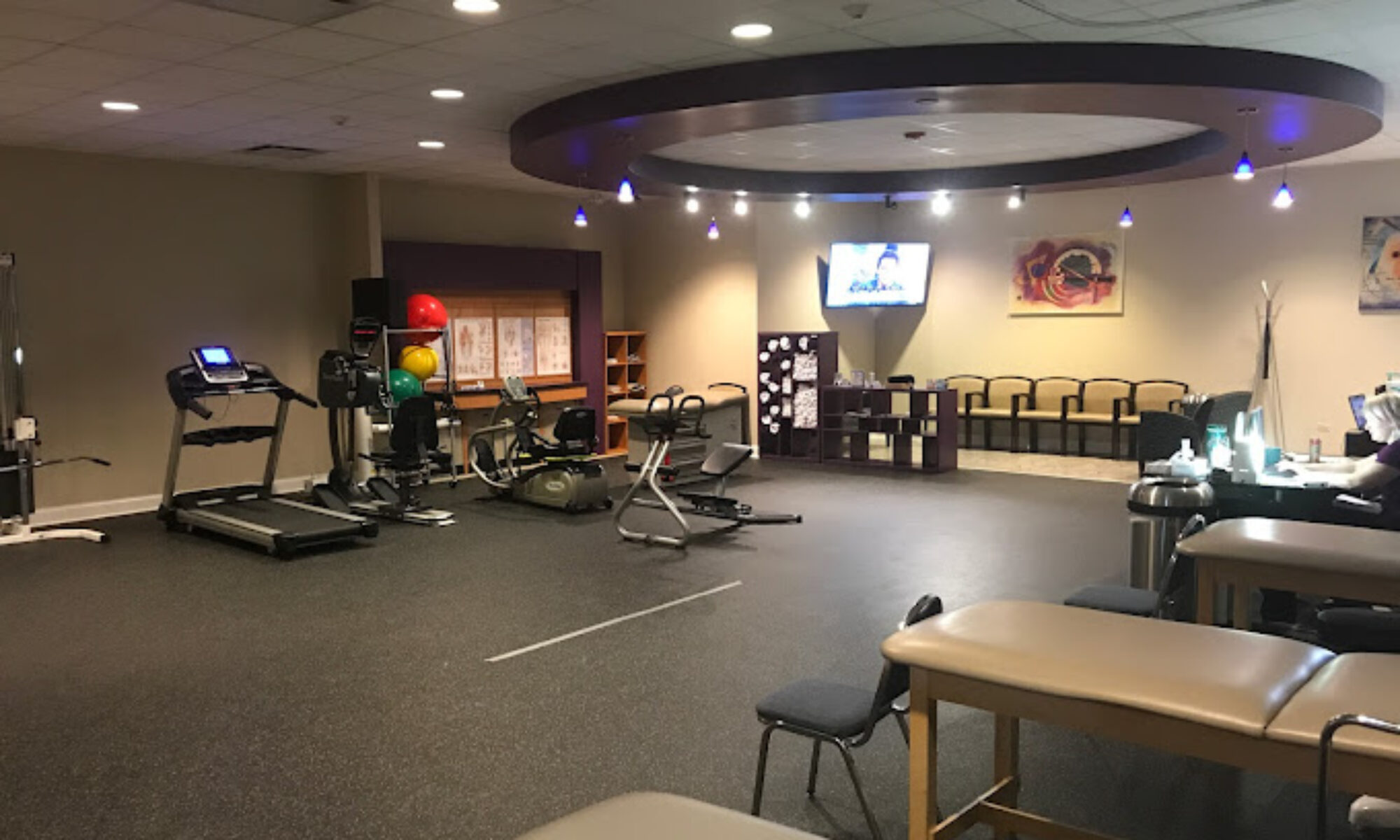

Physical Medicine and Rehabilitation (PM&R), a pivotal part of modern healthcare, assists individuals whose movement and function are hindered by diseases or injuries. Using cutting-edge technology, specialists in PM&R diagnose and treat a wide range of medical conditions that impact the brain, spinal cord, nerves, and the musculoskeletal system. A heavily individualized approach drives the treatment and rehabilitation, centering the patient’s unique needs, abilities, and objectives. This technique aids in regaining the best functional options for the patient’s quality of life, optimizes muscle use, helps in retraining mental pathways, and boosts their overall capabilities.
Mayo Clinic is a leading institution in providing PM&R services with teams dedicated to treating both traumatic and non-traumatic injuries. Patients are actively involved in their own medical decisions, working directly with PM&R providers to create medical plans based on detailed reviews of medical images and physical examinations. Bone, muscle, soft tissue therapies, Gaming and Esports Medicine, Adaptive athlete medicine, and Pediatric Rehabilitation are among the many specialized treatments available.
PM&R specialists at Mayo Clinic offer both short-term and long-term care programs to match the specific needs of the patient. Multidisciplinary teams, consisting of physicians, therapists, advanced care providers, and nurses work in concert to ensure a comprehensive and timely recovery. Thousands of people seek the expert physicians, therapists, and advanced practice providers at Mayo Clinic each year to avail themselves of the state-of-the-art medical treatments, nonsurgical options, and advanced therapeutic expertise available there.
Another crucial aspect of PM&R at Mayo Clinic is its dedication to research in the advancement of rehabilitation science. The Assistive and Restorative Technology Laboratory (ART Lab) is specifically geared towards therapy and testing procedures that leverage modern technology. These include 3D computer technology for hand/wrist braces, assistive technology for spinal cord injuries, walking assessments in the Motion Analysis Laboratory, functional electrical stimulations, and advanced prosthetic options for amputees.
With a worldwide reputation for expertise, Mayo Clinic offers care through its PM&R specialty across campuses in Arizona, Florida, and Rochester, Minnesota. A multidisciplinary team of professionals including physical therapists and occupational therapists collaborate to deliver precise, individualized care. Services extend beyond these campuses to Mayo Clinic Health System locations in Minnesota, Wisconsin, and Iowa.
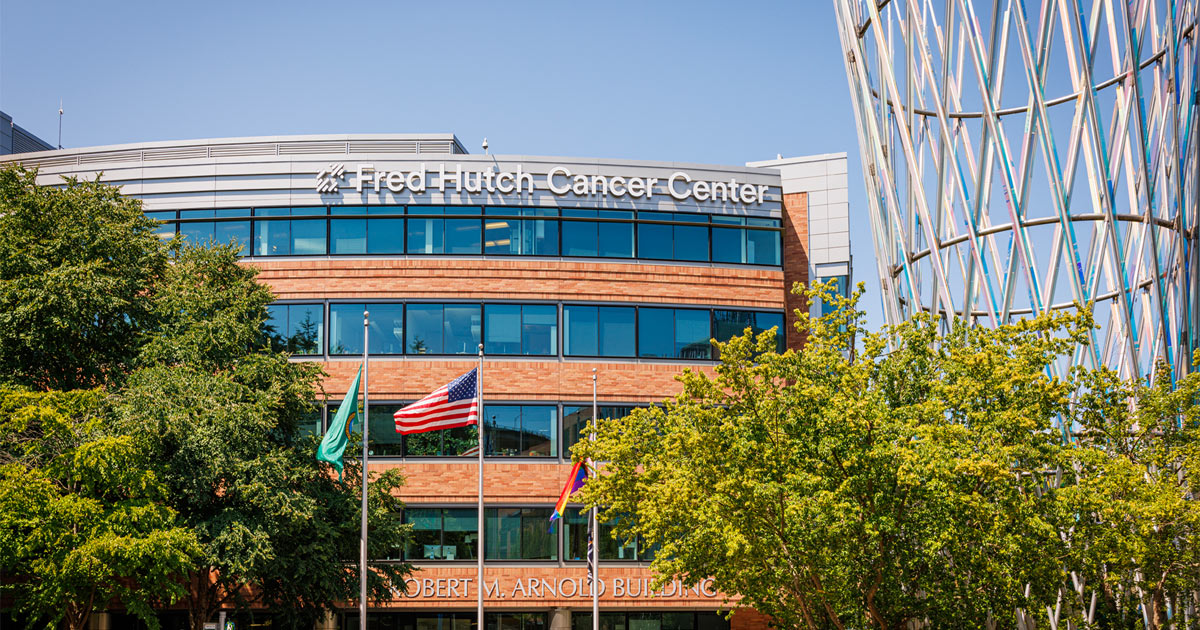
Physical therapy is another crucial component of rehabilitative care, it is highly beneficial not just for typical muscular and skeletal issues but also for patients diagnosed with cancer. Physical therapy addresses concerns related to weakness, balance, scar tissue, lymphedema, and range of motion, resulting in improved strength, function, and independence during and after cancer treatment. For this service, Fred Hutch patients require referral from a physician, physician assistant or nurse practitioner. The physical therapy clinic is located in South Lake Union clinic, specializing in oncology, also treating patients affected by secondary lymphedema.
In conclusion, PM&R and physical therapy services are transforming patient outcomes in healthcare. Institutions like Mayo Clinic and Fred Hutch are leading the charge with a combination of individualized care, advanced therapeutic expertise, and innovative technologies. Adopting such treatments can go a long way in ensuring recovery and improving the quality of life of many patients, even those combating menacing diseases like cancer. For such therapies, a combination of the right equipment, specialized personnel, and broad-based understanding of the patients’ unique medical needs is vital. This comprehensive system offers a wide scope in managing an array of conditions, from muscular and skeletal issues to more severe neurological disorders, cancers, and post-traumatic impairments.
Title: Technological Advances and Growing Awareness Driving the Physical Therapy Services Market
Physical therapy services have grown significantly in recent years with a focus on enhancing patients’ physical function, mobility, and quality of life. These services are delivered by licensed physical therapists tailoring care plans to patients suffering from injuries, chronic illnesses, and requiring post-surgical rehabilitation. As global demographic trends lean towards an aging population, chronic conditions like arthritis fuel the escalating demand for these services.
The global physical therapy services market, valued at $134.92 billion in 2024, is projected to leap to $186.90 billion by 2033, growing at a CAGR of 3.61% in the 2025-2033 period (Physical Therapy Services Market Share & Growth Report 2033).
A major catalyst in this expansion is technological improvements that address the need for remote consultations and home-based care delivery. Innovative solutions include integrating AI and robotics into rehabilitation practices, providing personalised and engaging therapy experiences. BIONIK Laboratories illustrates this trend through its InMotion therapy systems designed to enhance motor recovery for stroke patients using AI-generated insights for tailoring therapy regimens.
Another technological stride is the rise of tele-rehabilitation and digital platforms, such as Physitrack and Rehab My Patient. These online tools allow therapists to create custom exercise programs that patients can comfortably complete at home. Engaging features like gamification encourage adherence resulting in improved outcomes.
The increasing interest in sports and fitness has equally escalated the demand for physical therapy services. Athletico Physical Therapy is a prime example, providing rehabilitation programs designed for athletes, focusing on injury prevention, performance enhancement, and post-injury recovery.
Despite promising trends, high costs pose significant barriers to accessing these services across the globe. In countries without universal healthcare, therapy expenses often limit the number of sessions a patient can afford. For instance, American insurance companies regularly set caps on the number of sessions they cover, forcing patients to shoulder the remaining expenses or stop therapy prematurely.
Nevertheless, the growing preference for home-based care and the rising influence of telehealth have created opportunities for home-based physiotherapy services expansion. Companies offering these services like Portea (India) and Luna (USA) have seen an increase in demand, particularly among the elderly and surgery recovery patients.
In regional analysis, North America dominates the market due to the high prevalence of musculoskeletal disorders and chronic conditions coupled with a robust healthcare infrastructure and extensive insurance coverage. On the other hand, the fastest-growing region with the highest CAGR is Asia-Pacific, credited to rapid economic growth and increased healthcare expenditure in countries like China, India, and Japan.
In the global landscape, key market players are adopting strategic collaborations, acquisitions, and partnerships to strengthen their service portfolios and expand their geographical reach. An example is Drayer Physical Therapy, an emerging player renowned for its network of outpatient clinics offering a variety of services including in-clinic and telehealth options. Iniming at accommodating the growing need globally, the company in November 2023 opened a new outpatient clinic in Erie, Pennsylvania.
The physical therapy services market, now driven by technological advancements and heightened awareness of the sector’s benefits, shows promise for rapid global expansion. Despite considerable hurdles such as high costs, the sector continues to discover growth opportunities through adaptability and recognizing emergent patient needs.
Physiotherapy Services and Treatments
Exploring the COVID-19 Impacts and Evolutions
Introduction
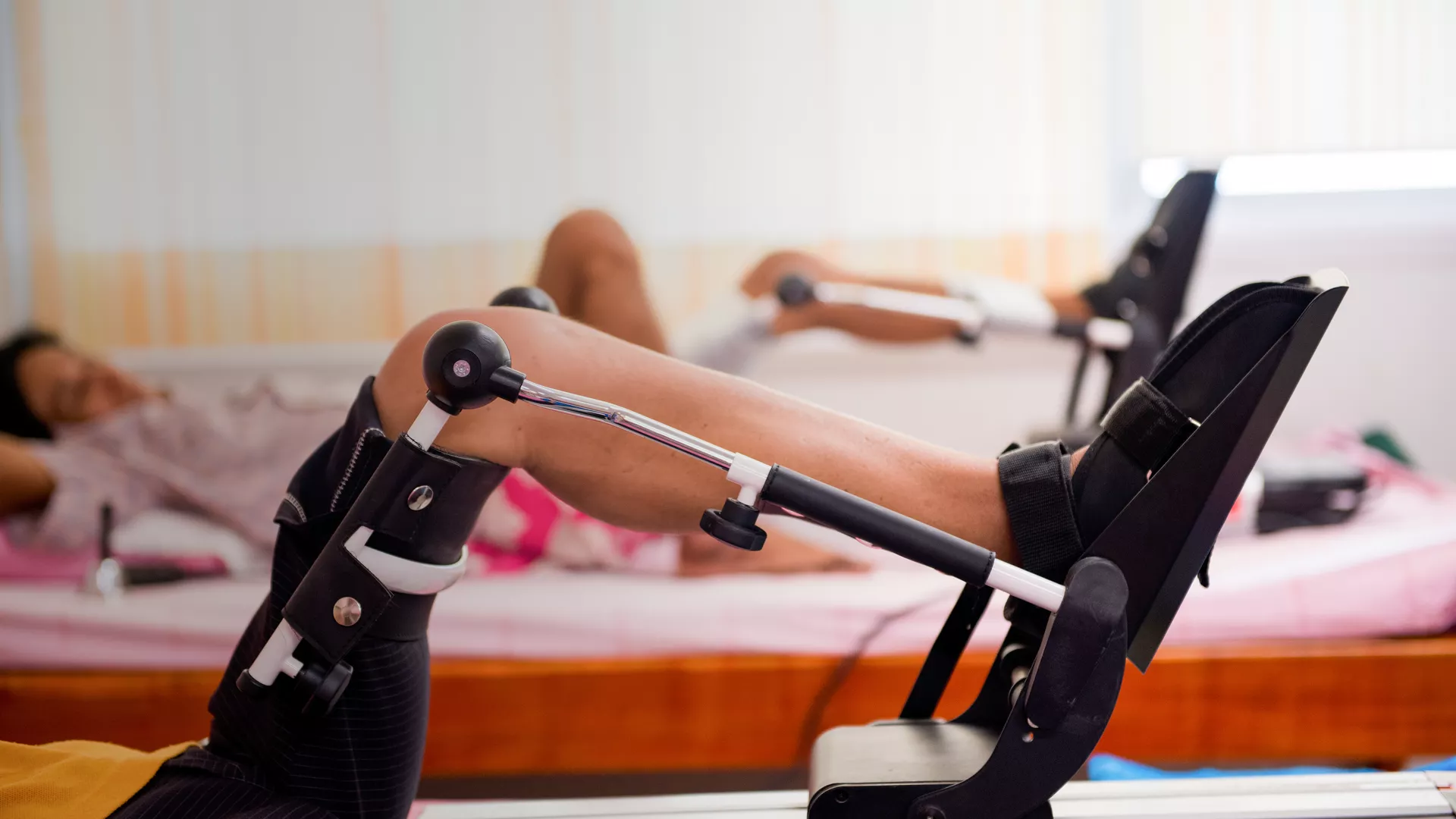
The COVID-19 pandemic has had a significant impact on physiotherapy services, prompting a swift transition to telerehabilitation (remote physiotherapy). The shift was necessitated by restrictions limiting face-to-face services and compelling physiotherapists to administer care through digital platforms. Generally, physiotherapy involves physical assessment and treatment, typically delivered through hands-on guidance or supervision. Therefore, the sudden pivot raised important questions about the effectiveness of remote physiotherapy delivery. This report focuses on the experiences of physiotherapists during the pandemic and their perceptions of telerehabilitation, drawing from a study conducted amongst physiotherapists within the Vancouver Coastal Health (VCH) authority.
Adaptation and Implication of Telerehabilitation
Among 75 participating physiotherapists in this study, there was a dramatic increase in the use of phone and video conference services, rising from 24% and 5.3% pre-pandemic to 73.3% and 77.3% during the pandemic, respectively. However, the effectiveness of these services in managing various conditions was variable. A notable finding was that less than half (49.3%) believed they could effectively manage pain through videoconferencing, while only 29.3% felt they could address balance or mobility issues.
Despite these challenges, a significant portion of physiotherapists anticipated continuing to use telerehabilitation post-pandemic, with 54.7% planning to use phone services and 68.0% videoconferencing. This transformation reveals the potential for further integration of digital solutions in physiotherapy
Modern Trends in Physiotherapy: Evidence-Based Practice and Digital Health Tools
Despite the challenges, the pandemic has fostered innovation in the delivery of physiotherapy services, promoting the emergence of new trends. Notably, the adoption of digital health tools such as virtual reality, 3D motion sensors, and wearable sensors has become more widespread. These technologies have the potential to revolutionize physiotherapy, enhancing patient accessibility and engagement in rehabilitation programs.
In addition, evidence-based physiotherapy practices, where treatment procedures are standardized based on proven effectiveness, are also emerging as a significant trend. The use of such practices helps ensure that patients receive the most effective treatment regardless of location, further highlighting the potential of telerehabilitation in physiotherapy.
The Future of Physiotherapy
Despite various hurdles and continuing debate about the effectiveness of telerehabilitation in certain areas, the trend toward remote services is likely to persist. Present data indicates that integrative practices combining in-person and remote physiotherapy might be the future of the profession.
As digital health technology continues to evolve, it is likely to offer even more possibilities for remote physiotherapy, potentially improving the management of many conditions. However, a core challenge remains accessibility, and not all patients have access to these digital platforms, particularly older adults who require physiotherapy services.
Conclusion:
The COVID-19 pandemic has provided a unique opportunity to explore the potentials and limitations of telerehabilitation. While it has revealed the convenience and potential of these digital platforms for patient care, it has simultaneously highlighted accessibility challenges and questions on the effectiveness of such services for certain conditions. However, with continuous technological advancement, there is hope that the benefits of telerehabilitation will extend to a broader range of patients, ultimately improving the accessibility and quality of physiotherapy services. Ultimately, the future of physiotherapy appears to be a blend of in-person and remote services, working in synergy to provide comprehensive and effective patient care.
Sources:
 Physical Medicine and Rehabilitation – Overview
 Benefits of Physical Therapy
 West Haven VA Medical Center | VA Connecticut Health Care | Veterans Affairs
 Physical Therapy Services Market Share & Growth Report 2033
 A survey of the experiences of delivering physiotherapy services through telerehabilitation during the COVID-19 pandemic
 Global Physiotherapy Services Market to Reach US$ 79.34 Billion by 2031, Coherent Market Insights

