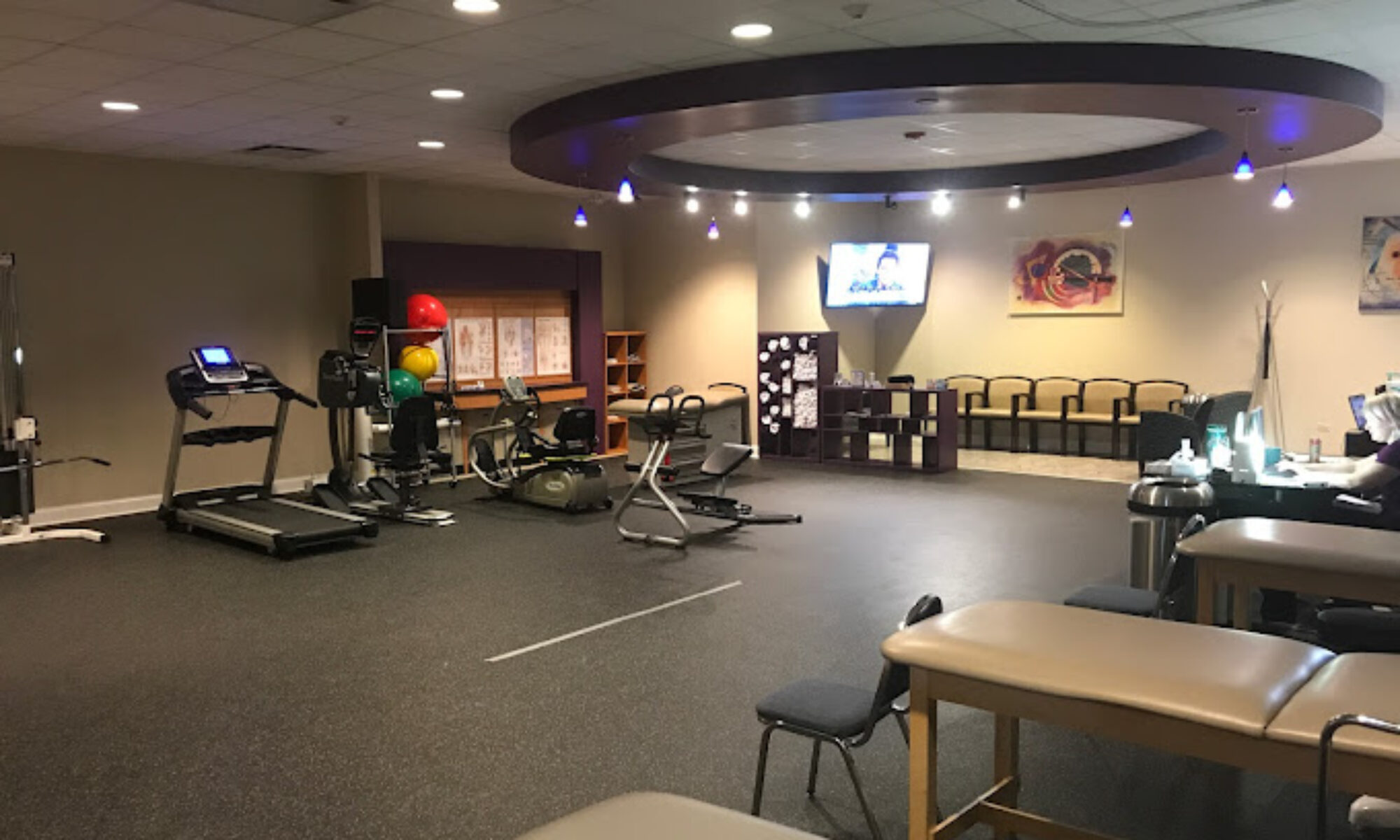

Physical Therapy Services and Treatments at Mayo Clinic and Fred Hutchinson Cancer Research Center
1. Physical Medicine and Rehabilitation at Mayo Clinic
Specialists in Physical Medicine and Rehabilitation (PM&R) at Mayo Clinic are dedicated to restoring movement and function in patients suffering from various diseases or injuries that impact the brain, spinal cord, nerves, and musculoskeletal system.
The PM&R physicians lay emphasis on restoring function, which includes facilitating the recovery of maximum muscle functions, re-training cognitive processes, and empowering patients to attain the highest potential capability, in context with their specific needs.
The rehabilitation teams at Mayo Clinic handle all types of traumatic or nontraumatic injuries and offer medical consultation to patients, ensuring they are part of their own health decisions. A unique strength of the Mayo Clinic rehab approach is their extensive expertise in analyzing medical images and conducting physical examinations of bones, joints, and muscles, which can guide the design of the patient’s health plan.
Key strengths of Mayo’s PM&R teams also include bone, muscle, and soft tissue therapies, gaming and ESports medicine, adaptive athlete medicine, and pediatric rehabilitative services, which are tailored to cater to the specific needs of infants and children.
Located across the Mayo Clinic campuses, PM&R specialists utilize either short-term or long-term care programs to enhance the recovery process. When patients approach Mayo Clinic for advanced rehabilitation, they are entitled to the institution’s multidisciplinary team of physicians, therapists, advanced care providers, and nurses who ensure a complete and timely recovery.
A significant part of Mayo Clinic’s PM&R routine involves ongoing participation in research, teamwork, and continuing education. The incorporation of technological advancement ensures the provision of state-of-the-art medical treatments- physical modalities, therapeutic exercise, manual therapy—and non-surgical options for a wide array of functional limitations.
Additionally, the clinic employs Assistive and Restorative Technology Laboratory (ART Lab) using advanced 3D computer technology, functional electrical stimulation, assistive technology, state-of-the-art prosthetics options, and more for rehabilitation services.
2. Benefits of Physical Therapy for patients at Fred Hutchinson Cancer Research Center
Physical therapy can significantly contribute to the improvement of strength, independence, and functionality in cancer patients, both during and after treatment. These therapies can address concerns related to weakness, balance, scar tissue, lymphedema, range of motion, and rehabilitation equipment.
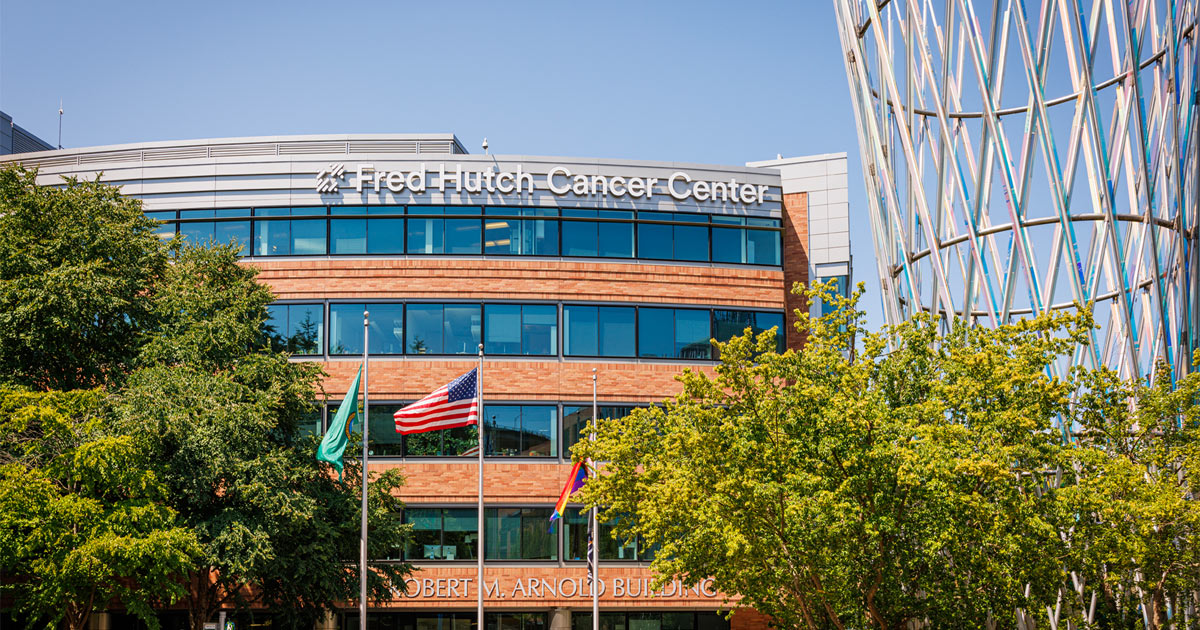
At the Fred Hutchinson Cancer Research Center, physical therapy specialists are trained in oncology and can see patients referred by a Fred Hutch physician. These experts ensure personalized care based on the individual’s condition and therapy requirements.
In conclusion, PM&R departments at medical centers like Mayo Clinic and the Fred Hutchinson Cancer Research Center play a crucial role in improving patients’ quality of life. Through interdisciplinary expertise, innovative equipment, ongoing research, and a patient-centric approach, they serve to restore patient health, independence, and overall well-being. Ensuring that the patient is aware of their diagnosis, the medical conditions, and the overall rehabilitative care process, all contribute to enhancing the overall effectiveness of the physical therapy services and treatments.
Title: Decoding The Fast-Paced Growth of Physical Therapy Services and Treatments
Physical therapy services encompass treatments aimed at improving a patient’s physical function, mobility, and quality of life, and they are invariably critical in the healthcare sector. Provided by licensed physical therapists who evaluate and create personalized care plans for diverse health issues (from injuries to chronic conditions and post-surgical rehabilitation), these services incorporate physical exercises, manual therapy, and the use of equipment or techniques to alleviate pain and restore physical capabilities. As of January 2022, the global physical therapy services market was projected to grow from USD 140.69 billion in 2025 to USD 186.90 billion by 2033, demonstrating a Compound Annual Growth Rate (CAGR) of 3.61%.
Several factors are contributing to this dynamic growth, including increasing chronic conditions like arthritis and cardiovascular diseases and musculoskeletal disorders, fueling the need for rehabilitation services. Technological advancements have harnessed modes like telehealth and digital platforms to make physical therapy services more accessible and convenient, thereby transforming the face of the healthcare landscape.
Market Trends Revolutionizing Physical Therapy Services
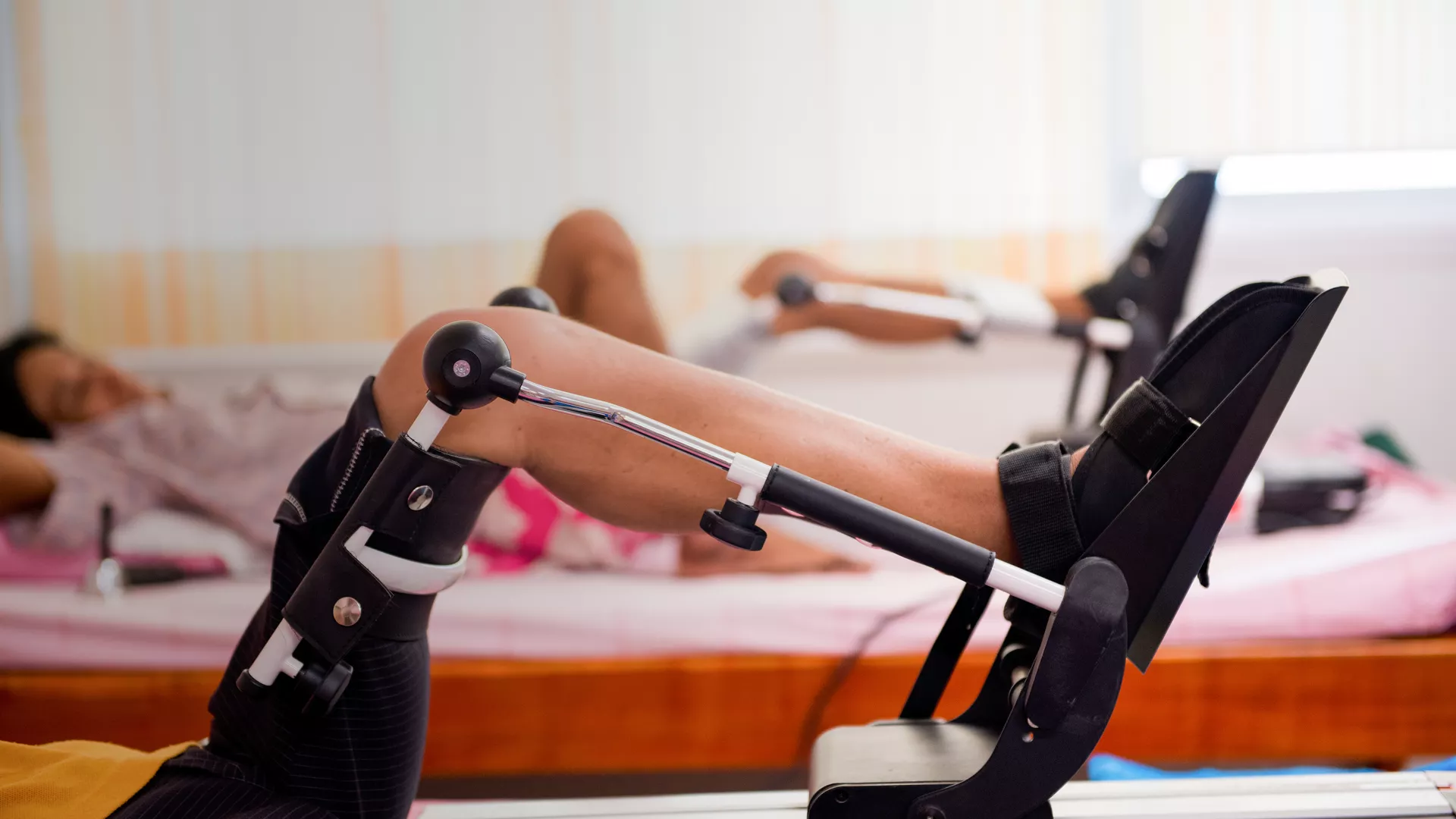
1. Robotics and AI-Enhanced Rehabilitation: Integrating robotics and Artificial Intelligence (AI) algorithms into rehabilitation practices has provided a more accurate, personalized, and engaging therapy experience. BIONIK Laboratories is a case in point; it uses its InMotion therapy systems to augment motor recovery, particularly for stroke patients and those with neurological conditions.
2. Tele-Rehabilitation and digital platforms: Platforms such as Physitrack and Rehab My Patient have digitized rehabilitation, providing remote access via video consultations and mobile apps. This welcomes features like gamification and progress tracking, improving adherence and outcomes.
3. Increased Adoption of Sports Medicine and Rehabilitation: The growing interest in fitness has heightened the demand for specialized rehabilitation services. Companies like Athletico Physical Therapy offer tailored programs for athletes recovering from sports-related injuries, focusing on injury prevention, performance enhancement, and post-injury recovery.
4. Rising Awareness of Physiotherapy Benefits: Increasing consciousness regarding physical therapy’s benefits for chronic conditions management, post-surgical rehabilitation, and sports injuries is another notable trend in the sector.
Despite these advancements and the upward trajectory of the physical therapy services market, considerable barriers persist, such as high costs and insurance companies’ limitations on the number of reimbursed therapy sessions.
Emerging Opportunities in the Market: Home-Based Therapy Programs
The rise of telehealth and an increasing predilection for home-based care spotlights a significant opportunity to expand home-based physiotherapy services. Companies offering such services, like Portea (India) and Luna (U.S.), are witnessing a growing clientele, particularly among aging populations and patients recuperating from surgeries.
Regional Analysis
North America dominates the global market owing to the high prevalence of musculoskeletal disorders and the robust healthcare infrastructure. The Asia-Pacific region, spurred by economic growth and increased healthcare expenditure, is poised for the fastest CAGR in the global physical therapy market.
Key Players in Physical Therapy Services Market
Several major players in the market are adopting strategic collaborations, acquisitions, and partnerships to bolster their service portfolios and extend their geographical reach. Some significant market shareholders are Athletico Physical Therapy, Physical Rehabilitation Network (PRN), Select Medical Corporation, NovaCare Rehabilitation, and Kessler Rehabilitation Center.
In conclusion, the physical therapy services market is undergoing rapid expansion, driven by the rise of chronic conditions, aging populations, and technological advancements, particularly in telehealth. The increasing recognition of physiotherapy benefits for injury recovery and pain management is increasing its integration into mainstream healthcare, signaling robust market growth.
The COVID-19 pandemic has resulted in a seismic shift in the delivery model for physical therapy services, with many physiotherapists transitioning from traditional manual therapies to telerehabilitation, delivered via phone or videoconference. This development was documented in a recent study exploring the experiences of physiotherapists adapting to telerehabilitation amid the pandemic.
In a cross-sectional survey involving 75 physiotherapists, it was found that the use of telephone interventions increased from 24.0% prior to the pandemic to 73.3%, while the use of videoconferencing services surged from 5.3% to 77.3%. The therapists found videoconferencing a more effective medium than phone calls. However, less than half felt comfortable using videoconference to treat pain (49.3%), upper extremity functionality (40.0%), or strength/range of motion (48.0%). Only 29.3% felt confident treating walking balance or mobility via videoconference.
Despite the reported challenges associated with telerehabilitation, such as client comfort with the equipment and the capacity to cover more clinical content in a single session compared to face-to-face appointments, a significant portion of therapists committed to continuing this mode of treatment. Around 54.7% agreed to the continued practice of phone-based telerehabilitation, while 68.0% agreed to continue via videoconference.
This adaptation to the changing landscape of physiotherapy is largely driven by necessity, as the COVID-19 pandemic has led to a contraction of in-person physiotherapy services. Nonetheless, the shift to telerehabilitation reflects a broader trend in healthcare, towards harnessing technology to increase access and improving the delivery of care. It also reveals the resilience and professionalism of physiotherapists, as they seek to provide the best possible care for their patients in tricky circumstances.
In a separate study focusing on the delivery of preoperative and postoperative physical therapy for men undergoing radical prostatectomy, the main surgical treatment for prostate cancer, it was noted that these services were not usually extended to this patient group. Researchers initiated a program involving pre- and postoperative care, assessing the effectiveness of such services. A total of 24 patients participated, with significant improvements seen in incontinence questionnaire scores and other measures of urinary function. The study underscored the importance of suitable rehabilitation services for this patient group and highlighted the potential for expansion of physical therapy services where appropriate.
In summation, the COVID-19 pandemic may have ushered in a new era of telerehabilitation, albeit one that presents its own set of challenges. However, physiotherapists are demonstrating resilience and adaptability in meeting these challenges. Furthermore, the targeted physiotherapy program for men undergoing radical prostatectomy highlights the crucial role of physiotherapy in enhancing patient outcomes beyond typical use cases.
Introduction
In today’s health-oriented world, physiotherapy services have become an integral part of treatment and rehabilitation for patients with a range of diseases and conditions. The global physiotherapy services market has been expanding significantly due to the rising prevalence of chronic diseases such as cardiovascular diseases, cancer, diabetes, and respiratory diseases. According to Coherent Market Insights, the global Physiotherapy Services Market, valued at US$ 55.23 billion in 2024, is expected to reach US$ 79.34 billion by 2031, growing at a CAGR of 5.3% from 2024-2031.
Market Drivers
The robust growth of the physiotherapy services market is largely attributed to the escalating prevalence of chronic illnesses. The World Health Organization (WHO) revealed that chronic diseases were accountable for approximately 70% of all worldwide deaths in 2019. Moreover, the growing geriatric population, predicted to surge to 1.5 billion by 2050 from 703 million in 2019, contributes to the increased demand for these services. Owing to the fact that older adults are more susceptible to musculoskeletal disorders physiotherapy services have become a preferred choice for these individuals.
Emerging Trends and Technologies
The adoption of evidence-based physiotherapy practices is a trend that is propelling market growth. To ensure effectiveness and standardization of treatment procedures, physiotherapists are incorporating evidence-based practices. As revealed in a 2021 study in the Brazilian Journal of Physical Therapy, over 90% of physiotherapists were employing these practices in their treatments.
The physiotherapy services market is also witnessing an increase in the utilization of digital healthcare tools. Telerehabilitation, virtual reality, 3D motion sensors, and wearable sensors have started being implemented by physiotherapists to boost patient accessibility and involvement in rehabilitation schemes. These technological advancements are expected to push the market growth further.
Market Segmentation and Opportunities
The Cardiopulmonary physiotherapy segment is projected to dominate the market, making up more than 30% of the global market in 2024. The rising prevalence of cardiovascular and pulmonary diseases worldwide has fueled increased demand for these services.
The geriatric population segment is anticipated to observe the highest growth during the estimation period. Physiotherapy can assist older adults in managing pain, enhancing quality of life, and improving their balance and coordination. Therefore, with the older population expected to reach nearly 2.1 billion by 2050, there will be significant opportunities in this market for the foreseeable future.
Geographical Distribution
North America is slated to hold a dominant position over the forecast period due to its advanced healthcare infrastructure and escalating healthcare expenditures.
Competitor Insights
Major players in the physiotherapy services market include ProRehab Physical Therapy, Physiotherapy Associates, Encompass Health, Upright Health, Select Medical Corporation, Rehacare, Celtic Healthcare, ATI Physical Therapy, GymnaUniphy, The Movement Clinic, Fyzical, Aspetar, Athletico Physical Therapy, Physitrack, and Apollo Hospitals Enterprise Ltd. To sustain in a highly competitive market, these companies engage in various strategies, including partnerships, expansions, and developments.
Recent Developments
Recent developments witnessed a push with Movement Solutions, in November 2022, announcing the addition of mobile physiotherapy to its portfolio. Furthermore, Pure Physiotherapy, a clinically-led physiotherapy company, announced in January 2022 that it would establish a new Rochdale facility on February 21, 2022.
Conclusion
The global physiotherapy services market is making significant strides due to factors like rising chronic diseases, ageing population, adoption of evidence-based practices, and the increase of digital technologies. With the rise in the prevalence of chronic conditions and the aging population, moves towards preventive healthcare measures are likely to fuel the demand for physiotherapy further. To stay ahead in this market, service providers will need to continue to adopt the latest technologies and trends to deliver more value to their clients, thereby setting a course for consistent growth in the coming years.
Sources:
 Physical Medicine and Rehabilitation – Overview
 Benefits of Physical Therapy
 West Haven VA Medical Center | VA Connecticut Health Care | Veterans Affairs
 Physical Therapy Services Market Share & Growth Report 2033
 A survey of the experiences of delivering physiotherapy services through telerehabilitation during the COVID-19 pandemic
 From PTJ: How to Implement PT Services for Men Undergoing Radical Prostatectomy
 Global Physiotherapy Services Market to Reach US$ 79.34 Billion by 2031, Coherent Market Insights

