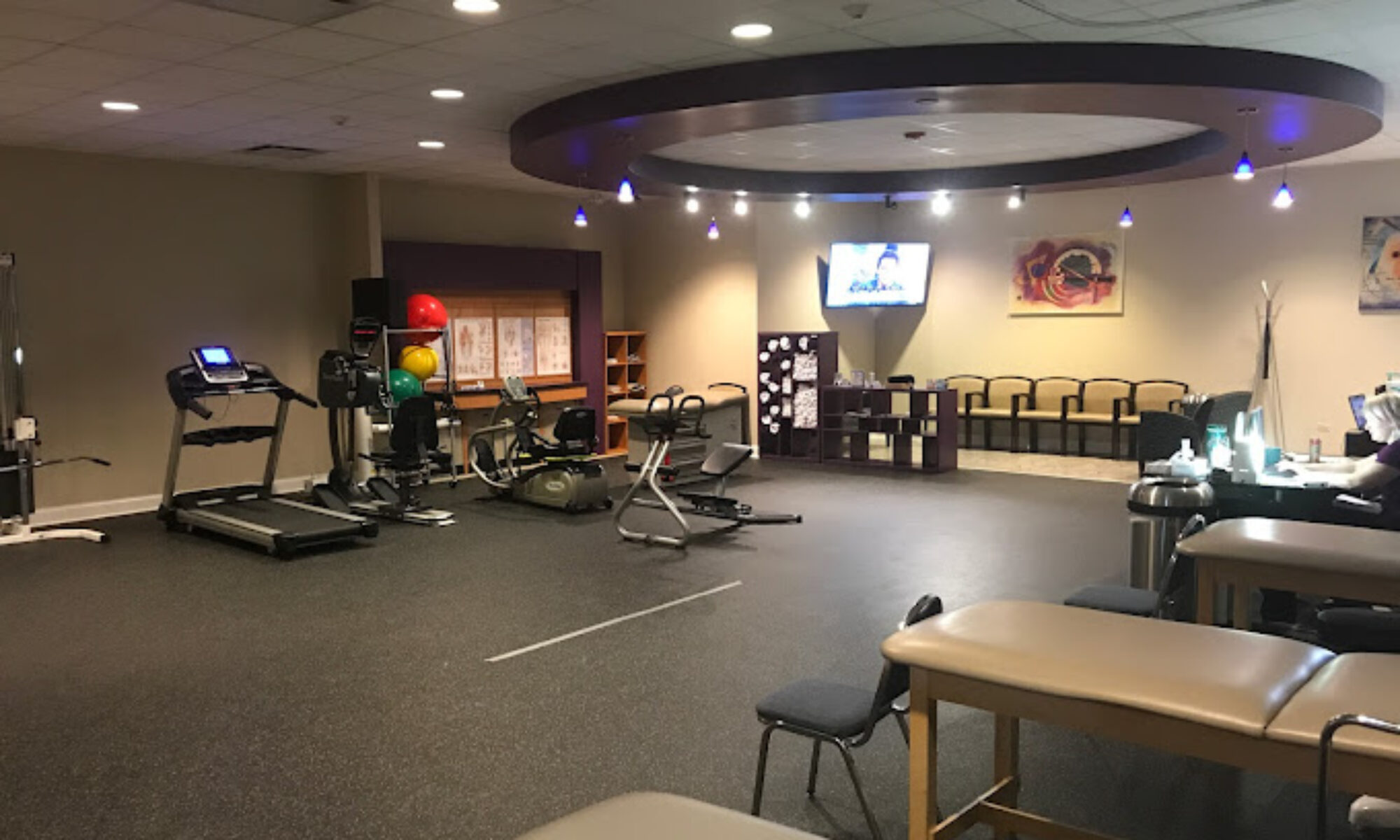

Physical Medicine and Rehabilitation – Bringing Back to Life
Physical medicine and rehabilitation (PM&R), also known as physiatry, is a branch of medicine that aims to enhance and restore functional ability and quality of life for those with physical impairments or disabilities. Offering a variety of treatments and services, Mayo Clinic’s PM&R specialists are at the forefront in helping restore movement and function to people affected by disease or injury.
At the center of PM&R is restoring function. This means helping patients regain the highest quality of life, helping them retain as much muscle ability as possible, re-training mental pathways and generally enabling them to reach their best possible capability based on their specific needs.
Specialized in treating a broad range of medical conditions affecting the brain, spinal cord, nerves and the musculoskeletal system, Mayo Clinic’s rehabilitation teams cater to both traumatic or non-traumatic injuries. The plan of treatment offered is the result of a personal and direct engagement with a PM&R provider, keeping the patients at the heart of their own recovery.
Key strengths of the Mayo Clinic’s PM&R Program
Mayo Clinic specializes in bone, muscle, and soft tissue therapies. The clinic also offers dedicated services in gaming and esports medicine, adaptive athlete medicine, and pediatric rehabilitation. By providing tailored care for each patient in their journey to recovery, PM&R specialists, regardless of whether the process involves short-term or long-term care, ensure that everyone receives an optimal quality of life after an injury or illness behind.
The Advancement of PM&R
Knowledge, experience, and ongoing education are the cornerstones of Mayo Clinic’s advanced therapeutic expertise. Every day involves dedicated research work, excellent teamwork, and strong commitment to continuing education. Mayo Clinic’s PM&R program offers state-of-the-art medical treatments and non-surgical options for a wide range of functional limitations.
Treatments may include therapeutic exercises, manual therapy, custom orthotics, and ultrasound, highlighting how physical modalities can help improve movement and advance healing. In addition, Mayo Clinic puts a focus on patient education to help individuals better understand their medical condition and rehabilitation care.
Harnessing Cutting-edge Technology
Mayo Clinic’s PM&R is relentlessly advancing the science of rehabilitation and enhancing therapy and testing procedures using state-of-the-art technology. Among its technological offerings is the Assistive and Restorative Technology Laboratory (ART Lab), which develops and applies a variety of technologies to restore function to the physically challenged.
Services include 3D computer technology and printing for hand/wrist braces, assistive technology for spinal cord injury, walking assessment in the Motion Analysis Laboratory, functional electrical stimulation, assistive technology consultations for a variety of conditions, and advanced prosthetic options for individuals with amputations.
Clinical research forms a significant part of Mayo Clinic’s PM&R agenda as it continually strives to improve care by incorporating the latest research findings into the treatment protocols. Hence, patients are encouraged to inquire about ongoing clinical trials for which they might be eligible.
Accessing PM&R Services
Mayo Clinic’s world-class expertise, innovative technology, and patient-centered quality care distinguish its PM&R services. Patients can access both short-term and long-term outpatient care programs through self-referral or a reference from a primary care doctor.
With its clinics located in Arizona, Florida, and Rochester, Minnesota, Mayo Clinic’s providers work closely with a multidisciplinary team of physical therapists, occupational therapists, and other rehabilitation professionals to extend the highest caliber of care. Many of these services are also available at Mayo Clinic Health System locations in Minnesota, Wisconsin, and Iowa.
Physical medicine and rehabilitation (PM&R) is a vibrant and growing area of Mayo Clinic. Offering personalised, world-leading care and treatment, PM&R at Mayo Clinic is truly about bringing life back to those who may have thought it was lost.
Title: The Integral Role of Physical Therapy Services and Treatments
Physical therapy services play a pivotal role in the overall wellness and rehabilitation of patients across a variety of medical circumstances. Over the past month, a growing body of online publications have increasingly recognized the substantial benefits and comprehensive treatments provided by physical therapy, especially for patients diagnosed with cancer. This article will delve into the varied aspects of physical therapy, explaining its importance and its potential to enhance patients’ life quality and independence post-treatment.
Benefits of Physical Therapy
Physical therapy has comprehensive benefits, especially for individuals diagnosed with cancer, irrespective of age. One of the primary advantages is the potential to improve strength, function, and independence during and after cancer treatment. How does physical therapy accomplish this?
Physical therapists are highly skilled and trained professionals who can guide patients through personalized progressive exercises aimed at restoring their strength and vitality. They are well-versed in assessing the patient’s overall physical mobility, strength, and stability to develop the most suitable treatment plan. When it comes to weakness, one of the common side-effects of cancer treatment, a physical therapist can employ strategies like targeted exercises to counter muscle atrophy and enhance muscle strength.
Physical therapists not only focus on physical strength but also address concerns related to balance. Balance issues can result from overall weakness, muscle deterioration, or impairment of the nervous system due to cancer treatment. Physical therapists use balance and coordination exercises, postural training, and assistive devices, when necessary, to help patients regain stability and prevent falls.
In the case of scar tissue, a common occurrence following surgeries or radiation therapy, the therapists utilize techniques such as massage and stretches to improve flexibility and mobility, reducing pain and discomfort. These techniques help break down the scar tissue, promoting smoother movement.
Furthermore, lymphedema, a condition characterized by swelling in the arms or legs, is a potential complication for cancer patients. Physical therapists specializing in oncology can offer management strategies for secondary lymphedema, reducing inflammation and promoting a healthier flow of fluids in the body.
Physical therapy also proves beneficial in improving patients’ range of motion. The regimen can involve stretching exercises and activities designed to promote flexibility, which aids patients in performing their daily tasks independently and with less discomfort.
Additionally, physical rehabilitation equipment is another area where physical therapists prove crucial. They can recommend the most suitable equipment based on the patient’s condition and guide them on its proper usage, reducing the risk of injury and maximizing recovery.
Scheduling a Physical Therapy Appointment
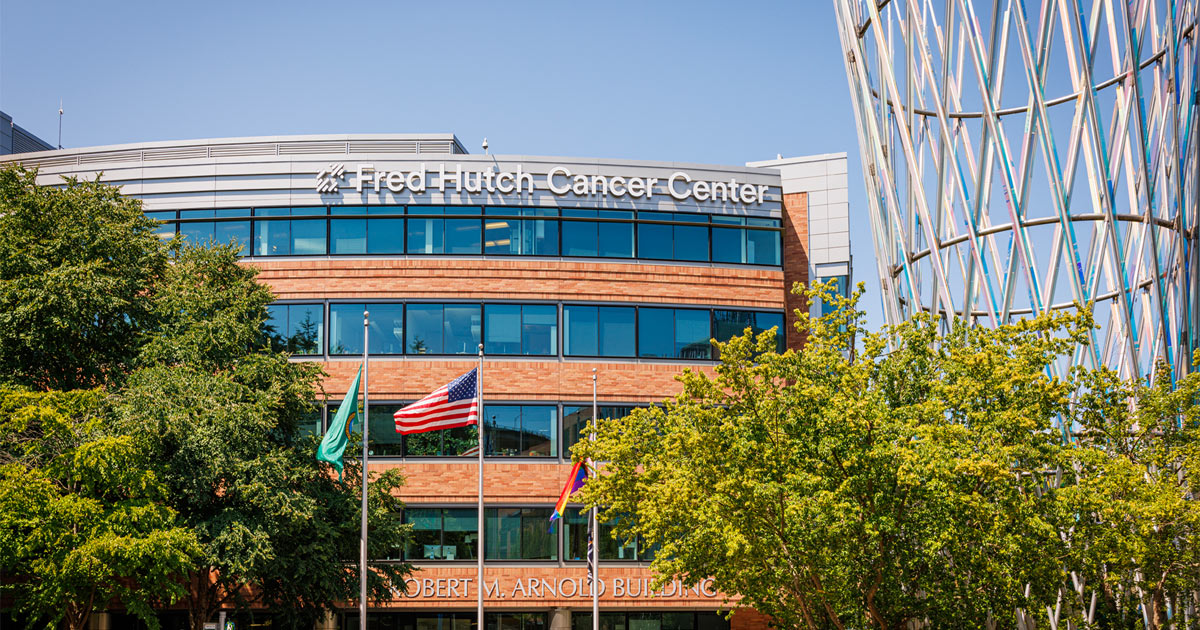
While the benefits of physical therapy are substantial, it’s important to note that the process for availing these services may differ based on the medical facility in question. For instance, Fred Hutch patients require a referral from a Fred Hutch physician, physician assistant, or nurse practitioner to schedule a physical therapy appointment. This procedure helps ensure that physical therapy treatments align with the overall medical program of the patient, creating a seamless healthcare experience.
In cases where patients have secondary lymphedema, they can avail themselves of the services at the Fred Hutch clinic. Here, they can consult with specialized oncological physical therapists familiar with the individual care required for managing this condition. Fred Hutch’s physical therapy is conveniently located on the fourth floor of the South Lake Union clinic, making it accessible for patients.
In conclusion, physical therapy services offer an array of benefits for patients grappling with varied health conditions, most notably cancer. Physical therapists play a vital role in aiding patients to gain independence, strength, and improved function, which can significantly enhance their quality of life during and after treatment. The personalized treatments, targeted exercises, and professional guidance offered by these therapists not only help manage symptoms but boost overall health and wellness. As physical therapy continues to evolve through research and technological advancements, its efficacy in patient rehabilitation and care only stands to grow further.
Physical Therapy Services Market Surges Amid Growing Chronic Conditions and Technological Advancements
The global physical therapy services market is expected to witness substantial growth, driven by increasing chronic conditions and the growing aging population. Physical therapists deliver these services, which involve treatments aimed at improving a patient’s physical function, mobility, and quality of life based on assessments and customized care plans.
The market size, worth USD 134.92 billion in 2024, is projected to raise to approximately USD 186.90 billion by 2033, growing at a Compounded Annual Growth Rate (CAGR) of 3.61% from 2025 to 2033.
Arthritis, cardiovascular diseases, and musculoskeletal disorders increase the need for rehabilitation services. Simultaneously, technological advancements such as digital and telehealth platforms have made these services more accessible, allowing remote consultations and home-based care.
Trending within the physical therapy realm is Robot and AI-enhanced rehabilitation, which involves robotic devices and artificial intelligence algorithms integrated into rehabilitation practices, offering patients precise, personalized, and engaging therapy experiences.
Tele-rehabilitation and digital platforms are also transforming the global market by providing remote access to rehabilitation through video consultations and mobile apps. This trend caters to a growing demand for remote healthcare solutions by offering greater convenience to patients.
However, the cost of physiotherapy remains a significant barrier for many patients, especially in countries without universal healthcare. Insurance companies often limit the number of therapy sessions they reimburse, forcing patients to either pay out-of-pocket or prematurely end their therapy, affecting recovery and health outcomes.
Despite this, certain market opportunities, such as the rise in telehealth and increased preference for home-based care, present promising chances to expand home-based physiotherapy services. These services are particularly beneficial to elderly or immobile patients who might have trouble visiting clinics regularly.
Regional analysis of the global market shows North America holding the largest revenue share due to a high prevalence of musculoskeletal disorders and chronic conditions. It’s supported by robust healthcare infrastructure and vast insurance coverage, providing easy access to physiotherapy to a large population.
Meanwhile, the Asia-Pacific region is poised for the fastest CAGR in the global market, driven by rapid economic growth in countries like China, India, and Japan, increasing healthcare expenditure and enhancing access to rehabilitation services.
Key players in the global market are increasingly adopting strategic collaborations, acquisitions, and partnerships to strengthen their service portfolios and expand their geographic presence. The market showcases novel technological integration, such as telehealth platforms, thereby diversifying rehabilitation offerings to meet the growing demand for specialized services.
Looking forward, the global market is experiencing rapid expansion due to the rising prevalence of chronic conditions, technological advancements, and a growing awareness among healthcare providers and patients regarding the benefits of physiotherapy.
Title: Rising Opportunities: The Evolution of Physical Therapy Services
With the rise in chronic diseases and an aging population, the demand for physical therapy services globally has increased notably. Physical therapists (PTs) play a crucial role in pain management, rehabilitation, and the general improvement of patient health. Today, new-age physical therapy treatments encompass a comprehensive range of procedures and techniques that significantly enhance the quality of life of patients dealing with various health ailments.
One such provider of comprehensive physical therapy services is the West Haven VA Medical Center in Connecticut under the Veterans Affairs (VA) department. This facility offers several transport services suited to the needs of veterans, such as non-Disabled American Veterans (DAV) van services, shuttle services, and local transportation services.
DAV vans at the VA Connecticut Health Care are in operation for varying schedules, providing reliable transportation to veterans and their authorized caregivers for attending scheduled medical appointments. The center employs dedicated DAV coordinators at its West Haven and Newington locations to facilitate these services. Veterans who need a ride can reserve their seats at least 48 hours prior to their medical sessions.
The VA West Haven also runs a shuttle service between its Newington and West Haven campuses. The shuttle service can be an asset for veterans who need regular, consistent transportation to their therapy appointments.
Additionally, the medical center’s local transportation services comprise Beneficiary Travel options. As part of this program, veterans are reimbursed for round-trip transportation from their homes to the medical center. They may qualify for special mode transport services, pending their health status and mobility circumstances. The VA West Haven’s local van service and shuttles also support those veterans ineligible for the Beneficiary Travel program.
What makes the comprehensive range of services provided by VA Connecticut Health Care stand out are its exhaustive physical therapy treatments. The facility prioritizes maintaining, restoring, and improving mobility, in addition to minimizing physical suffering such as pain and disability caused due to injury or disease.
The dedicated PTs employ various methods to treat their patients, including rehabilitation exercises, pain-relieving treatments like electrotherapy and heat treatment, manual therapy, and hydrotherapy, among others. The therapists play an active role in educating the veterans about their conditions and how different exercises can improve their physical health in the long run.
However, physical therapy treatments are not a one-size-fits-all solution. The therapists conduct detailed medical examinations, study the patients’ medical histories, and diagnose the movement dysfunctions. Based on the assessment, they devise individualized treatment plans that encompass therapeutic exercises, functional training, manual therapy techniques, assistive and adaptive devices, and equipment interventions.
The therapeutic exercises involve instructing the patients to perform a set of physical activities that strengthen the muscles and improve endurance, flexibility, balance, or range of motion. Functional training, on the other hand, equips the individuals to perform activities or participate in environments that they face as a part of their daily lives. The manual physical therapy techniques involve skilled hand movements intended to improve tissue extensibility, increase the range of motion, induce relaxation, mobilize or manipulate soft tissues and joints, and other associated benefits.
Moreover, global trends in physical therapy are also gaining momentum at the West Haven VA Medical Center. These treatments include tele-rehabilitation services, where the patients can access physical therapy services remotely via online meetings and applications. The medical center also provides virtual physical therapy for patients with chronic musculoskeletal conditions, ensuring that they can access high-quality healthcare, regardless of their geographical location.
VA Connecticut Health Care not only provides intricate physical therapy treatments but also offers adjunct services fundamental to bringing holistic care to the veterans it serves. The comprehensive array of services, coupled with innovative treatments, allows the facility to play an instrumental role in advancing the quality of physical therapy in the healthcare industry.
In conclusion, West Haven VA Medical Center continues to exemplify that physical therapy is a multidimensional field. Along with its shuttle and van services, the center’s extensive treatment options spotlight the increasing importance of physical therapy and its role in the overall well-being of the veteran community. The center’s dedication to providing these services exemplifies the crucial role that physical therapy plays in healthcare, providing innovative treatments and services for the betterment of patient health and welfare.
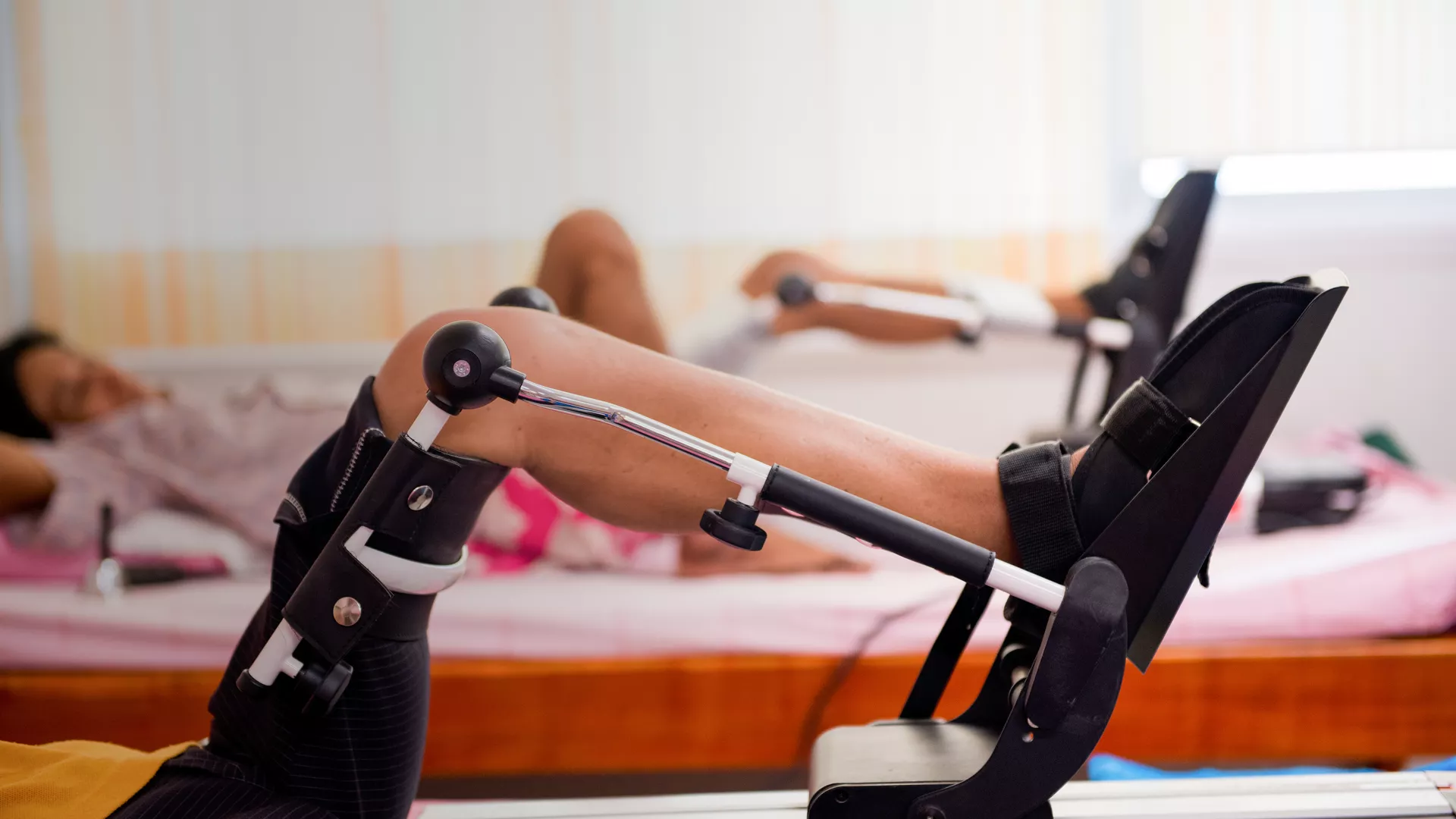
The COVID-19 pandemic has sparked a notable shift in the delivery of physical therapy services. Traditionally, these services involved direct, hands-on contact between a therapist and patient. However, the pandemic necessitated a move to telehealth platforms, such as phone or video conferencing technologies, to maintain social distancing measures and minimize viral spread. A study of 75 practicing physiotherapists from Vancouver Coastal Health, conducted during the third wave of the outbreak from November 2020 to January 2021, offered illuminating insights into their adoption and adaptation to telerehabilitation.
Physiotherapists’ experiences transitioning to and delivering telerehabilitation:
Practitioners had to adjust rapidly to the drastic change precipitated by the pandemic. Prior to this, the use of video conferencing was limited, with only 5.3% deploying it for consultations. This percentage leapt to 77.3% during the pandemic. Telephone consultations similarly skyrocketed from 24.0% pre-pandemic to 73.3% during the outbreak. The majority of therapists reported that video conferencing was a more effective mode of treatment delivery than the telephone.
Areas of effectiveness:
The survey found that less than half of the respondents (49.3%) felt they could treat pain effectively via video conferencing. For treating upper extremity function and strength/range of motion, the numbers were even lower, 40.0% and 48.0% respectively. The performance was poorest for treating walking balance or mobility, with only 29.3% confident in the efficiency of video conferencing. These reactions reflect the therapies’ typical hands-on nature.
Challenges of telerehabilitation:
Technical barriers appeared to be a significant issue. Approximately 90.7% opined that client comfort with equipment was a challenge, while 76.0% identified webcam positioning as a hurdle. Despite these obstacles, a substantial majority agreed that they would continue integrating telerehabilitation into their practice post-pandemic, with 54.7% willing to use the phone and 68.0% favoring video conferencing.
The study revealed crucial insights into the feasibility and effectiveness of telerehabilitation in physiotherapy services. While the majority of practitioners agree on its continued use in a post-pandemic world, they also highlighted numerous barriers, particularly regarding technologies and therapies that traditionally require close physical contact. Furthermore, over half of the therapists found telerehabilitation exhausting, probably due to multiple factors: the technological challenges, the need for increased communication, and the inability to cover as much clinical content in a single session as compared to face-to-face sessions.
Overall, while the pandemic has catalyzed a rapid shift toward telerehabilitation, further work is required to improve its feasibility and effectiveness. Future investigations in this area could help in designing protocols that maximize the potential benefits of telerehabilitation while mitigating the associated challenges. This shift could also pave the way to rethinking physical therapy’s traditional delivery modes, creating a blended model that incorporates both in-person and remote therapies, enhancing accessibility and flexibility for patients.
Physical therapist (PT) services can significantly improve the quality of life for men undergoing radical prostatectomy (RP), the primary surgical treatment for prostate cancer. However, few preoperative and postoperative care programs exist. A recent study aimed to document the implementation of such PT services for this often overlooked patient population, providing a blueprint for other healthcare systems.
An initial review showed that men scheduled for RP were not routinely referred to PT services. If referred, patients usually received a modified version of a program designed for managing urinary incontinence in women. To address this gap, a PT educator, an international PT, and a prostate cancer expert hosted a workshop to train interested PTs. This training involved several online and in-person sessions, covering evidence-based assessment and management, and the application of transperineal ultrasound.
The study focused on four surgeons who referred 24 patients to postoperative PT services. Eight of these patients also received preoperative care. The patients received treatment through a rural healthcare system in the Midwest and were, on average, 64 years of age. They averaged two postoperative PT visits, typically occurring 20 days after surgery. For the patients who received preoperative PT services, care began around 21 days before surgery.
At the end of the study, there was a marked decline in quality of life measures from the first visit preoperatively to the first visit postoperatively. However, there was a significant improvement observed between the first and last postoperative PT visits. A satisfaction survey revealed high levels of satisfaction among patients.
This research underscores the importance of having such programs in place. For successful implementation, the research team presented evidence of the benefits of PT interventions to key stakeholders, including urologists, nurses, hospital administrators, and others. Active engagement with urologists and administrative support for essential equipment and training was cited as critical to the program’s success.
By implementing preoperative and postoperative physical therapist services for men undergoing RP, physical therapists have the potential to expand their practice while providing high-quality, evidence-based care to an underserved patient population in the USA. The authors acknowledge that the study has its limitations and call for future research to explore the universal impact of implementing PT services for men undergoing RP.
For further exploration of male pelvic health, the APTA Learning Center offers an online course in “3 Must-Know Secrets for Treating Male Pelvic Health.”
Just in, the Global Physiotherapy Services Market projects to reach US$ 79.34 billion by 2031 with a Compound Annual Growth Rate (CAGR) of 5.3% over the period 2024-2031, according to Coherent Market Insights.
Fuelled by the escalating prevalence of chronic diseases like cardiovascular problems, diabetes, cancer, and respiratory diseases, physiotherapy is increasingly seen as a vital component in a holistic approach to healthcare. The World Health Organization (WHO) reported chronic diseases to account for 70% of all deaths worldwide in 2019, emphasizing the urgency for effective treatment strategies.
The market trend highlighted in the report emphasizes the growing adoption of evidence-based physiotherapy practices to ensure treatment effectiveness and standardization. In addition, the use of cutting-edge digital tools for physiotherapy, such as telerehabilitation, virtual reality, 3D motion sensors, and wearable sensors, are propelling the market upwards by optimizing accessibility and engagement in rehabilitation programs. These advancements align with the larger trend of digital transformation across various sectors, including healthcare.
The market is further driven by the global aging population, which is expected to reach 1.5 billion by 2050. This population is more susceptible to musculoskeletal disorders, creating an increased demand for physiotherapy services. The role of physiotherapy extends beyond musculoskeletal disorders, with services such as cardiopulmonary physiotherapy becoming increasingly relevant due to the rising prevalence of heart and lung conditions.
Physiotherapy can significantly improve the quality of life for patients suffering from these diseases, enhancing cardiorespiratory endurance, muscle strength, flexibility, and overall functionality. It’s no surprise that Coherent Market Insights projects the cardiopulmonary physiotherapy segment as a dominant part of the market, accounting for over 30% of the total services in 2024.
Amidst the silver tsunami, the geriatric population segment is projected to have the highest growth rate in the same period. Physiotherapy can offer elderly individuals incredible benefits such as improved balance and coordination, better pain management, and vibrant quality of life.
However, there are obstacles to overcome. The high cost of physiotherapy services and the lack of adequate reimbursement policies challenge the growth, requiring innovative solutions for these bottlenecks.
The market is regionally diverse, with North America expected to hold a dominant position over the forecast period due to its advanced healthcare infrastructure and high healthcare expenditure. Major players in this market include ProRehab Physical Therapy, Physiotherapy Associates, Encompass Health, Upright Health, and Select Medical Corporation, among others.
Recently, Movement Solutions, a pioneer in physiotherapy services, expanded its offerings to include mobile physiotherapy. Meanwhile, Pure Physiotherapy announced a new practice in Rochdale in January 2022, reflecting a market ripe with opportunities for expansion and new services.
To summarize, the global physiotherapy services market is experiencing robust growth driven by the escalating prevalence of chronic illnesses, the global aging population, and advancements in physiotherapy practices and digital health tools. Investing in physiotherapy treatments and integrating them into standard healthcare procedures can be part of a comprehensive strategy to enhance global health outcomes in the coming decade.
Sources:
 Physical Medicine and Rehabilitation – Overview
 Benefits of Physical Therapy
 Physical Therapy Services Market Share & Growth Report 2033
 West Haven VA Medical Center | VA Connecticut Health Care | Veterans Affairs
 A survey of the experiences of delivering physiotherapy services through telerehabilitation during the COVID-19 pandemic
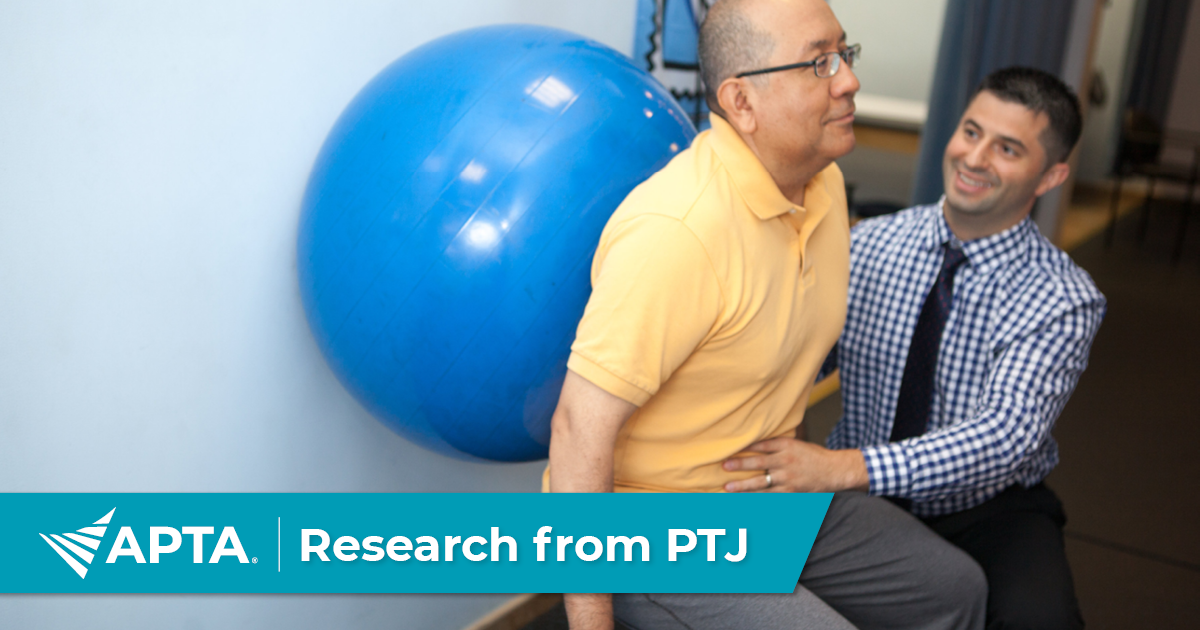 From PTJ: How to Implement PT Services for Men Undergoing Radical Prostatectomy
 Global Physiotherapy Services Market to Reach US$ 79.34 Billion by 2031, Coherent Market Insights

