
Physical therapy services and treatments are indispensable health resources for individuals grappling with various health conditions. These services are designed to restore bodily functions, increase mobility, and improve the quality of life for patients. Prestigious medical institutions like the Mayo Clinic provide comprehensive, personalized approaches in their physical medicine and rehabilitation (PM&R) services. This article will delve into an overview of physical medicine and rehabilitation, its benefits, and advances in the field from the past month.
Mayo Clinic’s PM&R division aids individuals limited by diseases or injuries. Their specialists work closely with patients to address medical conditions affecting their brain, spinal cord, nerves, and the musculoskeletal system. The primary objective is to help patients regain their optimal quality of life by improving movement and muscle ability, re-training mental pathways, and enhancing their overall capabilities.
The clinic deals with a vast range of traumatic and non-traumatic injuries. A patient working directly with a PM&R provider is involved in their medical decisions, ensuring tailored treatment plans for their health conditions. They leverage their advanced expertise in post-operative recovery, gaming and e-sports medicine, adaptive athlete medicine, pediatric rehabilitation, and more, delivering high-standard therapies to restore function and improve quality of life.
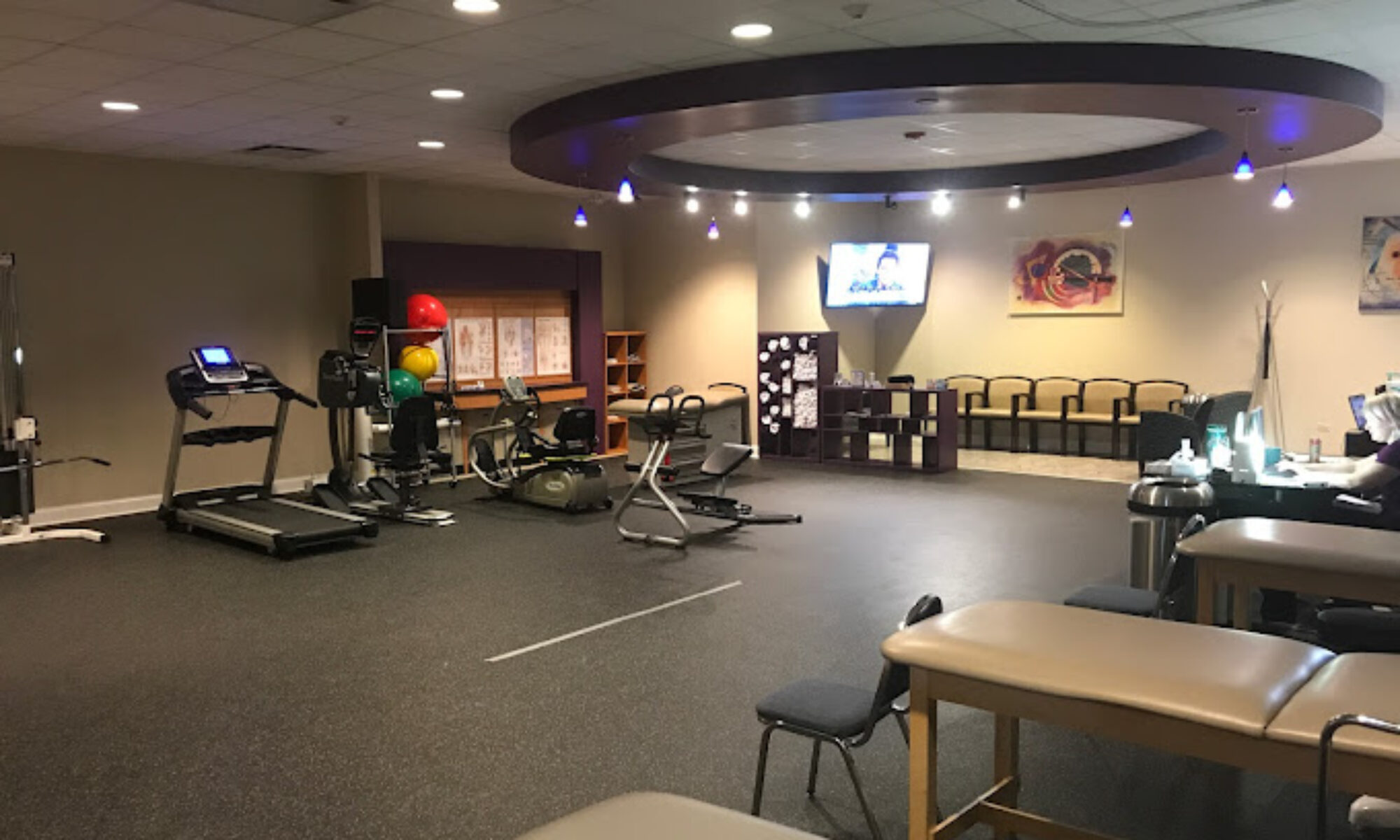
The clinic utilizes state-of-the-art technology in therapeutic modalities for effective patient care. These treatments range from custom orthotics and ultrasound to therapeutic exercises and manual therapy. In addition to executing a hands-on approach to treatment, they also offer patient education to help patients understand their medical conditions and rehabilitative care.
Advances in assistive and restorative technology have enhanced physical therapy services. Mayo Clinic’s ART Lab and other PM&R facilities offer advanced therapy and testing procedures. Their strengths include 3D printing for hand/wrist braces and advanced prosthetics for amputees, functional electrical stimulation, and walking assessment, among others.
Mayo Clinic emphasizes clinical research to provide the best care to all their patients. They offer patients the opportunity to participate in clinical trials to advance the development of rehabilitation therapies. They also strive to improve care through multidisciplinary collaboration, integrating a team of physical therapists, occupational therapists, and other rehabilitation professionals to provide excellent care.
Patients can access these services in Mayo Clinic campuses in Arizona, Florida, and Rochester, Minnesota, or request care at Mayo Clinic Health System locations in Minnesota, Wisconsin, and Iowa.
While physical therapy’s role in treating injuries and physical illnesses is well-known, it also critically aids cancer patients. Through physical therapy, patients can improve strength, function, and independence during and after cancer treatment. Physical therapists address issues related to weakness, balance, scar tissue, lymphedema, range of motion, and rehabilitation equipment use.
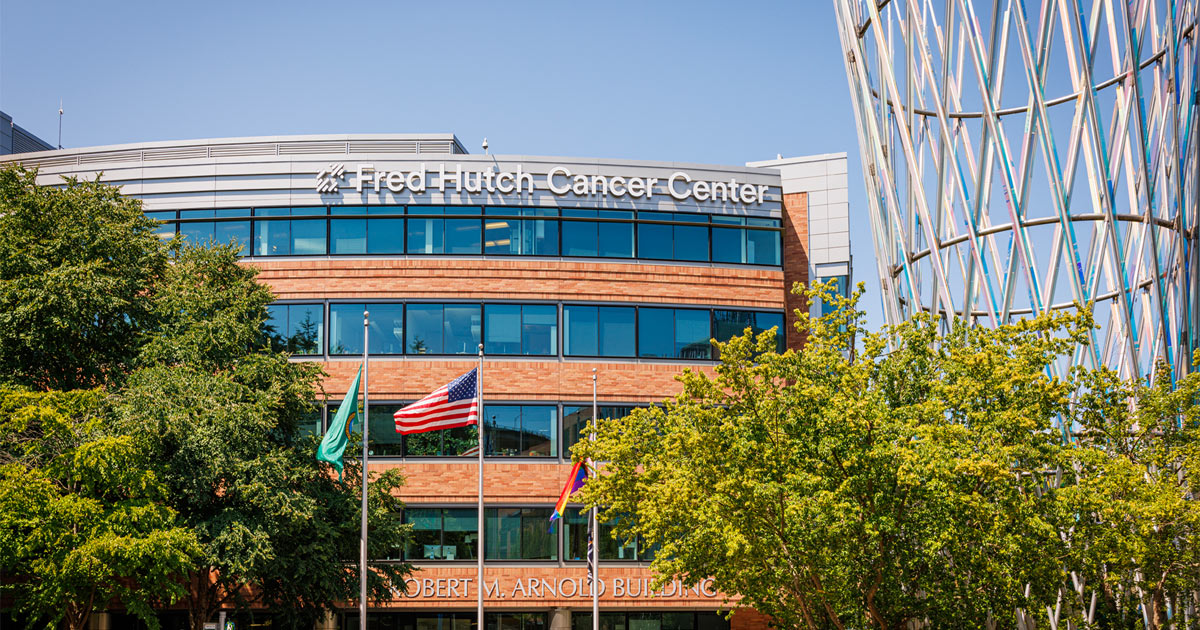
Patients requiring physical therapy appointments at Fred Hutch need referrals from a Fred Hutch physician, physician assistant, or nurse practitioner. Their physical therapy specialists in oncology can assist patients with secondary lymphedema at the Fred Hutch clinic.
Hence, physical therapy services and treatments play an instrumental role in aiding patients battling various health conditions, improving their quality of life, and fostering their independence. It’s a continually evolving sphere within healthcare, with continuous research, technological advancements, and innovative methods enhancing patient recovery and rehabilitation.
Recent articles indicate substantial growth in the physical therapy services market, alongside some great improvements and changes being made to accommodate and better service the allowing wider range of patients.
The VA West Haven Medical Centre in Connecticut, USA, has collaborated with Disabled American Veterans and other contracted vendors to offer a range of transportation services to patients. For those who might not be able to access the centre, a shuttle service has been laid out, with specific timings and pick up points planned to make the journey easier for patients. Further transportation services, like local DAV Van services, for veteran patients and authorized caregivers, are also available.
In market news, the physical therapy services market, which was valued at USD 134.92 billion in 2024, is projected to hit USD 186.90 billion by 2033, indicating a CAGR of 3.61% during the period of 2025-2033. These services comprise therapies intended to enhance a patient’s physical function, mobility, and quality of life by licensed physical therapists who assess and devise tailored care strategies to address an array of health issues, like chronic conditions, injuries, and post-surgical rehabilitation.
Fastly making their way into this landscape are robotics and AI-optimized rehabilitation, tele-rehabilitation, digital platforms, and home-based therapy programs. For example, BIONIK Laboratories uses its InMotion therapy systems, petted with AI, to improve motor recovery for stroke patients through robotic aid. Also, tele-rehabilitation and digital platforms lend the convenience of remote access to therapy through video consultations and mobile applications. Simultaneously, the expansion of home-based therapy services meets the needs of elderly and infirm patients, offering them accessible and personalized rehabilitation within their homes, implying a significant potential opportunity, given the rise of telehealth.
By region, North America holds the largest share of the global market. Driving factors include a high prevalence of musculoskeletal disorders and chronic conditions, a robust healthcare infrastructure, extensive insurance coverage, and increased awareness about the benefits of physiotherapy. The market has a high projected growth rate in the Asia-Pacific region, fueled by rapid economic growth, increased healthcare expenditure, rising occurrences of chronic conditions, and an aging population.
Various challenges are also witnessed in the market. High costs across countries without universal healthcare remain a significant barrier to many patients. Insurance firms often limit the number of reimbursed therapy sessions, leading to patients discontinuing therapy or paying out-of-pocket. Further, alternate effective recovery strategies, such as early intervention for sports injuries and chronic pain management, are making headway into the market.
Various geographic markets offer unique perspectives on the growth and development trends. In the US, Germany, Canada, and the UK, the rising prevalence of chronic diseases, an aging population, the integration of therapy within broader healthcare systems, and increased healthcare accessibility drive demand. In Japan and China, policies aimed at preventative management of lifestyle-related and chronic conditions among the aging population are major influencers.
Physiotherapy service providers are now developing comprehensive service portfolios and expanding their geographic locations for better access. They are also relying on technological integrations, like telehealth platforms, to diversify their service offerings. An example is Drayer Physical Therapy, noted for its network of outpatient clinics providing in-clinic and telehealth options for orthopedic physiotherapy.
The rapid expansion witnessed in the global physical therapy service market is indeed fuelled by a rise in chronic conditions and aging populations worldwide. Technological advancements in telehealth services are helping patients access physiotherapy services remotely, making the service more accessible and convenient for patients. The market’s growth is expected to continue given these trends.
Title: Broadening Horizons in Physical Therapy: The Neurological and Orthopedic Aspects
The Veterans Affairs (VA) San Diego Healthcare System, in an ongoing drive to boost the quality of life and advancements in physical therapy treatments, has developed an impressive and extensive range of assistance programs for veterans. The VA’s range of services encompasses different models of physical therapy treatments and necessary transportation services. These provisions underlie a progressive approach towards helping veterans regain mobility, overcome pain, and reintegrate back into daily life.
In itself, physical therapy is a competitive sector, orchestrating a plethora of treatment methods focused on mobility improvement and pain management. Hackensack Meridian Health has a wide variety of physical, occupational, and speech therapy programs designed for individuals of all age groups recovering from various ailments or injuries. Their therapists are rigorously trained to cooperate with patients meticulously, crafting out personalized treatment goals in sync with the patient’s family and health care providers.
Physical therapy treatments revolve around targeted techniques to treat orthopedic conditions, oversee pain management, offer comprehensive care for sports-related injuries, and high-grade functional augmentation. The prime focus is on addressing multifaceted conditions impacting the musculoskeletal and neurological systems. Notably, the orthopedic physical therapy program delves into addressing many common physical issues, such as neck pain, shoulder pain, back pain, hip pain, and knee pain. In a similar vein, the sports injury rehabilitation program furnishes all-embracing care for sports-related injuries aiming to facilitate athletes to rebound to their highest performance output.
Moreover, occupational therapy programs developed by Hackensack Meridian Health aim to aid patients in regaining daily activity independence. They implement customization interventions to boost the patients’ life quality decisively. Moreover, the facility’s speech therapy programs utilize particular therapy techniques to target communication disorders, swallowing difficulties, and cognitive impairments.
The VA San Diego Healthcare System is dedicated to this symbol of progress, taking its initiative to benefits veterans who are struggling with transportation services. Transportation is further classified into three distinct services: Veterans Transportation Service (VTS), Special Mode Transportation, and Disabled American Veterans (DAV). The VTS provides free-of-charge transportation for veterans able to walk, or those who use canes, crutches, walkers, wheelchairs, and powered scooters. The vans used are fitted with hydraulic lifts for maximum convenience.
The Special Mode Transportation service caters to severely disabled veterans based on a set of eligibility criteria applied. Similarly, the DAV provides a cost-free transport service scheduled in advance for veterans capable of walking and using aids like canes, crutches, and walkers. Furthering its dedication to patient convenience, the DVA initiated the Beneficiary Travel program that caters to eligible veterans with benefits inclusive of round-trip transportation from the individual’s home to the medical center, mileage reimbursement, and provisions for special mode transport.
To sum up, physical therapy services have seen a significant and much-needed push forward, focusing on pathways to improve patient mobility and saturate individuals with a sense of self-reliance. This push spearheaded by VA San Diego Healthcare System and Hackensack Meridian Health paves the way for service providers to reconsider their strategies and align them with improved patient care paradigms, leading to a better treatment experience and nurturing an environment of greater physical and mental wellbeing among their patients.