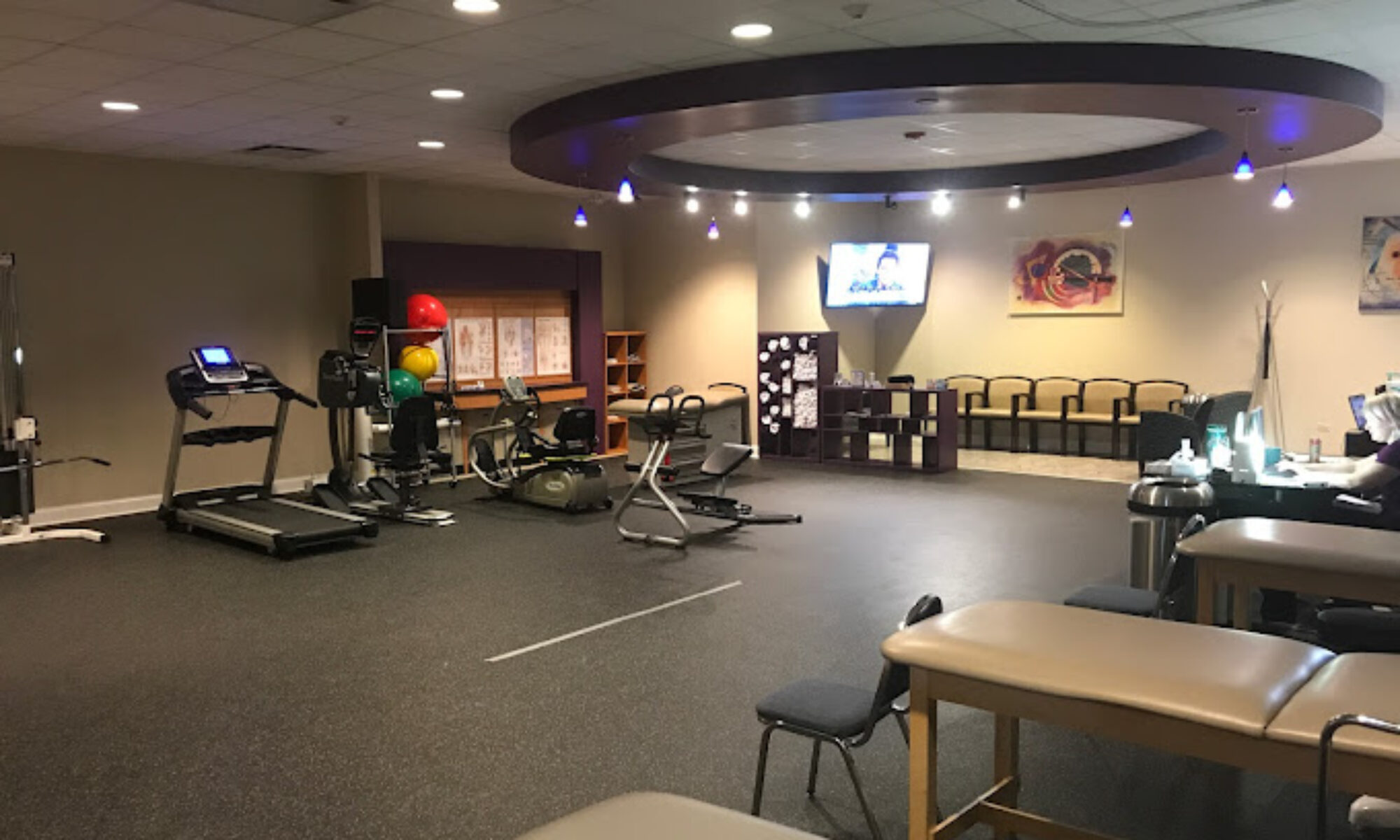

Physical therapy services and treatments have shown immense benefits in fields comprising cancer survival and sports medicine. Recent developments in these areas demonstrate the benefits of dedicated physical therapy services and a sporting focus to the treatments.
Physical therapists provide valuable support to patients diagnosed with cancer, helping to boost their strength, function, and independence during and after cancer treatment. These therapies tackle several concerns such as weakness, balance, scar tissue, lymphedema, range of motion, and rehabilitation equipment. Patients looking to schedule a therapy session would have to be referred by a certified physician or nurse practitioner.
A modern sports medicine clinic recently opened at Mount Royal University (MRU) stands as a testament to the developments in the field of physical therapy. This state-of-the-art clinic aims at providing specialized care and advanced treatment options and serving students, staff, and the public.
Dr. Alin Cristurean, a reputed sports medicine physician, consolidated his practice at the MRU’s Health Services Medical Clinic. His clinic offers comprehensive care for patients with acute or chronic injuries. From assessment and evaluation of injuries to various innovative therapies and treatments, the clinic serves as a one-stop solution for patients with sports-related injuries.
The clinic’s treatment options include cutting-edge ultrasound guided injections for joints, tendons, and ligaments related issues. Available common treatments include cortisone and Toradol injections, prolotherapy, trigger-point injections for myofascial pain, hyaluronic acid injections for joint and soft tissue problems, and platelet-rich plasma (PRP) treatments. The treatments offered here aim at tissue repair and regeneration, and patients needing orthopedic surgery can conveniently be referred.
Direct referrals to this clinic are available for varsity athletes and other patients from Health Services Medical Clinic. Patients from across the city can also be referred by their family doctor, physiotherapists, and chiropractors.
The establishment of a high-end destination clinic on MRU’s campus that improves access for residents, staff, and students aligns with MRU’s Vision 2030 strategic plan. This further involves blending the campus with the broader community.
MRU graduate Courtney Owen, a competitive soccer player, works as an athletic therapist alongside Dr. Cristurean. Owen primarily focuses on preparation, setup, pre-exams, and exercise prescription. Her emphasis on the quality of the patient experience resonates with the clinic’s overarching commitment to patient care.
The clinic aims at providing a comfortable and understanding environment. It ensures that each patient is treated individually with adequate time given to address questions and concerns.
For the therapists and doctors at the clinic, it’s about far more than just providing treatment. The primary goal is to instill long-term wellbeing into their patients, which is why they spend the time to explain treatment possibilities and the nature of their concerns. It’s this comprehensive approach to therapy that distinguishes them in the field.
In closing, physical therapy is continually proving its value as new approaches and facilities open, benefitting not just athletes, but anyone from any age or background. Whether it’s enhancing strength and mobility during and after cancer treatment or aiding athletes enhance their performance and recover from injuries, physical therapy is showing its versatility and efficacy in the most comprehensive ways.
For more information, contact the MRU Health Services Medical Clinic at 403.440.6326.
“Physical Therapy Market Poised to Reach USD 49.18 Billion by 2034: Charting a Comprehensive Growth Course”
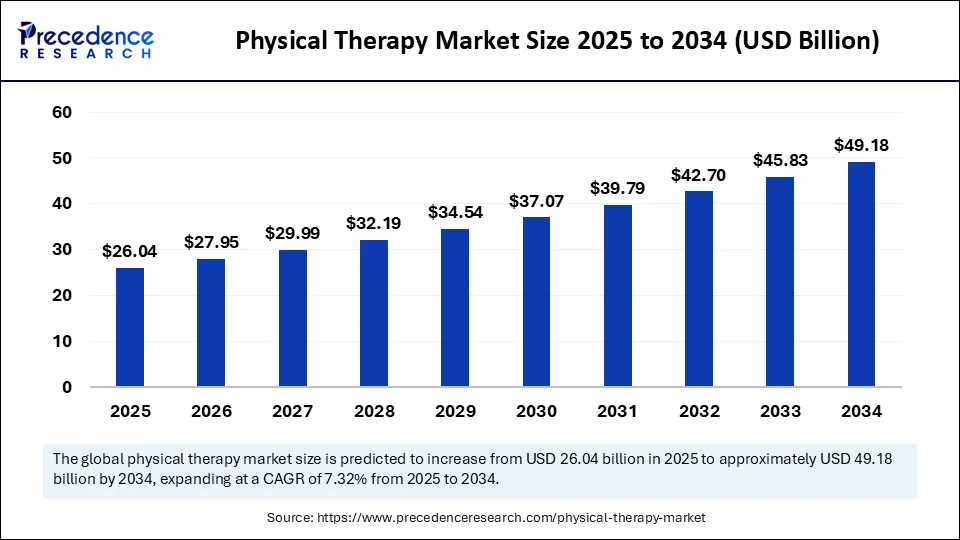
The global physical therapy market, valued at USD 26.04 billion in 2025, is projected to escalate dramatically, reaching approximately USD 49.18 billion by 2034. This signifies a Compound Annual Growth Rate (CAGR) of a solid 7.32% from 2025 to 2034. This momentum is chiefly powered by growing awareness of musculoskeletal health, an ageing population base, and an uptick in the demand for rehabilitation services following injury or surgical procedures. Moreover, technological integration into healthcare, particularly the rise of AI, is transforming traditional rehabilitation practices.
In 2024, the global physical therapy market boasted a revenue of USD 24.27 billion, closing the year with North America commanding a significant market share of 40%. As per the projections, this figure is expected to hit USD 49.18 billion by 2034, with a CAGR of 7.32% from 2025 to 2034. The highest CAGR expansion is earmarked for the Asia-Pacific region in the foreseeable period.
In terms of application, the orthopedic physical therapy segment held the lion’s share in 2024, while the neurological physical therapy segment is anticipated to scale the highest CAGR from 2025 to 2034. Adult patients dominate the market in terms of age, while the elderly segment is projected to expand at the fastest pace in the coming years. Correspondingly, in the end-user category, hospitals held the largest market share in 2024, with outpatient clinics expected to underline their significance with a high CAGR between 2025 and 2034.
Artificial Intelligence (AI) continues to revolutionize the field of physical therapy by introducing smart, data-backed, and bespoke rehabilitation strategies. AI platforms can now track patient progress in real-time, predict recovery timelines, and tweak therapy plans accurately. This digital overhaul doesn’t merely optimize treatment effectiveness but also expands access to quality healthcare, especially in remote or underserved regions. The market’s landscape, thus, sees AI playing a pivotal role in crafting a more personalized, proactive, and scalable model of rehabilitation.
Several factors are driving the steady growth of the global physical therapy market. The rising prevalence of chronic diseases such as arthritis, stroke, and sedentary lifestyle-related injuries are contributing significantly to the demand for physical therapy services. The increase in health awareness following the pandemic has also stimulated a rise in individuals seeking preventive and therapeutic care.
A spurt in demand for post-operative rehabilitation, primarily in patients recovering from orthopedic and neurological surgeries, has necessitated specialized therapeutic interventions. The increasing adoption of outpatient and home-based care models is another factor contributing to the surging demand for mobile physical therapy services. Technological advances, increased insurance coverage for physiotherapy services, and growing public awareness of the importance of preventive healthcare underscore physical therapy’s prominence as a vital element of modern wellness strategies.
While the market is teeming with opportunities, especially in emerging economies where healthcare systems are rapidly improving, it also grapples with several challenges. A glaring issue is the shortage of skilled physiotherapists, particularly in rural and low-income regions. This talent gap hampers the quality of care and restricts access, especially as demand spirals upward. Besides, high costs tied to advanced rehabilitation equipment and therapies may impede adoption in cost-sensitive regions.
Ultimately, the evolving landscape of the physical rehabilitation market offers many areas for exploration and optimization. Thanks to technological advances and a broader understanding of the critical role physical therapy plays in overall health and recovery, the future looks bright for this sector. Its growth and steady expansion by 2034 reinforce its efficacy and vital role in modern healthcare.
Rehabilitation and physical therapy services have been gaining increasing recognition due to their vital role in helping patients recover from various illnesses, injuries, and surgeries. Modern physical therapy centers strive to provide multi-faceted services to cater to a wide range of needs.
One such comprehensive physical therapy center is the UT Health East Texas Rehabilitation Center, which offers both inpatient and outpatient rehabilitation programs. Their inpatient services focus on helping patients regain mobility and function following serious illness, injury or surgery. These services include acute care, hemodialysis, occupational therapy, and physical therapy. The center also features a Level 1 Trauma center, diagnostic and laboratory services, limb loss rehabilitation program, psychology services, respiratory therapy, speech therapy, and a specialized Parkinson’s disease program.
Another compelling offering is their stroke rehabilitation program for recovering motor skills, speech, and cognitive functions affected by a stroke. They offer a transitional living facility to help bridge the gap between hospital care and independent living. Notably, the center also deploys VitalStim Therapy, a therapeutic intervention employed for dysphagia (swallowing disorders) treatment.
The East Texas Rehabilitation Center supplements these inpatient services with numerous outpatient programs. These include aquatics therapy, a balance and vestibular program, cardiopulmonary rehabilitation, dry needling, limb loss rehabilitation, lymphedema management, occupational therapy, orthotic therapy, and a Parkinson’s program. The center provides facilities for splinting, speech therapy, total joint replacement therapy, and work conditioning as well.
At Sanford Health West Fargo, physical therapy services are equally as dynamic. Physical therapy has become a pivotal part of the Sanford Health West Fargo’s healthcare ecosystem, focusing on helping patients resume normal routines and forestall prospective injuries. One-on-one therapy sessions and a range of specializations, including dizziness and imbalance treatment, dry needling, LSVT BIG treatment for Parkinson’s, lymphedema therapy, orthopedic care, pain management, postoperative services, stroke rehabilitation, and women’s healthcare are provided to ensure optimal patient recovery.
Both UT Health East Texas Rehabilitation Center and Sanford Health West Fargo serve as archetypal modern physical therapy service centers, ensuring patients are provided with diversified and comprehensive care. The end goal is to help them regain their mobility and independence and return them to their daily routines as efficiently and comfortably as possible. Future patients are encouraged to reach out to these centers to learn more about the rehabilitation and therapy options available.
3. New Cleveland Clinic Spine Program
The Cleveland Clinic, a renowned healthcare facility, has recently launched a dedicated Spine Program, intended to further improve patient access to high quality, effective spinal care. The program is aimed at aligning and clustering all spine services, thus streamlining the patient’s journey from diagnosis to rehabilitation.
The Spine Program at the Cleveland Clinic provides patients with access to leading specialists in the field, featuring a collaborative team of spine surgeons, pain management specialists, physical medicine and rehabilitation experts, and spine-specific radiologists. This multidisciplinary team makes use of state-of-the-art technology and implements innovative treatment methods to address spinal conditions.
The program’s services include diagnosis, surgical intervention, non-surgical treatments like pain and medication management, physiotherapy, and comprehensive spinal rehabilitation. They provide treatment for various spinal conditions ranging from degenerative disc disease, spinal stenosis, to complex spinal deformities and trauma.
4. Teletherapy gains prominence
Teletherapy, or online therapy, has gained increased prominence in the face of the COVID-19 pandemic, as therapists aim to provide uninterrupted services to their patients. This form of remote physical therapy is delivered through a secure, HIPAA-compliant video call. It allows patients to consult with therapists from their homes or workplaces, removing the need for transportation, and reducing the risk of cross-infection.
Patients usually need a computer, tablet, or smartphone with a camera and microphone, as well as a stable internet connection, to participate in teletherapy. During these sessions, therapists can assess patients, provide instructions, demonstrate exercises, supervise activity, and offer real-time feedback. Therapists can also use this approach to educate patients about their conditions and advise about self-care strategies.
Various studies have indicated that teletherapy is just as effective as in-person appointments for a range of conditions, including musculoskeletal conditions, neurological disorders, and pulmonary diseases. As the healthcare sector continues to navigate the challenges posed by the pandemic, it is anticipated that teletherapy will continue to see expanded use and further development.
5. Aquatic Physical Therapy: A Gentle Approach
Aquatic physical therapy, a specialized form of therapy performed in water, provides a number of benefits over traditional land-based therapy. The buoyancy, hydrostatic pressure, and temperature of water can make therapy sessions safer, more comfortable, and more effective for patients.
Aquatic therapy is often recommended for those with arthritis, chronic pain, neurological conditions, orthopedic injuries, or post-operative conditions. The water environment allows for low-impact movements, which can significantly decrease pain and swelling while improving flexibility and strength. Aquatic therapy can also be used to improve balance and coordination, cardiovascular fitness, and overall functionality.
The science behind this form of therapy is sound; water supports the body, reducing the amount of weight placed on the joints and muscles. This allows patients to perform exercises that they may not be able to accomplish on land.
Despite the many advantages of aquatic therapy, it may not be suitable for everyone. For instance, those with open wounds, infections, or certain cardiovascular issues should consult their healthcare providers before participating in aquatic therapy.
In conclusion, physical therapy is an ever-evolving field with a range of services and techniques designed to support patients’ recovery and improve their quality of life. The combined effort of expert teams, latest technology, and innovative treatments at institutions like HSS Pediatric Rehabilitation & Young Athlete Center, Mayo Clinic’s PM&R department, the Cleveland Clinic Spine Program, along with emerging therapeutic approaches like teletherapy and aquatic therapy, signifies a promising future for rehabilitation services.
Sources:
 Benefits of Physical Therapy
 State-of-the-art sports medicine clinic opens at MRU
 Physical Therapy Market Size to Hit USD 49.18 Billion by 2034
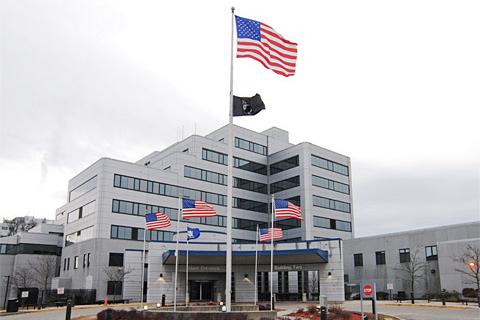 West Haven VA Medical Center | VA Connecticut Health Care | Veterans Affairs
 Physical Therapy and Rehabilitation
 Physical Therapy Services Now Available at Sanford West Fargo
 HSS Pediatric Rehabilitation and Young Athlete Center
 Physical Medicine and Rehabilitation – Overview

