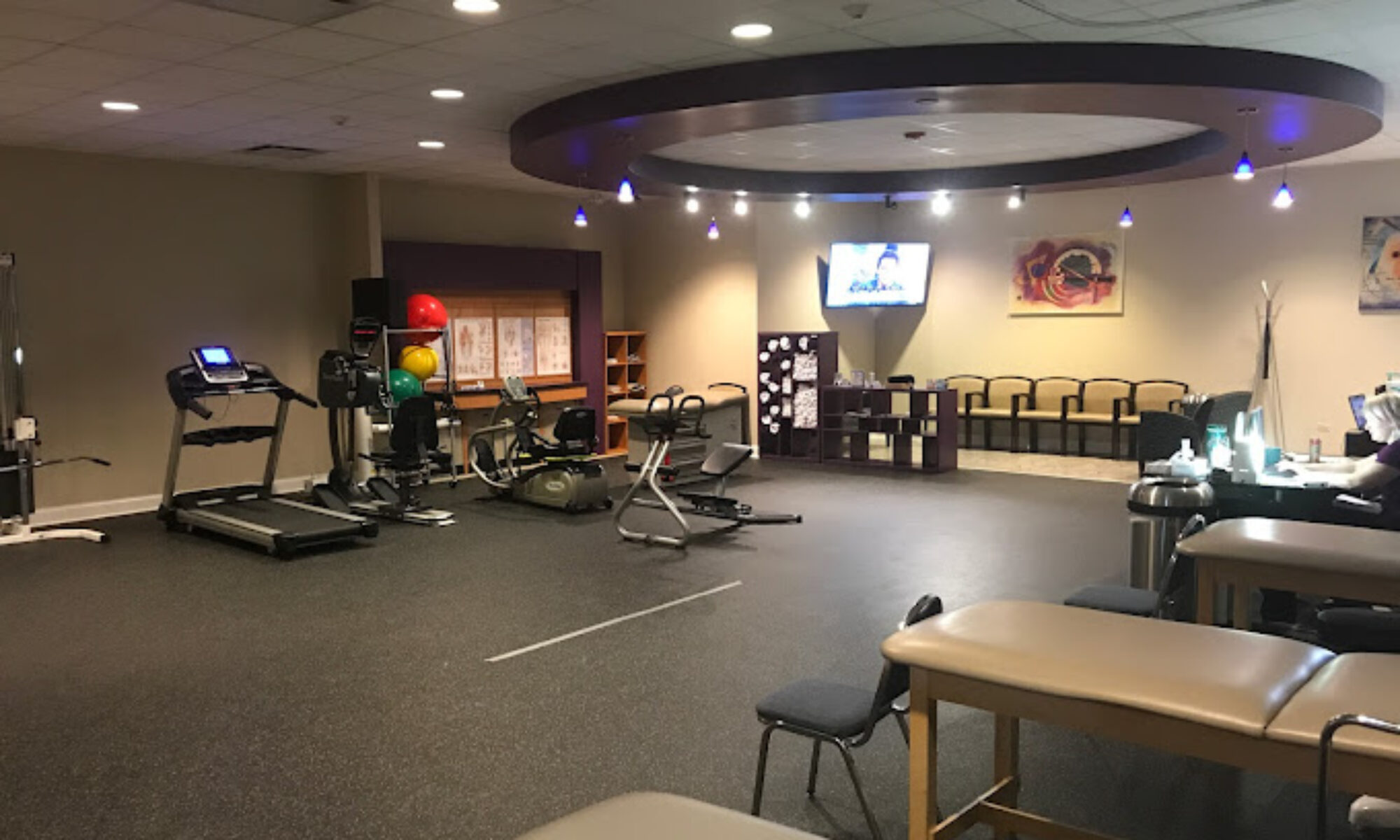

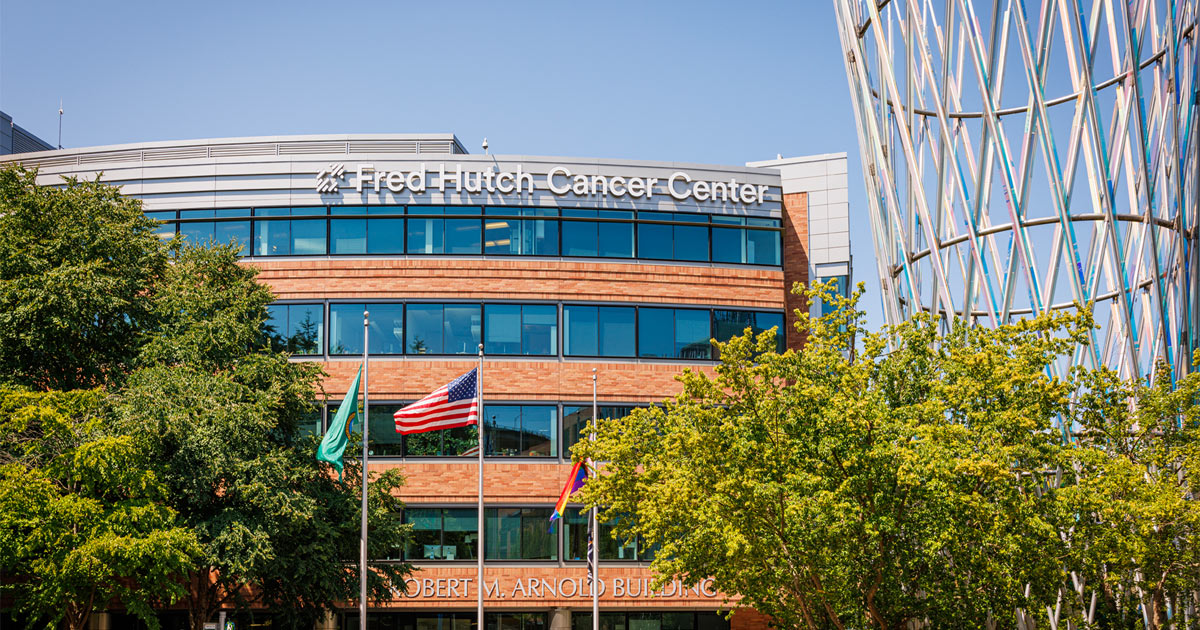
Physical therapy (PT) is a crucial part of health and wellness in people’s lives, offering numerous benefits such as improved strength, mobility, and independence, particularly among those diagnosed with health conditions such as cancer. Specialists in oncology at the Fred Hutchinson Cancer Research Center, for instance, offer physical therapy services to cancer patients dealing with concerns such as weakness, balance, lymphedema, and scar tissue. By offering specialized therapies and utilization of rehabilitation equipment, they can help improve bodily functions and quality of life.
Physical Medicine and Rehabilitation (PM&R), another branch of physical therapy, also offer numerous health benefits. Specialists at Mayo Clinic, one of the renowned health organizations in the world, are committed to using PM&R to restore function and movement to people limited by disease or injury. These experts treat a variety of medical conditions affecting the nervous and musculoskeletal systems.
One of the strengths of Mayo Clinic’ PM&R program is the concept of restoring function, which is at the heart of their treatment approach. This concept focuses on helping patients regain the best options for their quality of life, maintain as much muscle ability as possible, assist in retraining mental pathways, and overall, reach their optimum capability considering their specific needs.
The rehabilitation teams at Mayo Clinic treat people with all forms of traumatic or non-traumatic injuries. They pride themselves on the unique patient-centric approach that involves the patients in their own medical decisions. This makes it possible for the experts to offer individualized treatment plans based on reviewed medical images and physical examinations – some of which they have been doing for decades.
Mayo Clinic’s PM&R treatment modalities include bone, muscle, and soft tissue therapies, gaming and Esports medicine, adaptive athlete medicine, and pediatric rehabilitation. They strive to enhance the patients’ quality of life after illness or injury, regardless of whether it’s through short-term or long-term care programs. This is done by customizing the best plan of care to meet individual patient’s needs.
This renowned clinic’s multidisciplinary team comprises physicians, therapists, advanced care providers, and nurses, all of whom work in unison to ensure patients achieve complete and timely recovery. They treat thousands of people every year using state-of-the-art medical treatments and non-surgical options to address various functional limitations. Treatment options include physical modalities such as custom orthotics, ultrasound, therapeutic exercise, manual therapy, and patient education to understand their medical condition and rehabilitative care better.
Continuously participating in research, teamwork, and continuing education, Mayo Clinic’s PM&R department innately prioritizes advancement and improvement. The Assistive and Restorative Technology Laboratory (ART Lab) stands as proof of this commitment, where therapy and testing procedures using state-of-the-art technology are made available.
Some of the advanced technologies utilized in this lab include 3D computer technology and printing for hand/wrist braces. They also offer advanced prosthetic options for people with amputations, functional electrical stimulation, and walking assessment in the Motion Analysis Laboratory, among others.
Furthermore, clinical trials are routinely conducted as part of Mayo Clinic’s PM&R approach to contribute to the improvement and advancement of patient care. With renowned expertise, cutting-edge technology, and quality care, Mayo Clinic has been able to provide reliable, extensive, and personalized care for all its patients. Whether through referral or on their own volition, patients can access services at any of Mayo Clinic’s campuses in Arizona, Florida, and Rochester, Minnesota, and also at Mayo Clinic Health System locations in Minnesota, Wisconsin, and Iowa.
In summary, physical therapy is an essential resource that offers invaluable improvements in patients’ lives. With continuous advancements and a patient-centric approach, facilities like Fred Hutchinson Cancer Research Center and Mayo Clinic are leading the way in demonstrating how comprehensive and personalized physical therapy can significantly enhance the quality of life and wellness of patients.
**Physical Therapy Services and Treatments Adaptations in the Age of COVID-19**
As the world continues to grapple with COVID-19, the necessity of physical therapy services for patient recovery remains as vital as ever. Healthcare institutions such as the VA Connecticut Healthcare and the West Haven VA Medical Center continue to adjust their services to maintain patient access during these challenging times. More recently, however, a significant change has been observed in the delivery of services: the shift from hands-on treatments to telerehabilitation.
**Transportation Services at VA Medical Centers**
The provision of non-emergency transport for veterans seeking treatment at the VA Connecticut Healthcare and West Haven VA Medical Centers continues despite the pandemic. Shuttle services, DAV van services, and other local transport options are available to carry veterans and their authorized caregivers to and from medical appointments. Beneficiary travel benefits provided by the VA also include round-trip transportation, mileage reimbursement, and special mode transport.
While these measures ensure continued access to services, the traditional physical therapy services have also undergone a dramatic change.
**The Shift to Telerehabilitation**
A recent survey reflecting the experiences of delivering physiotherapy services during the COVID-19 pandemic emphasized the profound shift to telerehabilitation. Traditionally, physiotherapy is a hands-on field, but the pandemic has seen an increase in therapy being provided via phone or videoconference – a method known as telerehabilitation.
Compared to the period before the pandemic, the study revealed that the use of a phone for delivering physiotherapy increased from 24.0% to 73.3% of physiotherapists, while the utilization of videoconference increased from 5.3% to 77.3%.
While the adoption rate of telerehabilitation increased, the study noted that physiotherapists had reservations about the effectiveness of this method. Less than half of the surveyed physiotherapists felt that they could use videoconference to effectively treat pain (49.3%), upper extremity function (40.0%), or strength/range of motion (48.0%). Only 29.3% felt they could effectively treat walking balance or mobility by videoconference.
Among the listed technical barriers, “client comfort with the equipment” was reported by 90.7% of physiotherapists, and “positioning the webcam” by 76.0%. Despite these challenges, the majority of physiotherapists agreed they would continue the practice of telerehabilitation via phone (54.7%) and videoconference (68.0%).
**Adaptation and Opportunities**
Telerehabilitation offered patient assessments, exercise interventions, pain management treatments, and patient education, among other services. Still, the study found that videoconference was deemed more effective compared to phone for delivering these services.
Despite the obstacles, the benefits of telerehabilitation were also underlined. Among these benefits were the capacity to engage caregivers as partners in at-home rehabilitation (61.3%) and the feasibility of offering treatment in patients’ homes – reducing the risks of disease transmission during the pandemic.
The survey provided valuable insights into the adaptation of physiotherapists to telerehabilitation and shed light on how these services could be improved in the future. However, the study was open to potential bias, as physiotherapists with positive experiences were more likely to respond.
**Looking Ahead**
As the world continues to live with COVID-19, the healthcare industry must adapt to meet changing needs and circumstances. Telerehabilitation is an evolving field with immense potential, particularly in serving regions with limited physical therapy access.
This monumental transition to remote-care necessitates more research on how to optimize telerehabilitation, improve client comfort with technology, and maintain the safety and effectiveness of treatments delivered remotely. Large-scale incorporation of telerehabilitation post-pandemic could change the face of physical therapy as we know it – transforming it into a more accessible, flexible, and patient-centered service.
Title: Expanding the Boundaries of Healthcare: Physical Therapy Services and Treatments at Kearny Mesa VA Clinic and Hackensack Meridian Health
Providing healthcare services is no longer confined to medical establishments alone. Concepts of home-based care, community healthcare, and medical transportation services are radicalizing service provision. This feature focuses on dedicated veterans’ care at the VA San Diego Healthcare System’s Kearny Mesa VA Clinic and the proficient physical therapy services at Hackensack Meridian Health.
The Kearny Mesa VA Clinic under the helm of the VA San Diego Healthcare System, is committed to ensuring that veterans do not have transportation impediments to their medical appointments. Providing free services under the Veterans Transportation Service (VTS), these rides can be scheduled 2-10 business days in advance. They serve a broad area including San Diego, Chula Vista, and El Cajon and accommodate veterans who can walk or are reliant on aids like canes, crutches, walkers, wheelchairs, and powered scooters. Their specialized vans are equipped with hydraulic lifts to facilitate easy boarding and alighting. The clinic also leverages the Disabled American Veterans (DAV) transportation free of charge to veterans for a wider geographical reach.
Besides, Special Mode Transportation is a specialized service catering to severely disabled veterans. Despite eligibility criteria, this service underscores the clinic’s commitment to accommodating a diverse disability spectrum. Additional county-specific van services, local MTS Bus Routes, North County Lift Van, F.A.C.T., and Rides in Sight program also offer several transportation options to the veterans. Most notably, the veteran’s travel benefits extend even to cover the round-trip journey back home and mileage reimbursement.
While the VA Clinic checks transportation challenges, professional care during physical therapy services is instrumental for effective recovery. Hackensack Meridian Health stands out in the domain, offering a broad selection of physical, occupational, and speech therapy programs, designed with customized goals and personalized treatment strategies.
Their proficient physical therapists specialize in conditions related to orthopedic problems, pain management, sports injuries and helping patients regain functional abilities. Conditions such as neck, shoulder, back, hip, and knee pains are addressed using comprehensive orthopedic physical therapy approaches. Simultaneously, sports injury rehabilitation is a staple, offering athletes comprehensive care and helping them return to their optimal performance levels.
Aging and chronic diseases can disrupt everyday activities and dampen the quality of life. Occupational therapy programs, in concert with physical therapy, can significantly help patients regain their independence. These programs are tweaked to suit individual needs and focus on improving quality of life through therapeutic interventions.
Speech therapy services complement the physical and occupational therapies by addressing specific issues of communication disorders, swallowing difficulties, and cognitive impairments. Using specialized therapy sessions, they help patients overcome these barriers, thus enhancing their overall wellbeing and health.
In conclusion, the dedication shown by facilities like the VA San Diego Healthcare System and Hackensack Meridian Health, in their distinctive domains, allow for a more inclusive, effective, and personalized healthcare system. Offering transportation services for the veterans assures them unperturbed access to their medical scheduling while competent physical therapy services ensure they can make the most of their renewed health. The blend of expertise in physical, occupational, and speech therapy services further amplifies the significance of a multidisciplinary therapeutic approach for effective rehabilitation.
Sources:
 Benefits of Physical Therapy
 Physical Medicine and Rehabilitation – Overview
 West Haven VA Medical Center | VA Connecticut Health Care | Veterans Affairs
 A survey of the experiences of delivering physiotherapy services through telerehabilitation during the COVID-19 pandemic
 Kearny Mesa VA Clinic | VA San Diego Health Care | Veterans Affairs


