Physical Medicine and Rehabilitation (PM&R) is a specialized medical field that aims to restore movement and function for individuals coping with disease or injury. This significant branch of medical science involves the diagnosis and treatment of conditions affecting the brain, spinal cord, nerves, and the musculoskeletal system. At the most renowned medical institute, the Mayo Clinic, this branch of medicine is catered to each patient’s unique needs, abilities, and objectives.
Mayo Clinic’s PM&R department focuses on the concept of “restoring function,” an approach that enables patients to maximize their quality of life, retain and even enhance muscle ability, train mental pathways, and optimize every remaining capability. It’s an approach that isn’t one-size-fits-all; instead, it is flexible and adjusts to the needs of each patient.
This innovative and patient-centered speciality tackles all causes of traumatic or nontraumatic injuries with a team of highly skilled experts. Treatment and rehabilitation plans aim to enhance the patients’ involvement in medical decisions, ensure total comfort with the treatment plans and understand the complete picture of their health.
At the Mayo Clinic, patients can benefit from a plethora of services and treatment options tailored for different cases. For instance, the clinic has expertise in bone, muscle, and soft tissue therapies, Gaming and Esports medicine, as well as adaptive athlete medicine. Additionally, they provide specialized pediatric rehabilitation with dedicated and experienced practitioners for the smallest of patients.
Patients can access expert care across Mayo Clinic campuses. PM&R specialists offer various recovery programs, delivering short-term or long-term care as needed. Emphasizing a team approach, the clinics employ multidisciplinary teams composed of physicians, therapists, advanced care providers, nurses, and more.
Patients coming to the Mayo Clinic for rehabilitation enter a setting that values research, teamwork, and continuous education. These values ensure the Healthcare providers can offer state-of-the-art medical treatments and nonsurgical options for different functional limitations.
The clinic offers treatments such as physical modalities, custom orthotics and ultrasound. Additionally, therapeutic exercise and manual therapy form part of the intervention strategies to aid mobility and accelerate healing. Patient education opportunities are also abundant, helping patients understand their condition and their rehabilitative care better.
Technological advancements ensure PM&R at the Mayo clinic is constantly evolving. The clinic prides itself on utilizing cutting-edge technology in their Assistive and Restorative Technology Laboratory (ART Lab). Here, patients get exposure to 3D computer technology for the creation of custom hand/wrist braces, and digital walking assessments in the Motion Analysis Laboratory. The ART Lab also offers functional electrical stimulation to aid rehabilitation and provides consultation services for assistive technology for a range of conditions.
Clinical trials and research are an integral part of the PM&R services. The professionals are continually seeking to push the boundaries of rehabilitation science, aiming to improve functionality and quality of life for every patient. The clinic also prides itself on offering advanced prosthetic options for amputees.
In conclusion, from Arizona to Rochester, the Mayo Clinic’s PM&R department provides holistic, patient-centered care based on a multidisciplinary approach, advanced technology, and a commitment to enhancing quality of life. Whether it’s short-term outpatient care or long-term intensive therapies, patients can be sure they are receiving some of the best care in the world. These renowned services are also available at Mayo Clinic Health System locations in Minnesota, Wisconsin, and Iowa, ensuring that world-class rehabilitation services are accessible to many.
Title: Modern Physical Therapy Services and Treatments: A Comprehensive Review
Physical therapy, also known as physiotherapy, is an integral part of the healthcare sector. It plays a crucial role in the maintenance and restoration of one’s physical capabilities, particularly in patients who have suffered injuries, undergone surgeries, or are living with debilitating illnesses such as cancer. Recently, there has been a surge in advanced physical therapy services and treatments, aiming to help patients regain their quality of life. This article discusses the latest insights on physical therapy services based on online sources written in the last month.
There is a multitude of benefits to physical therapy, not just limited to recovery from injury or surgery. Physical therapy aids in the overall improvement of a patient’s strength, function, and independence. It is particularly advantageous for people of all ages diagnosed with cancer. During and post cancer treatments, physical therapy interventions can significantly build strength, manage symptoms, shrink scar tissue, aid lymphedema treatments, and enhance range of motion.
Physical therapists are trained healthcare professionals skilled in diagnosing physical abnormalities, restoring mobility, maintaining physical function, and promoting physical activity and proper function. Moreover, they provide advice on preventative healthcare advice and exercises.
An essential aspect of physical therapy services is the provision of specialized care. For instance, at the Fred Hutch clinic, patients need to be referred by a Fred Hutch physician, physician assistant, or nurse practitioner to schedule a physical therapy appointment. To cater to patients with secondary lymphedema – a condition characterized by swelling in an arm or leg caused by a blockage in the lymphatic system – the clinic has physical therapists who specialize in oncology.
Physical therapy isn’t one size fits all, and therapists often use a personalized, patient-centric approach. Techniques and processes used by therapists depend on the patient’s unique circumstances, such as their health history, physical capabilities, and specific needs.
Physical therapists have expertise in manual therapy, therapeutic exercise, and the application of technological equipment. For instance, they help manage and reduce pain through physical therapy techniques such as joint and soft tissue mobilization, or treatments like ultrasound, taping, or electrical stimulation. The therapy could be designed to prevent impairment and disability, while promoting fitness, health, and wellness.
The efficacy of physical therapy treatments isn’t limited to recovery from physical ailments; it also has significant benefits in managing mental health conditions, such as depression and anxiety, that often accompany chronic health issues. Therapists at professional physical therapy facilities offer group exercise therapy sessions, one-on-one counseling, and stress management techniques to help patients cope with their mental health complications. Maintaining mental health is crucial to the overall healing process, and these services are increasingly being recognized as an integral part of physical therapy treatments.
Physical therapists also play a significant role in the rehabilitation of stroke patients. Stroke can lead to severe motor impairment, but physical therapists assist in regaining lost motor functions. They use techniques such as strengthening exercises, stabilization training, relearning daily activities, and balance training to help patients restore physical function and regain independence.
Moreover, physical therapy treatments are not only for the elderly or the sick. Even athletes, children, and healthy adults can benefit from these services in terms of wellness promotion and disease prevention. For instance, physiotherapy can help athletes prevent injuries, enhance their performance, and improve physical abilities. Children with developmental disabilities can improve their motor functions and physical development through pediatric physical therapy treatments.
Physical therapists undergo rigorous training and education that allow them to provide treatments with varying levels of intensity, from mild to highly intensive therapies, to address the individual needs of patients. Rigorous education, licensing, and regulations ensure patient safety and successful treatment outcomes.
Therefore, physical therapy is a comprehensive healthcare service that provides personalized treatments for patients across all age groups. The benefits of physical therapy services stretch far beyond injury recovery and include preventive healthcare, wellness promotion, and holistic healing. With their academic background and hands-on experience, physical therapists are equiping patients to lead healthier, more active lives.
In conclusion, physical therapy services are undoubtedly an essential component in today’s healthcare industry. With technological advancements, there is a rise in innovative strategies and treatments that can further enhance the efficacy of physical therapy services and treatments, thus improving patients’ lives and overall health outcomes. To reap maximum benefits, it’s essential to visit certified and recognized physical therapy clinics, such as the Fred Hutch clinic, for professional and specialized care.
#
The article is based on online sources written in the last month.
Title: The Evolving Landscape of Physical Therapy Services and Treatments
Physical therapy services play an indispensable role in healthcare, enabling individuals to recover, improve, or maintain their physical abilities. In the last month, facilities like the West Haven VA Medical Center have been innovating to offer more accessible and efficient physical therapy by pushing the boundaries of traditional services and treatments.
The West Haven VA Medical Center is just one of the Veterans Affairs institutions that exemplifies this patient-centered approach. The health center stands out for providing effective non-Disabled American Veterans (DAV) van services, as well as shuttle services. These services are available within normal business hours of weekdays, barring federal holidays, ensuring that veterans can access needed medical appointments and physical therapy sessions.
The VA Connecticut Health Care system has been innovative in its approach to supporting veterans. For example, it is coordinating with Disabled American Veterans (DAV) and contracted vendors to offer transportation to veterans and their authorized caregivers. These individuals can arrange rides by contacting a DAV coordinator, who schedules vans based on individual needs to ensure that veterans can reach their scheduled medical appointments.
Veterans in need of physical therapy are serviced by efficient shuttle services connecting the Newington and West Haven campuses, offering two round trips during the day. A van departs the Newington campus at 10 a.m., and after reaching the West Haven campus, makes return trips at 12:30 p.m. and 5 p.m.
In addition to the regular services, the institute maintains an active route from Leeds to West Haven through Springfield and Newington. It sets off from Leeds at 7:30 a.m., makes a stop at Springfield at 8 a.m., halts at Newington at 9 a.m., and finally arrives at West Haven at 10 a.m. In the afternoon, the schedule causes it to leave West Haven at 2 p.m., arriving back at Leeds at 4:30 p.m.
These travel services prioritize convenience and efficiency but it is suggested that the patients call at least 48 hours in advance to reserve their seat. The Travel Clerk can provide further information and assistance for reservations.
Another notable service is the beneficiary travel program, which offers round-trip transportation from the veteran’s home to the medical center. It further allows for mileage reimbursement or special mode transport. Veterans who are not eligible for the beneficiary travel program can reach out for help to the local Van Service or shuttles.
However, it is not just the variety of services that define modern physical therapy but also how treatments evolve. The demand for therapy services has escalated due to an aging population and rise in chronic diseases, prompting providers to adapt their methods. For instance, tele-rehabilitation or virtual therapy has come to the forefront, enabling patients to receive care at the comfort of their homes.
At the core, physical therapy includes an array of treatments, each highly customizable to cater to specific patient needs. From manual therapy like massage and mobilization, pain management strategies, exercise prescriptions to rehabilitative procedures like cardiovascular conditioning, it sets the bedrock for a patient’s recovery or improvement.
The personalized nature of physical therapy is backed by an assessment and diagnosis phase. A detailed understanding of a patient’s condition guides the formulation of an individual program. The therapy goal may involve improving mobility, strength, managing a chronic illness, or mitigifying the limitations imposed by disability.
On the cusp of technology and innovation, facilities like the West Haven VA Medical Center actively incorporate virtual care, enhancing access to their already functional and robust physical therapy system. The use of health-related smart applications, wearables for monitoring physical activities, and digital tools for online consultations are some aspects of this development.
In conclusion, the services that physical therapy providers offer are becoming more comprehensive, with the integration of transportation assistance, beneficiary travel programs, personalize treatment plans, and tele-rehab services. As treatments continue to evolve, physical therapy is all set to meet the changing needs of patients, making optimal health outcomes more accessible than ever.
The global physical therapy services market size is set to grow from USD 140.69 billion in 2025 to reach USD 186.90 billion by 2033, exhibiting a Compound Annual Growth Rate (CAGR) of 3.61% during the forecast period (2025-2033). These services target improving a patient’s physical function, mobility, and quality of life, relying on the professional guidance of licensed physical therapists.
Rising incidence of chronic conditions such as arthritis and cardiovascular diseases, alongside musculoskeletal disorders, has escalated the demand for rehabilitation services. These needs are compounded by the ageing global population, thus necessitating therapeutic services aimed at enhancing mobility and reducing pain. Furthermore, technological advancements, particularly in the realm of telehealth and digital platforms, have broadened the accessibility of physical therapy services.
Robotics and AI developments are revolutionizing the rehabilitation field, enabling more precise and personalized therapy experiences. BIONIK Laboratories, for instance, uses its InMotion therapy systems to aid in motor recovery for stroke patients through robotic assistance. Besides, the increasingly popular tele-rehabilitation and digital platforms are expanding the global reach of physical therapy. Platforms like Physitrack allow therapists to create personalized exercise programs for patients to follow at home, with access to data-driven insights for better treatment plans.
Sports medicine and rehabilitation have grown in popularity among all age groups, significantly increasing the demand for rehabilitation services for related injuries. Athletico Physical Therapy offers specialized services to athletes, focusing on injury prevention and optimal post-injury recovery.
While the market is undoubtedly growing, high therapy costs have limited accessibility in countries without universal health coverage. In the U.S., for instance, a physiotherapy session would cost an average of $30 to $400, posing financial constraints to patients needing consistent care. Despite this, opportunities for home-based physical therapy services are broadening, particularly beneficial for elderly or immobile patients who find clinic visits challenging.
North America holds the largest revenue share in the global market, primarily due to the high prevalence of musculoskeletal disorders and chronic health issues. Further, the region possesses a robust healthcare infrastructure and broad insurance coverage that enable greater access to physiotherapy. Meanwhile, rapid economic growth and increased healthcare expenditure in the Asia-Pacific region, combined with an increasingly ageing population and chronic disease incidences, are driving the highest CAGR in the global market.
Application-wise, the global market is split into orthopedic therapy, geriatric therapy, cardiopulmonary therapy, pediatric therapy, neurological therapy, women’s health, among others. The significant disease burden attributed to musculoskeletal conditions, such as osteoarthritis, underscores the need for effective rehabilitation services.
The market also diverges based on payers into public insurance, private insurance, and out-of-pocket, with private insurance dominating due to the comprehensive coverage it provides. End-user market segmentation includes outpatient clinics, hospitals, home healthcare, amongst others. Outpatient clinics, with their convenient and accessible nature, command the principal market share.
Key players include Athletico Physical Therapy, Physical Rehabilitation Network (PRN), Select Medical Corporation, NovaCare Rehabilitation, Kessler Rehabilitation Center, PT Solutions Physical Therapy, Therapydia, and Benchmark Physical Therapy, among others. These entities frequently turn to strategic collaborations, acquisitions, and partnerships to diversify their service offerings and widen their geographic footprint.
To summarize, physical therapy services are experiencing a surge due to the escalating demand for effective health management solutions globally. The evolution in telehealth and digital medical platforms, alongside innovations in robotics and AI, is transforming this market. However, it will be essential to make these services financially accessible for patients across different economic strata.
Article:
Physiotherapy services, defined by their hands-on nature and in-person assessments, faced a dramatic shift due to the COVID-19 pandemic. A recent study aimed to explore the ways in which physiotherapists adapted to this shift. The survey, conducted among 75 physiotherapists, showed a significant increase in the use of digital platforms for providing physiotherapy services during the pandemic. The study found that the use of a phone for delivering physiotherapy increased from 24.0% to 73.3%, while video conferencing increased from 5.3% to 77.3%. The findings suggested that videoconference was a more effective delivery method than phone.
Despite the increase in digital service provision, less than half of the participants felt they could effectively treat pain, upper extremity function, or strength/range of motion using these platforms. Significantly, only 29.3% of participants felt they could effectively treat walking balance or mobility using video conference services. The data also showed that technical barriers, such as comfort with and positioning of equipment, presented challenges to the widespread adoption of digital physiotherapy sessions.
Meanwhile, a large proportion of physiotherapists indicated their commitment to continue using digital platforms for patient services after the pandemic. This highlights the willingness among health professionals to adapt their practices to changing circumstances and continue providing essential services to patients, despite technological and practical challenges.
Orthopedics, neurological rehabilitation and mixed caseloads were the primary areas of work for the participants. Interestingly, out of the total participants, 81.3% were females. Moreover, the majority of the participants did not have experience in delivering physiotherapy sessions over phone or video before the pandemic.
The study concluded that while digital platforms posed challenges in treating certain physical conditions, they were effective for activities such as patient education. In fact, during the pandemic, 89.3% of the therapists used phone and 80.0% used videoconference for patient education interventions. However, the use of digital platforms for home environment assessment was reported to be lower.
Regarding the barriers to digital implementation, many physiotherapists highlighted concerns about patient safety and difficulties for patients with hearing loss. Further, technical barriers such as client comfort with equipment (90.7%) and positioning of the webcam (76.0%) were pointed out by the physiotherapists.
Another major finding was that many physiotherapists found telehealth to be tiring. However, despite such barriers, more than half of participants expressed their readiness to integrate digital platforms into their practice in the future.
This study provides a snapshot of how physiotherapy services have changed during the pandemic. As the profession continues to grapple with these adaptations and changes, it remains crucial to focus on ensuring effective and equitable service provision.
2. “New Roles for Physical Therapy Amid the Opioid Crisis”
According to Physical Therapy Products, the opioid crisis continues to increase the demand for effective alternative pain management strategies. As part of the multi-pronged approach in combating the current opioid epidemic, physical therapy (PT) is playing an increasingly prominent role.
Physical therapists are realizing the importance of including comprehensive pain education in their treatment protocols. By imparting knowledge of pain concepts to patients, including the psychological aspects of pain and recovery, treatments can be tailored to an individual’s specific pain experience.
In a peaceful revolution against chronic pain, PT sessions are being structured around helping patients understand pain, reduce its intensity, and regain functionality. To optimize effectiveness, physical therapy is interspersed with patient education, self-management training, and behavioral therapy. Some treatments may include relaxation techniques, mindfulness, and biofeedback training.
Robert Babb, PT, MBA, owner of Montclair Physical Therapy, recommends the use of manual therapy, stating that it “provides both immediate and short-term pain relief in several pain conditions.” He also encourages a multimodal approach including movement, exercise, and self-management strategies.
Moreover, as a cost-effective alternate to opioids, PT can address the root cause of pain, while offering an alternative to invasive treatments that often have potential side effects and high costs.
Physical therapists can be the frontline providers encouraging patients to shift their perception of pain from hazardous to manageable. They can educate patients about the negative side effects of opioids and provide information about alternative pain management methods.
3. Enhanced recovery and rehabilitative approaches following joint replacement surgeries – Study analysis
With a rising incidence of joint replacement surgeries worldwide, the role of rehabilitative physical therapy increases in importance, as suggested by a study published in the Journal of Orthopedic and Sports Physical Therapy (JOSPT).
The study introduces the concept of Enhanced Recovery After Surgery (ERAS), a concept formulated to optimize recovery following joint replacement surgeries. ERAS involves several preoperative, intraoperative, and postoperative strategies that include the use of preoperative education and exercise therapy, anesthesia, medication, and fluid management.
In essence, ERAS aims to limit the surgical stress response, support overall recovery, and facilitate early initiation of rehabilitation. It is believed that such a coordinated approach can lead to shorter hospital stay, improved outcomes, fewer complications, and enhanced patient experiences.
Physical therapists, as essential participants in ERAS pathways, provide patient education, prescribe evidence-based exercises, manage early mobility, and ensure safe discharge planning. These professionals can closely monitor patients, providing vital inputs to improve surgical outcomes.
Although ERAS has gained popularity in many parts of the world, the best practices about its application and the exact role of physical therapists continuously evolve. More research is necessary to integrate the ERAS with physical therapy to achieve optimum patient outcomes.
Additionally, APTA’s orthopedic group recently launched the Total Hip & Knee Replacement Rehab Clinical Practice Guideline, a guide for clinicians about best practices on knee and hip rehabilitation.
In conclusion, the evolving role of physical therapy continues to adapt to the needs of diverse patient groups. From treating men undergoing prostatectomy to providing alternate pain management methods and ensuring effective recovery after surgeries, PT is consistently proving its potential as a fundamental pillar of optimal health care.
The global physiotherapy services market is predicted to reach US$79.34bn by 2031, according to Coherent Market Insights. The report estimates the market value to be US$55.23bn in 2024, with a Compound Annual Growth Rate (CAGR) of 5.3% over the 2024-2031 period.
The growth is attributed to the rising prevalence of chronic conditions like cardiovascular diseases, diabetes, cancer, and respiratory diseases. The World Health Organization (WHO) reported that in 2019, chronic diseases were responsible for around 70% of all deaths worldwide. Global aging is another factor contributing to this increase as it boosts the demand for physiotherapy services.
Physiotherapy is becoming an increasingly preferred methodology for treating various diseases, especially among the elderly population. Trends like increased adoption of evidence-based physiotherapy practices and the use of digital healthcare tools such as telerehabilitation, 3D motion sensors, and virtual reality, are steering the growth of this market.
The report breaks down the market into several categories based on physiotherapy type, end-user population, and service providers. It covers all of the world’s geographies, with North America expected to dominate due to its advanced healthcare infrastructure and rising healthcare expenditure.
The dominant physiotherapy segment in 2024 will be cardiopulmonary, accounting for over 30% of the global market, due to the increasing prevalence of cardiovascular and lung diseases. Physiotherapy plays an essential role in the treatment and management of conditions such as heart failure, COPD, and asthma.
By 2050, the United Nations predicts that the population aged 60 years or more will rise to nearly 2.1 billion from 1 billion in 2020. The geriatric population will undergo physical therapy to enhance balance and coordination, manage pain, and improve the quality of life.
In terms of end-user population, the pediatric segment is anticipated to dominate during the forecast period due, in part, to the rigorous involvement of children in sports activities. Meanwhile, in terms of service providers, hospital segments are expected to hold the majority market share due to an increased number of physiotherapy departments being established.
Key competitors in the market include ProRehab Physical Therapy, Physiotherapy Associates, Encompass Health, Upright Health, and Select Medical Corporation, amongst others.
Recently, Movement Solutions expanded its service offering to include mobile physiotherapy. Pure Physiotherapy announced plans to establish a new facility in Rochdale in February 2022.
The report provides a detailed segmentation of the market for more localized insights.
Finally, the report highlights the opportunities in the market amidst the growth of chronic diseases and the rise in sports and accident-related injuries. Despite these opportunities, challenges remain, such as a lack of reimbursement policies and high physiotherapy service costs.
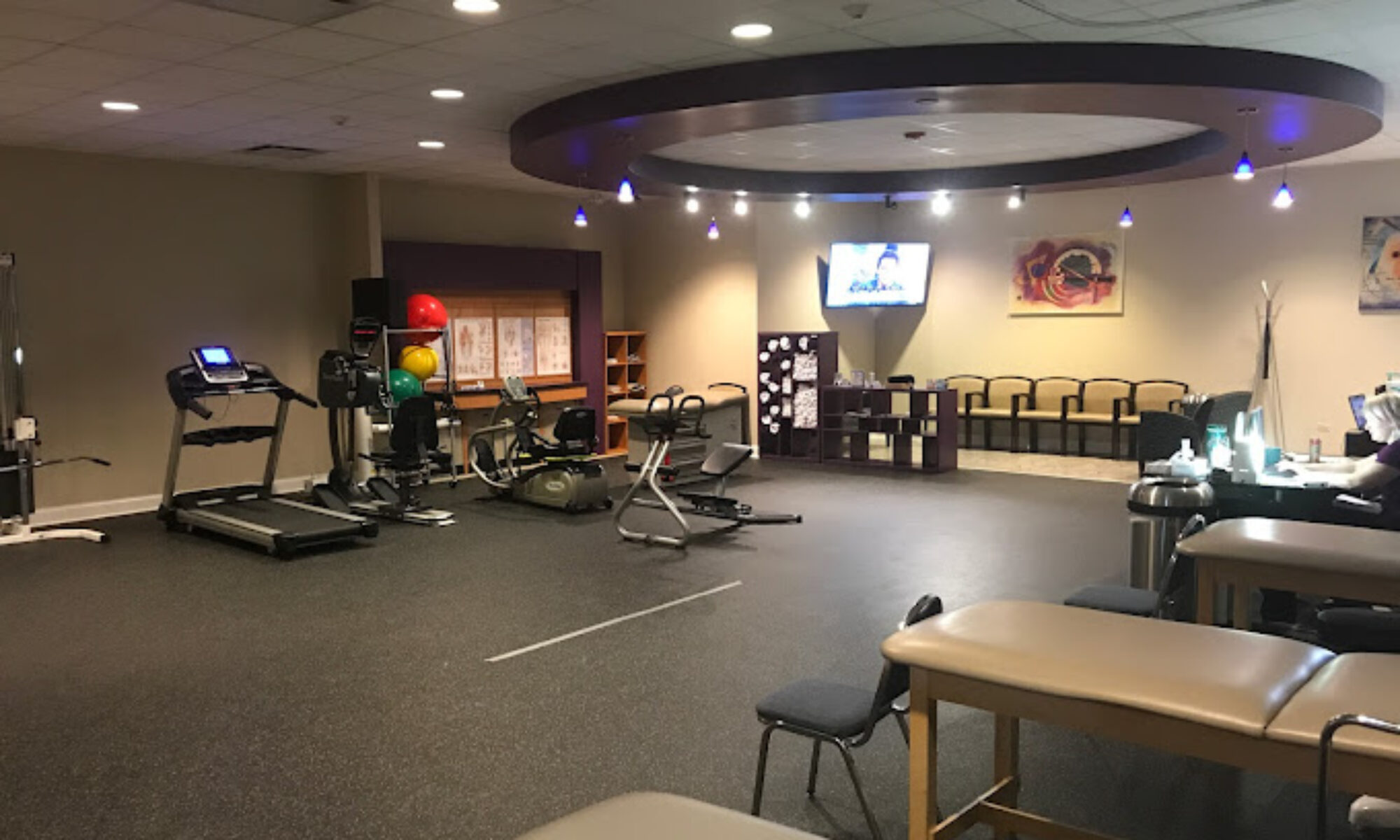

 Physical Medicine and Rehabilitation – Overview
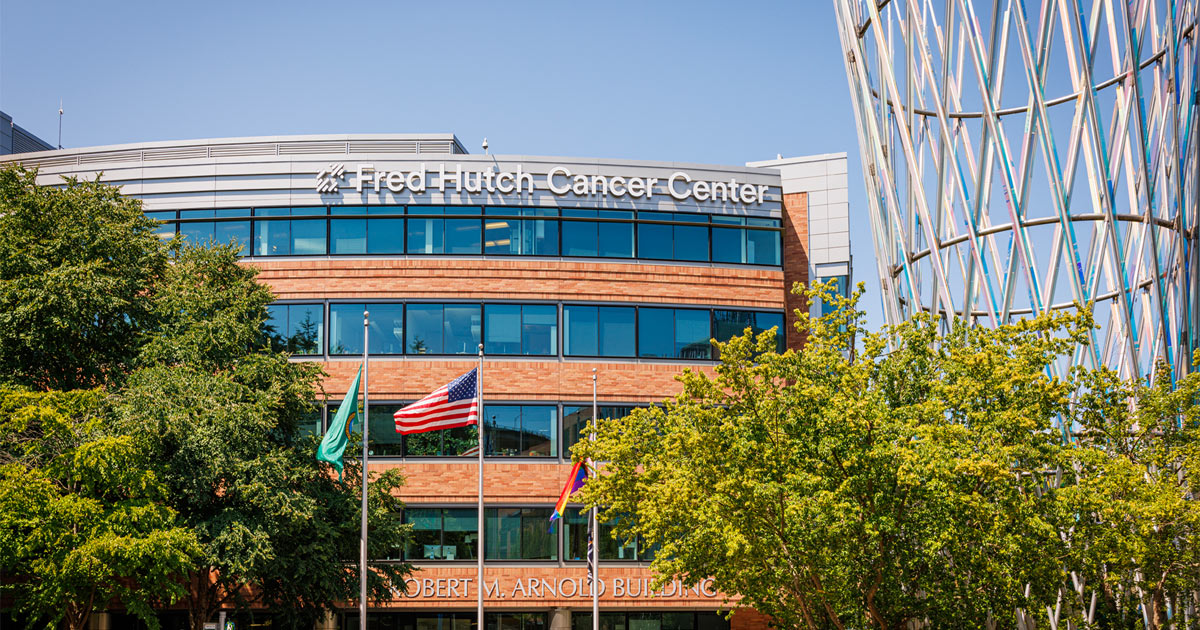 Benefits of Physical Therapy
 West Haven VA Medical Center | VA Connecticut Health Care | Veterans Affairs
 Physical Therapy Services Market Share & Growth Report 2033
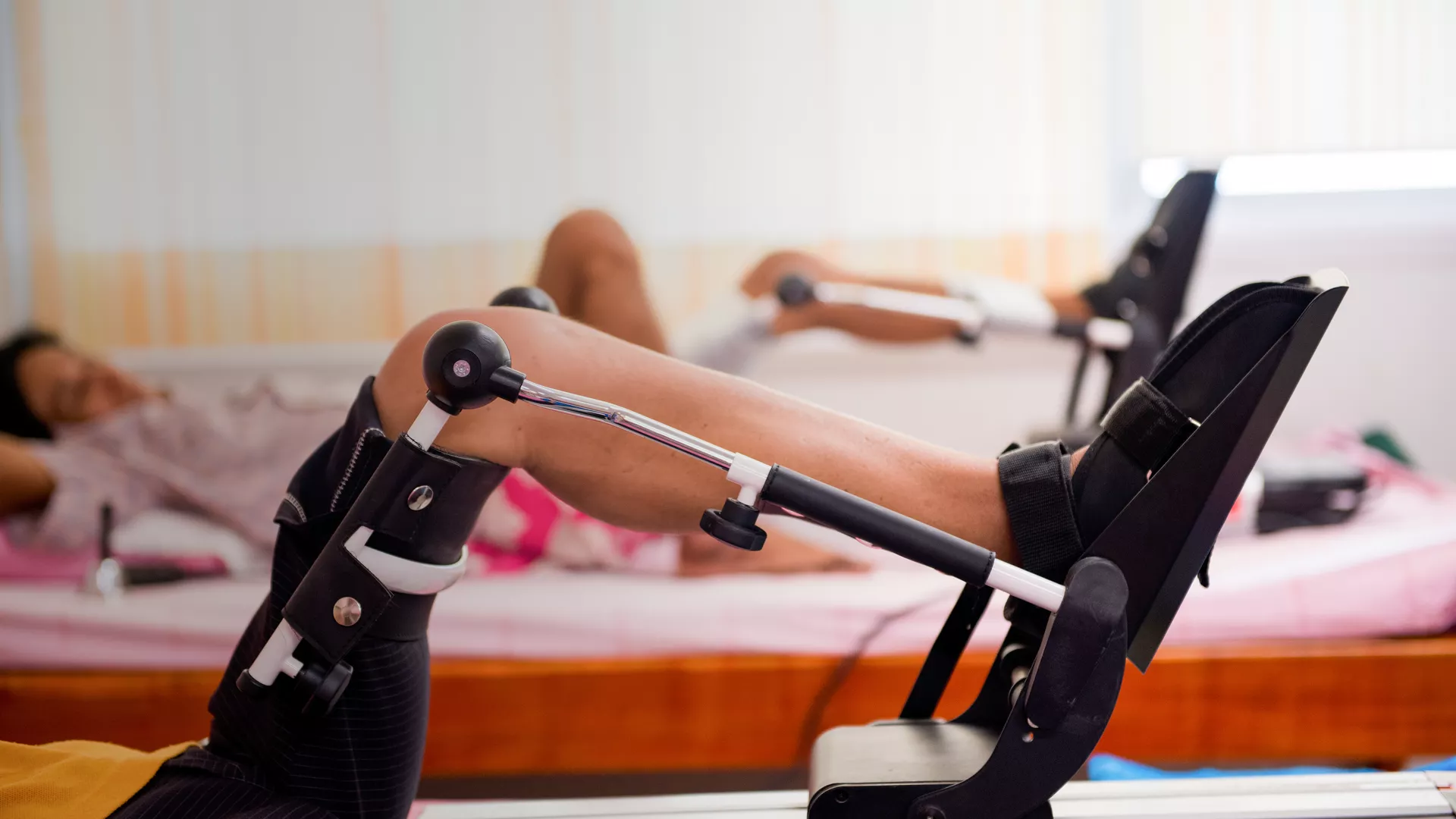 A survey of the experiences of delivering physiotherapy services through telerehabilitation during the COVID-19 pandemic
 Global Physiotherapy Services Market to Reach US$ 79.34 Billion by 2031, Coherent Market Insights